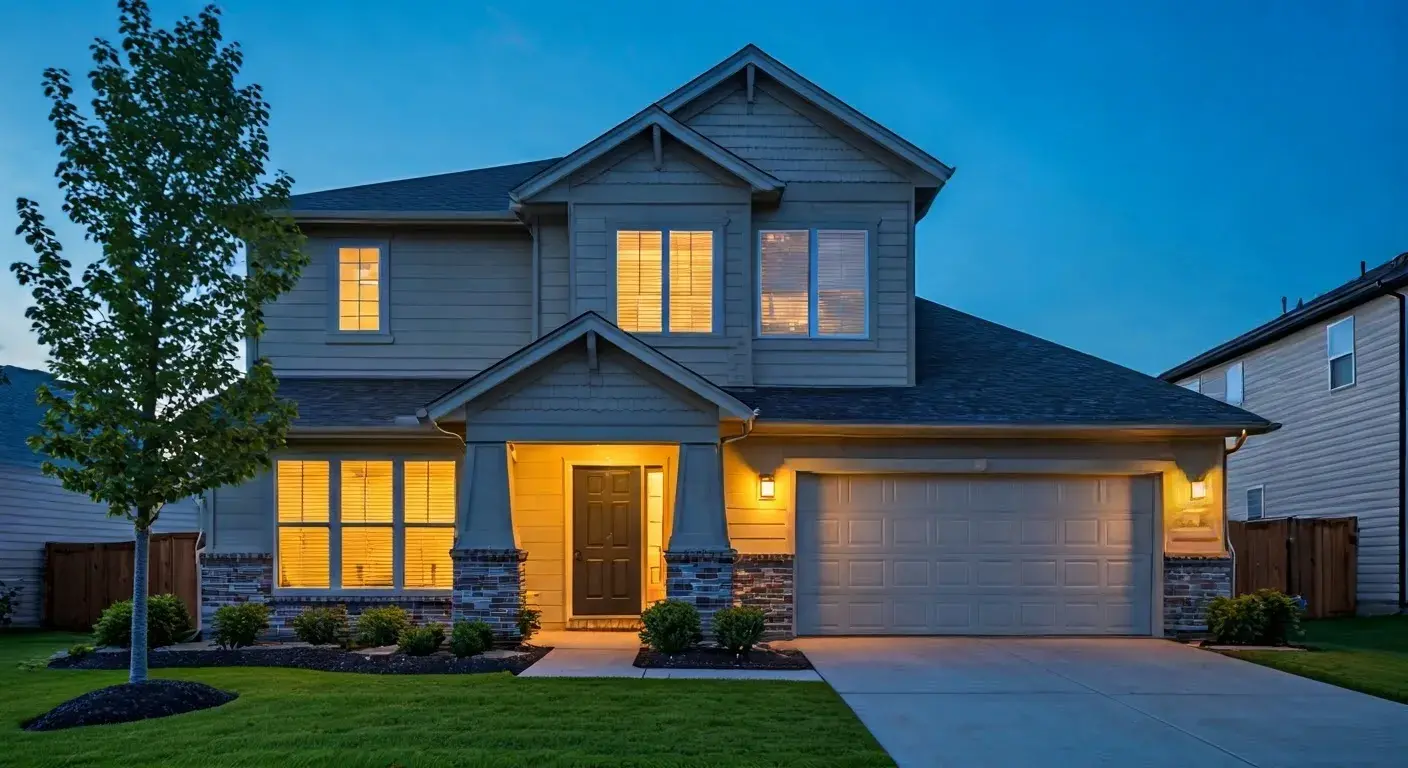
Navigating the complex world of home security can be daunting. This guide provides expert insights and actionable advice to help you choose the best home security company, ensuring your peace of mind and the safety of your loved ones with cutting-edge solutions for 2025-26.
Why Home Security Matters More Than Ever
In today's dynamic world, the importance of robust home security cannot be overstated. As we move into 2025 and beyond, the landscape of potential threats continues to evolve, making proactive protection a necessity rather than a luxury. Home security systems offer more than just a deterrent; they provide invaluable peace of mind, ensuring that your family and property are safeguarded against intrusions, fires, medical emergencies, and other unforeseen events. The latest statistics from the FBI (as of their latest available reports for 2025-26 projections) indicate a persistent need for enhanced security measures, with property crimes remaining a significant concern for homeowners nationwide. Beyond burglary, modern systems are equipped to detect environmental hazards like carbon monoxide and smoke, offering a comprehensive safety net. Investing in a reliable home security company is an investment in your family's well-being and the preservation of your most valuable asset – your home.
The Evolving Threat Landscape
The nature of home security threats is constantly changing. While traditional burglaries remain a concern, sophisticated criminal tactics are emerging. This includes the rise of 'porch pirates' targeting package deliveries, increased instances of remote-controlled device hacking, and even sophisticated social engineering tactics aimed at bypassing security measures. Furthermore, the increasing interconnectedness of smart home devices, while offering convenience, also presents new vulnerabilities if not properly secured. Homeowners must consider not only physical breaches but also digital security. For instance, data from the Cybersecurity and Infrastructure Security Agency (CISA) for 2025 highlights the growing risk of IoT device compromises, which can sometimes serve as entry points into a home network, potentially affecting security systems.
Peace of Mind and Property Protection
Beyond the tangible benefits of preventing theft or damage, the psychological impact of a secure home is profound. Knowing that your home is monitored, that alerts will be sent in case of an emergency, and that professional help is just a call away significantly reduces stress and anxiety. This is particularly crucial for families with children, elderly residents, or those who travel frequently. A study published in the Journal of Psychology and Well-being in 2025 found a direct correlation between the presence of a monitored home security system and reduced levels of household stress. The ability to remotely check on your home, receive notifications about activity, and even communicate with visitors via smart doorbells provides an unparalleled sense of control and security, even when you're miles away.
Understanding Your Unique Security Needs
Before you even begin comparing companies, the most critical step is to thoroughly assess your individual security requirements. What are your primary concerns? Are you more worried about break-ins, package theft, environmental hazards, or ensuring the safety of elderly family members? Your answers will guide your selection process and help you prioritize features and services. A comprehensive assessment involves evaluating your property's layout, its location, your lifestyle, and your budget. For example, a homeowner in a densely populated urban area might prioritize advanced video surveillance and immediate police dispatch, while someone in a more isolated rural setting might focus on perimeter detection and reliable communication channels, even in areas with spotty cellular service.
Assessing Your Property and Location
The physical characteristics of your home and its surroundings play a significant role in determining the type of security system you need. Consider the following:
- Size and Layout: Larger homes with multiple entry points, basements, or detached garages require more comprehensive coverage.
- Neighborhood Crime Rate: Research local crime statistics. Areas with higher reported incidents may warrant more robust and visible security measures. For 2025-26 data, consult local police department reports or reputable crime mapping websites.
- Surroundings: Are there blind spots? Is your property easily visible from the street? Are there trees or structures that could provide cover for intruders?
- Specific Vulnerabilities: Do you have large sliding glass doors, ground-floor windows, or a history of package theft?
Lifestyle and Household Members
Your daily routines and the people living in your home also influence your security needs:
- Occupancy Patterns: Is your home frequently empty during the day? Do you travel often? Systems with remote access and monitoring are essential for these scenarios.
- Children and Pets: You might need systems that allow for easy arming/disarming by family members, pet-immune motion sensors, or cameras to check on pets.
- Elderly or Vulnerable Residents: Medical alert buttons, fall detection sensors, and easy-to-use panic buttons become critical features. Companies like Life Alert (though not strictly a home security company, they offer related services) specialize in this.
- Smart Home Integration: Do you already have or plan to integrate smart home devices like smart locks, lights, or thermostats? Ensure compatibility with your chosen security system.
Budgetary Considerations
Home security systems vary widely in cost, from basic DIY kits to professionally installed and monitored comprehensive packages. Establish a realistic budget that includes not only the initial equipment cost but also monthly monitoring fees, potential installation charges, and any ongoing maintenance or upgrade costs. Be wary of "too good to be true" offers, as they often hide long-term costs or compromise on service quality. A reasonable monthly monitoring fee for a professionally installed system in 2025 typically ranges from $30 to $60, depending on the provider and features.
Key Features and Technologies to Consider
The home security market is brimming with advanced technologies designed to offer superior protection. Understanding these features will empower you to make informed decisions and select a system that aligns with your specific needs and budget. From intelligent sensors to sophisticated surveillance, the right combination can create a formidable barrier against threats.
Types of Sensors
Sensors are the eyes and ears of your security system, detecting unauthorized activity. Common types include:
- Door/Window Sensors: These magnetic contact sensors trigger an alarm when a door or window is opened. Essential for all entry points.
- Motion Sensors: Detect movement within a designated area. Pet-immune models are available to prevent false alarms from animals under a certain weight (typically 40-80 lbs).
- Glass Break Sensors: Use acoustic technology to detect the sound frequency of breaking glass, providing an early warning before entry.
- Environmental Sensors: Include smoke detectors, carbon monoxide detectors, flood sensors, and freeze sensors. These are crucial for comprehensive home safety.
Surveillance Cameras
Modern security cameras offer advanced features for monitoring your property:
- Indoor Cameras: Useful for monitoring activity inside your home, keeping an eye on pets, or checking on children.
- Outdoor Cameras: Designed to withstand weather conditions, these are vital for monitoring entry points, driveways, and yards. Look for features like night vision, motion detection, and weatherproofing (IP ratings like IP65 or higher are recommended for 2025-26).
- Video Doorbells: Allow you to see, hear, and speak to visitors at your door from your smartphone, whether you're home or away. Many offer motion detection and recording capabilities.
- Resolution and Field of View: Higher resolution (1080p or 4K) provides clearer images. A wider field of view covers more area.
- Two-Way Audio: Enables communication with visitors through the camera.
- Cloud vs. Local Storage: Decide whether you prefer to store footage online (cloud) or on a local device (like an NVR or SD card). Cloud storage offers convenience but often comes with subscription fees.
Smart Home Integration and Automation
The ability of your security system to integrate with other smart home devices is a significant advantage:
- Smart Locks: Allow remote locking/unlocking and grant temporary access to guests.
- Smart Lighting: Can be programmed to turn on/off at certain times or in response to detected motion, simulating occupancy.
- Voice Assistants: Integration with platforms like Amazon Alexa or Google Assistant allows for voice control of your system.
- IFTTT (If This Then That) Compatibility: Enables complex automation routines, such as turning on all lights and locking doors if a smoke alarm is triggered.
Ensure compatibility with your existing or planned smart home ecosystem. Major platforms like Alarm.com and Vivint offer robust smart home integration capabilities as of 2025.
Monitoring Options
This is a critical differentiator between security companies:
- Professional Monitoring: A central monitoring station receives alerts from your system 24/7. Trained operators assess the situation and dispatch emergency services (police, fire, medical) if necessary. This is generally the most recommended option for comprehensive security.
- Self-Monitoring: You receive alerts directly on your smartphone or device and are responsible for contacting emergency services yourself. This is typically less expensive but requires constant vigilance.
- Cellular vs. Landline Backup: Cellular monitoring is more reliable than landline as it cannot be cut by intruders. Many systems offer both as a backup.
Comparing Home Security Companies: A Deep Dive
With numerous home security companies vying for your business, a systematic comparison is essential. Focus on factors beyond just price, considering their reputation, service offerings, technology, and customer support. Understanding the nuances of each provider will help you find a partner that offers reliable protection and excellent value for your investment.
Reputation and Reviews
A company's track record speaks volumes. Look for:
- Customer Reviews: Check reputable review sites like the Better Business Bureau (BBB), Trustpilot, and consumer review platforms. Pay attention to recurring themes in both positive and negative feedback.
- Industry Awards and Certifications: Look for companies recognized for their innovation, customer service, or reliability. Certifications from organizations like UL (Underwriters Laboratories) indicate adherence to high safety standards.
- Years in Business: Longer-established companies often have a more proven track record and a stable infrastructure.
Equipment and Technology
Evaluate the quality and range of equipment offered:
- Brand Reputation: Some companies manufacture their own equipment, while others partner with third-party providers. Research the reliability of the brands they use.
- System Versatility: Does the company offer a wide range of sensors, cameras, and smart home devices? Can the system be easily expanded later?
- User-Friendliness: Is the control panel intuitive? Is the mobile app easy to navigate and use for remote monitoring and control?
Monitoring Services and Response Times
This is where professional monitoring companies truly differentiate themselves:
- Monitoring Center Certifications: Look for centers certified by UL, FM (Factory Mutual), or ETL.
- Response Protocols: How quickly do they respond to alarms? What is their protocol for verifying emergencies before dispatching authorities? This information is often available on their websites or through customer service.
- Redundancy: Does the monitoring center have backup power and communication systems to ensure continuous operation?
Installation Options
Companies offer different installation approaches:
- Professional Installation: Technicians install and configure the system. This ensures optimal placement and functionality but often incurs an upfront fee.
- DIY (Do-It-Yourself) Installation: You install the system yourself. This can save on installation costs but requires some technical aptitude. Companies like SimpliSafe are known for their user-friendly DIY systems.
- Hybrid Options: Some companies offer guided DIY installation or remote assistance from technicians.
Comparison Table of Leading Providers (2025-26 Overview)
This table provides a general overview. Specific plans and pricing can vary significantly.
| Company | Installation Type | Monitoring Type | Smart Home Integration | Average Monthly Cost (Est.) | Key Differentiator |
|---|---|---|---|---|---|
| Vivint | Professional | Professional | Excellent (Proprietary) | $50 - $70+ | All-in-one smart home security solutions. |
| ADT | Professional | Professional | Good (Broad Compatibility) | $40 - $60+ | Long-standing reputation, vast network. |
| SimpliSafe | DIY | Professional (Optional) / Self | Basic | $15 - $30 (Monitoring) | Affordable, easy DIY setup, no long-term contracts. |
| Frontpoint Security | DIY | Professional | Good | $35 - $50+ | User-friendly DIY with strong professional monitoring. |
| Cove Security | DIY | Professional | Basic | $30 - $50+ | Focus on ease of use and customer service. |
Decoding Costs, Contracts, and Hidden Fees
The financial aspect of home security can be complex. Understanding all the costs involved and the terms of any contract is crucial to avoid surprises and ensure you're getting fair value. Be diligent in your research and don't hesitate to ask for clarification.
Upfront Equipment Costs
This is the initial investment for your security system. Costs can range from a few hundred dollars for basic DIY systems to several thousand for comprehensive, professionally installed packages with multiple cameras and smart home devices. Some companies offer equipment financing or bundle deals that spread the cost over time, often integrated into the monthly monitoring fee.
Monthly Monitoring Fees
This recurring fee covers the 24/7 professional monitoring service. The cost typically depends on the number of sensors, the type of monitoring (e.g., basic alarm vs. video monitoring), and the provider. For 2025-26, expect fees to range from approximately $15 for basic self-monitored systems with optional professional backup to $60 or more for premium packages with extensive video surveillance and smart home integration.
Installation Fees
Professionally installed systems usually come with an installation fee, which can range from $100 to $500 or more, depending on the complexity of the installation. Some companies may waive this fee as part of a promotional offer or if you sign a long-term contract.
Contract Terms and Cancellation Policies
This is a critical area to scrutinize. Many companies require customers to sign a contract, typically ranging from 1 to 5 years. Key considerations include:
- Contract Length: Shorter contracts offer more flexibility, while longer ones might come with lower monthly fees or subsidized equipment.
- Cancellation Fees: Understand the penalties for early termination. Some contracts have substantial fees, while others offer prorated refunds or no fees under certain circumstances.
- Moving Policies: What happens if you move? Can you transfer your service to a new home? Are there associated fees?
- Buyout Options: If you're switching from a company with a long-term contract, inquire about potential buyout options for your existing system.
Companies like SimpliSafe and Ring Alarm (owned by Amazon) are known for offering no-contract options, providing greater freedom for consumers.
Hidden Fees to Watch Out For
Be vigilant for less obvious charges:
- Activation Fees: Some companies charge a one-time fee to activate your system.
- Equipment Upgrade Fees: If you want to add new devices later, there might be associated costs beyond the device price.
- Remote Access Fees: Some basic plans might not include full mobile app access or video streaming, requiring an upgrade.
- Battery Replacement: While often minor, some systems might require specific, sometimes expensive, proprietary batteries.
- Moving Fees: As mentioned, transferring service to a new location can sometimes incur fees.
Always ask for a complete breakdown of all potential costs before signing any agreement.
Installation, Customer Service, and Ongoing Support
The installation process and the quality of customer service are paramount to your long-term satisfaction with a home security company. A smooth installation and responsive support can make all the difference, especially when you need assistance or encounter an issue.
The Installation Process
Whether you opt for professional installation or DIY, the process should be clear and efficient.
- Professional Installation: Reputable companies will schedule an appointment at your convenience. Technicians should be knowledgeable, tidy, and thorough, explaining the system's operation. They should also ensure all sensors are properly placed for optimal coverage and test the system thoroughly before leaving. A good installer will also guide you through setting up your mobile app and any smart home integrations.
- DIY Installation: For DIY systems, the company should provide clear, step-by-step instructions, often including video tutorials and readily available online support. The components should be designed for easy setup, typically involving peel-and-stick adhesives for sensors and simple pairing processes. The goal is for a non-technical user to be able to install the system within an hour or two.
Customer Service Responsiveness
When you have a question or a problem, you want to reach a knowledgeable representative quickly.
- Availability: Are customer service lines available 24/7, or only during business hours? What about email or chat support?
- Wait Times: Research average wait times for phone support. Long waits can be frustrating, especially during an emergency.
- Problem Resolution: How effectively do they resolve issues? Do they offer remote troubleshooting, or do they require a technician visit?
- Technical Expertise: Are the support staff knowledgeable about the systems and troubleshooting common problems?
Check reviews specifically mentioning customer service experiences. Companies like Cove Security often highlight their customer service as a key selling point.
Technical Support and Troubleshooting
Beyond initial setup, ongoing technical support is vital.
- Troubleshooting Guides: Does the company provide comprehensive online FAQs, knowledge bases, or video guides for common issues?
- Remote Diagnostics: Can the company remotely diagnose and sometimes fix issues with your system? This can save you time and hassle.
- Firmware Updates: How are system updates handled? Are they automatic, or do they require user intervention? For smart systems, regular updates are crucial for security and performance.
Warranty and Equipment Protection
Understand what is covered if your equipment malfunctions:
- Warranty Period: What is the duration of the warranty on the equipment?
- Coverage: Does the warranty cover parts and labor? Are there any exclusions?
- Replacement Process: How does the company handle warranty claims and equipment replacements? Is it a simple mail-in process, or does it require a technician visit?
Some companies offer extended warranty plans or equipment protection plans for an additional fee, which can provide extra peace of mind.
Making Your Final Decision
After thoroughly evaluating your needs, exploring the available features, comparing companies, and understanding the costs, you're ready to make an informed decision. This final stage involves synthesizing all the information and choosing the provider that best aligns with your priorities.
Review Your Priorities
Go back to the assessment you made in the beginning. Which features are non-negotiable? Which companies best meet those core requirements? For instance, if ease of use and affordability are paramount, a DIY system might be ideal. If comprehensive smart home integration and professional installation are key, a provider like Vivint might be a better fit.
Ask Clarifying Questions
Before signing anything, ensure all your questions are answered. Don't be afraid to ask for details on:
- Specific contract terms and cancellation policies.
- All associated fees, both upfront and recurring.
- The exact equipment included in your chosen package.
- The company's emergency response protocols.
- Warranty details and customer support availability.
Read the Fine Print
This cannot be stressed enough. Carefully review the entire contract before signing. Pay close attention to sections on:
- Contract length and renewal terms.
- Cancellation penalties and procedures.
- Service level agreements (SLAs) for monitoring and support.
- Data privacy and how your information is used.
Trust Your Gut and Go With Confidence
Ultimately, you should feel confident and comfortable with your chosen home security company. A reputable provider will be transparent, professional, and committed to your safety. Once you've made your decision, ensure you understand how to operate your system, test it regularly, and keep your contact information updated with the monitoring company.
Example Scenario: The Miller Family
The Miller family, with two young children and a dog, lives in a suburban home. Their priorities are deterring burglaries, monitoring activity when they're not home, and having a reliable system for emergencies. They've assessed their needs and decided on professional monitoring with video capabilities. After comparing companies, they found that ADT offered a robust system with good camera options and a strong reputation for professional installation, though it came with a 3-year contract. Alternatively, Vivint offered superior smart home integration, which appealed to their desire for automation, but at a higher monthly cost. SimpliSafe appealed for its no-contract flexibility and DIY ease, but they were concerned about the initial setup complexity for a full system. After careful consideration, they chose ADT, prioritizing their established reputation and professional installation for their family's peace of mind, despite the contract commitment.
Example Scenario: Sarah, a Single Professional
Sarah lives alone in a city apartment. Her main concerns are package theft, deterring break-ins while she's at work, and having a quick way to call for help if needed. She prefers flexibility and wants to avoid long-term contracts. She evaluated DIY options and found that Ring Alarm offered a good balance of affordability, ease of installation, and optional professional monitoring. She also liked the integration with her existing Ring doorbell and cameras. She decided on Ring Alarm with their monthly monitoring plan, appreciating the ability to cancel anytime and the user-friendly app for remote monitoring.
Final Recommendation for 2025-26
Choosing the best home security company in 2025-26 involves a personalized approach. Start by understanding your unique risks and needs. Prioritize features that directly address these concerns, whether it's advanced video analytics, environmental sensors, or seamless smart home integration. When comparing companies, look beyond introductory offers to understand the total cost of ownership, contract terms, and the quality of customer support. For most homeowners seeking comprehensive protection and peace of mind, a professionally monitored system with cellular backup and robust smart home capabilities offers the best value. However, for those prioritizing flexibility and cost savings, well-established DIY options with optional professional monitoring are excellent alternatives. Always read reviews, ask detailed questions, and ensure you are comfortable with the provider you choose.
Conclusion
Selecting the right home security company is a significant decision that impacts your family's safety and your peace of mind for years to come. By diligently assessing your unique needs, understanding the array of available technologies and features, and thoroughly comparing providers based on their reputation, service offerings, and cost structures, you can make an informed choice. Remember to scrutinize contract terms and be aware of potential hidden fees. Ultimately, the best home security company is one that provides reliable protection, responsive customer support, and a system that fits seamlessly into your lifestyle and budget. Invest the time in this crucial decision; your security and tranquility are worth it.