Freedom and Peace of Mind Exploring Subscription-Free Home Security Systems
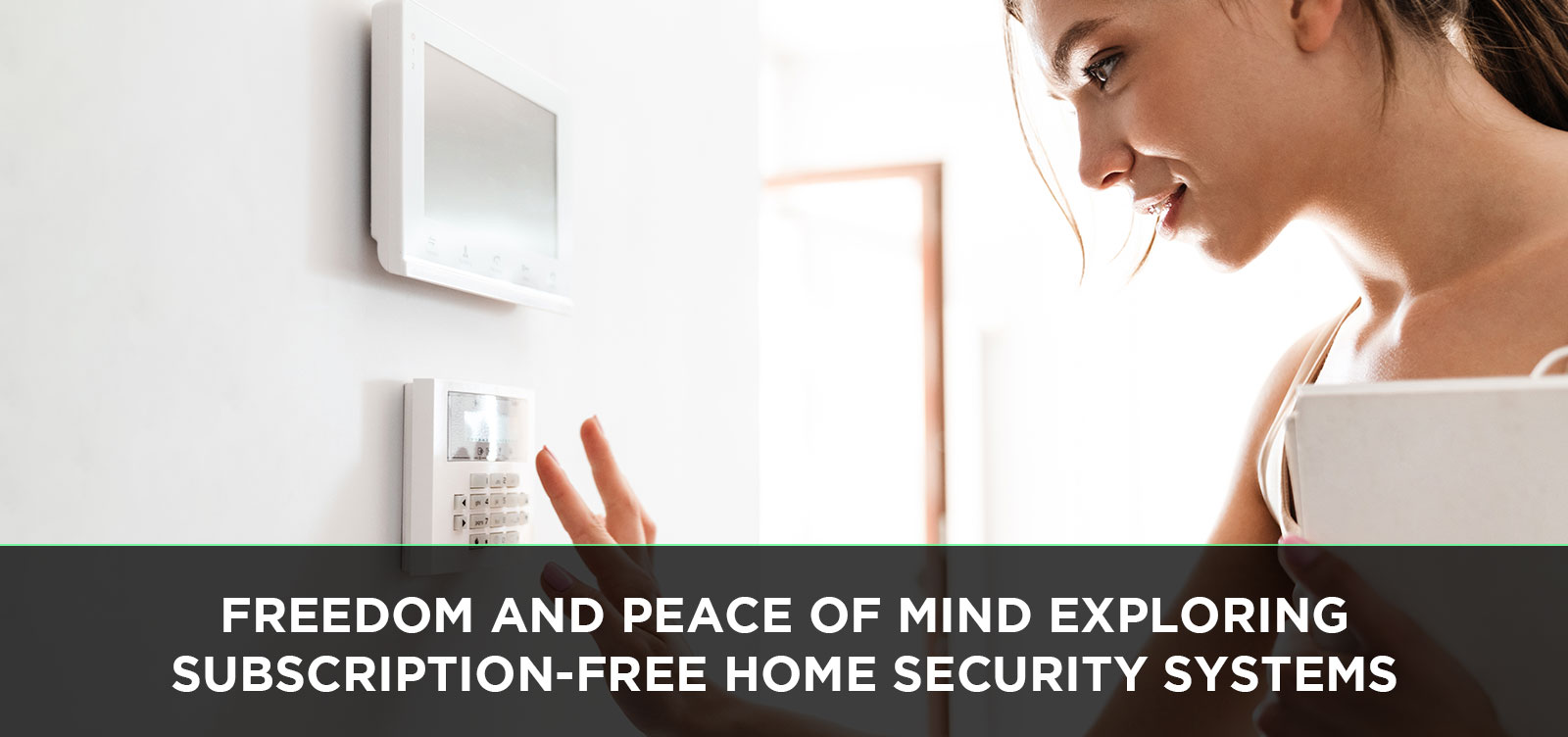
Escape the monthly fees and embrace true autonomy with subscription-free home security. Discover how to safeguard your home and gain unparalleled peace of mind without ongoing costs, exploring innovative systems designed for lasting security and financial freedom in 2025-26.
Introduction: The Allure of Subscription-Free Security
In an era where recurring charges seem to infiltrate every aspect of our lives, the concept of a home security system that doesn't demand a monthly fee is incredibly appealing. For many homeowners, the idea of robust protection coupled with complete financial autonomy is the ultimate goal. This isn't just about saving money; it's about regaining control over your home's safety and your budget. As we navigate 2025 and look ahead to 2026, the market for subscription-free home security is maturing, offering sophisticated solutions that were once only available through costly contracts. This guide will delve deep into what makes these systems tick, their advantages, the best options available, and how to choose the perfect fit for your peace of mind.
Why Go Subscription-Free? The Benefits Unpacked
The traditional model of home security often involves a significant upfront cost for equipment, followed by a mandatory monthly subscription for monitoring and access to advanced features. While this model offers convenience and professional oversight, it comes with substantial long-term financial commitments. Subscription-free systems, on the other hand, offer a compelling alternative by eliminating these ongoing expenses. The primary drivers for choosing a subscription-free model are clear and significant, impacting both your wallet and your sense of control.
Financial Freedom and Long-Term Savings
This is arguably the most significant advantage. Over the lifespan of a security system, which can easily be 5-10 years or more, the cumulative cost of monthly fees can far exceed the initial investment in hardware. For instance, a typical $30/month monitoring fee amounts to $360 annually, or $3,600 over a decade. Subscription-free systems, while requiring a larger upfront purchase, eliminate this persistent drain on your finances, offering substantial savings in the long run. By 2025, the average household is increasingly sensitive to recurring expenses, making this a critical consideration.
Unfettered Control and Ownership
With a subscription-free system, you own your equipment outright. This means you are not tied to a specific provider's ecosystem or subject to their policy changes, price hikes, or service disruptions. You have complete control over your data, how your system operates, and when or if you choose to upgrade components. This autonomy extends to the monitoring services; you decide whether to self-monitor or opt for a third-party service on a pay-as-you-go basis, rather than being locked into a mandatory plan.
No Contractual Obligations
One of the most frustrating aspects of traditional security systems is the long-term contract, often spanning 3-5 years. Breaking these contracts can incur hefty penalties. Subscription-free systems inherently bypass this issue. You purchase the system, and that's it. There are no cancellation fees, no early termination penalties, and no obligation to continue using a service you no longer need or want. This flexibility is particularly attractive for renters or individuals who anticipate moving in the near future.
Privacy and Data Security
While not exclusive to subscription-free systems, many of them are designed with a greater emphasis on user privacy. With less reliance on cloud-based, subscription-dependent services, some systems offer local storage options for video footage, reducing the amount of sensitive data transmitted and stored on third-party servers. This can provide an added layer of comfort for those concerned about data breaches or unauthorized access to their home's surveillance. By 2025, data privacy concerns are at an all-time high, making this a crucial differentiator.
Flexibility and Customization
Subscription-free systems often offer a modular approach. You can start with a basic kit and add components as needed, such as additional cameras, sensors, or smart home integrations. This allows you to tailor the system precisely to your home's layout and your specific security needs, without being forced into pre-packaged bundles that may include features you don't require.
Types of Subscription-Free Home Security Systems
The landscape of subscription-free home security is diverse, catering to various needs and technical proficiencies. These systems can broadly be categorized by their primary functionality and how they are managed. Understanding these categories is the first step in identifying the best fit for your home.
DIY Wireless Systems with Local Storage
These are perhaps the most popular type of subscription-free system. They typically consist of a hub or base station, wireless sensors (door/window contacts, motion detectors), and often one or more cameras. The key differentiator is their ability to store recorded footage locally, usually on an SD card inserted into the device or hub, or on a connected hard drive.
- How they work: When an event is triggered (e.g., a door opens, motion is detected), the system records video to the local storage. Users can access live feeds and recorded footage via a smartphone app.
- Pros: No monthly fees for storage, enhanced privacy, easy setup.
- Cons: Footage can be lost if the device is stolen or damaged; remote access might be slower than cloud-based systems; limited scalability for very large properties.
- Examples: Many brands offer cameras with SD card slots, and some hubs can support external USB drives.
Self-Monitored Wired Systems
For those who prioritize reliability and don't mind a more involved installation, wired systems offer a robust solution. These systems typically use Ethernet cables for cameras and sensors, ensuring a stable connection. While some wired systems offer cloud storage subscriptions, many can be configured for local recording or direct access without ongoing fees.
- How they work: Cameras and sensors are wired to a central DVR (Digital Video Recorder) or NVR (Network Video Recorder) that stores footage. Access is typically through a dedicated app or web interface.
- Pros: Highly reliable connections, excellent video quality, significant storage capacity with NVR/DVR.
- Cons: Professional installation is often required, more complex setup, less aesthetically pleasing due to visible wiring.
- Examples: Professional-grade surveillance systems that can be configured for self-monitoring.
Smart Home Hubs with Security Integrations
Existing smart home enthusiasts might already have a hub (like Samsung SmartThings, Hubitat, or Home Assistant) that can integrate with various security sensors and cameras. These platforms often allow for custom automation rules and local processing, reducing reliance on cloud services.
- How they work: You connect compatible Z-Wave, Zigbee, or Wi-Fi security devices to your smart home hub. You then create rules and automations within the hub's software to manage alerts and recordings.
- Pros: Integrates with existing smart home devices, high degree of customization, potential for local control and automation.
- Cons: Requires a higher level of technical expertise, compatibility can be an issue, not all devices are truly "subscription-free" in terms of their own app features.
- Examples: Using a Home Assistant setup with various sensors and cameras for a fully DIY, subscription-free security solution.
Standalone Smart Cameras with Local Storage
For basic surveillance needs, individual smart cameras that offer local storage (SD card) and app-based remote access can serve as a component of a subscription-free security strategy. While not a full system on their own, they can cover key entry points or areas of concern.
- How they work: These cameras connect to your Wi-Fi, record to an internal SD card, and provide live viewing and playback via a mobile app.
- Pros: Very easy to set up, affordable for individual cameras, no monthly fees for basic functionality.
- Cons: Limited coverage, no integrated alarm system, dependent on Wi-Fi stability.
- Cons: Limited coverage, no integrated alarm system, dependent on Wi-Fi stability.
- Examples: Many consumer-grade Wi-Fi cameras from brands like Reolink, Wyze (with some limitations on advanced features without subscription), and Eufy.
Key Features to Look For in Your System
When evaluating subscription-free home security systems, certain features are paramount to ensuring effective protection and a user-friendly experience. Prioritizing these will help you make an informed decision that aligns with your security goals and budget for 2025-26.
Local Storage Options
As discussed, this is the cornerstone of a subscription-free system. Look for systems that offer:
- SD Card Slots: For individual cameras or hubs, allowing for direct recording. Ensure the maximum supported SD card size is sufficient for your needs.
- NVR/DVR Support: For wired systems, a Network Video Recorder (NVR) or Digital Video Recorder (DVR) provides ample storage for multiple cameras over extended periods.
- USB Port for External Drives: Some systems allow you to connect a USB hard drive for expanded local storage.
Mobile App Functionality
Even without a subscription, a robust mobile app is crucial for managing your system. It should offer:
- Live View: Real-time access to camera feeds from anywhere.
- Playback: Ability to review recorded footage stored locally.
- Notifications: Instant alerts for motion detection, sensor triggers, or system status changes.
- System Control: Arming/disarming the system, adjusting settings, and managing devices.
- Two-Way Audio: For cameras, allowing you to communicate with visitors or deter intruders.
Sensor Types and Range
A comprehensive system includes various sensors to cover different vulnerabilities:
- Door/Window Sensors: Detect when entry points are opened.
- Motion Detectors: Identify movement within a room. Look for pet-immune options if you have animals.
- Glass Break Sensors: Detect the sound of breaking glass.
- Environmental Sensors: Smoke, CO, and water leak detectors can be integrated into some systems for broader safety.
Consider the wireless range of these sensors and the hub. Ensure they can reliably cover your entire property.
Camera Quality and Features
For visual surveillance, prioritize:
- Resolution: 1080p (Full HD) is standard, but 2K or 4K offers greater detail.
- Night Vision: Infrared (IR) night vision is essential for low-light conditions.
- Field of View (FOV): A wider FOV covers more area.
- Weather Resistance: For outdoor cameras (IP rating).
- Motion Detection Zones: Ability to customize detection areas to reduce false alarms.
Integration Capabilities
While focusing on subscription-free, consider if the system can integrate with other smart home devices you might already own or plan to acquire. This could include smart locks, lighting, or voice assistants, enhancing convenience and automation.
Power Source
Most systems are either battery-powered (for wireless sensors) or plug-in (for cameras and hubs). Battery life for sensors is a key consideration for maintenance. For cameras, consider wired power versus solar charging for outdoor units.
Installation and Setup: DIY vs. Professional
The ease of installation is a significant factor when choosing a home security system. Subscription-free systems often lean towards DIY installation, which contributes to their cost-effectiveness. However, the complexity can vary.
DIY Installation
The vast majority of wireless, subscription-free systems are designed for user-friendly DIY installation.
- Process: Typically involves mounting sensors with adhesive strips, plugging in the hub, and connecting it to your home Wi-Fi network. Cameras are often mounted and powered via an AC adapter or battery.
- Tools Required: Usually minimal – a screwdriver, perhaps a drill for mounting cameras, and a smartphone for app setup.
- Time Commitment: A basic system can often be installed and configured in under an hour. More complex setups with multiple cameras and sensors might take a few hours.
- Pros: Significant cost savings, flexibility to place devices exactly where you want them, immediate setup.
- Cons: Requires some technical comfort; potential for incorrect placement leading to reduced effectiveness; troubleshooting can be time-consuming if issues arise.
Professional Installation
While less common for purely subscription-free systems, some more advanced or wired systems might benefit from or require professional installation.
- Process: A technician will visit your home, assess your needs, install all components (including running wires if necessary), and configure the system for optimal performance.
- Tools Required: Professional-grade tools for drilling, wiring, and system configuration.
- Time Commitment: Can range from a few hours to a full day, depending on the system's complexity and the size of your home.
- Pros: Ensures correct installation and optimal performance, saves you time and effort, can handle complex wiring and integration challenges.
- Cons: Adds to the upfront cost of the system; less flexibility in scheduling compared to DIY.
Choosing the Right Approach
For most users looking for a subscription-free solution in 2025-26, DIY installation is the most practical and cost-effective route. If you are comfortable following instructions and using basic tools, you can successfully install and manage your system. However, if you have a very large or complex property, or if you prefer to have a professional ensure everything is set up perfectly, professional installation might be worth the extra expense, especially for wired NVR/DVR systems.
Managing Your System: Apps, Alerts, and Storage
The user experience of a subscription-free home security system is largely defined by how you interact with it daily. This revolves around the mobile app, the types of alerts you receive, and how your data is stored and accessed.
The Central Role of the Mobile App
The smartphone app is your command center. A well-designed app should be intuitive and provide seamless control over your system. Key functionalities include:
- Arming/Disarming: Easily switch your system between different modes (e.g., Home, Away, Disarmed).
- Live Streaming: Access real-time video feeds from any camera.
- Event History: Review a log of all triggered events and recorded footage.
- Notifications: Customize what alerts you receive and how (push notifications, email, SMS).
- Device Management: Add, remove, or configure sensors and cameras.
- Two-Way Communication: Speak through cameras with built-in microphones and speakers.
In 2025-26, apps are expected to be highly responsive, offer advanced customization, and potentially integrate with other smart home platforms.
Alerts and Notifications: Staying Informed
Effective alerting is crucial for peace of mind. Subscription-free systems typically offer:
- Motion Alerts: Triggered when motion is detected by a camera or sensor. Many systems allow you to set specific detection zones to minimize false alarms from passing cars or pets.
- Entry Alerts: Notifications when a door or window sensor is activated.
- System Status Alerts: Notifications for low battery on sensors, loss of Wi-Fi connection, or power outages.
- Customizable Alerts: The ability to choose which events trigger notifications and at what time.
Some systems allow for a "panic button" feature within the app, which can immediately trigger alarms and send notifications to designated contacts or authorities if you opt for a third-party monitoring service.
Local vs. Cloud Storage Management
This is where the "subscription-free" aspect truly shines.
- Local Storage (SD Card/NVR/DVR):
- Pros: No recurring fees, greater privacy as data stays within your network, typically faster access to recorded footage.
- Cons: Storage capacity is limited by the size of the SD card or hard drive; footage can be lost if the device is stolen or damaged; remote access might depend on your home's internet upload speed.
- Management: You'll need to periodically check storage levels and potentially format the drive or replace the SD card. Some systems offer continuous recording or overwrite older footage automatically.
- Optional Cloud Storage:
- Pros: Footage is safe even if the device is compromised; accessible from anywhere without relying on home internet upload speed.
- Cons: Often requires a subscription fee, even for subscription-free systems; raises privacy concerns for some users.
- Management: If offered, cloud storage plans usually have tiered pricing based on storage duration and number of cameras.
For a truly subscription-free experience, you'll rely entirely on local storage. Ensure the capacity is adequate for your needs – for example, continuous 1080p recording from one camera might require several days of storage on a 64GB SD card, while motion-triggered recording can extend this significantly.
Comparing Top Subscription-Free Options (2025-26)
The market for subscription-free home security is dynamic, with new products and improved features emerging regularly. Based on current trends and anticipated offerings for 2025-26, here’s a look at some leading brands and their approaches to providing robust, fee-free security.
Eufy Security
Eufy has carved out a strong niche by emphasizing local storage and privacy.
- Key Offerings: A range of Wi-Fi cameras (indoor, outdoor, doorbells) and security systems that typically use SD cards for local storage. Some higher-end systems, like the HomeBase, can connect to a HomeSync Pro device for expanded local storage and NAS integration.
- Subscription Model: Primarily subscription-free for core functionality. Optional cloud storage plans are available but not mandatory.
- Strengths: Excellent local storage options, good video quality, user-friendly app, strong privacy focus.
- Considerations: Some advanced AI features might be limited without cloud processing.
Reolink
Reolink offers a wide array of security cameras and NVR systems, many of which are designed for local storage and self-monitoring.
- Key Offerings: From standalone Wi-Fi cameras with SD card slots to comprehensive PoE (Power over Ethernet) NVR kits, Reolink provides solutions for various needs and budgets.
- Subscription Model: Most products are designed to be used without subscriptions, relying on SD cards or NVRs for storage. Optional cloud storage is available but not required.
- Strengths: Versatile product range, robust NVR systems for larger properties, competitive pricing, reliable local storage.
- Considerations: App interface can sometimes be less polished than competitors; PoE installation requires running cables.
Arlo (with caveats)
Arlo is known for its high-quality wireless cameras, but their subscription model can be a bit confusing.
- Key Offerings: Wire-free cameras with excellent battery life and video quality. Many models have SD card slots for local storage.
- Subscription Model: Arlo offers both subscription-free use with local storage (SD card) and optional cloud plans (Arlo Secure) for enhanced features like cloud recording, AI detection, and longer storage.
- Strengths: Superior video quality, excellent wire-free design, robust hardware.
- Considerations: To get the full benefit of advanced features like smart alerts and cloud storage, a subscription is often recommended, making it not entirely "subscription-free" in spirit for all users. However, basic local recording is possible without a fee.
SimpliSafe (with caveats)
SimpliSafe is a popular DIY security system, but its subscription model needs careful consideration.
- Key Offerings: A comprehensive suite of sensors, cameras, and a base station that is easy to set up.
- Subscription Model: SimpliSafe's core strength is its professional monitoring service, which requires a monthly fee. However, the system can function in a self-monitored capacity without a subscription. You can still receive notifications on your phone and view live camera feeds (if you purchase cameras).
- Strengths: Very easy to set up and expand, wide range of sensors, reliable hardware.
- Considerations: While you can self-monitor, the system is heavily geared towards its paid monitoring service. Without a subscription, you lose features like remote control via the app and video recording capabilities for cameras. This makes it a less ideal "subscription-free" option if you want full functionality.
Lorex
Lorex is a well-established brand in the surveillance market, offering a range of NVR and DVR systems that are ideal for local storage.
- Key Offerings: Comprehensive wired and wireless security camera systems, including 4K NVR kits, that provide extensive local storage capabilities.
- Subscription Model: Lorex systems are designed for local storage (NVR/DVR) and typically do not require ongoing subscription fees for basic operation.
- Strengths: High-resolution recording, robust NVR/DVR solutions for extensive coverage, reliable hardware.
- Considerations: Professional installation might be needed for wired systems; app interface can be basic.
Choosing the Right Brand
For a truly subscription-free experience in 2025-26, brands like Eufy and Reolink stand out due to their primary focus on local storage and user control. Lorex is excellent for those seeking comprehensive NVR solutions. While Arlo and SimpliSafe offer some subscription-free functionality, their core value proposition often lies in their paid services, making them less ideal if your sole objective is to avoid monthly fees entirely.
Cost Considerations: Upfront Investment vs. Long-Term Savings
The decision to go subscription-free with your home security is fundamentally a financial one. While the absence of monthly fees is attractive, it's crucial to understand the total cost of ownership, considering both the initial outlay and the long-term savings.
Upfront Investment
Subscription-free systems require a larger initial investment in hardware. This can include:
- Base Station/Hub: The central unit that connects your devices.
- Sensors: Door/window sensors, motion detectors, etc.
- Cameras: Indoor, outdoor, doorbell cameras.
- Storage Devices: SD cards, NVR/DVR units, or external hard drives.
- Accessories: Mounting hardware, extension cables, etc.
A basic DIY kit might range from $200-$500, while a more comprehensive system with multiple cameras and an NVR could cost $500-$1500 or more. This initial cost is a significant barrier for some, but it's essential to view it as an investment in ownership rather than an ongoing expense.
Long-Term Savings
This is where subscription-free systems truly shine. Let's compare the potential costs over 5 years:
| Scenario | Upfront Cost (Example) | Monthly Fee (Example) | Total Cost Over 5 Years |
|---|---|---|---|
| Subscription-Based System | $300 (Equipment) | $30/month | $300 + ($30 x 60 months) = $2,100 |
| Subscription-Free System | $700 (Equipment + Storage) | $0/month | $700 |
Table 1: Cost Comparison Over 5 Years (Illustrative)
As illustrated, the subscription-free model can result in substantial savings, potentially thousands of dollars over the lifespan of the system. By 2025-26, with rising costs of living, these savings become even more impactful.
Hidden Costs to Consider
While the goal is "subscription-free," be aware of potential ancillary costs:
- Storage Upgrades: You might need to purchase larger SD cards or hard drives as your storage needs grow or if the original media degrades.
- Battery Replacements: Wireless sensors require battery replacements, typically every 1-3 years, which is a minor ongoing cost.
- Internet Service: A stable internet connection is required for remote access and notifications. This is a cost most households already bear.
- Optional Professional Monitoring: If you decide later that you want professional monitoring, some subscription-free systems offer it on a pay-as-you-go basis, which is different from a mandatory monthly contract.
Return on Investment (ROI)
The ROI for a subscription-free system is measured not just in dollars saved but also in the freedom and control gained. The ability to avoid price hikes, contract changes, and service limitations offers a form of value that is harder to quantify but highly desirable for many consumers in 2025-26.
Security and Privacy: What You Need to Know
When moving to a subscription-free model, particularly one involving smart devices and remote access, it's crucial to understand the implications for your home's security and your personal privacy. While often touted as more private, these systems still require careful management.
Understanding Data Storage and Access
The primary privacy advantage of subscription-free systems lies in their reliance on local storage.
- Local Storage: Footage is stored on SD cards, NVRs, or DVRs within your home. This means sensitive video data is not constantly being uploaded to third-party cloud servers, reducing the risk of large-scale data breaches affecting your personal information.
- Remote Access: When you access your system remotely via the app, your device connects to your home's hub or NVR. The data is then transmitted over the internet. Ensure your home network is secure (strong Wi-Fi password, updated router firmware) to protect this connection.
Device Security and Updates
Like any connected device, your security system is only as secure as its software.
- Firmware Updates: Manufacturers regularly release firmware updates to patch security vulnerabilities and improve performance. It is critical to ensure your system automatically receives or that you manually apply these updates promptly. Check the manufacturer's policy on update frequency and support.
- Strong Passwords: Use strong, unique passwords for your security system's app and your home Wi-Fi network. Avoid default passwords.
- Two-Factor Authentication (2FA): If your system's app supports 2FA, enable it. This adds an extra layer of security, requiring a second form of verification (e.g., a code from your phone) to log in.
Privacy Policies and Data Usage
Even with local storage, the manufacturer's app and firmware interact with their servers for certain functions (e.g., push notifications, firmware updates).
- Read the Privacy Policy: Understand what data the manufacturer collects, how it's used, and who it's shared with. This is particularly important for any optional cloud services or AI features.
- Data Minimization: Choose systems that offer granular control over data collection and sharing.
Potential Vulnerabilities
No system is entirely immune to threats. Potential vulnerabilities include:
- Wi-Fi Network Compromise: If your home Wi-Fi is hacked, an attacker could potentially gain access to your security system.
- Physical Theft: If a camera with an SD card is stolen, the recorded footage might be lost or accessible if not encrypted.
- Firmware Exploits: Zero-day exploits or unpatched vulnerabilities could theoretically be used to gain unauthorized access.
Best Practices for Enhanced Security and Privacy
- Secure your Wi-Fi: Use WPA2/WPA3 encryption and a strong, unique password. Change your router's default administrator password.
- Keep firmware updated: Enable automatic updates or check regularly.
- Use strong, unique passwords for your security system account.
- Enable 2FA if available.
- Consider encryption for local storage: Some systems offer this feature for SD cards or NVRs.
- Be mindful of camera placement: Avoid placing cameras in highly private areas unless absolutely necessary.
By taking these precautions, you can significantly enhance the security and privacy of your subscription-free home security system in 2025-26.
Future Trends in Subscription-Free Home Security
The home security landscape is constantly evolving, and the subscription-free segment is no exception. As we look towards 2025 and beyond, several key trends are shaping the future of fee-free home protection, focusing on enhanced intelligence, greater integration, and improved user experience.
Advanced AI and Edge Computing
Artificial intelligence is moving from the cloud to the device itself (edge computing). This means more sophisticated detection capabilities—like distinguishing between people, pets, vehicles, and even package deliveries—can be processed locally on the camera or hub.
- Benefits: Faster processing, reduced reliance on internet bandwidth, enhanced privacy as less raw data needs to be sent to the cloud.
- Impact: Expect fewer false alarms and more intelligent alerts, all without requiring a subscription for these advanced features.
Greater Interoperability and Open Standards
The push for greater interoperability between smart home devices will continue. This means subscription-free systems will likely become more compatible with broader smart home ecosystems (like Matter).
- Benefits: Users can integrate their security devices with other smart home products from different manufacturers, creating more unified and automated home environments.
- Impact: This reduces vendor lock-in and allows users to build a comprehensive, fee-free smart home that includes security as a core component.
Enhanced Local Storage Solutions
While SD cards are common, expect advancements in local storage. This could include:
- Higher Capacity and Faster Speeds: New SD card technologies will offer more storage in smaller form factors.
- Encrypted Storage: Increased focus on encrypting footage stored locally for better privacy and security.
- Integration with NAS Devices: Seamless integration with Network Attached Storage (NAS) devices will become more common, offering vast, user-controlled storage capacity.
Improved Battery Technology and Power Efficiency
For wireless cameras and sensors, battery life remains a key concern. Future innovations will likely focus on:
- Longer Lasting Batteries: Significant improvements in battery chemistry and power management.
- Efficient Solar Charging: More effective solar panels for outdoor cameras, potentially reducing the need for manual charging or battery replacements.
Hybrid Monitoring Options
While the focus is subscription-free, there might be a rise in hybrid models. These systems would offer robust self-monitoring capabilities but allow users to opt-in for professional monitoring on a per-event or short-term basis if needed, offering flexibility without a mandatory monthly contract.
Focus on User-Centric Design
Manufacturers will continue to prioritize user experience, making setup, management, and customization of subscription-free systems even more intuitive and accessible to a wider audience.
These trends indicate a future where powerful, intelligent, and secure home protection is accessible to everyone, without the burden of recurring fees.
Conclusion: Securing Your Home, Your Way
The quest for freedom and peace of mind in home security leads directly to the compelling advantages of subscription-free systems. By investing in your own hardware, you unlock significant long-term financial savings, gain complete control over your system's operation, and bypass the frustrating constraints of traditional contracts. As explored throughout this guide, the market in 2025-26 offers a diverse range of sophisticated, user-friendly options that prioritize local storage and robust functionality without demanding monthly payments. From the ease of DIY wireless cameras with SD card storage to comprehensive NVR solutions, the power to protect your home effectively and affordably is now firmly in your hands.
When choosing a system, prioritize local storage capabilities, a feature-rich mobile app for management and alerts, and the specific types of sensors and cameras that best suit your property's needs. While upfront investment is higher, the cumulative savings over years of ownership are substantial, offering a superior return on investment in both financial terms and personal autonomy. Remember to bolster your system's security with strong passwords, regular updates, and a secure home network to ensure your data remains private and protected. Embrace the future of home security – one that is intelligent, autonomous, and truly subscription-free.