How to Use a Home Security System to Improve Pool Safety?
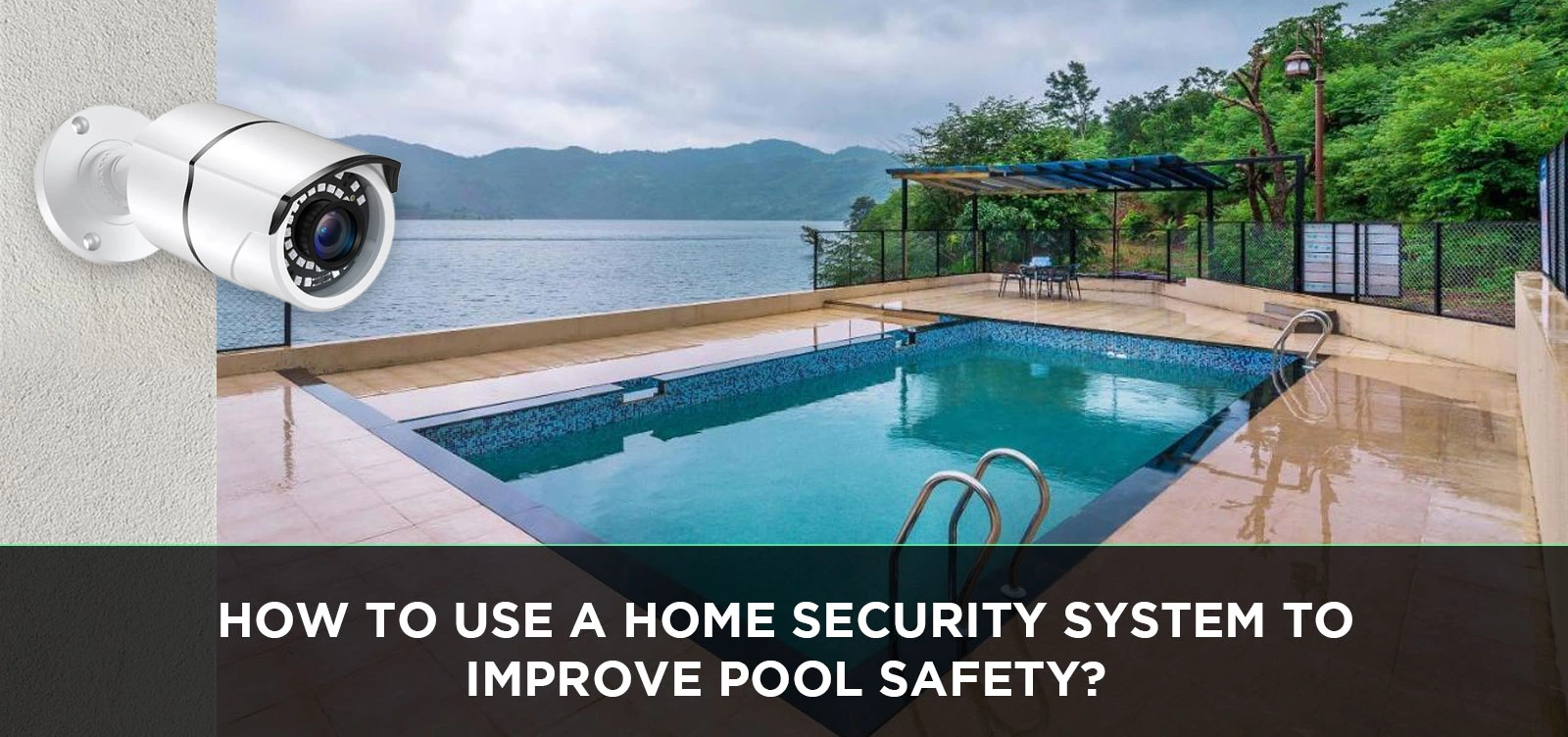
The Unseen Guardian: Leveraging Your Home Security System for Enhanced Pool Safety
Drowning remains a leading cause of accidental death for young children, with pools presenting a significant risk. While fences and alarms are crucial, integrating your existing home security system offers a powerful, often overlooked layer of protection. This guide explores how to harness your security technology to create a safer aquatic environment for your family and guests, turning your system into an active guardian around your pool area.
Understanding the Risks: Why Pool Safety is Paramount
The allure of a backyard pool is undeniable, offering recreation, relaxation, and family fun. However, this inviting oasis also presents inherent dangers, particularly for vulnerable individuals like young children and pets. The statistics surrounding pool-related accidents are sobering, underscoring the critical need for robust safety measures. In 2025, the Centers for Disease Control and Prevention (CDC) reported that drowning is the leading cause of unintentional injury-related death for children aged 1 to 4 years. For children aged 1 to 14, drowning accounts for a significant percentage of accidental deaths, with pools and hot tubs being the most common locations.
The Silent Threat: Unsupervised Access
One of the most prevalent factors contributing to pool accidents is unsupervised access. Children, driven by curiosity, can easily wander into a backyard and approach a pool without adult supervision. Even a few moments of inattention can have tragic consequences. The speed at which a drowning incident can occur is alarming; it can take less than a minute for a child to drown. This highlights the importance of constant vigilance and physical barriers.
Beyond Drowning: Other Pool-Related Hazards
While drowning is the primary concern, pools present other risks:
- Slips and Falls: Wet pool decks are notoriously slippery, leading to falls that can result in serious injuries, including head trauma and broken bones.
- Diving Accidents: Improper use of diving boards or shallow water can lead to severe spinal cord injuries.
- Electrocution: Faulty electrical equipment near the pool area can pose a serious electrocution risk.
- Entrapment: In older pools, drain covers can become dislodged, posing a risk of entrapment for swimmers.
Vulnerable Populations
Young children (under 5 years old) are at the highest risk due to their lack of swimming skills and impulsivity. However, older children, teenagers, and even adults can be at risk due to factors like alcohol consumption, lack of swimming ability, or medical emergencies. Pets, too, can fall into pools and struggle to get out.
The Role of Layers of Protection
Effective pool safety relies on a multi-layered approach, often referred to as "layers of protection." This concept emphasizes that no single safety measure is foolproof. Instead, multiple barriers and strategies work together to minimize risk. These layers typically include:
- Physical Barriers: Fences, pool covers, and self-closing gates are essential to prevent unsupervised access.
- Alarms: Pool alarms that detect water disturbance or gate alarms that alert when a gate is opened are vital.
- Supervision: Constant, attentive adult supervision is non-negotiable when the pool is in use.
- Swimming Skills: Teaching children to swim is a crucial life skill.
- Emergency Preparedness: Having rescue equipment readily available and knowing CPR are critical.
This guide focuses on how a modern home security system can be integrated into this layered approach, acting as an intelligent guardian to bolster existing safety measures.
How Home Security Systems Enhance Pool Safety
Modern home security systems offer a sophisticated suite of tools that can be strategically deployed to significantly enhance pool safety. Beyond their traditional role of deterring intruders, these systems can provide real-time alerts, continuous monitoring, and remote access, creating a dynamic safety net around your aquatic area. The key lies in understanding the components of a security system and how they can be repurposed or augmented for pool safety.
Motion Detection: The First Line of Defense
Most home security systems come equipped with motion sensors. These can be strategically placed around the perimeter of your pool area, on fences, or near pool gates.
- Perimeter Monitoring: Placing motion sensors along the fence line of your backyard that encloses the pool can alert you if someone or something crosses into the yard, especially during off-hours.
- Gate Alerts: Motion sensors can be paired with gate sensors. If a gate is opened, it triggers an immediate alert. When combined with a motion sensor, it can confirm if someone has entered the pool area.
- False Alarm Reduction: Advanced motion sensors often feature pet immunity, which helps prevent false alarms from your pets. For pool safety, this is crucial to avoid unnecessary notifications when your dog wanders near the pool.
Example: Imagine a child waking up in the middle of the night and attempting to go to the pool. A motion sensor placed strategically near the pool gate would detect their movement and send an immediate alert to your smartphone or the main security panel, allowing you to intervene before they reach the water.
Surveillance Cameras: Visual Vigilance
High-definition surveillance cameras are invaluable for pool safety. They provide visual confirmation of events and can deter potential trespassers.
- Continuous Monitoring: Cameras can provide a live feed of your pool area, accessible via your smartphone or tablet. This allows you to check on the pool's status at any time, even when you're away from home.
- Deterrence: Visible cameras can act as a significant deterrent to unauthorized access.
- Event Recording: In the event of an incident, recorded footage can be crucial for understanding what happened.
- Integration with Motion Alerts: Many systems allow cameras to be triggered by motion sensors, automatically recording and alerting you when activity is detected in specific zones.
Example: If a motion sensor near the pool triggers an alert, your security system can be configured to start recording from a nearby camera simultaneously. You can then view the live feed to see if it's a false alarm or if there's a genuine concern, such as a child or pet near the water.
Door and Window Sensors: Securing Access Points
While typically used for home entry points, door and window sensors can be repurposed to monitor access to the pool area.
- Gate Monitoring: Sensors on pool gates are a fundamental component. They signal when a gate is opened, which is a critical breach of pool safety protocols.
- Access to Pool House/Equipment: If you have a pool house or shed containing chemicals or equipment, sensors on these doors can alert you to unauthorized access.
Example: A family with young children might install a sensor on the gate leading to the backyard pool. If the gate is opened, the system immediately sends an alert to the parents' phones, even if they are inside the house and cannot see the gate directly.
Smart Home Integration: A Connected Ecosystem
The true power of using a home security system for pool safety lies in its ability to integrate with other smart home devices.
- Smart Lighting: Motion detection can trigger outdoor pool lights, increasing visibility and deterring nighttime access.
- Smart Locks: If your pool gate has a smart lock, it can be integrated to automatically lock at certain times or upon detection of unauthorized activity.
- Voice Assistants: While not directly a safety feature, voice assistants can be used to arm/disarm certain zones or check camera feeds, adding convenience.
Example: At dusk, your security system can automatically arm the pool area sensors and activate landscape lighting around the pool. If any sensor is triggered after dark, not only do you receive an alert, but the pool lights can also flash or become brighter, potentially startling an intruder or drawing attention to the situation.
Professional Monitoring: An Extra Layer of Assurance
For those with professionally monitored systems, pool-related alerts can be routed to the monitoring center.
- Immediate Response: If a critical alert is triggered (e.g., a gate opened and motion detected), the monitoring center can contact you and, if necessary, dispatch emergency services.
- 24/7 Oversight: This provides constant vigilance, even when you are asleep or unable to respond to alerts yourself.
Example: A family subscribes to a professional monitoring service. If a sensor detects the pool gate opening late at night, the monitoring center is alerted. They will attempt to contact the homeowner. If they cannot reach the homeowner or deem the situation urgent, they can dispatch local authorities.
Choosing the Right Home Security System for Pool Safety
Selecting a home security system that effectively enhances pool safety requires careful consideration of your specific needs, the layout of your property, and the features offered by different systems. Not all security systems are created equal, and some are better suited for outdoor monitoring and integration with pool safety measures than others.
Key Features to Look For
When evaluating security systems for pool safety, prioritize the following features:
- Outdoor-Rated Sensors: Standard indoor sensors may not withstand the elements. Look for sensors specifically designed for outdoor use, which are weather-resistant and durable.
- Wireless Connectivity: Wireless systems offer greater flexibility in placement and are easier to install, especially around larger yards and pools where running wires can be challenging. Ensure the wireless signal is robust enough to reach all desired sensor locations.
- Motion Detection Capabilities: Opt for systems with advanced motion detectors that offer adjustable sensitivity and pet immunity to minimize false alarms. Consider PIR (Passive Infrared) or dual-technology sensors for better accuracy.
- Camera Integration: The ability to integrate high-definition IP cameras is crucial. Look for systems that support multiple cameras, offer good night vision, and have features like motion-triggered recording and remote viewing.
- Mobile App and Remote Access: A user-friendly mobile app is essential for receiving alerts, viewing camera feeds, and controlling your system from anywhere.
- Customizable Alerts: The system should allow you to set up specific alert zones and notification preferences, so you only receive relevant warnings.
- Professional Monitoring Option: While DIY systems offer cost savings, professional monitoring provides an added layer of security and peace of mind, especially for critical safety concerns like pool access.
- Smart Home Compatibility: If you plan to integrate with smart lighting or other devices, ensure the security system is compatible with platforms like Z-Wave, Zigbee, or specific ecosystems like Apple HomeKit, Google Home, or Amazon Alexa.
DIY vs. Professionally Installed Systems
The choice between a DIY (Do-It-Yourself) and a professionally installed system often comes down to budget, technical skill, and desired level of support.
DIY Systems
Pros:
- Cost-Effective: Generally lower upfront costs and no monthly installation fees.
- Flexibility: You can customize the system and add components as needed.
- Ease of Installation: Many modern DIY systems are designed for simple setup.
Cons:
- Self-Monitoring: You are responsible for monitoring alerts and responding to them.
- Technical Skill Required: May require some basic technical knowledge for setup and troubleshooting.
- Potential for Installation Errors: Incorrect placement or setup can lead to reduced effectiveness.
Examples: Ring Alarm Pro, SimpliSafe, Abode. These systems often offer a range of sensors and cameras that can be adapted for pool areas.
Professionally Installed Systems
Pros:
- Expert Installation: Technicians ensure optimal placement and functionality.
- Professional Monitoring: 24/7 oversight and dispatch services.
- Integrated Solutions: Often offer more robust and integrated smart home capabilities.
- Warranty and Support: Typically come with comprehensive warranties and ongoing technical support.
Cons:
- Higher Upfront Costs: Installation fees and potentially higher equipment costs.
- Monthly Fees: Professional monitoring usually requires a monthly subscription.
- Less Flexibility: Customization options might be more limited compared to DIY.
Examples:Vivintng> ADT, Vivint, Brinks Home Security. These providers specialize in comprehensive security solutions that can be tailored for outdoor and pool safety.
Budget Considerations
The cost of a home security system can vary significantly. For pool safety, you'll likely need to invest in:
- Base Station/Hub: The central control unit.
- Motion Sensors: For perimeter and area monitoring.
- Door/Gate Sensors: For access points.
- Outdoor Cameras: For visual monitoring.
- Optional: Glass break sensors (if pool area has windows), flood sensors (if near a water source that could cause damage).
DIY systems can range from $200-$600 for a basic starter kit, with additional sensors and cameras costing $30-$200 each. Professionally installed systems can start from $500-$1000 for installation and equipment, with monthly monitoring fees typically ranging from $30-$60.
Compatibility and Future-Proofing
Consider systems that are expandable and compatible with emerging smart home technologies. This ensures your investment remains relevant and can grow with your needs. Look for systems that support common communication protocols like Wi-Fi, Z-Wave, or Zigbee, which allow for integration with a wide range of smart devices.
Assessing Your Property Layout
Before choosing a system, walk your property and identify:
- Access Points: All gates, doors leading to the pool area.
- Blind Spots: Areas not visible from the house.
- Power Sources: For cameras or any wired components.
- Wireless Signal Strength: Test Wi-Fi or proprietary signals in all intended sensor locations.
By carefully evaluating these factors, you can select a home security system that not only protects your home but also acts as a vigilant guardian for your pool.
Integrating Technology for Optimal Pool Safety Protection
Once you've chosen a suitable home security system, the next crucial step is to integrate its various components strategically to create a robust pool safety network. This involves more than just placing sensors randomly; it requires a thoughtful approach to sensor placement, camera angles, and system configuration to maximize effectiveness and minimize false alarms.
Strategic Sensor Placement
The effectiveness of your security system hinges on where you place your sensors. For pool safety, focus on critical entry points and the immediate vicinity of the water.
Gate Sensors
Placement: Install on every gate that provides access to the pool area. Ensure the sensor and its corresponding magnet are aligned correctly when the gate is closed.
Purpose: To detect when a gate is opened, signaling a potential breach of safety.
Motion Sensors (Outdoor)
Placement:
- Perimeter: Positioned along fences or walls bordering the pool area, angled to cover entry points and open spaces.
- Near Pool Deck: Placed strategically to cover the immediate vicinity of the pool, but angled away from the water's surface to avoid false alarms from wind or rain.
- Entryways to Pool Area: Near doors or gates leading directly to the pool.
Cameras (Outdoor Surveillance)
Placement:
- Overlooking the Pool: Mounted high enough to provide a clear, unobstructed view of the entire pool and deck.
- Covering Gates/Entrances: Positioned to capture anyone approaching or entering the pool area.
- Facing Away from Direct Sunlight: To avoid glare and ensure clear images, especially during the day.
Configuring Your System for Pool Alerts
Most modern security systems offer customizable settings that are vital for effective pool safety.
Creating Specific Zones
If your system allows, create a dedicated "Pool Zone" or "Backyard Zone." This allows you to arm or disarm this area independently of the rest of your house. For example, you might arm the pool zone at night but disarm it during the day when family members are using the pool.
Customizing Notifications
Set up specific alerts for your pool sensors. Instead of a generic "Sensor Triggered" notification, you can configure it to say "Pool Gate Opened" or "Motion Detected Near Pool." This immediate context helps you understand the urgency of the alert.
Linking Sensors and Cameras
This is a powerful feature. Configure your system so that when a gate sensor is triggered, a specific outdoor camera begins recording and sends you a notification with a snapshot or short video clip. This provides immediate visual context to the alert.
Setting Schedules
Utilize the scheduling features to automate your pool safety. For instance, you can schedule the pool zone to be armed automatically at sunset and disarmed at sunrise. This ensures continuous protection without manual intervention.
Leveraging Smart Home Integration
Beyond the security system itself, integrate other smart devices for enhanced safety.
Smart Lighting
Integration: Connect motion sensors to smart outdoor lights around the pool.
Functionality: When motion is detected in the pool area after dark, the lights can automatically turn on. This not only improves visibility for anyone present but can also startle potential intruders.
Smart Locks
Integration: If your pool gate has a smart lock, integrate it with your security system.
Functionality: The system can be programmed to ensure the gate automatically locks at a certain time or if unauthorized access is detected. You can also remotely lock or unlock the gate via the app.
Smart Plugs
Integration: Use smart plugs to control pool equipment.
Functionality: While not directly a safety feature, you can use smart plugs to ensure pool pumps or lights are turned off at scheduled times, preventing accidental operation or energy waste.
Testing and Maintenance
Regular testing and maintenance are critical to ensure your integrated system functions correctly.
- Weekly: Test all sensors and cameras by manually triggering them and verifying that you receive alerts and recordings.
- Monthly: Check camera lenses for dirt or obstructions. Ensure battery levels in wireless sensors are adequate (most systems will notify you of low batteries).
- Annually: Inspect outdoor sensors and cameras for weather damage or wear and tear.
By thoughtfully integrating your security technology, you transform it from a passive deterrent into an active, intelligent guardian for your pool, providing unparalleled peace of mind.
Implementation and Best Practices
Successfully implementing a home security system for pool safety involves more than just installing hardware; it requires a strategic approach to configuration, user education, and ongoing management. Adhering to best practices ensures your system is effective, reliable, and contributes positively to your family's safety.
Step-by-Step Implementation Guide
Follow these steps for a smooth and effective implementation:
- Plan Your Layout: Before purchasing or installing, map out your pool area. Identify all potential entry points, blind spots, and areas where motion detection would be most beneficial. Consider power sources for cameras.
- Install the Base Station/Hub: Place the central hub in a location with good Wi-Fi reception and power. Ensure it's not easily accessible to unauthorized individuals.
- Install Gate and Door Sensors: Mount these on all gates and doors leading to the pool area. Ensure proper alignment between the sensor and the magnet for reliable detection. Test each one thoroughly.
- Install Outdoor Motion Sensors: Position these according to your plan, considering coverage angles and avoiding direct sunlight or heat sources that could cause false alarms. Activate pet immunity if applicable.
- Mount Outdoor Cameras: Securely mount cameras in strategic locations, ensuring they have a clear view of the pool and entry points. Connect them to power and your network.
- Connect and Configure Devices: Use your security system's mobile app or web portal to add and configure each sensor and camera. Name them descriptively (e.g., "Backyard Gate Sensor," "Pool Deck Camera").
- Set Up Zones and Alerts: Create a dedicated "Pool Zone" if possible. Configure custom alerts for each sensor and link cameras to motion detection events.
- Integrate Smart Home Devices: Connect any smart lights, locks, or plugs that you intend to use in conjunction with your security system.
- Test the Entire System: Conduct comprehensive tests. Open gates, walk through motion sensor zones, and verify that all alerts are received promptly and accurately on your mobile device. Check camera feeds and recordings.
- Educate Household Members: Ensure everyone in your household understands how the system works, what the alerts mean, and what actions to take in case of an alarm.
Best Practices for Ongoing Management
Effective pool safety is not a one-time setup; it requires ongoing attention.
- Regular Testing: Conduct weekly or bi-weekly system tests to ensure all components are functioning correctly. This is crucial for critical safety systems.
- Keep Software Updated: Ensure your security system's firmware and mobile app are always up-to-date. Updates often include security patches and performance improvements.
- Monitor Battery Levels: For wireless sensors, regularly check battery status via the app and replace batteries proactively. Low batteries can lead to system failures.
- Clean Lenses and Sensors: Periodically clean camera lenses and ensure outdoor sensors are free from debris, dust, or cobwebs that could impair their function.
- Review and Adjust Settings: As seasons change or your family's needs evolve, review your system's settings. You may need to adjust motion sensor sensitivity or alert schedules.
- Maintain Physical Barriers: Your security system complements physical barriers, not replaces them. Ensure fences are in good repair, gates self-close and self-latch, and pool covers are used appropriately.
- Secure Your Wi-Fi Network: A strong, secure Wi-Fi network is essential for the reliable operation of wireless security devices. Use a strong password and consider a separate network for your IoT devices if possible.
- Have a Response Plan: Beyond receiving alerts, have a clear plan for what to do when an alert is triggered. This includes knowing who to contact and what steps to take.
Addressing False Alarms
False alarms can be frustrating and may lead to complacency. To minimize them:
- Proper Sensor Placement: Avoid placing motion sensors near heat sources, vents, or areas with significant air movement. Angle them away from direct sunlight.
- Utilize Pet Immunity: If you have pets, ensure this feature is correctly configured based on their size and weight.
- Adjust Sensitivity: Fine-tune motion sensor sensitivity settings through your system's app.
- Camera Verification: Use cameras to verify alerts. If a motion alert triggers a camera, review the footage before assuming a serious issue.
- Regular Maintenance: Dirty sensors or cameras can sometimes cause erratic behavior.
When to Consider Professional Monitoring
While DIY monitoring is feasible, professional monitoring offers significant advantages for pool safety:
- 24/7 Vigilance: A dedicated team monitors your system around the clock, ensuring a response even if you are unavailable.
- Faster Emergency Response: Monitoring centers are trained to quickly assess threats and dispatch emergency services.
- Reduced Risk of Complacency: You are less likely to ignore alerts when you know a professional is also monitoring the situation.
For families with young children or those who travel frequently, professional monitoring can provide invaluable peace of mind.
Legal and Ethical Considerations
Be aware of local regulations regarding pool fencing and safety. Also, when placing cameras, ensure they are not infringing on neighbors' privacy. Point cameras towards your property, not into adjacent yards.
By diligently implementing and managing your integrated security system, you create a powerful, multi-layered defense that significantly enhances the safety of your pool environment.
Advanced Strategies and Future Trends
The integration of home security systems with pool safety is an evolving field. As technology advances, new strategies and innovative solutions are emerging that offer even greater protection and convenience. Staying informed about these developments can help you maintain the highest level of safety for your aquatic environment.
AI-Powered Analytics for Enhanced Detection
Artificial Intelligence (AI) is revolutionizing security systems, moving beyond simple motion detection to sophisticated object and behavior recognition.
- Person Detection: AI algorithms can differentiate between people, animals, and vehicles, significantly reducing false alarms from passing cars or wildlife. For pool safety, this means alerts are more likely to be genuine threats or safety concerns.
- Fall Detection: Advanced AI can potentially detect falls, which could be critical in identifying someone who has fallen into the pool or slipped on the deck.
- Intrusion Analytics: AI can analyze patterns of movement to identify suspicious behavior, such as loitering near the pool area, even before a physical breach occurs.
- Facial Recognition (with privacy considerations): While controversial, some systems are exploring facial recognition to identify known individuals versus unknown trespassers, though privacy concerns are paramount here.
Future Outlook: Expect AI to become standard in higher-end security systems, offering more nuanced and accurate detection capabilities tailored for outdoor environments like pool areas.
Smart Water Sensors and Pool Monitoring
While not strictly part of a traditional home security system, smart water sensors can integrate with them to provide comprehensive pool safety.
- Water Level Sensors: These can alert you if the pool water level drops too low (indicating a leak) or rises too high (potential overflow issues).
- Chemical Sensors: Future integrations might include sensors that monitor water chemistry (pH, chlorine levels), ensuring the pool is safe for swimming from a health perspective.
- Pool Alarm Integration: Dedicated pool alarms that detect water surface disturbance can be integrated with security systems to trigger alerts on your primary app.
Integration Potential: Imagine a system that alerts you not only if someone enters the pool area but also if the pool's water chemistry is unbalanced or if there's a potential leak.
Drone Surveillance and Automation
While still in its nascent stages for residential use, drone technology offers intriguing possibilities.
- Automated Patrols: In the future, security systems might deploy small drones for automated patrols of larger properties, including the pool area, providing aerial surveillance.
- Rapid Response: Drones could be dispatched to a detected incident to provide real-time aerial views for emergency responders or homeowners.
Challenges: Regulatory hurdles, cost, and battery life are current limitations, but advancements are being made.
Enhanced Connectivity and IoT Ecosystems
The continued growth of the Internet of Things (IoT) means security systems will become even more interconnected.
- Cross-Platform Integration: Expect more seamless integration between different brands and platforms, allowing devices from various manufacturers to work together.
- Voice Control and Automation: Deeper integration with voice assistants will allow for more complex commands and automated routines related to pool safety. For example, "Hey Google, secure the pool area" could arm sensors, turn on lights, and check gate locks.
- Edge Computing: Processing data locally on devices (edge computing) rather than relying solely on the cloud can lead to faster response times and improved privacy.
Focus on User Experience and Accessibility
Future systems will prioritize intuitive interfaces and greater accessibility.
- Simplified Setup: Plug-and-play installations will become more common.
- Personalized Dashboards: Users will have highly customizable dashboards to view and control all their connected devices, including pool safety elements.
- Proactive Maintenance Alerts: Systems will become better at predicting potential issues (e.g., sensor degradation, connectivity problems) and alerting users before they impact performance.
The Role of Data Analytics and Machine Learning
Beyond real-time detection, machine learning algorithms can analyze historical data to identify trends and predict potential risks. This could help optimize sensor placement, refine alert parameters, and even suggest proactive safety measures based on your specific property and usage patterns.
Preparing for the Future
When choosing a current system, consider its potential for future upgrades and integrations. Look for systems that are regularly updated and have a roadmap for incorporating new technologies. Investing in a platform known for its adaptability will ensure your pool safety measures remain cutting-edge for years to come.
Conclusion
Enhancing pool safety is a critical responsibility for any homeowner with a swimming pool. While traditional safety measures like fences and supervision are indispensable, integrating your home security system offers a powerful, technologically advanced layer of protection. By strategically deploying sensors, cameras, and leveraging smart home capabilities, you can transform your security system into a vigilant guardian, providing real-time alerts and continuous monitoring of your pool area.
From understanding the inherent risks of pools to selecting the right system, configuring it for optimal performance, and maintaining it diligently, this guide has provided a comprehensive roadmap. Remember, the most effective pool safety relies on a multi-layered approach. Your security system, when thoughtfully implemented, acts as an intelligent extension of your vigilance, offering peace of mind whether you are home or away. Embrace these technologies to create a safer, more secure environment for your family and loved ones to enjoy your pool to its fullest.