How Do Home Security Systems Work
Understanding how home security systems work is crucial for safeguarding your property and loved ones. This comprehensive guide delves into the core components, technologies, and operational principles that keep your home protected, offering peace of mind in today's world.
What Are Home Security Systems?
Home security systems are integrated networks of devices designed to detect unauthorized entry, alert occupants and authorities, and deter potential intruders. They act as a vigilant guardian, providing a layered defense against theft, vandalism, and other threats, thereby enhancing the safety and security of your residence and its inhabitants. Understanding their fundamental workings is the first step toward a secure home environment.
Core Components of a Home Security System
A typical home security system is comprised of several interconnected components, each playing a vital role in its overall functionality. These components work in concert to detect, alert, and respond to potential security breaches. Let's break down each essential element:
Control Panel: The Brain
The control panel, often referred to as the hub or main panel, is the central processing unit of the entire security system. It receives signals from all connected sensors, interprets them, and then initiates the appropriate response, such as sounding an alarm or contacting a monitoring center. Modern control panels are increasingly sophisticated, often featuring touchscreens, voice control capabilities, and wireless connectivity for easier integration with smart home devices. They are typically powered by mains electricity but have a battery backup to ensure continuous operation during power outages. The programming and configuration of the system are managed through this panel, allowing users to set entry/exit delays, arm/disarm the system, and manage user codes.
Sensors: The Eyes and Ears
Sensors are the peripheral devices that detect specific events or conditions. They are strategically placed throughout the home to monitor entry points, interior spaces, and environmental hazards. Their variety and placement are key to a comprehensive security strategy.
Door and Window Sensors
These are perhaps the most common type of sensor. They consist of two parts: a magnet and a reed switch. When a door or window is closed, the magnet is close to the switch, completing a circuit. When the door or window is opened, the magnet is moved away, breaking the circuit. This change in the circuit signals the control panel that an entry point has been breached. These sensors are typically wireless, communicating their status to the control panel via radio frequency. For enhanced security, some systems offer dual-technology sensors that combine magnetic contact with vibration detection.
Motion Detectors
Motion detectors, also known as PIR (Passive Infrared) sensors, work by detecting changes in infrared energy. All living beings emit heat, and as they move, they create a change in the infrared signature within the sensor's field of view. When the system is armed and motion is detected in a monitored area, the sensor sends a signal to the control panel. Modern motion detectors often incorporate pet-immunity features, using advanced algorithms to differentiate between human movement and that of smaller animals, thereby reducing false alarms. Some advanced systems also utilize dual-technology motion detectors that combine PIR with microwave or ultrasonic technology for even greater accuracy and fewer false triggers.
Glass Break Sensors
These sensors are designed to detect the specific sound frequency or the shockwave produced when glass breaks. They are particularly useful for protecting windows that are not covered by door/window sensors, such as large picture windows or sliding glass doors. Glass break sensors use sophisticated acoustic analysis to distinguish the sound of breaking glass from other common household noises, minimizing the risk of false alarms. Some models can detect the impact and the shattering sound, providing a dual layer of detection.
Environmental Sensors
Beyond intrusion detection, many security systems can also monitor for environmental hazards. These include:
- Smoke Detectors: These are crucial for early fire detection, often integrated into the security system to trigger alarms and notify monitoring services even if the system is disarmed.
- Carbon Monoxide (CO) Detectors: CO is a colorless, odorless gas that can be deadly. CO detectors alert occupants to its presence, providing vital time for evacuation.
- Water Leak Detectors: Placed near water heaters, washing machines, or in basements, these sensors can detect leaks and prevent significant water damage.
- Temperature Sensors: These can alert homeowners to extreme temperature fluctuations that might indicate a malfunctioning HVAC system or a potential freezing issue in pipes.
Keypads and Remotes: User Interface
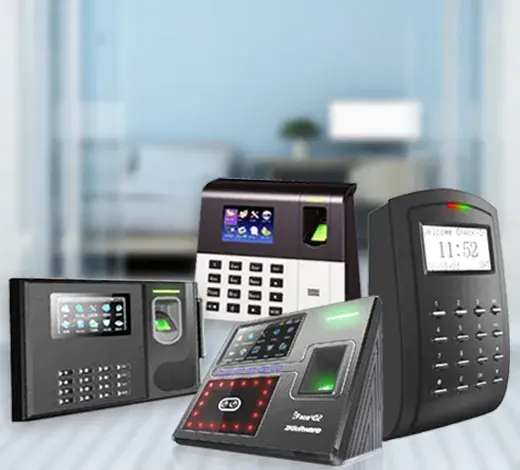
Keypads are the primary interface for users to interact with the security system. They are typically mounted near entry points and allow users to arm and disarm the system using a unique PIN code. Modern keypads often feature backlit buttons, status indicators, and even small LCD screens for displaying system information. Key fobs or remote controls offer a convenient way to arm and disarm the system from a distance, often with a range of 50-100 feet. Some advanced systems also offer mobile apps that function as virtual keypads, allowing remote control and monitoring from smartphones and tablets.
Alarms and Sirens: The Deterrent
When a sensor detects an intrusion or hazard, the control panel activates the alarm. This typically involves a loud siren, which serves as an immediate deterrent to intruders and alerts occupants and neighbors to the situation. Sirens can be internal, external, or both. External sirens are particularly effective in deterring burglars and attracting attention from the community. The volume and duration of the alarm are usually configurable through the control panel. Some systems also include strobe lights that flash in conjunction with the siren, further enhancing visibility and attracting attention.
Cameras: Visual Surveillance
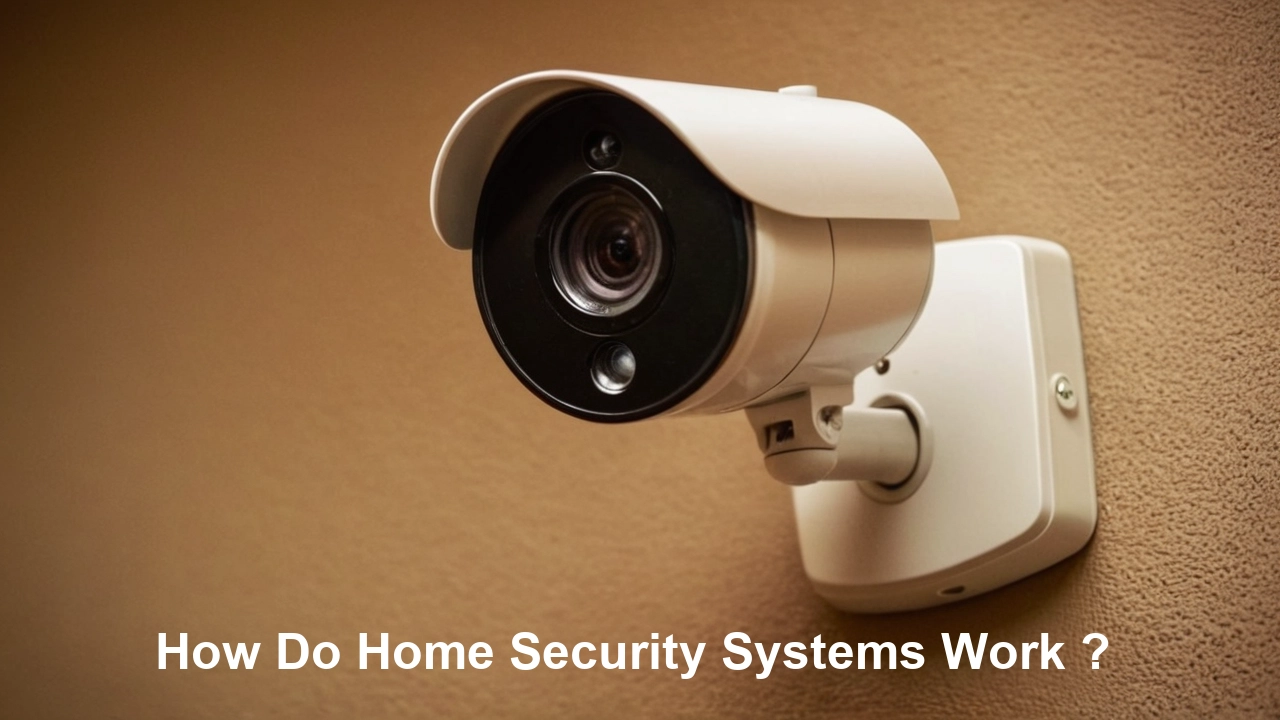
Modern home security systems often integrate video surveillance capabilities. These cameras can be placed indoors or outdoors to provide visual confirmation of events. They can record footage continuously, on motion detection, or when an alarm is triggered. High-definition cameras with night vision, wide-angle lenses, and two-way audio are increasingly common. The recorded footage can be stored locally on an SD card or hard drive, or uploaded to the cloud for remote access and safekeeping. This visual evidence is invaluable for identifying intruders and for insurance purposes. For a deeper dive into camera options, consider exploring Advanced Technologies in Home Security (2025-26).
Communication Modules: Staying Connected
This is a critical component that allows the security system to communicate with the outside world. When an alarm is triggered, the control panel uses its communication module to send a signal. Common communication methods include:
- Landline Telephone: The traditional method, where the system dials a pre-programmed phone number (e.g., a monitoring center) using the existing phone line. This is the least secure method as it can be cut by intruders.
- Cellular/GSM: A dedicated cellular module uses a mobile network to transmit signals. This is more secure than landlines as it cannot be easily disabled.
- Internet Protocol (IP): The system connects to the internet via a broadband connection (Ethernet or Wi-Fi) to send signals to a monitoring center or directly to the homeowner's smartphone.
- Dual-Path Communication: Many modern systems use a combination of these methods (e.g., cellular and IP) to ensure a reliable connection even if one path fails. This is considered the most secure option.
How Home Security Systems Operate
The operation of a home security system follows a logical sequence of events, from user interaction to potential alarm activation and response. Understanding this process demystifies how these systems provide protection.
Arming and Disarming
The system is typically armed by entering a unique PIN code on the keypad, using a key fob, or via a mobile app. There are usually different arming modes:
- Stay Mode: This mode arms the perimeter sensors (doors and windows) but leaves interior motion detectors disarmed. This allows occupants to move freely within the house while still protecting against external breaches.
- Away Mode: This mode arms all sensors, including perimeter and interior motion detectors. It is designed for when the house is empty.
Triggering an Alarm
An alarm is triggered when a sensor detects a breach while the system is armed. For example:
- If the system is in "Stay" mode and a door or window sensor is tripped, the alarm will sound after the entry delay.
- If the system is in "Away" mode and a motion detector senses movement or a door/window sensor is tripped, the alarm will sound immediately or after the entry delay, depending on the specific sensor and system configuration.
- If a smoke or CO detector senses a hazard, it will trigger the alarm regardless of the arming status.
Response Protocols
The response to an alarm depends on the type of monitoring the system has.
- Professionally Monitored Systems: When the control panel sends an alarm signal, a central monitoring station receives it. Trained operators will then follow a specific protocol, which usually involves:
- Attempting to contact the homeowner to verify the alarm (often using a unique verbal passphrase).
- If the alarm is confirmed or if the homeowner cannot be reached, the monitoring station will dispatch the appropriate authorities (police, fire department).
- They may also contact a list of emergency contacts provided by the homeowner.
- Self-Monitored Systems: In this scenario, the system sends alerts directly to the homeowner's smartphone or other designated devices. The homeowner is then responsible for assessing the situation and contacting emergency services themselves. This requires the homeowner to be readily available and able to respond quickly.
Types of Home Security Systems
The landscape of home security offers various systems tailored to different needs and budgets. The primary distinction lies in how the system's alerts are handled.
Professionally Monitored Systems
These systems are connected to a 24/7 professional monitoring center. When an alarm is triggered, the monitoring center receives the signal and dispatches emergency services. This offers a high level of security and peace of mind, as trained professionals are always on duty. While generally more expensive due to monthly monitoring fees, they provide a crucial layer of security, especially for those who travel frequently or want the assurance of immediate professional response. In 2025, the market for professionally monitored systems continues to grow, with an emphasis on integrated smart home features and faster response times.
Self-Monitored Systems
With self-monitored systems, the homeowner receives alerts directly to their smartphone or other devices when an alarm is triggered. There is no monthly fee for monitoring, making them a more budget-friendly option. However, the responsibility of assessing the situation and contacting emergency services falls entirely on the homeowner. This requires constant connectivity and the homeowner's immediate availability. These systems are popular among tech-savvy individuals who prefer more control and are comfortable managing their own security. The rise of advanced mobile apps and AI-powered alerts in 2025 is making self-monitoring increasingly sophisticated.
DIY vs. Professional Installation
Home security systems can be broadly categorized by their installation method:
- Professionally Installed Systems: These systems are typically installed by certified technicians who ensure proper placement of all components, system configuration, and user training. This often comes with higher upfront costs but guarantees correct installation and optimal performance. Companies like ADT and Vivint are well-known for this model.
- DIY (Do-It-Yourself) Systems: These systems are designed for easy installation by the homeowner. Components are often wireless and come with clear instructions or app-guided setup processes. Companies like SimpliSafe and Ring offer popular DIY options. These systems offer flexibility and cost savings on installation but require the homeowner to have some technical aptitude.
Advanced Technologies in Home Security (2025-26)
The field of home security is constantly evolving, with new technologies enhancing functionality, convenience, and effectiveness. Here's a look at key advancements shaping the market in 2025-26.
Smart Home Integration
One of the most significant trends is the seamless integration of security systems with other smart home devices. This allows for interconnected automation and enhanced control. For example:
- Smart Lighting: When an alarm is triggered, smart lights can automatically turn on to deter intruders or illuminate escape routes.
- Smart Locks: Security systems can integrate with smart locks, allowing for remote locking/unlocking and automatic locking when the system is armed.
- Voice Assistants: Systems can be controlled via voice commands through platforms like Amazon Alexa or Google Assistant, enabling users to arm/disarm the system, check status, or even view camera feeds using their voice.
- Smart Thermostats and Appliances: While less direct, integration with these devices can contribute to overall home automation and energy efficiency, often managed through a central smart home hub that also controls security.
AI and Machine Learning
Artificial intelligence (AI) and machine learning (ML) are revolutionizing how security systems detect and respond to threats. These technologies enable systems to:
- Improve False Alarm Reduction: AI algorithms can analyze sensor data more intelligently, distinguishing between genuine threats and common false alarms (e.g., pets, environmental changes). This leads to fewer unnecessary dispatches and increased reliability.
- Facial Recognition: Advanced camera systems are incorporating facial recognition to identify known individuals (family, friends) versus unknown persons, allowing for more nuanced alerts.
- Behavioral Analysis: AI can learn typical patterns of activity around a home and flag unusual behavior, such as loitering or suspicious movements, even before a direct intrusion occurs.
- Predictive Maintenance: ML can monitor system performance and predict potential component failures, alerting users or technicians before a malfunction occurs.
Wireless Technologies
The reliance on wireless communication continues to grow, offering greater flexibility and ease of installation. Advancements in wireless protocols are leading to:
- Enhanced Range and Reliability: Newer wireless technologies offer longer ranges and greater resistance to interference, ensuring consistent communication between sensors and the control panel.
- Lower Power Consumption: Wireless sensors are becoming more energy-efficient, extending battery life and reducing the frequency of battery replacements.
- Secure Encryption: Wireless signals are increasingly protected with robust encryption to prevent jamming or unauthorized access.
- Mesh Networking: Some systems utilize mesh networking, where devices can relay signals for each other, extending the network's reach and creating a more robust wireless infrastructure.
Cloud Storage and Remote Access
Cloud-based solutions are transforming how security footage and system data are managed. Benefits include:
- Secure Offsite Storage: Video recordings and system logs are stored securely in the cloud, protecting them from physical damage or theft at the property.
- Remote Access: Users can access live camera feeds, review recorded footage, arm/disarm their system, and receive alerts from anywhere in the world via a smartphone app or web portal.
- Scalability: Cloud storage offers flexible plans, allowing users to increase storage capacity as needed without investing in expensive local hardware.
- Software Updates: Cloud connectivity enables seamless over-the-air software updates for the security system, ensuring it always has the latest features and security patches.
Choosing the Right System
Selecting the ideal home security system requires careful consideration of individual needs, budget, and desired features. A systematic approach ensures you invest in a solution that provides optimal protection and value.
Assessing Your Needs
Begin by evaluating your specific security concerns and the characteristics of your home. Ask yourself:
- What are my primary security concerns? (e.g., burglary, fire, medical emergencies, package theft)
- What is the size and layout of my home? (Number of entry points, floors, potential blind spots)
- Do I have pets? (This influences the type of motion detectors needed)
- What is my lifestyle? (Do I travel often? Am I frequently away from home?)
- What level of monitoring do I prefer? (Professional vs. Self-monitoring)
- Do I want smart home integration? (What other smart devices do I have or plan to get?)
Budget Considerations
Home security systems vary significantly in cost. Consider both upfront expenses and ongoing fees:
- Upfront Costs: This includes the price of the equipment (control panel, sensors, cameras) and installation fees (if applicable). DIY systems generally have lower upfront costs.
- Monthly Monitoring Fees: Professionally monitored systems typically have monthly fees ranging from $20 to $60+, depending on the provider and services included. Self-monitored systems usually have no ongoing monitoring fees, though some may offer optional cloud storage subscriptions.
- Installation Costs: Professional installation can add $100 to $500 or more, while DIY installation is free but requires your time.
- Add-on Costs: Additional sensors, cameras, or upgraded features will increase the overall cost.
Key Features to Look For
When comparing systems, prioritize these features:
- Reliable Communication: Cellular or dual-path (cellular + IP) communication is highly recommended for security and reliability.
- Comprehensive Sensor Coverage: Ensure adequate door/window sensors, motion detectors, and consider glass break sensors for vulnerable areas.
- High-Quality Cameras: If choosing a system with cameras, look for HD resolution, night vision, wide-angle lenses, and two-way audio.
- User-Friendly Interface: The system should be easy to arm, disarm, and manage, whether through a keypad, remote, or mobile app.
- Smart Home Compatibility: If smart home integration is important, ensure the system works with your preferred ecosystem (e.g., Alexa, Google Home).
- Battery Backup: Essential for maintaining operation during power outages.
- Professional Monitoring Options: If you opt for professional monitoring, research the reputation and response times of the monitoring center.
| Feature | Professionally Monitored | Self-Monitored |
|---|---|---|
| Monitoring | 24/7 professional response | Homeowner receives alerts |
| Monthly Fees | Yes (typically $20-$60+) | No (optional cloud storage fees) |
| Response Responsibility | Monitoring center dispatches authorities | Homeowner responsible for response |
| Ideal For | Peace of mind, frequent travelers | Budget-conscious, tech-savvy individuals |
Installation and Support
Consider the ease of installation. If opting for DIY, read reviews about the setup process. If choosing professional installation, research the installer's reputation and ensure they offer thorough training. Post-installation support is also crucial. Look for companies that offer responsive customer service, clear troubleshooting guides, and warranty information. For example, many providers in 2025 offer 24/7 customer support via phone, chat, and email, along with extensive online knowledge bases.
Statistics and Trends (2025-26)
The home security market is experiencing robust growth, driven by increasing awareness of safety concerns and the adoption of advanced technologies. Here are some key statistics and trends expected to shape the landscape in 2025-26:
- Market Growth: The global smart home security market is projected to reach over $60 billion by 2026, with a compound annual growth rate (CAGR) of approximately 15-20% from 2023-2026. This indicates a strong and sustained demand for home security solutions.
- Increased Adoption of Smart Home Integration: By 2025, over 70% of new home security system installations are expected to include some form of smart home integration, reflecting the desire for a connected and automated living environment.
- Prevalence of Wireless Systems: Wireless security systems are projected to account for over 85% of all new installations, driven by ease of setup, flexibility, and advancements in wireless technology.
- AI and IoT Dominance: Artificial Intelligence (AI) and the Internet of Things (IoT) will continue to be major drivers, with AI-powered analytics for threat detection and IoT connectivity for seamless device interaction becoming standard features.
- Rise of Video Doorbells and Outdoor Cameras: The demand for video doorbells and outdoor security cameras is expected to surge, driven by concerns about package theft and a desire for greater visibility around the property perimeter. Sales are anticipated to grow by 25% year-over-year.
- Focus on Cybersecurity: As systems become more connected, cybersecurity will remain a paramount concern. Manufacturers are investing heavily in robust encryption and secure network protocols to protect against hacking and data breaches.
- DIY Systems Continue to Grow: The DIY segment of the market is expected to maintain its strong growth trajectory, with an estimated 40% of new security system installations being DIY by 2026, thanks to user-friendly interfaces and competitive pricing.
- Professional Monitoring Remains Strong: Despite the rise of DIY, professionally monitored systems will continue to hold a significant market share, particularly among homeowners seeking comprehensive security and rapid emergency response.
Conclusion: Securing Your Peace of Mind
Understanding how home security systems work is fundamental to making informed decisions about protecting your home and loved ones. From the central control panel acting as the system's brain to the diverse array of sensors serving as its eyes and ears, each component plays a crucial role. Whether you opt for a professionally monitored system with round-the-clock oversight or a self-monitored setup offering greater control and cost savings, the core principles remain the same: detection, notification, and deterrence. The integration of advanced technologies like AI, smart home connectivity, and robust wireless communication in 2025-26 further enhances the effectiveness and convenience of these systems. By carefully assessing your needs, considering your budget, and prioritizing key features such as reliable communication and comprehensive coverage, you can select a system that provides the utmost security and, most importantly, invaluable peace of mind. Investing in a home security system is not just about protecting property; it's about safeguarding your family's well-being and creating a secure sanctuary.