Unlocking the secrets behind smart doorbell cameras reveals a sophisticated blend of technology. Discover how these devices capture video, detect motion, and communicate with you, enhancing home security and convenience like never before. This guide demystifies their inner workings.
Understanding the Basics: What is a Doorbell Camera?
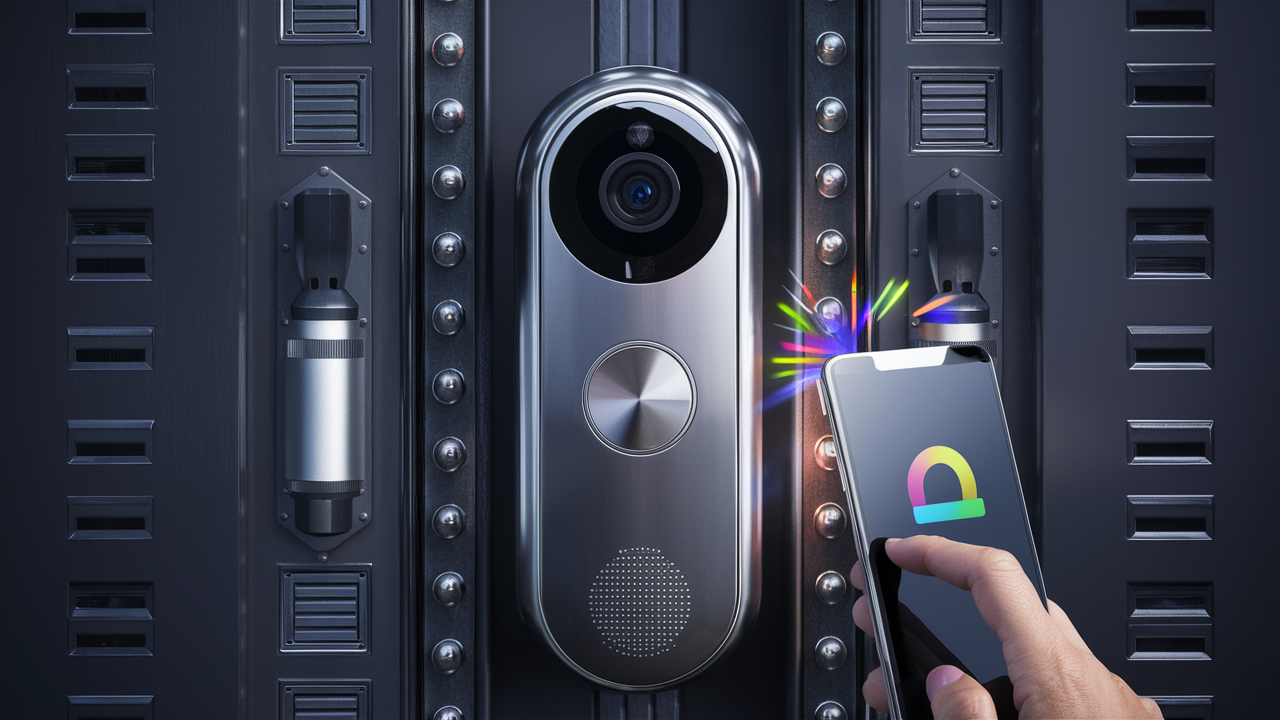
A doorbell camera, also known as a video doorbell, is a smart home device that combines a traditional doorbell with a video camera, microphone, and speaker. It connects to your home's Wi-Fi network, allowing you to see, hear, and speak to visitors at your door from anywhere via a smartphone or tablet. These devices have revolutionized home security and convenience, offering a proactive approach to monitoring your doorstep. They function by capturing video footage, detecting motion, and sending real-time alerts to your connected devices, providing a visual record of who approaches your home.
Key Components and How They Work Together
At its core, a doorbell camera is a miniature surveillance system designed for your front door. Its functionality relies on several interconnected components working in harmony. Understanding these parts is crucial to grasping how a doorbell camera works. From the lens that captures the image to the Wi-Fi chip that sends the data, each element plays a vital role in delivering the comprehensive security and communication features homeowners have come to expect.
The Camera Lens and Sensor
The primary component is the camera itself. This typically includes a wide-angle lens, allowing for a broad field of view to capture as much of the surrounding area as possible, minimizing blind spots. The lens directs light onto an image sensor, usually a CMOS (Complementary Metal-Oxide-Semiconductor) sensor. This sensor converts the light into electrical signals, which are then processed to create a digital image or video stream. The resolution of the sensor, measured in pixels (e.g., 1080p, 2K, 4K), directly impacts the clarity and detail of the footage. Higher resolutions provide sharper images, making it easier to identify individuals or details like license plates. Many modern doorbell cameras also feature infrared (IR) LEDs around the lens, enabling night vision capabilities. These LEDs emit infrared light, invisible to the human eye, which the sensor can detect, allowing the camera to capture clear black-and-white images even in complete darkness.
Motion Detection Technology
Motion detection is a cornerstone of doorbell camera functionality. It's what triggers the device to record and send alerts. There are several types of motion detection used:
- Passive Infrared (PIR) Sensors: These sensors detect changes in infrared radiation emitted by warm bodies, such as humans and animals. They are energy-efficient and good at distinguishing between people and inanimate objects that might cause false alarms (like swaying branches).
- Pixel-Based Motion Detection: This method analyzes changes in the video feed itself. The camera's software compares consecutive frames of video. If a significant number of pixels change their color or brightness, it's interpreted as motion. This can be more sensitive but may also be prone to false triggers from lighting changes or environmental factors.
- AI-Powered Detection: The most advanced systems utilize Artificial Intelligence (AI) to analyze the video feed. These systems can differentiate between various types of motion, such as people, vehicles, animals, and even specific events like packages being delivered. This significantly reduces false alerts and provides more relevant notifications. By 2025-26, AI-driven detection is becoming standard in mid-to-high-end models.
When motion is detected, the doorbell camera is programmed to initiate a recording and send a notification to the user's registered device.
Audio Capabilities
Beyond video, doorbell cameras are equipped with microphones and speakers. The microphone captures ambient sound at the doorstep, allowing users to hear if someone is speaking or if there are any noises. The speaker, often integrated with the doorbell button itself or a separate unit, enables two-way audio communication. This means that when a visitor presses the button or when motion is detected, the user can speak through their smartphone app, and their voice will be broadcast through the doorbell's speaker. This feature is invaluable for interacting with delivery drivers, solicitors, or unexpected guests without needing to open the door.
Connectivity: Wi-Fi and Power
For a doorbell camera to function, it needs a reliable connection to the internet and a power source. Most video doorbells connect to your home's Wi-Fi network (usually 2.4GHz for better range, though some support 5GHz for faster speeds). A strong Wi-Fi signal at your front door is essential for smooth video streaming and prompt notifications. The power source is a key differentiator between types of doorbells:
- Wired: These connect to your existing doorbell wiring, drawing power from your home's electrical system. This ensures continuous power and often supports higher-resolution video and more advanced features.
- Battery-Powered: These rely on rechargeable batteries. While offering easier installation, they require periodic recharging or battery replacement and may have limitations on recording duration or features to conserve power.
The power management system is sophisticated, especially in battery-powered models, to balance functionality with battery life. Advanced power-saving modes are common in 2025-26 models.
Processing and Storage
Once the camera captures video and audio, and motion is detected, the data needs to be processed and stored. A small, integrated processor within the doorbell handles initial data compression and formatting. For cloud-connected doorbells, this processed data is then uploaded via Wi-Fi to a cloud server. This cloud storage allows users to access recordings remotely. Some devices also offer local storage options, such as microSD card slots, as a backup or primary storage method. The efficiency of the processor and the speed of the internet connection directly impact the latency of alerts and the smoothness of live video feeds. Data security and encryption protocols are paramount in this stage, especially for cloud storage, to protect user privacy and prevent unauthorized access to footage.
The User Experience: How You Interact
The true power of a doorbell camera lies in its seamless integration into your daily life, providing convenience and enhanced security through intuitive interaction. The user experience is designed to be as straightforward as possible, allowing anyone to benefit from smart home surveillance. From receiving instant alerts to engaging in conversations with visitors, the technology aims to bridge the gap between your physical location and your front door, no matter where you are.
Receiving Alerts
The most immediate interaction a user has with their doorbell camera is through alerts. When the camera detects motion or the doorbell button is pressed, it sends a push notification to the user's smartphone or tablet via a dedicated mobile app. These alerts are typically instantaneous, ensuring you are immediately aware of activity at your door. Modern apps allow for customization of alert types and sensitivity levels, helping to reduce unnecessary notifications. For instance, you can choose to receive alerts only for human detection, or for all motion. Some systems even offer customizable "activity zones" within the camera's field of view, so you only get alerted if motion occurs in a specific area, like your porch or driveway.
Two-Way Audio Communication
Once an alert is received, or if you choose to check your doorbell feed proactively, you can initiate two-way audio communication. Tapping an option within the app activates the doorbell's speaker and microphone. This allows for a real-time conversation with the person at your door. This feature is incredibly useful for:
- Instructing delivery drivers: "Please leave the package behind the planter."
- Screening visitors: "Who is it?" before deciding whether to open the door.
- Deterring potential intruders: A disembodied voice from the doorbell can be an effective deterrent.
- Communicating with family: Letting a child know you're on your way home.
The quality of the audio, both incoming and outgoing, has improved significantly, with noise cancellation features becoming more common in 2025-26 models to ensure clear communication even in noisy environments.
Live View and Recorded Footage
The mobile app provides a live video feed from your doorbell camera at any time. This allows you to check on your property, see who is approaching, or simply observe activity. Beyond live viewing, doorbell cameras record footage. The recording can be triggered by motion detection or when the doorbell button is pressed. This recorded footage is typically stored either locally (on an SD card) or, more commonly, in the cloud. Users can then access these recordings through the app, reviewing events that have occurred. This is invaluable for identifying package thieves, documenting incidents, or simply recalling who visited your home. The ability to download or share specific clips is also a standard feature.
Integration with Smart Home Ecosystems
A significant aspect of the modern doorbell camera experience is its integration with broader smart home ecosystems. Many devices are compatible with platforms like Amazon Alexa, Google Assistant, and Apple HomeKit. This integration allows for:
- Voice commands: "Hey Google, show me the front door camera."
- Automated routines: For example, when the doorbell detects a person, it could trigger smart lights to turn on.
- Notifications on smart displays: Alerts and live feeds can appear on smart displays like the Google Nest Hub or Amazon Echo Show.
This interconnectedness enhances convenience and security, making the doorbell camera a central hub for front-door management and a key component of a comprehensive smart home security setup.
Installation and Setup: A Simplified Look
The installation process for doorbell cameras varies primarily based on whether they are wired or wireless. However, manufacturers strive to make the setup as user-friendly as possible. For most users, it involves a few key steps:
- Power Source: If it's a wired model, you'll need to turn off power at the breaker, remove your existing doorbell button, and connect the new doorbell's wires. For battery-powered models, ensure the battery is fully charged.
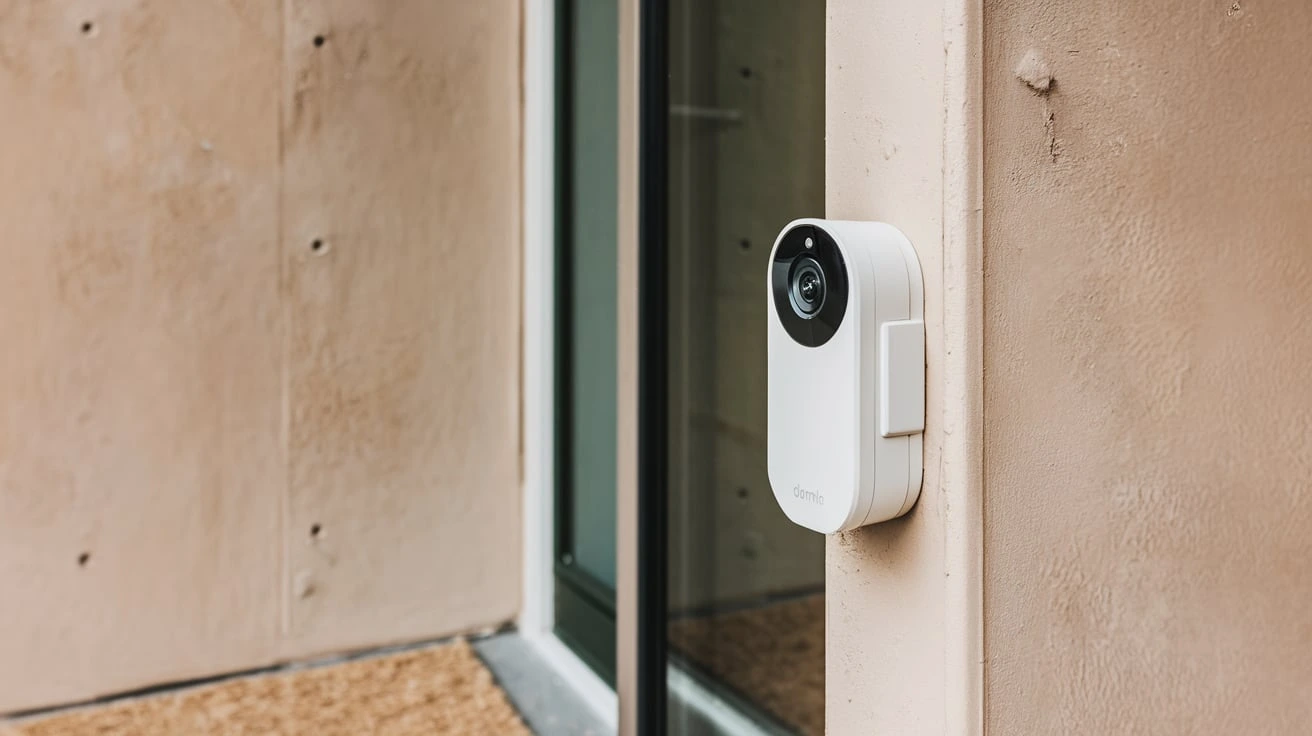
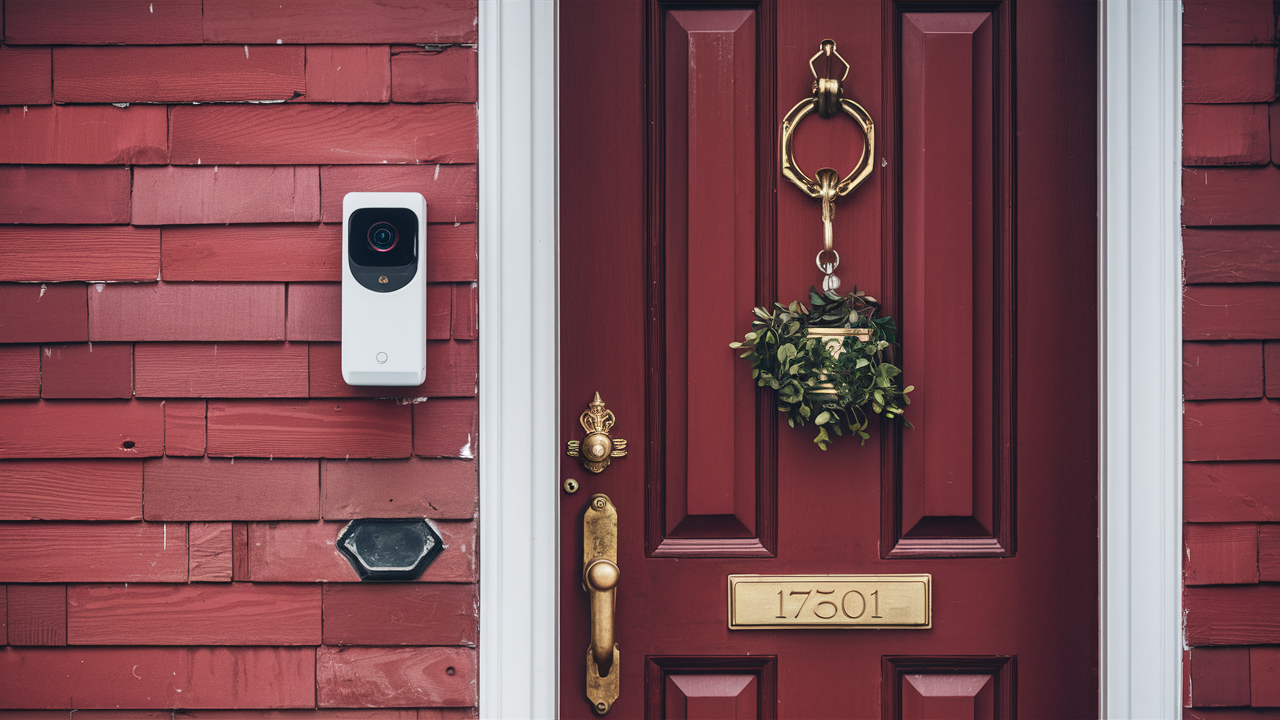
- Mounting: The doorbell camera comes with a mounting bracket. This is typically screwed into the wall beside your door. Some kits include angled wedges to help adjust the camera's field of view.
- Connecting to Wi-Fi: Once physically installed, you'll download the manufacturer's app on your smartphone. The app guides you through connecting the doorbell to your home's Wi-Fi network. This usually involves putting the doorbell into a pairing mode and entering your Wi-Fi credentials.
- Configuration: After connecting to Wi-Fi, you'll set up your account, name your device, and configure settings like motion detection sensitivity, notification preferences, and video quality.
While some users might opt for professional installation, especially for wired models, many find the DIY process manageable. The average setup time for a wireless doorbell is often under 30 minutes, while wired installations can take a bit longer, depending on familiarity with electrical work.
Types of Doorbell Cameras: Wired vs. Wireless
When considering a doorbell camera, one of the most significant decisions is whether to opt for a wired or a wireless model. Each type offers distinct advantages and disadvantages related to power, installation, features, and reliability. Understanding these differences is crucial for selecting the best fit for your home and needs.
Wired Doorbell Cameras
Wired doorbell cameras leverage your home's existing doorbell wiring. This means they draw continuous power from your electrical system, eliminating the need for battery charging. This constant power supply allows them to operate more robustly, often supporting higher-resolution video, more frequent recording, and advanced features without worrying about battery drain. Installation involves connecting the doorbell to the low-voltage wires that power your traditional doorbell chime. While this might require a bit more technical know-how than a wireless setup, it ensures uninterrupted operation and generally better performance. Many users prefer wired systems for their reliability and the absence of battery maintenance.
Wireless Doorbell Cameras
Wireless doorbell cameras offer unparalleled ease of installation and flexibility. They are powered by rechargeable batteries, meaning they can be mounted anywhere without needing to connect to existing wiring. This makes them ideal for renters or for homes where running new wires is impractical or undesirable. The setup typically involves charging the battery, mounting the bracket, and connecting the doorbell to your Wi-Fi network via a mobile app. The primary drawback is the need to recharge or replace batteries periodically, which can range from a few weeks to several months depending on usage and settings. Some wireless models also have limitations on video resolution or recording frequency to conserve battery life.
Comparison Table: Wired vs. Wireless
Here's a concise comparison to help you decide:
| Feature | Wired Doorbell Cameras | Wireless Doorbell Cameras |
|---|---|---|
| Power Source | Continuous from existing doorbell wiring | Rechargeable or replaceable batteries |
| Installation | Requires existing wiring; may need professional help | Easy, no wiring required; DIY friendly |
| Reliability | High; no battery concerns | Dependent on battery life; requires charging |
| Features | Often supports higher resolution, continuous recording, advanced features | May have limitations on recording duration/frequency to save battery |
| Cost | Initial cost can be similar, but avoids battery replacement costs | Initial cost can be lower, but ongoing battery costs/hassle |
| Ideal For | Homeowners with existing wiring, prioritizing reliability | Renters, easy installation needs, or homes without existing wiring |
Advanced Features and Innovations (2025-26)
The doorbell camera market is rapidly evolving, with manufacturers continuously pushing the boundaries of what these devices can do. By 2025-26, several advanced features are becoming standard or are gaining significant traction, enhancing their capabilities beyond basic motion detection and two-way talk. These innovations are driven by advancements in AI, sensor technology, and cloud computing, aiming to provide more intelligent, proactive, and secure home monitoring solutions.
AI-Powered Person Detection
One of the most impactful advancements is the widespread adoption of AI for person detection. Instead of simply alerting you to any movement, AI algorithms can analyze video feeds in real-time to distinguish between people, animals, vehicles, and general motion. This significantly reduces false alarms caused by swaying trees, passing cars, or pets. Users receive more relevant notifications, focusing their attention only on genuine human activity at their doorstep. This intelligent filtering makes the alerts much more actionable and less intrusive, improving the overall user experience and the perceived effectiveness of the security system.
Package Detection and Alerts
Package theft is a growing concern for many homeowners. In response, many advanced doorbell cameras now offer dedicated package detection features. Using AI and sophisticated image analysis, these cameras can identify when a package is placed at the doorstep and when it is removed. Users receive specific alerts for these events, often accompanied by a snapshot or short video clip. This allows homeowners to track deliveries more effectively and take action if a package is stolen. Some systems even integrate with delivery services to provide more detailed tracking information directly within the app, a feature gaining popularity in 2025-26.
Enhanced Night Vision Technologies
While basic infrared night vision has been a staple for years, newer models are incorporating more advanced technologies for improved low-light performance. This includes:
- Color Night Vision: Utilizing starlight sensors or advanced image processing, some cameras can now capture color video even in very low light conditions, providing more detail and better facial recognition than traditional black-and-white IR footage.
- Improved IR Range and Clarity: Higher-powered IR LEDs and better sensor sensitivity extend the effective range of night vision and reduce image noise, ensuring clearer footage throughout the night.
- HDR (High Dynamic Range) for Night: HDR processing helps to balance out bright and dark areas in the night vision feed, preventing glare from porch lights from obscuring details.
These enhancements ensure that the doorbell camera provides valuable footage around the clock, regardless of lighting conditions.
Cloud Storage and Data Security
Cloud storage has become the dominant method for storing recorded footage, offering convenience and accessibility. By 2025-26, cloud services are offering more robust features, including longer storage durations, higher resolution uploads, and advanced analytics. Crucially, there's a heightened focus on data security and privacy. Reputable manufacturers employ end-to-end encryption for video streams and stored footage, ensuring that only authorized users can access the recordings. Features like secure login protocols, two-factor authentication, and transparent data privacy policies are becoming increasingly important for consumers choosing a doorbell camera. Some providers are also exploring decentralized storage solutions for enhanced security and resilience.
Facial Recognition Capabilities
Facial recognition is one of the most cutting-edge features being integrated into premium doorbell cameras. By learning the faces of regular visitors (family members, friends, frequent delivery personnel), the camera can identify them and differentiate them from unknown individuals. This allows for more personalized alerts, such as "Sarah has arrived" or "Unknown person detected." While privacy concerns are significant and regulatory landscapes are still evolving, facial recognition offers a powerful layer of intelligence for home security. By 2025-26, this technology is becoming more refined and accessible in higher-end models, with options for users to manage their facial databases.
The Impact of Doorbell Cameras on Home Security
Doorbell cameras have moved beyond being a mere convenience to becoming a significant tool in modern home security strategies. Their omnipresence at the front door provides a constant watchful eye, deterring potential criminals and offering valuable evidence when incidents occur. The integration of smart technology has transformed how homeowners approach security, offering proactive solutions and greater peace of mind.
Deterring Crime: Statistics and Trends (2025-26)
The presence of a visible doorbell camera is a well-documented deterrent to crime. Studies and homeowner reports consistently indicate a reduction in burglaries and package thefts in homes equipped with these devices. By 2025-26, statistics from security firms and law enforcement agencies suggest that homes with visible video surveillance, including doorbell cameras, are approximately 30-50% less likely to be targeted by burglars. The visible branding and the knowledge that their actions are being recorded often cause potential offenders to seek easier targets. Furthermore, the ability to remotely monitor activity can lead to quicker response times from authorities if a suspicious event is detected.
Evidence Collection and Investigations
When crimes do occur, doorbell camera footage is an invaluable asset for law enforcement. Clear video recordings can help identify suspects, track their movements, and provide crucial evidence for prosecution. This is particularly true for incidents like package theft, vandalism, or even attempted break-ins. The high-definition video quality of modern doorbell cameras, combined with their wide field of view and night vision capabilities, ensures that even details like clothing, vehicle models, and facial features can be captured. This not only aids in solving crimes but also helps to bring perpetrators to justice, acting as a strong deterrent for future criminal activity.
Peace of Mind for Homeowners
Perhaps the most significant impact of doorbell cameras is the enhanced peace of mind they provide to homeowners. Knowing that you can see and speak to anyone at your door, whether you're at home or miles away, reduces anxiety. This is especially true for individuals who live alone, frequently travel, or have elderly family members. The ability to remotely monitor deliveries, screen visitors, and receive alerts about activity provides a constant sense of security. This proactive approach to home security allows residents to feel more in control and less vulnerable, transforming their relationship with their home's entryway.
Choosing the Right Doorbell Camera
Selecting the ideal doorbell camera involves considering several factors to ensure it meets your specific needs and integrates seamlessly with your home environment. Start by assessing your power options: do you have existing doorbell wiring (for wired models), or would a battery-powered unit be more practical? Consider the video quality you desire; resolutions like 1080p are standard, but 2K or 4K offer superior detail. Think about the features that are most important to you: AI-powered person detection, package detection, advanced night vision, or integration with your existing smart home ecosystem (like smart home ecosystems).
Storage is another key consideration: do you prefer cloud-based storage (often requiring a subscription) or local storage via an SD card? Review the app's user interface and features; a well-designed app enhances the overall experience. Finally, consider the brand's reputation for reliability, customer support, and data security. Reading reviews and comparing specifications for current 2025-26 models will help you make an informed decision.
Future Trends in Doorbell Camera Technology
The evolution of doorbell cameras is far from over. Looking ahead to the near future, we can anticipate several exciting trends that will further enhance their capabilities and integration into our lives. One major area of development will be in improved AI and machine learning, leading to even more sophisticated object and event recognition. This could include identifying specific types of vehicles, detecting unusual loitering patterns, or even analyzing ambient sounds for potential threats. Expect to see more advanced integration with drone technology for comprehensive property surveillance, though this remains a niche for now. Enhanced connectivity options, such as 5G integration, will promise faster response times and higher-quality video streams with lower latency. Furthermore, the focus on privacy and data security will continue to drive innovation, with more robust encryption methods and user-controlled data management features becoming standard. The trend towards seamless integration with other smart home devices will also continue, making doorbell cameras an even more integral part of a connected and secure living environment.
In conclusion, understanding how a doorbell camera works reveals a sophisticated interplay of hardware and software designed for modern security and convenience. From the lens capturing your visitor to the Wi-Fi transmitting alerts, each component plays a crucial role. The advancements in AI, package detection, and enhanced night vision available in 2025-26 models offer unparalleled insight and control over your home's entryway. Whether you choose a wired or wireless model, the benefits of deterring crime, collecting evidence, and gaining peace of mind are substantial. By carefully considering your needs and the available features, you can select a doorbell camera that significantly enhances your home's safety and your daily life.