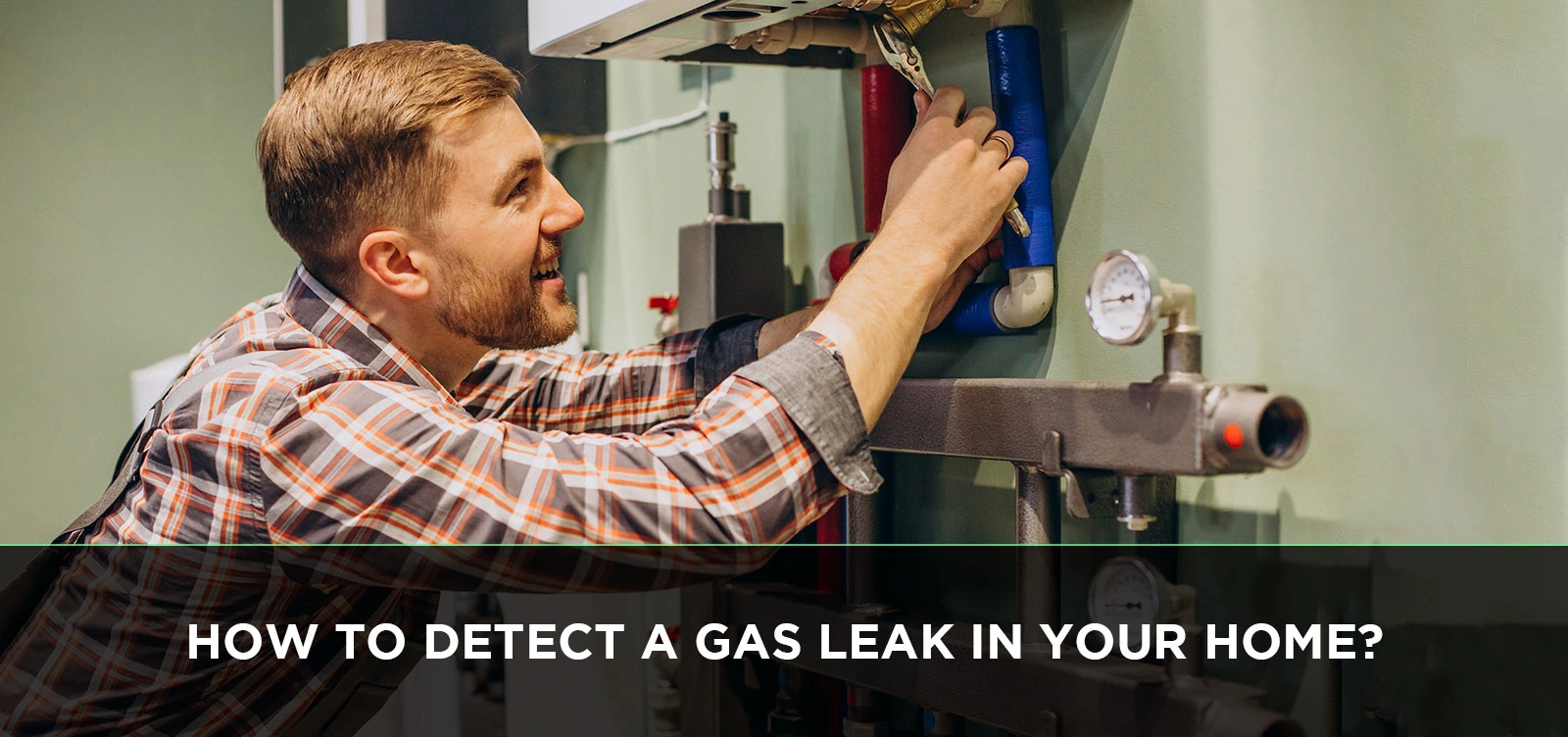
Detecting a gas leak promptly is crucial for home safety. This guide provides comprehensive, actionable steps to identify potential leaks, understand the risks, and know precisely what to do, ensuring your family's well-being.
Recognizing the Signs of a Gas Leak
The most critical aspect of gas leak detection is knowing what to look and listen for. Natural gas itself is odorless, colorless, and tasteless. To make leaks detectable, utility companies add a chemical compound called mercaptan, which has a distinct sulfurous or "rotten egg" smell. However, relying solely on smell isn't always sufficient, as other factors can affect its perception. Understanding a range of warning signs is paramount for effective home safety.
The Distinctive "Rotten Egg" Smell
This is the most commonly known indicator of a natural gas leak. Mercaptan is added to natural gas to give it this characteristic odor. If you suddenly detect this smell in or around your home, it's a strong signal that something is amiss. The intensity of the smell can vary depending on the size of the leak and air circulation. Even a faint smell should not be ignored.
Factors Affecting Smell Perception
It's important to note that not everyone can smell mercaptan, or their ability to detect it may diminish over time. This can be due to several reasons:
- Olfactory Fatigue: Prolonged exposure to the smell can desensitize your sense of smell, making it harder to detect.
- Underlying Health Conditions: Certain medical conditions, like a severe cold or sinus infection, can temporarily impair your sense of smell.
- Age: The ability to smell can decrease with age.
- Contamination: Other household odors can mask the smell of mercaptan.
Therefore, if you suspect a leak but can't smell it, or if others in your household can't smell it but you can, it's still essential to investigate further.
Physical Symptoms
Exposure to natural gas can cause a range of physical symptoms in humans and pets. These symptoms are often a result of oxygen displacement or the direct effects of gas components.
- Headaches: A persistent or severe headache can be an early sign.
- Nausea and Vomiting: Feeling sick to your stomach or actually vomiting can indicate gas exposure.
- Dizziness and Lightheadedness: A feeling of being unsteady or faint.
- Fatigue: Unusual tiredness or weakness.
- Irritated Eyes, Nose, or Throat: A burning or stinging sensation.
- Difficulty Breathing: Especially for individuals with respiratory conditions.
- Flu-like Symptoms: Symptoms that mimic the flu but are not accompanied by fever can sometimes be gas-related.
If multiple people in your household experience these symptoms simultaneously, especially if they improve when you leave the house, it's a significant red flag.
Unexplained Changes in Utility Bills
While not a direct sign of a leak, a sudden and unexplained increase in your natural gas bill can sometimes point to an inefficient appliance or, in some cases, a leak that is slowly but steadily consuming gas. This is more of a secondary indicator, but it's worth considering if other signs are present.
Common Gas Types and Their Smells
In residential settings, the most common gas is natural gas, primarily composed of methane. However, other gases might be present or used, and understanding their potential smells is beneficial.
Natural Gas (Methane)
As mentioned, natural gas is odorless in its pure form. The "rotten egg" smell is due to the additive, ethyl mercaptan. This additive is designed to be easily detectable at concentrations far below the lower explosive limit (LEL), which is the minimum concentration of a gas in air that will burn or explode. For natural gas, the LEL is typically around 5% in air. The mercaptan is added at levels that are detectable at much lower concentrations, often parts per million.
Propane (Liquefied Petroleum Gas - LPG)
Propane, often used in areas not serviced by natural gas lines, also has mercaptan added for odorization. Its smell is very similar to that of natural gas – a strong, pungent, sulfurous odor. Propane is heavier than air and can accumulate in low-lying areas, posing a significant fire and explosion risk. The LEL for propane is around 2.1% to 2.4% in air.
Carbon Monoxide (CO)
It's crucial to differentiate between natural gas leaks and carbon monoxide poisoning. Carbon monoxide is a byproduct of incomplete combustion of fuels like natural gas, propane, wood, and oil. Unlike natural gas or propane, pure carbon monoxide is an odorless, colorless, and tasteless gas. This makes it incredibly dangerous, as there are no immediate sensory warnings.
Symptoms of CO poisoning are similar to those of natural gas exposure: headaches, dizziness, nausea, fatigue, and confusion. However, the absence of a smell means that CO leaks are undetectable by human senses alone. This is why carbon monoxide detectors are as vital as smoke detectors in any home. If you suspect a CO issue, it's often related to malfunctioning appliances like furnaces, water heaters, or fireplaces.
Other Potential Gases
While less common in typical residential leaks, other gases can pose risks. For instance, sewer gas can sometimes be mistaken for a gas leak. Sewer gas is a mixture of gases produced by the decomposition of organic matter in sewage and can have a variety of unpleasant odors, including rotten eggs, ammonia, or sewage. If the smell is localized to drains or plumbing fixtures, it's more likely to be sewer gas, which can still indicate plumbing issues but is not typically an explosion hazard in the same way as natural gas.
In rare industrial or specific appliance scenarios, other gases might be present, but for most homeowners, the primary concerns are natural gas, propane, and carbon monoxide.
Visual and Auditory Cues
Beyond smell and physical symptoms, certain visual and auditory indicators can signal a gas leak. These are often related to the pressure of the escaping gas or its interaction with the environment.
Hissing or Whistling Sounds
Escaping gas under pressure can create distinct sounds. If you hear a continuous hissing or whistling noise coming from a gas appliance, a gas line, or near a meter, it's a strong indication of a leak. The sound is similar to air escaping from a punctured tire, but it will be emanating from a gas source.
- Appliance Connections: Check the flexible hoses connecting your stove, dryer, or other gas appliances to the gas line.
- Gas Meter: Listen carefully around your gas meter, especially where the pipe enters your home.
- Pipes and Valves: Any visible gas pipes or valves in your basement, crawl space, or utility areas could be a source.
These sounds are often more noticeable in quiet environments.
Bubbles in Water
If you suspect a leak in an underground gas line, you might observe unusual bubbling in puddles or standing water near where the line is buried. This is because the escaping gas forces its way through the soil and into any available water. This is a less common, but definitive, sign of a significant leak.
Dead Vegetation
Similar to bubbling water, dead or dying patches of grass or plants in an otherwise healthy lawn can indicate a gas leak in an underground line. Natural gas can deplete oxygen in the soil and damage plant roots. This is a sign that requires immediate attention from your gas utility provider.
Damaged Gas Lines or Appliances
Physical damage to gas lines, fittings, or appliances is a direct cause of leaks. This can happen due to construction work, excavation, corrosion, or wear and tear.
- Visible Cracks or Corrosion: Inspect visible gas pipes for any signs of damage, rust, or cracks.
- Loose Fittings: Ensure all connections to gas appliances are secure.
- Appliance Malfunctions: If a gas appliance is not working correctly, it could be due to an internal leak.
Regular visual inspections of your gas system can help identify potential issues before they become dangerous.
Changes in Appliance Performance
A gas leak can sometimes affect the performance of gas appliances. You might notice:
- Yellow or Orange Pilot Light: A healthy pilot light on a gas appliance should be blue. A yellow or orange flame indicates incomplete combustion, which could be a sign of a gas issue or a malfunctioning appliance.
- Soot Buildup: Soot around a gas appliance can also be an indicator of incomplete combustion.
- Intermittent Ignition: If your gas stove or oven is struggling to ignite or the flame is weak, it might be related to gas pressure or a leak.
These signs, especially when combined with other indicators, warrant a thorough check of your gas system.
Testing for Leaks Yourself (Safely!)
Once you suspect a gas leak, there are safe, DIY methods you can employ to confirm your suspicions before calling for professional help. It is absolutely critical to follow safety precautions during this process.
The Soap and Water Solution Method
This is the most common and safest DIY method for detecting leaks.
- Prepare the Solution: Mix one part liquid dish soap with four parts water in a spray bottle or a bowl.
- Locate Potential Leak Sources: Identify all gas appliances, connections, pipes, and valves in your home. Pay close attention to areas where you might have smelled the gas or heard a hissing sound.
- Apply the Solution: Spray or brush the soapy water solution generously onto the suspected areas, including pipe joints, valve stems, and appliance connections.
- Observe for Bubbles: Look closely for any signs of bubbling. If there is a leak, the escaping gas will create bubbles in the soapy water. The larger and more persistent the bubbles, the bigger the leak.
Important Safety Note: Never use an open flame, such as a match or lighter, to test for gas leaks. This is extremely dangerous and can lead to an explosion. Also, ensure adequate ventilation while testing, but avoid creating strong drafts that could disperse the gas rapidly.
Checking Appliance Connections
Gas appliances like stoves, dryers, and water heaters are connected to the main gas line via flexible hoses or pipes. These connections are common points for leaks.
- Visual Inspection: Check the entire length of the flexible hose for any signs of wear, cracks, or damage.
- Connection Points: Pay special attention to where the hose connects to the appliance and where it connects to the gas supply valve.
- Apply Soap Solution: Use the soap and water solution on these connection points.
If you find any damage or bubbles at the connections, the appliance's gas supply should be turned off immediately at the shut-off valve, and a qualified technician should be called.
Testing Gas Valves
Gas shut-off valves are typically located near each gas appliance. These valves are designed to stop the flow of gas to the appliance.
- Ensure Valve is Off: For appliances you are not currently using, ensure their shut-off valves are in the "off" position.
- Apply Soap Solution: Apply the soap and water solution around the valve stem and handle.
- Observe for Bubbles: If bubbles appear, it indicates the valve itself is leaking and needs replacement.
For valves that are in the "on" position and connected to an operating appliance, you can test the connection point where the gas line enters the valve.
What to Do If You Find a Leak
If you confirm a gas leak using the soap and water method:
- DO NOT operate any electrical switches, appliances, or light fixtures.
- DO NOT use your phone inside the house.
- Immediately turn off the gas supply to the affected appliance or the main gas shut-off valve if you know how and it's safe to do so.
- Evacuate all occupants from the home.
- Once safely outside and away from the house, call your gas utility company's emergency line or 911.
Never attempt to repair a gas leak yourself unless you are a qualified professional.
Gas Leak Detection Devices
For enhanced safety and peace of mind, modern technology offers various devices designed to detect gas leaks automatically. These can supplement your senses and provide an early warning system.
Carbon Monoxide Detectors
As discussed earlier, carbon monoxide is odorless and colorless, making CO detectors essential.
- Function: They detect the presence of carbon monoxide in the air.
- Placement: Install them on every level of your home, including basements and sleeping areas, following manufacturer instructions.
- Types: Available as battery-powered, plug-in, or hardwired units. Combination smoke and CO detectors are also available.
- Importance: Crucial for detecting leaks from faulty furnaces, water heaters, fireplaces, and other combustion appliances.
According to the National Fire Protection Association (NFPA) in their 2023 report, about 60% of home CO incidents involved a malfunctioning or improperly used fuel-burning appliance.
Natural Gas and Propane Detectors
These detectors are specifically designed to sense the presence of natural gas (methane) or propane.
- Function: They use sensors to detect specific gas concentrations in the air.
- Placement: Natural gas detectors should be placed near the ceiling, as natural gas is lighter than air and rises. Propane detectors should be placed near the floor, as propane is heavier than air and sinks. Combination units are also available.
- Alarm: When a dangerous concentration of gas is detected, the device will sound an alarm, often a loud siren, and may have visual indicators.
- Power: Typically powered by electricity, often with a battery backup.
A 2025 survey by the American Gas Association indicated that homes equipped with gas detectors reported significantly fewer incidents related to gas leaks compared to those without.
Smart Home Gas Detectors
These advanced devices integrate with your home's Wi-Fi network.
- Function: They detect natural gas, propane, and/or carbon monoxide.
- Notifications: When an alarm is triggered, they send alerts directly to your smartphone, allowing you to be notified even when you're away from home.
- Integration: Some can be linked to smart home systems to trigger other actions, like shutting off the main gas valve (if connected to a compatible system).
- Monitoring: Offer remote monitoring capabilities and often provide reports on air quality.
According to a 2026 study on smart home safety, homeowners with smart gas detectors reported a greater sense of security and faster response times in emergencies.
Comparison of Detection Devices
Here's a quick comparison to help you choose the right device(s) for your home:
| Device Type | Gases Detected | Primary Use Case | Key Feature |
|---|---|---|---|
| Carbon Monoxide Detector | Carbon Monoxide (CO) | Detecting CO from incomplete combustion | Essential for all homes with fuel-burning appliances. |
| Natural Gas Detector | Natural Gas (Methane) | Detecting leaks from natural gas lines and appliances. | Place near ceiling. |
| Propane Detector | Propane (LPG) | Detecting leaks from propane tanks and appliances. | Place near floor. |
| Smart Gas Detector | CO, Natural Gas, Propane (model dependent) | Comprehensive detection with remote alerts. | Smartphone notifications, remote monitoring. |
For maximum protection, it's recommended to have both carbon monoxide detectors and natural gas/propane detectors installed in your home. A smart gas detector can offer the most comprehensive and convenient solution.
When to Call a Professional
While DIY testing can confirm a suspected leak, certain situations absolutely require immediate professional intervention. Your safety and the safety of your family are paramount.
Any Strong Gas Odor
If you detect a strong smell of gas, even if you can't pinpoint the source or your DIY tests don't yield immediate results, do not hesitate to call your gas utility company's emergency line or 911. The risk of explosion or fire is too high to delay.
Audible Hissing or Whistling Sounds
A continuous hissing or whistling sound from a gas line, appliance, or meter is a clear sign of escaping gas under pressure. This indicates a leak that needs immediate professional attention. Turn off the gas if you can safely do so and evacuate.
Confirmed Leaks from DIY Testing
If your soap and water test reveals bubbles, confirming a leak, it's time to call for help. Do not attempt to repair gas lines or fittings yourself unless you are a certified professional. The consequences of an improper repair can be catastrophic.
Malfunctioning Gas Appliances
If you notice any of the following with your gas appliances, it's best to call a qualified HVAC technician or plumber specializing in gas appliances:
- Pilot light issues: Consistently yellow or orange flame, or difficulty igniting.
- Soot buildup: Indicates incomplete combustion.
- Unusual noises: Such as banging or whistling from the appliance.
- Appliance not heating properly: Or shutting off unexpectedly.
- Visible damage: To hoses, pipes, or the appliance itself.
These issues can indicate internal leaks or other safety hazards.
Suspected Underground Leaks
Signs like dead vegetation, bubbling water, or an unexplained persistent gas smell outdoors near where underground gas lines are buried should be reported immediately to your gas utility company. They have specialized equipment to locate and repair these types of leaks safely.
Annual or Biannual Inspections
Even if you don't suspect a leak, it's wise to schedule professional inspections of your gas system and appliances periodically.
- Frequency: An annual inspection is recommended, especially for older homes or systems. Some may opt for a biannual check.
- What's Inspected: Professionals will check for leaks, proper ventilation, appliance efficiency, and overall system integrity.
- Benefits: This proactive approach can identify potential problems before they become dangerous and ensure your system is operating efficiently and safely.
According to a 2025 survey by the National Propane Gas Association, homes with regular professional maintenance experienced 30% fewer gas-related incidents.
Who to Call
- Your Gas Utility Company: For any suspected leak of natural gas or propane in or around your home, their emergency line is the first point of contact. They are equipped to handle immediate threats.
- 911: If you smell a strong gas odor, hear hissing, or suspect an immediate danger, call 911. They can dispatch fire department personnel who are trained in gas leak response.
- Qualified HVAC Technician or Plumber: For issues with gas appliances, internal piping, or to schedule routine maintenance and safety checks, contact a licensed professional. Ensure they are certified to work with natural gas or propane.
Preventative Measures and Maintenance
The best way to deal with a gas leak is to prevent it from happening in the first place. Regular maintenance and adopting safe practices can significantly reduce the risk.
Regular Appliance Maintenance
Gas appliances are the most common source of leaks. Keeping them in good working order is crucial.
- Annual Servicing: Schedule annual inspections and servicing for all gas appliances, including furnaces, water heaters, stoves, ovens, dryers, and fireplaces.
- Professional Checks: Ensure technicians check for leaks, proper burner function, vent integrity, and overall safety.
- Manufacturer Guidelines: Always follow the manufacturer's recommended maintenance schedule.
In 2025, data from the U.S. Fire Administration showed that about 56% of residential fires involving gas cooking equipment were due to equipment maintenance issues.
Proper Installation
Ensure all gas appliances and piping are installed by qualified professionals according to local building codes and manufacturer specifications. Improper installation is a leading cause of leaks.
Ventilation is Key
Adequate ventilation is essential for any appliance that burns fuel.
- Furnaces and Water Heaters: Ensure their vents are clear of obstructions (snow, debris, animal nests) and are properly connected.
- Gas Stoves and Ovens: Use your range hood or open a window when using gas stovetops to ensure proper air circulation and remove combustion byproducts.
- Fireplaces: Ensure the damper is open when the fireplace is in use.
Poor ventilation can lead to the buildup of dangerous gases, including carbon monoxide.
Know Your Shut-Off Valves
Familiarize yourself with the location of your main gas shut-off valve and individual appliance shut-off valves.
- Main Valve: Usually located outside your home near the meter or where the gas line enters the building.
- Appliance Valves: Located behind or near each gas appliance.
- Purpose: Knowing how to shut off the gas quickly in an emergency can be life-saving.
Consider having a professional show you how to operate them safely.
Install Detectors
As detailed in the previous section, installing carbon monoxide and natural gas/propane detectors is a critical preventative measure.
- Placement: Follow manufacturer guidelines for optimal placement.
- Testing: Test your detectors monthly and replace batteries at least once a year, or as recommended by the manufacturer.
- Lifespan: Most detectors have a lifespan of 5-10 years and need to be replaced.
According to a 2024 Consumer Product Safety Commission (CPSC) report, homes with working CO alarms experienced 40% fewer CO-related fatalities.
Be Cautious During Renovations or Excavation
If you are planning any digging or excavation on your property, always call 811 (in the U.S.) a few days in advance to have underground utility lines, including gas lines, marked. This simple step can prevent accidental damage and potentially catastrophic leaks.
Educate Your Household
Ensure everyone in your household, including children, knows the signs of a gas leak and what to do in an emergency. This includes recognizing the smell, knowing the sounds, and understanding the evacuation procedure.
What to Do in an Emergency
In the event of a suspected or confirmed gas leak, immediate and decisive action is crucial. Following these steps can protect lives and property.
Step 1: Act Immediately
If you suspect a gas leak, do not delay. Time is of the essence.
Step 2: Do Not Create Ignition Sources
This is the most critical rule. Escaping natural gas or propane can ignite easily.
- NO OPEN FLAMES: Do not light matches, lighters, or candles.
- NO SMOKING: Do not smoke or allow anyone to smoke.
- NO ELECTRICAL SWITCHES: Do not turn lights on or off, operate appliances, or use any electrical devices. The spark from a switch can ignite gas.
- NO PHONES INSIDE: Do not use your landline or mobile phone inside the house. Take your phone with you if you evacuate, but make calls from a safe distance outside.
- NO APPLIANCES: Do not start or stop any gas or electric appliances.
Step 3: Ventilate (If Safe to Do So)
If the smell is faint and you can safely do so without creating sparks, open windows and doors to ventilate the area. However, if the smell is strong or you hear hissing, prioritize evacuation.
Step 4: Shut Off Gas (If Possible and Safe)
If you know where your main gas shut-off valve is and can operate it safely without creating an ignition source, turn it off. If you are unsure or it's not safe, leave it.
Step 5: Evacuate
Get everyone out of the house immediately. Do not stop to gather belongings.
- Move Away: Go to a safe distance from the house, at least 100 feet or more.
- Gather Outside: Ensure all family members and pets are accounted for outside.
Step 6: Call for Help from a Safe Location
Once you are safely outside and away from the house:
- Call Your Gas Utility Company: Use your mobile phone or a neighbor's phone to call the emergency number for your gas utility.
- Call 911: If you cannot reach your gas company or if the situation is dire (e.g., strong smell, visible flames), call 911.
Report the suspected leak and provide your address. Stay on the line with the emergency responder if instructed to do so.
Step 7: Wait for Professionals
Do not re-enter your home until the gas utility company or emergency responders have declared it safe to do so. They will use specialized equipment to detect gas levels and determine the source of the leak.
Step 8: Follow Instructions
Cooperate fully with emergency personnel and gas company representatives. They will guide you on the next steps, which may include temporary relocation, appliance repairs, or permanent gas line fixes.
In 2025, the effectiveness of these emergency protocols was highlighted by a significant reduction in reported gas-related injuries and fatalities, with emergency responders emphasizing the critical role of immediate evacuation and professional response.
Conclusion
Detecting a gas leak is a critical home safety responsibility. By understanding the tell-tale signs—the distinct "rotten egg" smell, unusual sounds, visual cues, and even physical symptoms—you can act swiftly. Supplementing your senses with modern gas and carbon monoxide detectors provides an invaluable layer of protection. Remember, never hesitate to call your gas utility company or 911 if you suspect a leak; safety always comes first. Proactive maintenance and a clear emergency plan are your best defenses against the dangers of gas leaks, ensuring a secure environment for your loved ones.