Investing in Security: Why Burglar-Proof Windows Are Worth It?
Introduction: The Unseen Guardian of Your Home
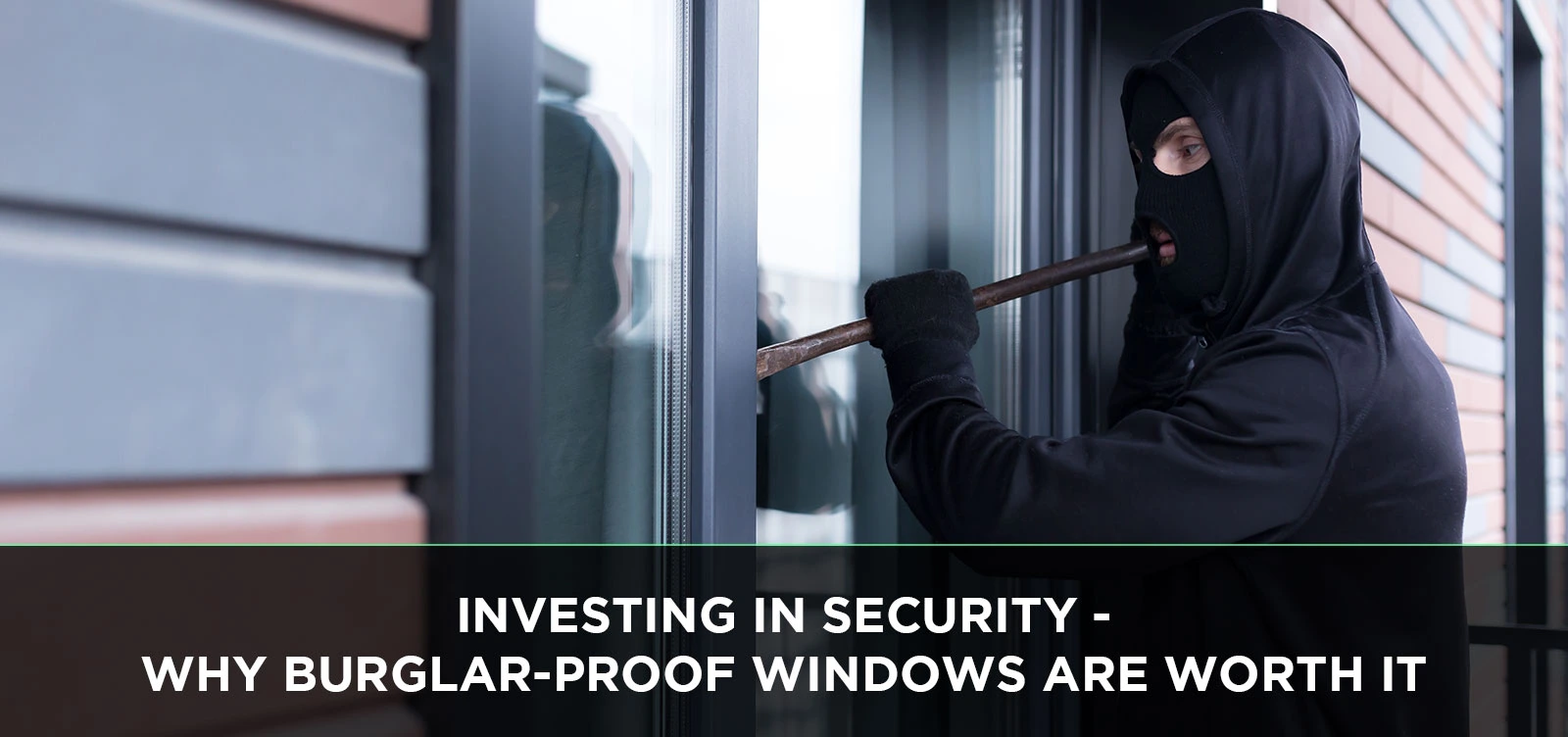
In an era where home security is paramount, homeowners are constantly seeking robust solutions. Investing in burglar-proof windows is more than just a renovation; it's a strategic decision to safeguard your family, valuables, and peace of mind. This guide explores why these fortified windows are a worthwhile investment for modern homes.
Understanding Burglary Risks in 2025-26
The landscape of home security is ever-evolving, and understanding current threats is the first step in effective prevention. In 2025-26, burglary statistics continue to highlight the vulnerability of residential properties, with windows and doors remaining primary entry points for opportunistic criminals. While overall crime rates fluctuate, the sophistication of some break-in methods necessitates a proactive approach to home defense.
The Evolving Tactics of Burglars
Burglar tactics are not static. While some criminals rely on brute force, others employ more cunning methods. In recent years, there's been a noted increase in quick, smash-and-grab operations, often targeting ground-floor windows. The ease with which standard glass can be broken makes them an attractive, albeit predictable, target. Furthermore, the rise of easily accessible online information about home security vulnerabilities can empower less experienced individuals to attempt break-ins. Data from the FBI (Federal Bureau of Investigation) and various security research firms consistently show that homes without enhanced security features are disproportionately targeted.
Statistics and Trends for 2025-26
According to projections and emerging data for 2025-26, residential burglaries, while potentially seeing a slight decline in some urban areas due to increased surveillance, remain a significant concern. Reports indicate that approximately 1.5 million burglaries occur annually in the United States alone, with a substantial percentage involving forced entry through windows. The average loss per burglary can range from $2,000 to $5,000, not including the intangible cost of emotional distress and loss of privacy. Ground-floor windows are particularly at risk, accounting for over 70% of residential break-ins. The economic impact of burglaries extends beyond direct financial loss, affecting property values and insurance premiums. For instance, a Insurance Information Institute (III) study from late 2024 indicated that areas with higher burglary rates often see a 10-15% increase in homeowner's insurance premiums. This underscores the financial incentive for homeowners to invest in preventative measures.
Vulnerable Points in a Home
Windows, by their very nature, represent a compromise between natural light and security. Standard windows, often made with single-pane glass and flimsy frames, are the weakest links in a home's defense system. Even with a locked window, the glass itself can be easily shattered, allowing for immediate access. Sliding glass doors, often larger and more visible, are also prime targets. The locking mechanisms on standard windows can also be easily bypassed with simple tools. Understanding these vulnerabilities is crucial for homeowners to appreciate the necessity of upgrading to more robust solutions.
What Exactly Are "Burglar-Proof" Windows?
The term "burglar-proof" is often used in marketing, but in reality, no window is entirely impenetrable. A more accurate description is "burglar-resistant" or "security windows." These are windows engineered with enhanced materials and construction techniques designed to significantly deter and delay forced entry. They are built to withstand impacts, prevent easy breakage, and resist tampering, making them a formidable obstacle for potential intruders.
Beyond Standard Glass
The primary differentiator lies in the glass. Standard windows typically use annealed glass, which shatters into large, sharp shards when broken. Burglar-resistant windows, however, utilize specialized glass types:
- Laminated Glass: This is the cornerstone of most security windows. It consists of two or more panes of glass bonded together with a strong interlayer, typically polyvinyl butyral (PVB). When struck, the glass may crack, but the PVB interlayer holds the fragments together, preventing easy penetration. This makes it significantly harder and noisier to break through.
- Tempered Glass: While stronger than annealed glass, tempered glass shatters into small, relatively harmless pebbles when broken. It's often used in areas where safety from breakage is a concern (like near showers) but offers less resistance to determined forced entry compared to laminated glass. Some security windows might incorporate tempered glass as an outer layer for added strength, but laminated is key for security.
- Polycarbonate: This is a high-impact plastic that is virtually unbreakable. While extremely effective against impact, it can be more expensive and may scratch more easily than glass. It's often used in high-security applications or as a retrofit option over existing windows.
Reinforced Frames and Locking Mechanisms
The glass is only one part of the equation. Burglar-resistant windows also feature robust frames and advanced locking systems:
- Stronger Frame Materials: Frames are typically made from reinforced uPVC, heavy-duty aluminum, or even steel. These materials are designed to resist prying and leverage attempts that could dislodge standard window frames. The frames are often thicker and have internal reinforcement.
- Advanced Locking Systems: Instead of simple latches, security windows often incorporate multi-point locking systems. These engage at several points around the frame, making it exceptionally difficult to force the window open. Some may have internal locking bolts that cannot be accessed from the outside.
Grading and Standards
It's important to note that there are recognized standards for security glazing. Organizations like the Security Industry Association (SIA) and the American National Standards Institute (ANSI) have established criteria. For instance, Underwriters Laboratories (UL) provides ratings for forced-entry resistance. Windows are often tested against specific attack methods and durations, receiving ratings that indicate their level of security. Look for certifications like UL 972 for burglary-resistant glazing.
Key Features That Make Windows Burglar-Resistant
Understanding the specific features that contribute to a window's burglar-resistant capabilities is crucial for making an informed decision. These aren't just about aesthetics; they are engineered for resilience.
Laminated Glass Interlayers
As mentioned, the PVB interlayer in laminated glass is a critical component. When impacted, the glass might crack, but the PVB layer acts like a strong adhesive, holding the shattered pieces together. This has several benefits:
- Deterrent by Noise: Breaking laminated glass is significantly louder and more time-consuming than breaking standard glass. The repeated impacts and the difficulty in creating an opening often deter burglars who prefer quick, silent entries.
- Delaying Entry: Even if the glass cracks, it doesn't immediately break open. This delay is invaluable, giving occupants more time to react, alert authorities, or deter the intruder.
- Reduced Risk of Injury: The interlayer prevents the glass from falling in large, sharp shards, reducing the risk of injury to occupants and making it harder for intruders to gain access through sharp edges.
Reinforced Frame Construction
The frame is the structural backbone of the window. Burglar-resistant windows employ robust frame designs:
- Thicker Profiles: Frames are typically made with thicker profiles of materials like reinforced vinyl (uPVC), extruded aluminum, or even composite materials. These are less prone to bending or breaking under pressure.
- Internal Reinforcement: Many security window frames have internal steel or aluminum reinforcements that provide significant structural integrity. This prevents the frame from being pried away from the wall.
- Secure Anchoring: The method by which the window frame is anchored to the building structure is also vital. Security windows are designed to be securely fastened into the wall studs or masonry, making them much harder to dislodge.
Advanced Locking Mechanisms
The locking system is the direct point of defense against forced opening. Burglar-resistant windows go beyond simple latches:
- Multi-Point Locking Systems: These systems engage multiple locking bolts at different points along the frame (top, bottom, and sides). This distributes the force of any attempted breach, making it far more difficult to force the window open.
- Internal Locking Bolts: Some high-security windows feature locking bolts that are fully recessed within the frame and only accessible from the inside. This prevents any external tampering with the locking mechanism.
- Keyed Locks: Many security windows come with keyed locks, offering an additional layer of security. This prevents operation even if the internal mechanism is somehow compromised, as the key is required.
Impact Resistance
Security windows are designed to withstand significant impacts. This is particularly important in areas prone to severe weather events like hurricanes or hailstorms, but it also directly contributes to their burglar resistance.
- Ballistic Testing: Some high-security windows undergo ballistic testing, meaning they are rated to withstand impacts from projectiles. While this is often for specialized applications, it highlights the inherent strength of the materials and construction.
- Simulated Forced Entry: They are tested against simulated forced entry tools and methods, ensuring they can resist pry bars, hammers, and other common burglary tools for a specified duration.
Other Security Enhancements
Beyond the core features, other elements can enhance security:
- Reinforced Hinges: Hinges are often a weak point. Security windows may have reinforced hinges that are less susceptible to being forced or removed.
- Tamper-Resistant Hardware: Screws and fasteners used in the construction and installation are often tamper-resistant, requiring specialized tools to remove.
- Window Films (Retrofit Option): While not a replacement for full security windows, high-quality security window films can be applied to existing windows. These films add a layer of PVB-like material to the glass, offering some degree of impact and shatter resistance. However, they are generally less effective than integrated security windows. For a comprehensive installation, integrated solutions are superior.
The Cost-Benefit Analysis: Is It Truly Worth It?
The decision to invest in burglar-proof windows often comes down to a careful evaluation of costs versus benefits. While the upfront investment is higher than for standard windows, the long-term advantages can far outweigh the initial expense.
Upfront Costs vs. Long-Term Savings
Standard windows might cost anywhere from $300 to $800 per window, depending on size, material, and style. Burglar-resistant windows, on the other hand, can range from $800 to $2,000 or more per window. This significant difference can be a deterrent for some homeowners. However, this initial cost should be weighed against potential savings and benefits:
- Reduced Risk of Property Loss: The most direct benefit is the prevention of burglaries. The average loss from a burglary can be thousands of dollars in stolen goods, plus the cost of repairs to damaged property.
- Lower Insurance Premiums: Many insurance companies offer discounts on homeowner's insurance policies for homes with enhanced security features, including burglar-resistant windows. While not always substantial, these discounts can accumulate over time, offsetting some of the initial investment. A study by the III in 2024 suggested potential premium reductions of 5-15% for homes with comprehensive security systems.
- Reduced Repair Costs: Standard windows that are broken during a burglary will need immediate replacement. Burglar-resistant windows are far less likely to break, saving on these immediate repair bills.
Quantifying Intangible Benefits
Beyond direct financial savings, the intangible benefits of burglar-proof windows are arguably the most compelling:
- Enhanced Peace of Mind: Knowing your home is significantly more secure provides invaluable peace of mind. This is especially true for families with children or elderly residents, or for those who travel frequently. The reduction in anxiety about home security is a benefit that cannot be easily quantified but is deeply felt.
- Increased Home Value: Homes with upgraded security features, including robust windows, are often more attractive to potential buyers. This can lead to a higher resale value and a quicker sale. Security is a major selling point in the real estate market of 2025-26.
- Protection Against Vandalism: Beyond burglary, these windows offer superior protection against vandalism and accidental damage. Their robust construction makes them resistant to impacts from thrown objects, which can prevent costly repairs and maintain the aesthetic appeal of your home.
- Reduced Stress and Trauma: Experiencing a burglary can be a deeply traumatic event. The emotional toll, the feeling of violation, and the disruption to daily life are significant. Investing in prevention is an investment in avoiding this distress.
Comparison with Other Security Measures
It's useful to compare the cost-effectiveness of burglar-proof windows against other common security measures:
| Security Measure | Typical Cost Range (per unit/system) | Primary Benefit | Burglar-Proof Window Comparison |
|---|---|---|---|
| Standard Window Replacement | $300 - $800 | Aesthetics, insulation | Lower upfront cost, but minimal security benefit. |
| Burglar-Proof Windows | $800 - $2,000+ | Deters forced entry, delays break-ins | Higher upfront cost, but direct physical barrier. |
| Home Security System (Basic) | $500 - $1,500 (plus monthly fees) | Alerts authorities, deters with alarms | Alerts, but doesn't physically stop entry. Can be bypassed. |
| Security Cameras (Outdoor) | $100 - $500 (per camera) | Surveillance, evidence collection | Records activity but doesn't prevent it. |
| Reinforced Doors | $700 - $2,500+ | Deters forced entry through doors | Essential, but windows are often easier targets if not secured. |
As the table illustrates, burglar-proof windows offer a unique benefit: they act as a direct physical barrier, actively resisting forced entry. While alarms and cameras are important deterrents and surveillance tools, they don't physically stop an intruder. Reinforced doors are crucial, but windows, especially on lower floors, are often more accessible and less structurally robust than doors.
Return on Investment (ROI)
Calculating a precise ROI for security investments can be challenging due to the intangible nature of peace of mind. However, if we consider the potential savings from preventing just one significant burglary (estimated average loss of $3,500 plus repair costs), the ROI can be realized quickly. When factoring in potential insurance discounts and increased home value, the investment becomes even more justifiable. For many, the ROI is measured not just in dollars saved, but in the avoidance of significant emotional distress and the preservation of their sanctuary.
Beyond Windows: A Holistic Approach to Home Security
While burglar-proof windows are a significant upgrade, they are most effective when integrated into a comprehensive home security strategy. No single measure guarantees absolute safety. A layered approach, combining various security elements, provides the most robust protection.
Layered Security Explained
Layered security involves creating multiple barriers and deterrents that an intruder must overcome. Each layer increases the difficulty, time, and risk for a potential burglar, making your home a less attractive target.
- Perimeter Security: This includes outdoor lighting, motion-sensing lights, secure fencing, and well-maintained landscaping that doesn't offer hiding spots. Visible security cameras also act as a perimeter deterrent.
- Entry Point Security: This is where burglar-proof windows and reinforced doors come into play. Strong locks, solid door frames, and impact-resistant glass are crucial here.
- Interior Security: This involves an alarm system with sensors on doors and windows, motion detectors inside the home, and potentially interior security cameras. The goal is to detect and alert if an intruder breaches the outer layers.
- Occupant Behavior: Simple habits like always locking doors and windows, not leaving valuables visible from the outside, and being mindful of who is at the door can significantly enhance security.
Integrating Windows with Other Systems
Burglar-proof windows can work synergistically with other security measures:
- Alarm Systems: While the windows themselves resist entry, integrating them with an alarm system provides an extra layer of notification. If an intruder attempts to force the window, sensors can trigger an alarm, alerting occupants and potentially law enforcement. Many modern security windows are designed to be compatible with standard alarm systems.
- Security Cameras: Strategically placed security cameras can monitor windows, especially those in secluded areas. The presence of visible cameras acts as a deterrent, and if a breach attempt occurs, the cameras can capture evidence.
- Smart Home Integration: Advanced smart home systems can integrate window sensors, alarms, and cameras. This allows for remote monitoring, instant alerts to your smartphone, and even automated responses like turning on lights when a breach is detected.
Choosing the Right Windows for Your Home
When selecting burglar-resistant windows, consider the following:
- Your Specific Risks: Are you in a high-crime area? Do you live in a secluded location? Are your ground-floor windows easily accessible from the street or a garden? Tailor your choices to your specific vulnerabilities.
- Local Climate: In regions prone to severe weather, impact-resistant windows (often a type of security window) are essential for both security and protection against storms.
- Aesthetics: Security windows are available in a wide range of styles and finishes to match your home's architecture. Don't compromise on appearance for security; modern options offer both.
- Budget: Prioritize the most vulnerable areas of your home first (e.g., ground-floor windows, those facing secluded areas). You can upgrade other windows over time.
Professional Installation is Key
The effectiveness of even the most robust burglar-proof windows can be compromised by improper installation. It is essential to use qualified and experienced professionals. They will ensure:
- The window frame is securely anchored to the building structure.
- All seals are properly fitted to prevent drafts and water ingress.
- The locking mechanisms operate smoothly and effectively.
- The window is correctly integrated with any existing alarm systems.
For more details on this crucial aspect, refer to the installation and maintenance section.
Installation and Maintenance: Ensuring Long-Term Security
The benefits of investing in burglar-proof windows are only fully realized when they are installed correctly and maintained properly. These steps ensure the window performs as intended for years to come, providing continuous protection.
The Importance of Professional Installation
Attempting to install security windows as a DIY project is generally not recommended. The specialized nature of these windows, their weight, and the critical requirement for secure anchoring demand professional expertise.
- Structural Integrity: Professional installers understand how to properly integrate the reinforced frame into your home's existing structure. This involves securing the frame to studs or masonry using appropriate fasteners, ensuring it cannot be pried loose.
- Sealant and Weatherproofing: Correct installation involves proper sealing around the frame to prevent water infiltration and drafts, which can lead to rot and structural damage over time.
- Mechanism Functionality: Installers will test all locking mechanisms, hinges, and moving parts to ensure they operate smoothly and securely. They will also ensure the window opens and closes without binding.
- Warranty Compliance: Most manufacturers require professional installation to validate their warranty. Improper installation can void these warranties, leaving you unprotected financially if issues arise.
What to Expect During Installation
A typical professional installation process for security windows involves:
- Removal of Old Window: The existing window and frame are carefully removed.
- Preparation of Opening: The rough opening is inspected and prepared, ensuring it is clean and structurally sound.
- Installation of New Frame: The new, reinforced frame is placed in the opening and secured with heavy-duty screws or anchors.
- Sealing and Insulation: Gaps between the frame and the wall are sealed with expanding foam and caulk for weatherproofing and insulation.
- Installation of Sash and Glass: The window sashes and any internal security features are installed.
- Testing: The window is tested for proper operation, locking, and sealing.
- Cleanup: The work area is cleaned, and debris is removed.
Ongoing Maintenance for Longevity
While security windows are built for durability, regular maintenance ensures they continue to offer optimal protection.
- Regular Cleaning: Clean the glass and frames periodically with mild soap and water. Avoid abrasive cleaners or solvents that could damage the coatings or materials. For laminated glass, ensure the edges are kept clean.
- Lubrication: Periodically lubricate the moving parts of the locking mechanisms and hinges with a silicone-based lubricant. This prevents sticking and ensures smooth operation.
- Inspection of Seals: Check the weatherstripping and seals around the window frame annually. Replace any damaged or worn seals to maintain weatherproofing and prevent drafts.
- Check Locking Mechanisms: Ensure all locks engage properly and that there are no signs of wear or damage. If you notice any stiffness or difficulty, address it promptly.
- Inspect for Damage: Regularly inspect the frame and glass for any signs of damage, such as cracks, chips, or dents. While security windows are robust, extreme impacts can still occur. Report any damage to the installer or manufacturer immediately.
When to Consider Replacement
Even the best windows have a lifespan. Consider replacement if:
- The window is significantly damaged (e.g., large cracks in laminated glass, compromised frame).
- The locking mechanisms are no longer functioning reliably.
- The frame has deteriorated due to age or environmental factors.
- Your security needs have significantly increased, and newer, more advanced options are available.
Investing in professional installation and performing routine maintenance are crucial steps to maximize the lifespan and security benefits of your burglar-proof windows. It ensures that your investment continues to protect your home effectively for many years.
Making the Investment Decision: Your Next Steps
Deciding to invest in burglar-proof windows is a significant step towards enhancing your home's safety and your family's well-being. To make this decision effectively, a structured approach is recommended.
Assess Your Home's Vulnerabilities
Begin by conducting a thorough assessment of your property. Walk around your home, paying close attention to:
- Ground Floor Accessibility: Which windows are easily reachable from the ground?
- Visibility: Are any windows hidden from street view or from neighbors' properties?
- Proximity to Cover: Are there trees, bushes, or fences near windows that could provide cover for an intruder?
- Existing Security: What security measures do you currently have in place?
- Neighborhood Crime Rates: Research local crime statistics to understand the prevalence of burglaries in your area.
Research Reputable Manufacturers and Installers
Not all security windows are created equal. Look for manufacturers with a proven track record in producing high-quality, certified security products. Similarly, choose installers who are experienced, licensed, and insured.
- Certifications: Verify that the windows meet recognized security standards (e.g., UL, ANSI).
- Reviews and Testimonials: Read online reviews and ask for testimonials from previous customers.
- Warranty: Understand the warranty offered on both the product and the installation. A comprehensive warranty is a sign of a company's confidence in its products and services.
- Consultations: Obtain consultations and quotes from multiple reputable companies to compare products, services, and pricing.
Prioritize and Budget
Based on your vulnerability assessment, prioritize which windows need upgrading first. Typically, ground-floor windows and those in secluded areas should be addressed before upper-floor windows.
- Phased Approach: If the cost of upgrading all windows at once is prohibitive, consider a phased approach. Start with the most critical windows and add more over time.
- Financing Options: Explore financing options, such as home improvement loans or lines of credit, if necessary.
- Long-Term Value: Remember that this is an investment in security and long-term value, not just an expense.
Consider the Added Benefits
When making your final decision, don't overlook the additional benefits:
- Energy Efficiency: Many modern security windows also offer excellent energy efficiency, helping to reduce heating and cooling costs.
- Noise Reduction: The robust construction and laminated glass can also significantly reduce external noise pollution.
- Insurance Discounts: Inquire with your insurance provider about potential discounts for installing security windows.
Making the Purchase
Once you have chosen your product and installer, carefully review all contracts and agreements before signing. Ensure all specifications, timelines, and costs are clearly documented. A clear understanding of the scope of work and payment schedule will prevent future misunderstandings.
Conclusion: Peace of Mind is Priceless
In the evolving landscape of home security for 2025-26, investing in burglar-proof windows is a strategic and highly effective measure. These fortified windows, featuring laminated glass, reinforced frames, and advanced locking systems, provide a robust physical barrier against forced entry. While the initial cost is higher than standard windows, the long-term benefits—including deterring burglars, reducing the risk of property loss and damage, potentially lowering insurance premiums, and significantly enhancing your family's peace of mind—make them an undeniably worthwhile investment.
By understanding the current risks, the specific features of security windows, and how they integrate into a broader home security strategy, homeowners can make informed decisions. Prioritizing vulnerable areas, choosing reputable providers, and ensuring professional installation are key steps. Ultimately, the true value of burglar-proof windows lies not just in the protection of possessions, but in the invaluable sense of security and tranquility they bring to your home, safeguarding what matters most.