Keep Your Family Safe With an Advanced Home Security System
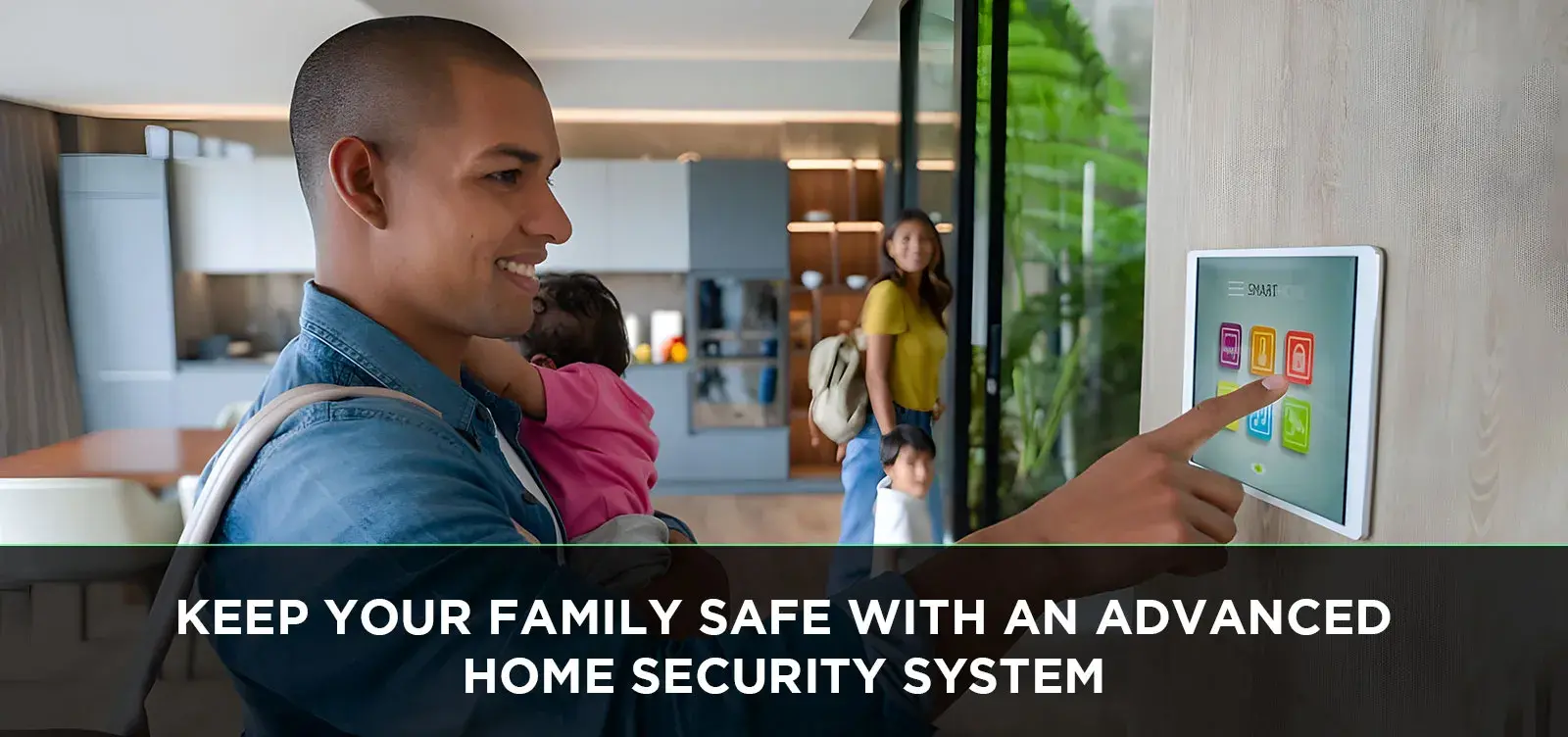
Investing in an advanced home security system is no longer a luxury but a necessity for safeguarding your loved ones and property. Discover how modern technology offers unparalleled protection, peace of mind, and convenience for your family's safety in today's evolving world.
Understanding Modern Home Security Systems
The landscape of home security has dramatically evolved from simple alarm bells and window sensors. Today's advanced home security systems are sophisticated, interconnected networks designed to provide comprehensive protection, remote access, and intelligent automation. They leverage cutting-edge technology like artificial intelligence, high-definition video surveillance, and seamless mobile integration to offer a level of security and convenience previously unimaginable. In 2025 and 2026, the focus is on proactive threat detection, personalized security experiences, and a holistic approach to home safety that extends beyond mere intrusion detection.
Gone are the days of basic perimeter alarms. Modern systems are designed to be smart, adaptive, and user-friendly, empowering homeowners with unprecedented control and insight into their home's security status. This shift is driven by increasing concerns about personal safety, property crime, and the desire for a connected living environment. As reported by the National Home Security Association (NHSA) in their 2025 report, over 70% of new home security installations in the US now incorporate smart home functionalities, highlighting a significant trend towards integrated and intelligent solutions. This article will delve into what makes these systems "advanced," the crucial components they comprise, the tangible benefits they offer, how to select the best fit for your family, and the long-term value they provide.
The Evolution of Home Protection
Historically, home security primarily revolved around physical barriers like locks and sturdy doors, supplemented by rudimentary alarm systems that would sound a siren upon detecting an intrusion. These systems were reactive, only alerting occupants or neighbors after a breach had occurred. The advent of the internet and mobile technology marked a turning point, enabling remote monitoring and control. Early smart systems allowed users to arm or disarm their alarms remotely and receive basic notifications. However, the true "advanced" era began with the integration of AI, cloud computing, and a wider array of sensors that could detect more than just forced entry.
By 2025, advanced systems are characterized by their ability to learn patterns, differentiate between normal activity and potential threats, and offer predictive capabilities. For instance, a system might learn your family's typical comings and goings and flag unusual activity during those times. The Global Smart Home Security Market Analysis 2025 projects a compound annual growth rate (CAGR) of 15.2% for advanced home security solutions, indicating strong consumer demand for these sophisticated offerings. This evolution means that "keeping your family safe" now involves a dynamic, intelligent shield rather than a static defense.
Why "Advanced" is Essential in 2025-26
The contemporary threat landscape is multifaceted. Beyond traditional burglary, homeowners face risks from package theft, vandalism, environmental hazards like fires and floods, and even the need for quick emergency response for medical incidents. Advanced systems are designed to address these diverse threats comprehensively. They offer not just intrusion detection but also environmental monitoring, remote communication capabilities, and the integration of other smart home devices for a unified safety net. For families, this translates to greater peace of mind, knowing that their home is protected around the clock, even when they are away.
Furthermore, the sophistication of potential intruders also necessitates advanced countermeasures. Sophisticated criminals may attempt to bypass older, simpler alarm systems. Advanced systems, with their encrypted communication, intelligent anomaly detection, and often professional monitoring, present a much more formidable deterrent. The US Department of Justice's 2025 Crime Trends Report indicates a rise in tech-enabled home intrusions, underscoring the need for equally advanced technological defenses.
Key Components of Advanced Home Security Systems
An advanced home security system is not a single device but a carefully orchestrated suite of interconnected components working in synergy. Understanding these elements is crucial for appreciating the system's overall effectiveness and for making informed decisions about which features are most important for your family's specific needs.
The Control Panel or Hub
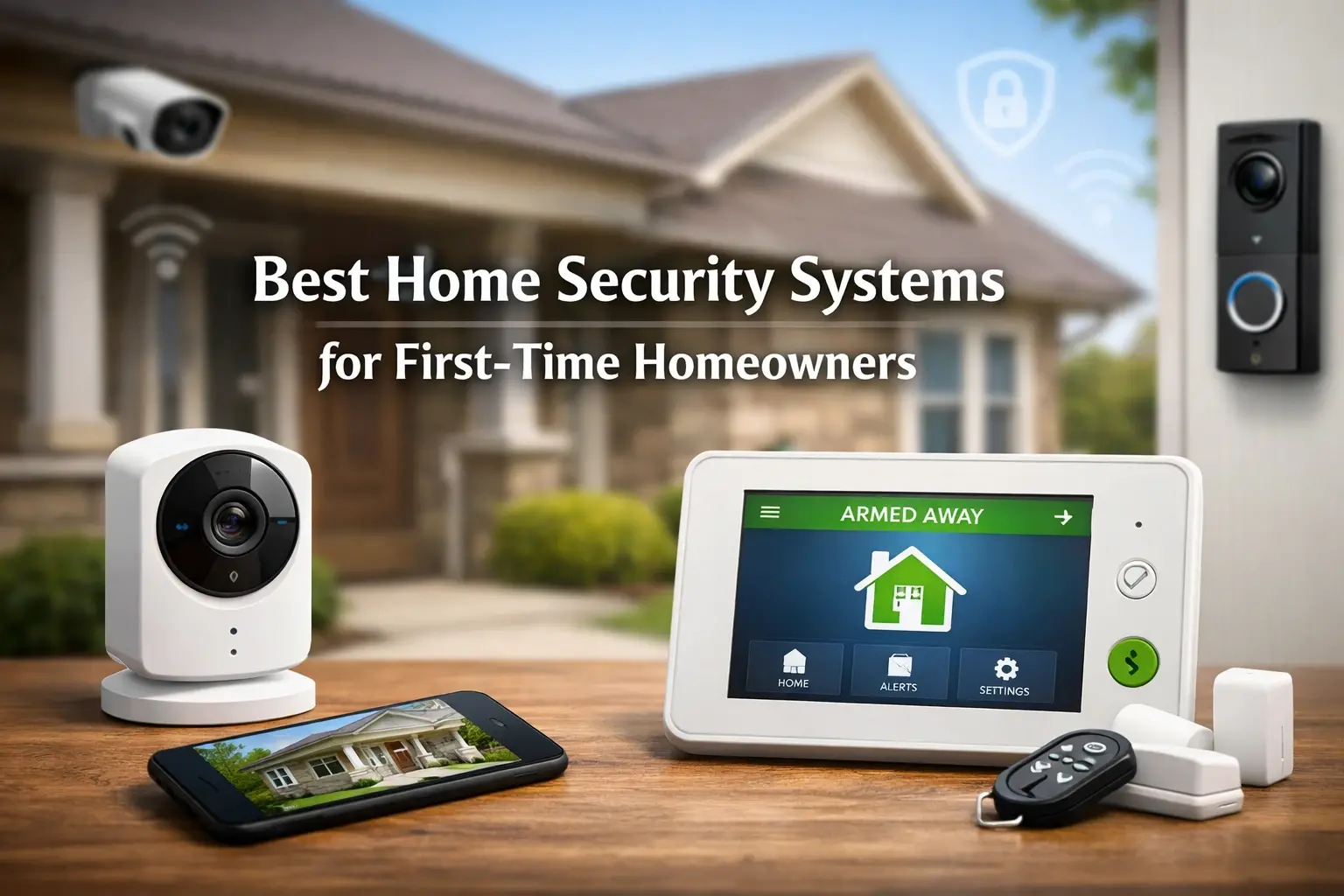
This is the brain of the operation. Modern hubs are often sleek, touchscreen devices that serve as the central point for managing all connected sensors and devices. They communicate wirelessly with other components and often connect to your home's Wi-Fi network for remote access and professional monitoring. Advanced hubs may also feature voice control integration (e.g., with Alexa or Google Assistant) and sophisticated user interfaces for easy management of settings, user codes, and event logs. They are the command center from which you can arm, disarm, and customize your security settings.
Sensors and Detectors
These are the eyes and ears of your security system. Advanced systems utilize a variety of intelligent sensors:
- Door and Window Sensors: These magnetic contact sensors detect when a door or window is opened. Advanced versions may offer tamper-proof designs and wireless encrypted communication.
- Motion Detectors: Utilizing infrared (IR) or microwave technology, these sensors detect movement within a room. Advanced models often incorporate pet-friendly technology to avoid false alarms from animals and can be programmed with specific detection zones and sensitivity levels. Some use AI to differentiate between human and animal motion.
- Glass Break Sensors: These acoustic sensors listen for the specific sound frequency of breaking glass, providing an earlier alert than motion sensors if a window is smashed.
- Environmental Sensors: Crucial for comprehensive safety, these include:
- Smoke and Carbon Monoxide (CO) Detectors: Integrated smart detectors can send immediate alerts to your phone and emergency services, often distinguishing between different types of smoke or CO levels.
- Water Leak/Flood Sensors: Placed near water heaters, sinks, or basements, these alert you to potential water damage before it becomes catastrophic.
- Temperature Sensors: Can alert you to extreme temperature drops that might indicate a furnace failure or extreme heat that could spoil food or affect pets.
- Smart Locks: While not strictly a sensor, smart locks integrate seamlessly. They allow for keyless entry, remote locking/unlocking, and the creation of temporary access codes for guests or service providers. They can also trigger other system events upon being locked or unlocked.
Surveillance Cameras
Advanced systems often include high-definition (HD) indoor and outdoor cameras. Key features include:
- High Resolution: 1080p or 4K resolution for clear, detailed footage.
- Night Vision: Infrared LEDs allow cameras to capture clear images in complete darkness.
- Motion Detection and Alerts: Cameras can detect movement and send video clips or snapshots to your device. Advanced AI can distinguish between people, vehicles, and animals, reducing false alerts.
- Two-Way Audio: Allows you to speak and listen through the camera, useful for deterring intruders or communicating with family members.
- Wide-Angle Lenses: Capture a broader field of view.
- Weather Resistance: For outdoor cameras, durability against the elements is essential.
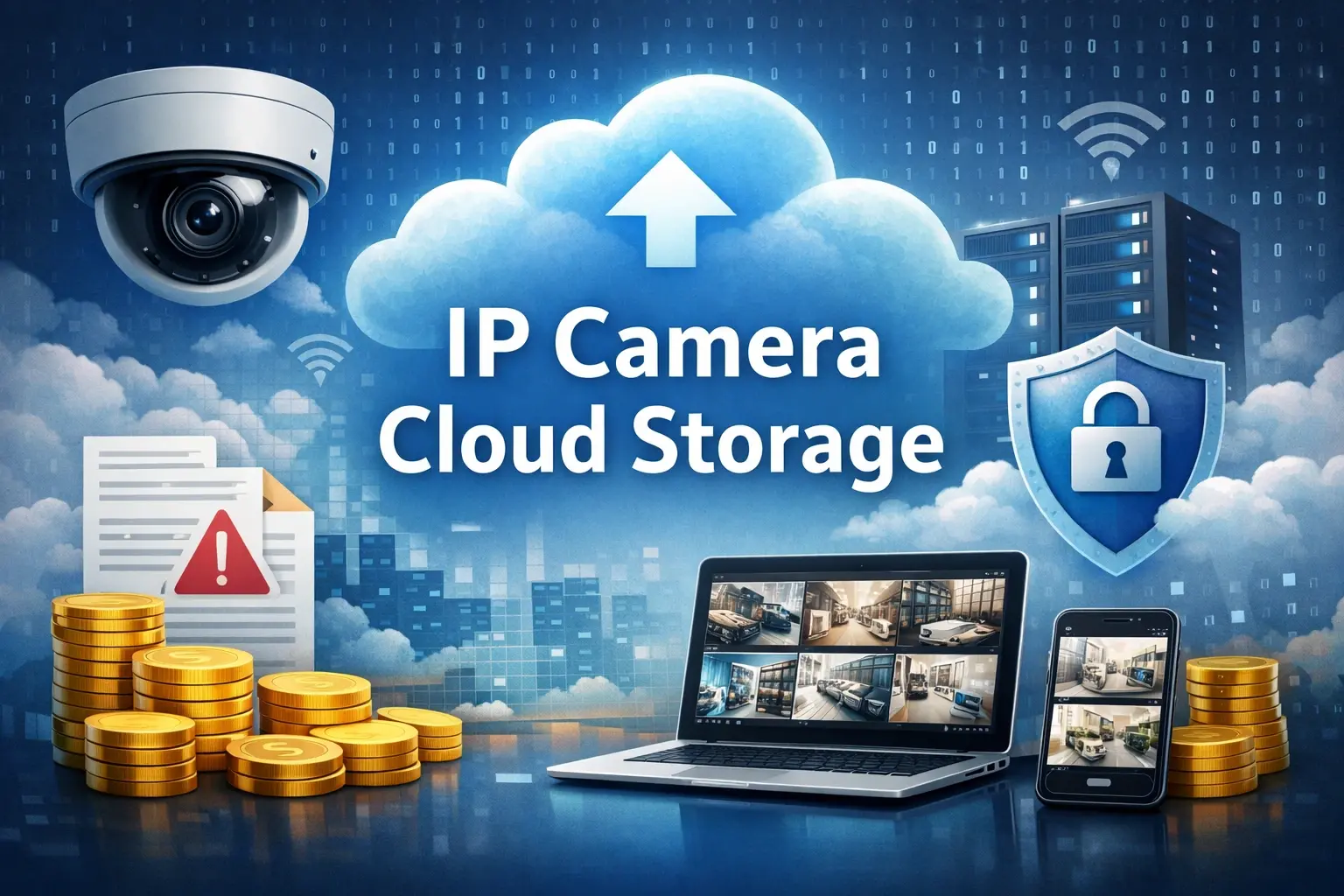
- Cloud Storage: Secure storage of video footage for later review.
The 2025 Consumer Reports on Home Surveillance highlights that 85% of users found AI-powered motion detection significantly improved their experience by reducing nuisance alerts.
Sirens and Audible Alarms
While basic sirens are common, advanced systems may offer louder, more sophisticated alarms, potentially with integrated strobe lights. Some systems also allow for customizable alarm sounds or even voice announcements, providing a clearer indication of the type of emergency. The primary function remains to deter intruders and alert occupants, but the effectiveness is enhanced by their integration with the overall system's intelligence.
Mobile App and Remote Access
This is perhaps the most significant differentiator of advanced systems. A robust mobile application allows you to:
- Arm and disarm the system from anywhere in the world.
- Receive real-time alerts and notifications (e.g., "Front door opened," "Motion detected in living room," "Smoke detected").
- View live video feeds from your surveillance cameras.
- Access recorded video footage.
- Control smart locks, thermostats, and other integrated smart home devices.
- Manage user access and permissions.
- Check system status and battery levels.
The ease of use and comprehensive functionality of the mobile app are critical for maximizing the benefits of an advanced security system.
Professional Monitoring Services
While many advanced systems can function autonomously or with self-monitoring (alerts sent directly to your phone), professional monitoring adds a critical layer of security. A dedicated monitoring center receives alarm signals 24/7. Trained operators will verify the alarm (often by contacting you or viewing camera feeds) and dispatch emergency services (police, fire, medical) if necessary. This is invaluable, especially if you are unreachable or incapacitated during an emergency. According to the Electronic Security Association (ESA) 2025 data, homes with professionally monitored systems experience a 30-40% reduction in response times for emergencies.
The Multifaceted Benefits of an Advanced System
The advantages of an advanced home security system extend far beyond simply deterring burglars. They contribute to a safer, more convenient, and more connected lifestyle for the entire family.
Enhanced Deterrence and Prevention
The visible presence of cameras, yard signs, and smart lock indicators can significantly deter potential criminals. Advanced systems are not just reactive; they are proactive. Intelligent motion detection with AI can identify suspicious activity before it escalates. For example, if a camera detects a person loitering near your property after dark, the system can trigger floodlights, send an alert, and even initiate a two-way audio conversation to ask if they need assistance, often causing them to leave immediately. This proactive approach is a key differentiator from older systems.
Rapid Emergency Response
In the event of a genuine emergency – whether it's a break-in, a fire, a medical issue, or a gas leak – an advanced system ensures the fastest possible response. Professional monitoring services act as an immediate link to emergency responders. Even with self-monitoring, the instant alerts sent to your smartphone allow you to take immediate action, potentially saving precious minutes that can be critical in life-threatening situations. The integration of environmental sensors (smoke, CO, water) means that threats beyond intrusion are also covered, providing a holistic safety net.
Peace of Mind for Families
For parents, knowing their children are safe at home, even when they're not present, is invaluable. Advanced systems allow parents to check in on their children via cameras, receive notifications when they arrive home from school, and even grant temporary access to a trusted neighbor or caregiver using smart locks. This constant connection and visibility reduce anxiety and foster a sense of security. For elderly family members, the ability to call for help with a simple voice command or button press can be life-saving.
Remote Management and Convenience
The ability to control your home's security from your smartphone transforms how you interact with your home. Forgot to lock the door? Do it remotely. Expecting a delivery? Grant temporary access to the delivery person. Want to check if the kids are home from school? View live camera feeds. This level of control and convenience simplifies daily life and ensures your home is always secure, regardless of your physical location. A 2026 survey by TechHome Insights found that 90% of users cited remote access and control as the most valued feature of their smart security system.
Potential Homeowner Insurance Discounts
Many insurance providers offer discounts for homes equipped with monitored security systems. These discounts can help offset the cost of the system over time. The reasoning is straightforward: a secure home is a lower risk for insurance companies. Always check with your insurance provider to see what discounts are available for professionally monitored systems, especially those that include fire and CO detection.
Smart Home Integration and Automation
Advanced security systems are often the central hub for a broader smart home ecosystem. They can be programmed to work in conjunction with other smart devices:
- Lights: Lights can turn on automatically when motion is detected outdoors at night, or when the alarm is triggered.
- Thermostats: Smart thermostats can adjust to energy-saving modes when the system is armed and the house is empty.
- Smart Plugs: Can control non-smart devices, turning them on or off based on security events.
- Voice Assistants: Integrate with Alexa, Google Assistant, or Siri for voice control of security functions.
This integration creates a more automated, efficient, and secure living environment. For example, a "Goodnight" scene could arm the system, lock all doors, and turn off all lights with a single command.
Choosing the Right System for Your Family
With a plethora of options available, selecting the ideal advanced home security system requires careful consideration of your family's unique needs, lifestyle, and budget. A system that's perfect for one household might be overkill or insufficient for another.
Assess Your Security Needs
Start by evaluating your property and the potential risks. Consider:
- Property Size and Layout: A larger home or one with multiple entry points will require more sensors and potentially more cameras.
- Location: Are you in a high-crime area, or do you live in a more rural setting with different concerns (e.g., wildlife, remote access)?
- Family Members: Do you have young children, elderly relatives, or pets? This will influence the type of sensors (e.g., pet-friendly motion detectors) and the need for specific features like panic buttons or easy-to-use interfaces.
- Lifestyle: Are you frequently away from home? Do you travel often? This highlights the importance of robust remote access and professional monitoring.
- Existing Smart Home Devices: If you already have smart lights, thermostats, or voice assistants, choose a security system that integrates seamlessly with them.
DIY vs. Professional Installation
Advanced systems generally fall into two installation categories:
- DIY (Do-It-Yourself): These systems are designed for easy setup by the homeowner. Components are often wireless and pre-configured. They typically offer lower upfront costs and more flexibility in system design. However, they require a certain level of technical comfort and time commitment. Examples include systems from SimpliSafe, Ring Alarm, and Abode.
- Professional Installation: These systems are installed by trained technicians. They often involve more complex wiring and configuration, ensuring optimal placement and functionality. While more expensive upfront, they guarantee proper installation and can be ideal for larger or more complex homes. Companies like ADT, Vivint, and Brinks often provide this service.
Comparison: Installation Methods
| Feature | DIY Installation | Professional Installation |
|---|---|---|
| Upfront Cost | Lower | Higher |
| Installation Time | Hours (self-paced) | Hours (scheduled) |
| Complexity | Moderate (user-friendly) | High (expert setup) |
| Customization | High flexibility | System dependent |
| Support | Online resources, customer service | On-site technician support |
Monitoring Options: Self vs. Professional
As discussed, you can choose between self-monitoring or professional monitoring. Self-monitoring is typically included in the base price of DIY systems and involves receiving alerts directly on your smartphone. Professional monitoring usually incurs a monthly fee but provides the assurance that trained professionals are watching over your home and will dispatch authorities if needed. For maximum security, especially for families, professional monitoring is highly recommended. The 2025 Security Industry Review indicates that 65% of advanced system users opt for professional monitoring.
Understanding Contracts and Fees
Be aware of the contractual obligations and ongoing fees associated with different systems. Some companies require long-term contracts (e.g., 2-3 years) for professional installation and monitoring, while others offer month-to-month plans or even no-contract options for DIY systems. Compare the total cost of ownership, including equipment purchase, installation fees, and monthly monitoring charges, before making a decision.
Researching Brands and Reviews
Read independent reviews from reputable sources like Consumer Reports, CNET, and security industry blogs. Look for feedback on system reliability, app usability, customer service responsiveness, and the effectiveness of specific features. Consider the company's track record and reputation in the security industry.
Seamless Installation and Smart Home Integration
The installation process and how well the security system integrates with your existing smart home ecosystem are critical for maximizing its value and ease of use.
Planning Sensor Placement
Effective sensor placement is key to the system's performance. For example:
- Door/Window Sensors: Install on all accessible entry points, including basement windows.
- Motion Detectors: Place in high-traffic areas like hallways, living rooms, and staircases. Avoid placing them directly facing heat sources (like vents or windows) or in areas with constant movement (like curtains that sway). For pet-friendly sensors, ensure they are mounted at the correct height according to the manufacturer's instructions.
- Glass Break Sensors: Position within the recommended range of windows they are intended to protect.
- Cameras: Outdoor cameras should cover entry points, driveways, and vulnerable areas. Indoor cameras can monitor main living spaces and entryways. Ensure they have a clear line of sight and are not easily tampered with.
- Environmental Sensors: Smoke and CO detectors should be placed on each level of the home and near sleeping areas, following local building codes. Water sensors should be near potential leak sources.
A professional installer will have the expertise to determine optimal placement, but even with DIY systems, careful planning can prevent blind spots and false alarms.
Wireless vs. Wired Systems
Most modern advanced systems are wireless, utilizing Wi-Fi, Z-Wave, or proprietary radio frequencies to communicate. Wireless systems are generally easier and faster to install, offer greater flexibility in sensor placement, and are less intrusive to your home's decor. However, they rely on batteries that need periodic replacement and can be susceptible to interference or jamming (though modern encryption mitigates this significantly). Wired systems are generally considered more robust and reliable, without battery concerns, but require extensive wiring, making installation more complex and costly, often requiring professional help.
Integrating with Smart Home Platforms
The true power of an advanced system is unlocked through integration. Look for systems that are compatible with major smart home platforms and protocols such as:
- Amazon Alexa: Allows voice control of arming/disarming, checking status, and controlling integrated devices.
- Google Assistant: Similar voice control capabilities and integration with Google Home devices.
- Apple HomeKit: For users within the Apple ecosystem, providing secure and seamless integration.
- IFTTT (If This Then That): Enables custom automation routines between your security system and hundreds of other smart devices and services.
When choosing a system, verify its compatibility with your existing smart home devices. For example, if you want your security system to trigger your smart lights when motion is detected, ensure both devices support the same platform or protocol.
Setting Up Automation Routines
Once integrated, you can create powerful automation routines. Examples include:
- "Away" Mode: When you arm the system to "Away," all smart lights turn off, the thermostat adjusts to an energy-saving temperature, and doors lock.
- "Welcome Home" Mode: When you disarm the system, specific lights turn on, and the thermostat returns to a comfortable setting.
- Security Triggered Actions: If a smoke detector is triggered, the system can unlock all doors, turn on all lights, and send notifications to all family members and emergency services.
These automations not only enhance security but also add convenience and efficiency to your daily life.
Cost Considerations and Return on Investment
Investing in an advanced home security system is a significant decision, and understanding the associated costs and potential return on investment (ROI) is crucial for making an informed choice.
Initial Equipment Costs
The upfront cost of an advanced home security system can vary widely. Basic DIY kits might start from a few hundred dollars, while comprehensive professional systems with multiple cameras and sensors can cost several thousand dollars. Factors influencing cost include:
- The number and type of sensors included.
- The quality and features of the cameras (resolution, night vision, AI capabilities).
- The sophistication of the control panel/hub.
- The inclusion of smart locks or other integrated devices.
It's important to compare the features offered at different price points and ensure you're getting the best value for your specific needs.
Monthly Monitoring and Service Fees
Professional monitoring services typically involve a monthly subscription fee. These fees can range from $15 to $60 or more per month, depending on the provider and the level of service. Some companies also offer cloud storage for video footage, which may incur an additional monthly fee per camera. DIY systems often have optional self-monitoring plans or more affordable professional monitoring tiers.
Installation Fees
If you opt for professional installation, expect to pay an installation fee. This can range from a couple of hundred dollars to over a thousand, depending on the complexity of the installation and the company's pricing structure. Some companies may bundle installation into a longer-term contract.
Calculating Return on Investment (ROI)
While the immediate ROI of a security system might not be monetary, the benefits are substantial:
- Deterrence of Crime: Preventing a burglary can save you the cost of stolen items, property damage, and the emotional toll of a home invasion. The average cost of a home burglary in 2025 was estimated to be over $2,500 in property loss and damage, according to the FBI's Uniform Crime Reporting Program.
- Insurance Discounts: As mentioned, many insurance companies offer discounts that can offset the system's cost.
- Preventing Property Damage: Environmental sensors can prevent costly damage from fires, floods, or extreme temperatures. A small water leak sensor could prevent thousands of dollars in water damage.
- Peace of Mind: The intangible value of feeling safe and secure in your home is immeasurable.
- Smart Home Efficiency: Integrated systems can contribute to energy savings through smart thermostat and lighting control.
When evaluating ROI, consider the potential financial losses you are preventing, the savings you are gaining (e.g., insurance discounts, energy efficiency), and the invaluable peace of mind.
Long-Term Value and System Lifespan
Advanced home security systems are designed to be durable and have a lifespan of 5-10 years or more for the main components like the hub and sensors. Cameras may have a shorter lifespan due to exposure to elements or technological obsolescence. Many companies offer firmware updates to keep the software current and enhance functionality. Investing in a reputable brand with good customer support and a history of innovation will ensure you receive long-term value from your security system.
Future-Proofing Your Home Security
The world of technology is constantly evolving, and your home security system should be able to adapt and grow with it. Future-proofing means selecting a system that is not only advanced today but also has the potential to remain effective and relevant for years to come.
Choosing Systems with Software Updates
Reputable security companies regularly release software updates for their hubs, apps, and even some sensors. These updates can introduce new features, improve performance, patch security vulnerabilities, and enhance compatibility with new smart home devices. Opt for systems that have a proven track record of providing regular and meaningful updates. This ensures your system benefits from ongoing innovation without needing a complete replacement.
Scalability and Expandability
Your security needs may change over time. Perhaps you add an extension to your home, get a pet, or decide you want to monitor your garage. A scalable system allows you to easily add more sensors, cameras, or other devices as needed. Look for systems that support a wide range of compatible accessories and have ample capacity for expansion. This flexibility prevents you from outgrowing your system and needing a costly upgrade.
Compatibility with Emerging Technologies
The smart home and security industries are rapidly developing. Technologies like AI-powered facial recognition for cameras, advanced anomaly detection algorithms, and new communication protocols are constantly emerging. While you can't predict the future perfectly, choosing a system that uses open standards or is known for its adaptability can help ensure it remains compatible with future innovations. Look for systems that integrate with popular smart home ecosystems, as these tend to be more future-proof.
Cybersecurity Considerations
As home security systems become more connected, cybersecurity becomes paramount. Ensure the system you choose employs robust encryption for all communications (between sensors, hub, app, and monitoring center). Look for companies that prioritize security, offer two-factor authentication for app access, and have clear policies on data privacy and protection. A compromised security system can be worse than no system at all, so due diligence on cybersecurity is essential.
Considering Long-Term Support and Company Stability
A security system is a long-term investment. Research the financial stability and reputation of the company providing the system and monitoring services. A company that is well-established and committed to customer support is more likely to be around to provide updates, technical assistance, and monitoring services for the life of your system. Avoid companies that seem to be here today and gone tomorrow, as this can leave you with an unsupported and obsolete system.
By considering these factors, you can select an advanced home security system that not only meets your current needs but also provides reliable protection and peace of mind for many years to come, truly keeping your family safe with cutting-edge technology.
In conclusion, an advanced home security system is an indispensable tool for modern families seeking comprehensive protection. By understanding the sophisticated components, recognizing the multifaceted benefits, and carefully selecting a system tailored to your needs, you can significantly enhance your home's safety and your family's peace of mind. Prioritizing features like AI-powered detection, seamless smart home integration, and reliable professional monitoring ensures you are investing in a robust, future-ready security solution. Take the proactive step today to safeguard what matters most.