Secure Peace of Mind Exploring the Benefits of a Self-Monitored Home Security System
Discover how a self-monitored home security system can offer robust protection and significant cost savings, providing unparalleled peace of mind. Explore the tangible benefits and understand why it's a smart choice for modern homeowners in 2025 and beyond.
Introduction: The Evolving Landscape of Home Security
In an era where technology permeates every aspect of our lives, the way we protect our homes is undergoing a significant transformation. Traditional, professionally monitored security systems have long been the default choice for homeowners seeking protection. However, the rise of smart home technology and the increasing desire for greater control and affordability have propelled self-monitored home security systems into the spotlight. These systems offer a compelling alternative, empowering individuals to take direct charge of their home’s safety without the recurring monthly fees associated with professional monitoring services. This exploration delves deep into the multifaceted benefits of self-monitored security, demonstrating why it's an increasingly popular and effective solution for securing peace of mind in 2025 and looking ahead into 2026.
Understanding Self-Monitored Home Security Systems
Before diving into the benefits, it's crucial to understand what a self-monitored home security system entails. Unlike professionally monitored systems where a third-party company receives alarm signals and dispatches authorities, a self-monitored system alerts the homeowner directly. When an event is triggered – such as a door sensor being opened, motion detected, or a window broken – the system sends notifications to your smartphone, tablet, or computer. These notifications can take various forms, including push alerts, text messages, or emails. The responsibility then falls on the homeowner to assess the situation and decide on the appropriate course of action, which may include contacting law enforcement, a trusted neighbor, or simply verifying the event is a false alarm.
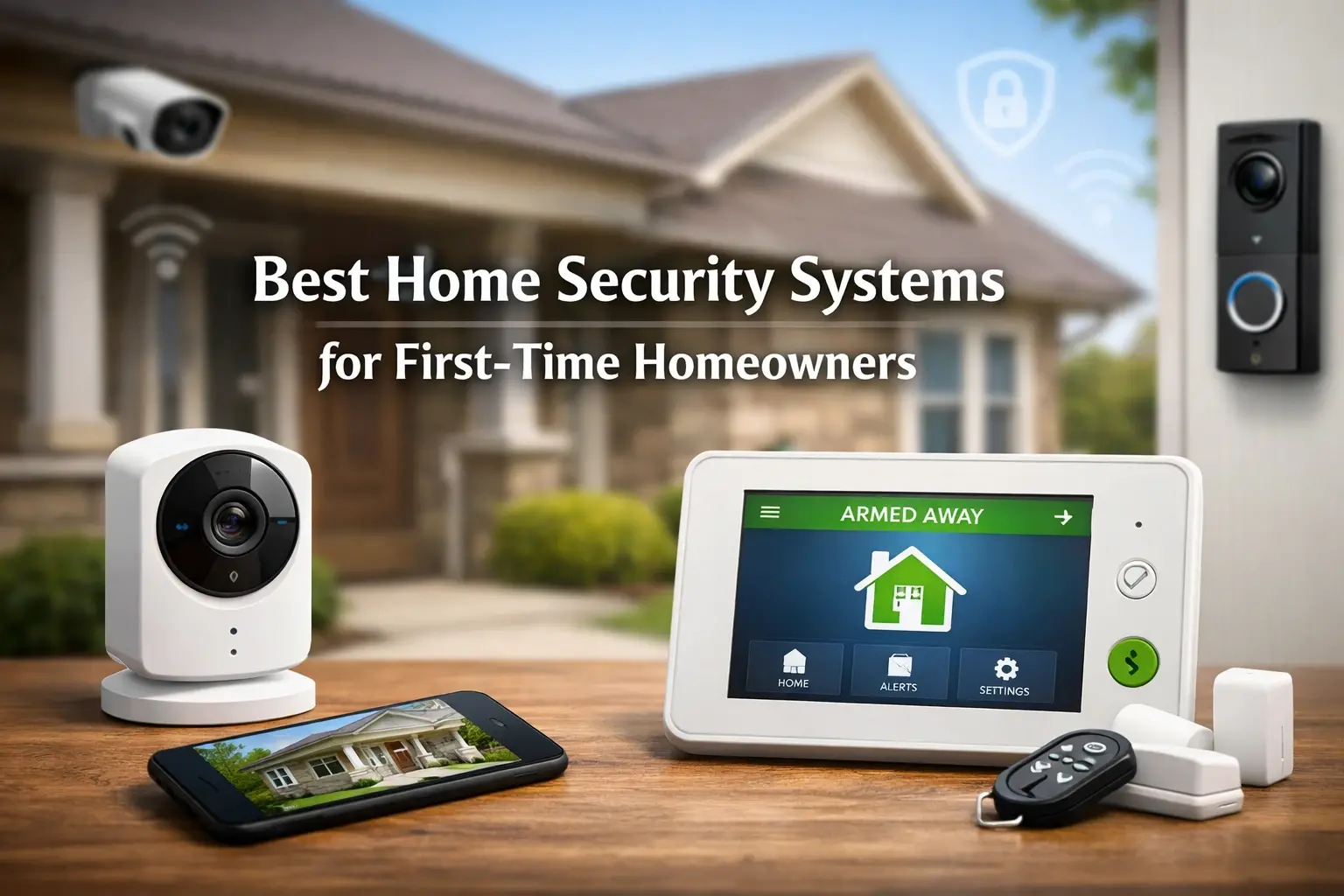
The core components of a typical self-monitored system include:
- Control Panel/Hub: The central brain of the system, connecting all sensors and communicating alerts.
- Sensors: Devices that detect intrusions, such as door/window contact sensors, motion detectors, glass break sensors, and environmental sensors (smoke, CO, water leak).
- Cameras: Indoor and outdoor cameras that provide visual verification of events and allow for remote monitoring.
- Sirens: Audible alarms designed to deter intruders and alert occupants.
- Mobile App: The interface through which homeowners receive alerts, arm/disarm the system, view camera feeds, and manage settings.
The key differentiator is the absence of a mandatory monthly fee for monitoring services. While some systems may offer optional professional monitoring add-ons, the fundamental operation relies on the homeowner's direct engagement.
The Core Advantages: Why Choose Self-Monitoring?
The appeal of self-monitored systems lies in a combination of factors that resonate strongly with today's consumers. These advantages address common concerns about cost, control, and privacy, offering a modern approach to home protection.
1. Enhanced Control and Autonomy
Perhaps the most significant benefit is the unparalleled level of control it grants homeowners. You are the primary decision-maker. When an alert is received, you have the immediate ability to review camera footage, assess the situation through your own judgment, and decide whether to involve emergency services. This eliminates the potential for miscommunication or delays that can sometimes occur with a third-party monitoring center. For instance, if a pet triggers a motion sensor, you can quickly see it’s a false alarm and disarm the system without needing to explain the situation to an operator. This autonomy fosters a sense of empowerment and direct responsibility for your home's safety.
2. Significant Cost Savings
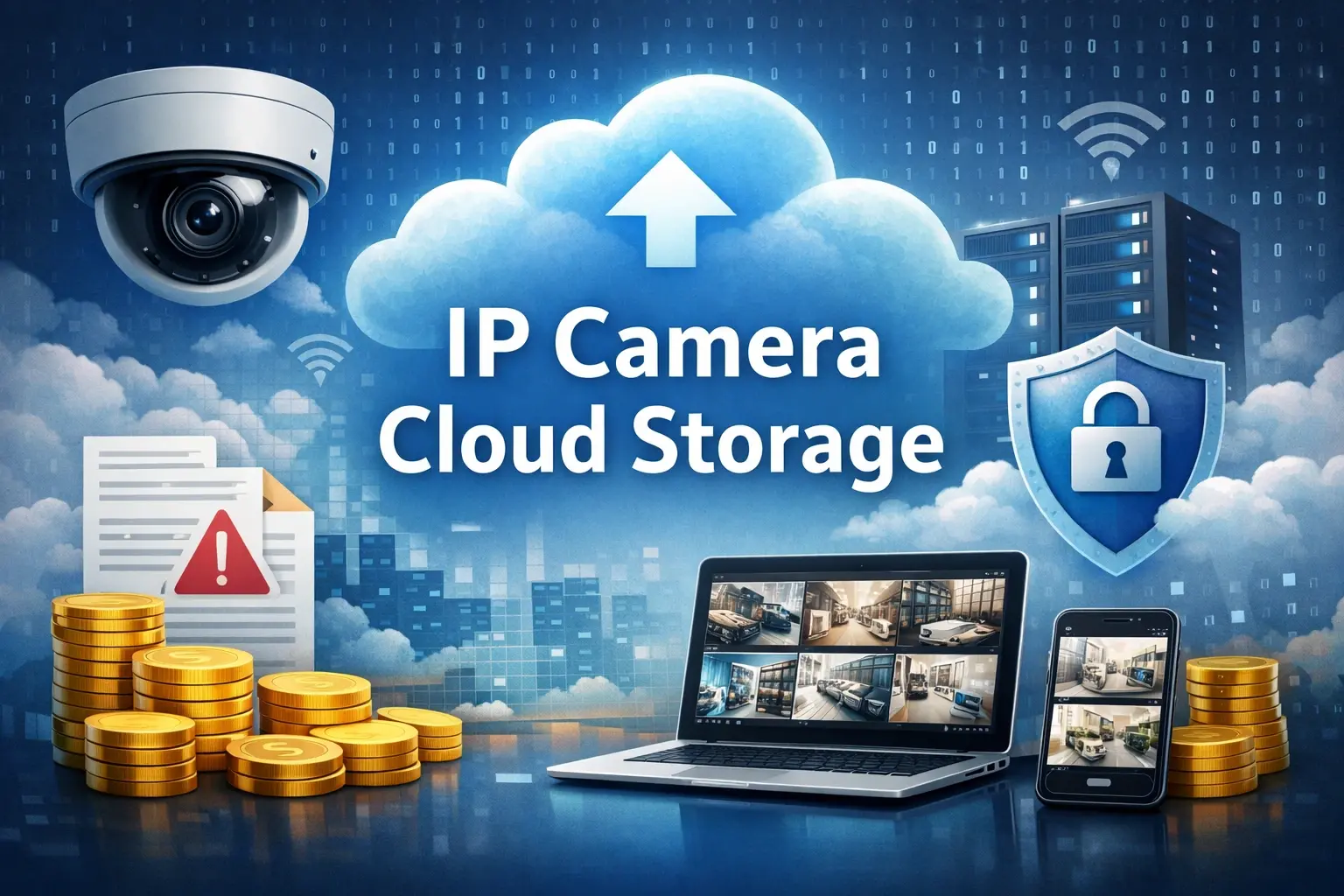
The absence of mandatory monthly monitoring fees is a major draw. While professionally monitored systems can cost anywhere from $30 to $60+ per month, self-monitored systems typically involve a one-time purchase of equipment. This can translate into hundreds, if not thousands, of dollars saved over the lifespan of the system. While there might be optional cloud storage fees for camera footage or premium app features, these are generally far less than traditional monitoring costs. In 2025, with rising living costs, this financial benefit is more attractive than ever.
3. Greater Privacy
With a self-monitored system, your home's security data – including sensor activity and camera feeds – remains primarily under your control. You are not sharing this sensitive information with a third-party company that might have its own data handling policies. While cloud storage for footage involves sharing data with a service provider, the choice of provider and the level of access are typically determined by the homeowner. This direct control over personal data is a growing concern for many, making self-monitored solutions a more appealing option.
4. Flexibility and Scalability
Self-monitored systems are often highly modular and scalable. You can start with a basic kit and gradually add more sensors, cameras, or other devices as your needs and budget allow. This flexibility means you can tailor the system precisely to your home's layout and your specific security concerns. Whether you live in a small apartment or a large family home, you can customize the system to provide comprehensive coverage without being locked into a package that offers more than you need.
5. Ease of Use and Installation
Many modern self-monitored systems are designed with the DIY homeowner in mind. They often feature wireless components that are easy to install without the need for professional wiring or complex setup. The accompanying mobile apps are typically intuitive, allowing users to easily arm/disarm the system, manage devices, and review alerts. This accessibility democratizes home security, making it achievable for a wider range of individuals.
Unpacking the Cost-Effectiveness
The financial argument for self-monitored systems is compelling. Let's break down the cost structure compared to traditional professionally monitored systems, using current 2025-2026 data and projections.
Initial Investment vs. Recurring Fees
Professionally monitored systems often have a lower upfront equipment cost, sometimes even offering "free" equipment with a long-term contract. However, this is offset by substantial monthly monitoring fees. A typical contract might range from 2 to 5 years, with monthly fees averaging $40. Over five years, this amounts to $2,400 in monitoring costs alone, not including potential installation fees or price increases.
Self-monitored systems, on the other hand, require a higher initial investment for the equipment. A comprehensive starter kit with a hub, a few door/window sensors, a motion detector, and a camera can range from $200 to $600, depending on the brand and features. However, once purchased, there are no mandatory recurring monitoring fees. Some optional services, like extended cloud storage for video footage, might incur a monthly fee, but these are typically in the range of $5-$15 per month, significantly less than professional monitoring.
Long-Term Savings Analysis (2025-2026)
Consider a homeowner who purchases a self-monitored system for $400. If they opt for cloud storage at $10 per month, their annual cost is $120. Over five years, the total cost is $400 (equipment) + $600 (cloud storage) = $1,000. This is a saving of at least $1,400 compared to a professionally monitored system with $40 monthly fees ($2,400).
Table: Cost Comparison Over 5 Years (Estimates for 2025-2026)
| Feature | Professionally Monitored System | Self-Monitored System (with optional cloud storage) |
|---|---|---|
| Initial Equipment Cost | Low to Moderate (often subsidized with contract) | Moderate to High |
| Monthly Monitoring Fee | $30 - $60+ | $0 (mandatory) |
| Optional Cloud Storage/Features | Often included or tiered | $5 - $15 (typical) |
| Total Cost Over 5 Years (Example) | ~$2,400 - $3,600+ (based on $40/month) | ~$1,000 - $1,300 (based on $400 equipment + $10/month) |
These figures highlight the substantial long-term financial advantage of choosing a self-monitored approach. This cost-effectiveness makes advanced home security accessible to a broader demographic, including renters, young families, and budget-conscious homeowners.
Unmatched Control and Flexibility
The ability to manage your home security on your own terms is a cornerstone of the self-monitored system's appeal. This extends beyond just receiving alerts; it encompasses the entire user experience.
24/7 Remote Access
With a robust mobile app, you can monitor your home from anywhere in the world. Whether you're at work, on vacation, or simply running errands, you have real-time access to your system's status. You can arm or disarm the system remotely, check sensor activity, and view live or recorded video feeds from your cameras. This constant connectivity provides a profound sense of security, knowing you can always keep an eye on your property.
Customizable Alerts and Notifications
Self-monitored systems offer a high degree of customization for alerts. You can choose which events trigger notifications and how you receive them. For example, you might want immediate push notifications for door openings but only daily summaries for motion detection in low-traffic areas. This granular control prevents alert fatigue and ensures you are only notified of events that truly matter.
Tailoring the System to Your Lifestyle
The flexibility to add or remove components allows you to adapt the system to your evolving needs. If you get a pet, you can switch to pet-immune motion sensors. If you start a home business, you might add more door sensors to your office or garage. If you travel frequently, you might invest in more outdoor cameras. This modularity ensures your security system grows and adapts with you, rather than becoming obsolete or inadequate.
No Long-Term Contracts
A significant advantage is the freedom from restrictive long-term contracts often associated with professionally monitored services. You own the equipment outright and are not beholden to a provider for years. This freedom allows you to switch providers or upgrade your system at any time without penalty. This contract-free model aligns perfectly with the modern consumer's desire for flexibility and avoidance of long-term commitments.
Leveraging Modern Technology
The effectiveness and user-friendliness of self-monitored systems are heavily reliant on the advancements in consumer technology over the past few years. These innovations have made sophisticated security accessible and intuitive.
Wireless Connectivity and Smart Hubs
Modern systems predominantly use wireless communication protocols like Wi-Fi, Z-Wave, and Zigbee. This eliminates the need for unsightly wires and complex installations. Smart hubs act as the central nervous system, seamlessly connecting all sensors and devices. Many hubs also integrate with voice assistants like Amazon Alexa and Google Assistant, allowing for voice control of the security system (e.g., "Alexa, arm the house").
High-Definition Cameras with Advanced Features
Consumer-grade security cameras have seen dramatic improvements. In 2025, high-definition (1080p and above) resolution is standard, offering crystal-clear footage. Advanced features now commonly include:
- Night Vision: Infrared LEDs provide clear visibility in complete darkness.
- Motion Detection Zones: Users can define specific areas within the camera's view to trigger alerts, reducing false alarms from passing cars or trees.
- Two-Way Audio: Allows for real-time communication with visitors or to deter potential intruders.
- Person Detection: AI-powered algorithms differentiate between people, animals, and vehicles, sending more relevant alerts.
- Weatherproofing: Essential for outdoor cameras, ensuring durability against the elements.
AI and Machine Learning
Artificial intelligence is increasingly integrated into self-monitored systems. AI algorithms can learn patterns of activity in a home, distinguishing between normal occurrences and potential threats. This leads to more accurate alerts and fewer false alarms. For example, a system might learn that a specific sensor is frequently triggered by a family member arriving home at a certain time and adjust its sensitivity or notification priority accordingly.
Cloud Storage and Analytics
Cloud-based storage solutions allow for secure backup of video footage, accessible from anywhere. This is crucial for evidence in case of an incident. Furthermore, cloud platforms can offer advanced analytics, such as facial recognition (though privacy concerns are paramount here) or heat mapping of activity within a property. These technologies enhance the system's intelligence and provide deeper insights into home activity.
Seamless Installation and User-Friendly Setup
One of the primary barriers to entry for home security has historically been the perceived complexity of installation and setup. Self-monitored systems have largely dismantled this barrier, focusing on a user-friendly, often DIY, experience.
DIY Installation: A Step-by-Step Overview
Most modern self-monitored systems are designed for easy DIY installation. The process typically involves the following steps:
- Unboxing and Charging: Unpack all components and ensure any rechargeable batteries are fully charged.
- Downloading the App: Download the system's dedicated mobile app from your device's app store.
- Setting up the Hub: Connect the central hub to your home's Wi-Fi network, usually by following on-screen prompts in the app. This might involve scanning a QR code or entering network credentials.
- Pairing Sensors: Follow the app's instructions to pair each sensor. This often involves pulling a battery tab or pressing a button on the sensor while the hub is in pairing mode. The app will guide you on where to place each sensor (e.g., "Place this door sensor on your front door").
- Mounting Devices: Use the provided adhesive strips or screws to mount sensors on doors, windows, or walls. Cameras can be placed on shelves or mounted on walls/ceilings.
- Configuring Settings: Within the app, you can name your sensors (e.g., "Living Room Window"), set entry/exit delays, customize notification preferences, and link any smart home devices.
- Testing the System: Conduct a full system test by triggering each sensor to ensure it communicates with the hub and sends alerts correctly.
The entire process for a typical system can often be completed in under an hour, making professional installation unnecessary for most users.
User-Friendly Interfaces
The accompanying mobile applications are the gateway to managing your security. Leading self-monitored systems boast intuitive interfaces that make it easy to:
- Arm and disarm the system (often with customizable PINs or biometric login).
- View live camera feeds and recorded events.
- Receive and manage alerts.
- Check the status of all sensors and devices.
- Adjust system settings and user permissions.
- Access support resources and FAQs.
This focus on user experience ensures that individuals of all technical abilities can effectively operate and maintain their home security system.
Smart Home Integration: A Synergistic Approach
The true power of modern self-monitored systems is amplified when integrated into a broader smart home ecosystem. This synergy creates a more intelligent, automated, and responsive home environment.
Voice Control
As mentioned, integration with voice assistants like Amazon Alexa and Google Assistant is becoming standard. This allows for hands-free operation. For example, you can say, "Hey Google, arm the house in away mode," or "Alexa, show me the front door camera." This convenience is particularly useful when your hands are full or when you need to quickly adjust security settings.
Automation Rules and Routines
Many self-monitored systems allow you to create custom automation rules. These rules can trigger actions based on security events or other smart home device statuses. For instance:
- When the alarm is triggered: Automatically turn on all smart lights to deter intruders and make them more visible for neighbors.
- When you arm the system in "Away" mode: Automatically turn off smart thermostats, lock smart doors, and turn off smart lights.
- When motion is detected outside after sunset: Turn on outdoor smart lights and send a notification with a camera snapshot.
- When a smoke detector is triggered: Unlock all smart doors to facilitate escape and send alerts to designated contacts.
These automations create a more proactive and interconnected home environment, enhancing both security and convenience.
Interoperability with Other Devices
Beyond voice assistants and basic automations, many systems are compatible with platforms like IFTTT (If This Then That), allowing for even more complex integrations with a vast array of smart devices. This interoperability ensures that your security system isn't an isolated component but an integral part of your connected home.
Prioritizing Your Privacy
While the benefits of self-monitored systems are numerous, privacy is a crucial aspect that warrants careful consideration. The control that homeowners have over their data is a significant advantage, but it also comes with responsibilities.
Data Ownership and Control
With a self-monitored system, you generally retain ownership of your security data. Unlike some professionally monitored services where your data might be shared or used for various purposes by the provider, you have more direct control. You decide which cloud services (if any) you use for video storage and what level of access third-party apps or integrations have.
Secure Communication Protocols
Reputable self-monitored security providers use robust encryption protocols (e.g., AES-256) for communication between devices, the hub, and the cloud. This ensures that your data is protected from unauthorized access during transmission. It’s important to choose systems that explicitly state their commitment to data security and employ strong encryption standards.
Best Practices for Homeowners
To maximize privacy, homeowners should:
- Use Strong, Unique Passwords: For your Wi-Fi network, the security system app, and any linked cloud accounts.
- Enable Two-Factor Authentication (2FA): Wherever possible, especially for your security system account and cloud storage.
- Be Mindful of Camera Placement: Position cameras to monitor entry points and common areas, avoiding private spaces like bedrooms or bathrooms unless absolutely necessary and with explicit consent.
- Regularly Review Permissions: Check which apps and devices have access to your security system and revoke access for any that are no longer needed.
- Understand Cloud Storage Policies: Read the privacy policies of any cloud storage provider to understand how your data is stored, accessed, and protected.
By taking these proactive steps, homeowners can enjoy the benefits of self-monitored security while maintaining a high level of privacy.
Addressing Potential Drawbacks and Finding Solutions
While self-monitored systems offer many advantages, it's important to acknowledge potential drawbacks and understand how to mitigate them. Acknowledging these points allows for a more informed decision.
1. Response Time and User Availability
Drawback: The primary responsibility for responding to alerts falls on the homeowner. If you are in an area with no cell service, in a meeting, or otherwise unable to respond immediately, there might be a delay in contacting emergency services. This is the most significant difference compared to professional monitoring, where trained operators are always on standby.
Solution:
- Designated Contacts: Set up a list of trusted neighbors or family members who can be alerted if you are unavailable.
- Smart Notifications: Configure your system to send urgent alerts to multiple devices or contacts simultaneously.
- Optional Professional Monitoring Add-on: Many self-monitored systems offer an optional professional monitoring service that can be activated for a monthly fee, providing a hybrid solution for added peace of mind during times of absence or specific concerns.
- Leverage Video Verification: The ability to quickly view live feeds allows for rapid assessment, often enabling faster dispatch than traditional systems if a genuine threat is confirmed.
2. False Alarms
Drawback: Homeowners are responsible for identifying false alarms. Incorrectly placed sensors, pets, or environmental factors can trigger unnecessary alerts, leading to potential frustration or, in some jurisdictions, fines for excessive false alarms if authorities are dispatched unnecessarily.
Solution:
- Strategic Sensor Placement: Carefully follow installation guides and consider pet-immune motion sensors if you have animals.
- Utilize Motion Detection Zones: Configure cameras to ignore irrelevant areas.
- AI-Powered Features: Opt for systems with person/animal detection to reduce false alarms.
- System Testing: Regularly test your system to ensure sensors are calibrated correctly and to familiarize yourself with the alert types.
3. System Reliance on Home Wi-Fi and Power
Drawback: Most self-monitored systems rely on your home's Wi-Fi network for communication and AC power for the hub and cameras. An internet outage or power failure can render the system temporarily inoperable.
Solution:
- Battery Backup: Ensure your hub has a battery backup that can power it for several hours during an outage.
- Cellular Backup (Optional): Some higher-end systems offer an optional cellular backup module, which can maintain communication even if your internet goes down. This often comes with a small monthly fee.
- Uninterruptible Power Supply (UPS): Consider a UPS for your modem, router, and security hub to provide extended power during outages.
- Local Storage Options: Systems with local SD card storage for cameras can still record footage even if the internet is down, which can be retrieved later.
4. Learning Curve for Advanced Features
Drawback: While basic operation is simple, configuring advanced automations or integrating with a complex smart home setup might require a steeper learning curve for some users.
Solution:
- Utilize Online Resources: Most manufacturers provide comprehensive online tutorials, user manuals, and community forums.
- Start Simple: Begin with basic security functions and gradually explore advanced features as you become more comfortable.
- Seek Community Support: Online forums and user groups can be invaluable for troubleshooting and learning from other users' experiences.
By understanding these potential challenges and implementing the suggested solutions, homeowners can effectively leverage the benefits of self-monitored security with confidence.
Selecting the Ideal Self-Monitored System for Your Needs
With a growing market, choosing the right self-monitored system can seem daunting. Here’s a guide to help you make an informed decision in 2025-2026.
Assess Your Security Needs
Before looking at specific products, consider:
- Property Size and Layout: How many entry points are there? Are there specific areas of concern (e.g., back door, garage)?
- Occupancy: Do you have pets? Are there frequent visitors?
- Existing Smart Home Devices: What platform do you primarily use (e.g., Alexa, Google Home)?
- Budget: What is your upfront budget for equipment, and what is your acceptable monthly cost for optional services like cloud storage?
- Technical Comfort Level: How comfortable are you with DIY installation and app-based management?
Key Features to Look For
When comparing systems, prioritize these features:
- Reliable Connectivity: Strong Wi-Fi performance and compatibility with common protocols (Wi-Fi, Z-Wave, Zigbee).
- Comprehensive Sensor Options: Availability of door/window sensors, motion detectors, glass break sensors, environmental sensors (smoke, CO, water).
- High-Quality Cameras: HD resolution, good night vision, two-way audio, and intelligent motion detection.
- User-Friendly Mobile App: Intuitive interface, customizable notifications, and remote access capabilities.
- Smart Home Compatibility: Integration with major voice assistants and smart home platforms.
- Optional Cellular Backup: For enhanced reliability during internet outages.
- Battery Backup for Hub: Essential for continuous operation during power outages.
- Reputable Brand and Support: Look for brands with good customer reviews, clear warranty policies, and accessible customer support.
- Data Security Measures: Encryption and clear privacy policies.
Popular System Types to Consider
While specific brands evolve, common categories include:
- All-in-One Kits: Bundled packages offering a hub, sensors, and sometimes a camera. Great for beginners.
- Modular Systems: Allow you to build your system piece by piece, offering maximum customization.
- Camera-Centric Systems: Primarily focus on video surveillance with smart detection features, often including basic sensor capabilities.
Researching current top-rated systems from reputable tech review sites in late 2025 and early 2026 will provide the most up-to-date product recommendations.
Real-World Scenarios: Peace of Mind in Action
To illustrate the practical benefits of self-monitored systems, consider these scenarios from 2025:
Scenario 1: The Unexpected Visitor
Situation: Sarah is at work, and her self-monitored system detects motion at her front door. She receives an instant alert on her phone with a snadoorbell cameradoorbell camera. She sees it's a delivery driver leaving a package. She can see the package is secure, and she can dismiss the alert without any further action. If it had been an unknown individual lingering suspiciously, she could have used the two-way audio to speak to them or alerted a neighbor.
Benefit: Real-time verification, immediate awareness, and the ability to take proactive steps without involving authorities for routine events.
Scenario 2: The Vacation Home Check
Situation: The Miller family is on vacation. They receive an alert that a window sensor in their home office has been triggered. John quickly accesses the live feed from the indoor camera in that room. He sees that their cat, Mittens, has knocked over a plant. He can see the cat is unharmed and the damage is minimal. He reassures himself and his wife, and they continue their vacation without unnecessary worry.
Benefit: Peace of mind knowing they can monitor their property remotely and distinguish between genuine threats and minor household incidents.
Scenario 3: Deterring a Potential Intruder
Situation: Late at night, a motion sensor in the backyard of the Chen residence is triggered. The system automatically turns on the outdoor floodlights and sends an alert to Mrs. Chen's phone. She views the camera feed and sees a shadowy figure attempting to open a shed door. She immediately uses the two-way audio to shout, "I'm calling the police!" The figure flees the property. Mrs. Chen then contacts the police to report the attempted break-in, providing them with the video evidence.
Benefit: Active deterrence through integrated lighting and communication, immediate notification, and valuable evidence for law enforcement.
Scenario 4: Environmental Awareness
Situation: A water leak sensor installed in the basement of the Rodriguez home detects moisture. An alert is sent to their phones. They are at a friend's house across town. They can immediately head home, preventing significant water damage. If they had a professionally monitored system without water sensors, the damage could have been extensive before it was detected.
Benefit: Early detection of environmental hazards, preventing costly damage and potential health issues.
These scenarios highlight how self-monitored systems empower homeowners with timely information and the ability to act, ensuring their property and loved ones are protected effectively.
The Future of Self-Monitored Security
The trajectory of self-monitored home security points towards even greater intelligence, seamless integration, and user empowerment. By 2026, we can anticipate several key developments:
- Advanced AI and Predictive Analytics: Systems will become even better at distinguishing normal activity from potential threats, reducing false alarms to near zero. AI may predict potential vulnerabilities based on patterns of behavior and environmental data.
- Enhanced Biometric Integration: Beyond fingerprint or facial recognition for app access, we might see more integrated biometric sensors for arming/disarming directly at entry points.
- Greater Interoperability and Standardization: Efforts towards universal smart home standards will lead to more seamless integration between different brands of security devices and other smart home products, regardless of manufacturer.
- 5G and Edge Computing: The rollout of 5G networks will enable faster communication and lower latency for mobile alerts and live streaming. Edge computing will allow more data processing to occur directly on the device or hub, reducing reliance on the cloud for certain functions and improving response times.
- Subscription Models Evolving: While core self-monitoring will remain fee-free, expect more sophisticated optional subscription tiers offering advanced AI features, enhanced cloud storage, and potentially even on-demand professional monitoring services that can be activated as needed.
- Focus on Cybersecurity: As systems become more connected, the emphasis on robust cybersecurity measures to protect against hacking and data breaches will intensify, with manufacturers investing heavily in advanced encryption and intrusion detection.
These advancements suggest a future where home security is not only more effective and affordable but also more intuitive and seamlessly integrated into our daily lives.
Conclusion: Empowering Your Home Security
In conclusion, self-monitored home security systems represent a significant evolution in how we protect our homes. They offer a powerful combination of robust security features, unparalleled control, and substantial cost savings, making them an increasingly attractive option for homeowners in 2025 and beyond. By leveraging advanced technology, intuitive design, and the flexibility of smart home integration, these systems empower individuals to take direct charge of their safety and peace of mind. While considerations like user availability and system reliance on home infrastructure are important, the solutions are readily available, often through optional add-ons or smart configuration. The decision to adopt a self-monitored system is a step towards a more secure, autonomous, and cost-effective approach to safeguarding what matters most. Embrace the power of self-monitoring and secure your peace of mind today.