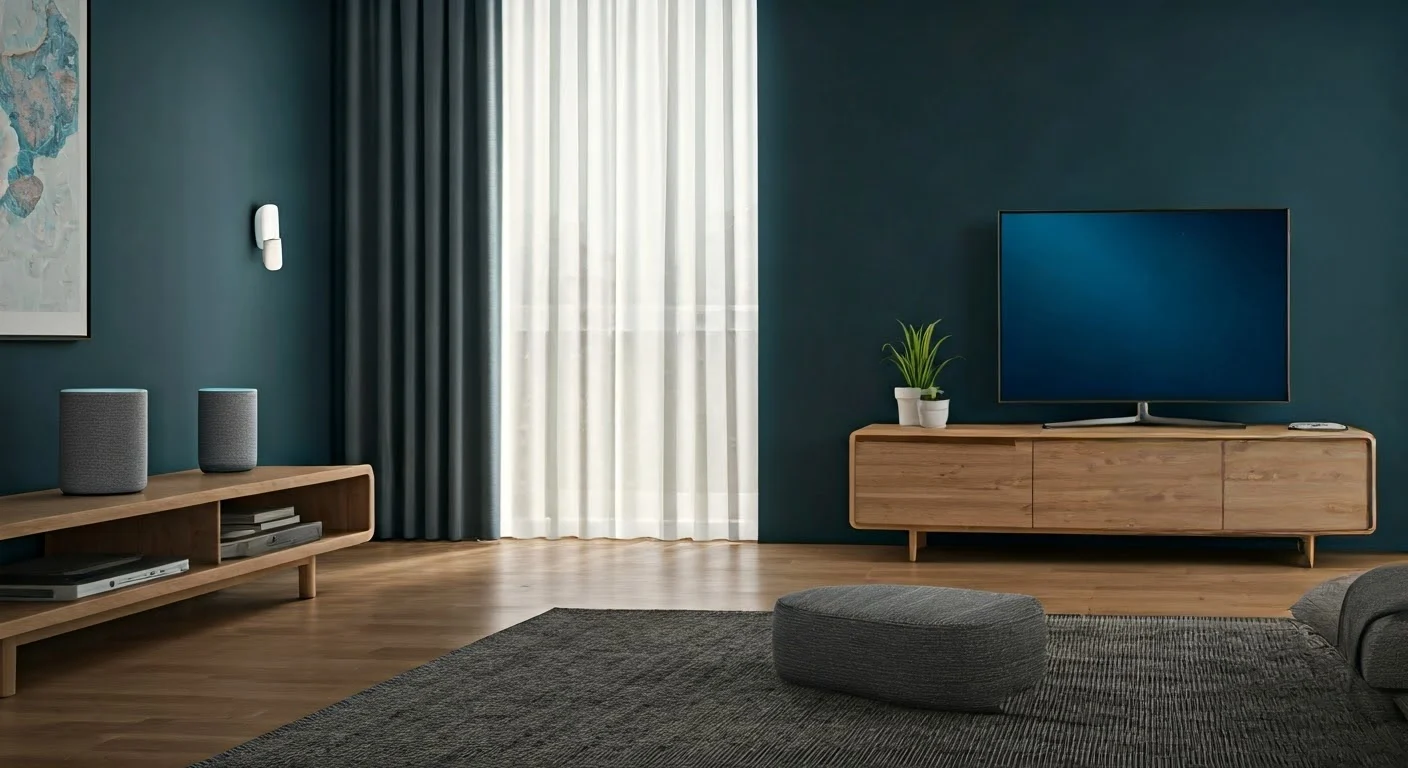
Discover how smart home automation systems can transform your daily life, offering unparalleled convenience, enhanced security, and significant energy savings. This guide explores the core components and benefits, empowering you to create a truly intelligent living space.
What is Smart Home Automation?
Smart home automation refers to the integration of technology into a home's infrastructure to enable remote control and automated operation of various devices and systems. These systems allow homeowners to manage lighting, climate, entertainment, security, and appliances through a central hub, smartphone app, or voice commands. The core idea is to create a more comfortable, efficient, and secure living environment by making everyday tasks effortless and responsive to user needs and preferences. In essence, it's about making your home work for you, anticipating your needs and simplifying your routines. The market for smart home devices is projected to reach over $170 billion globally by 2026, indicating a strong consumer interest in these technologies.
The Evolution from Basic Control to Intelligent Living
Early forms of home automation were rudimentary, often involving simple timers for lights or thermostats. However, the advent of the internet, Wi-Fi, and sophisticated software has propelled us into an era of truly intelligent living. Today's smart homes are not just about remote control; they learn from user behavior, adapt to changing conditions, and communicate with each other to create seamless experiences. This evolution is driven by advancements in artificial intelligence (AI), machine learning (ML), and the Internet of Things (IoT), which connect a vast array of devices to the internet, enabling them to collect data, communicate, and perform actions autonomously. This interconnectedness is the backbone of modern smart home automation.
Core Components of a Smart Home System
A smart home system typically comprises several key components that work in harmony:
- Smart Hubs/Controllers: These act as the central brain of the smart home, connecting and managing all other smart devices. They translate commands and ensure seamless communication between different brands and protocols. Examples include Amazon Echo, Google Nest Hub, and Apple HomePod.
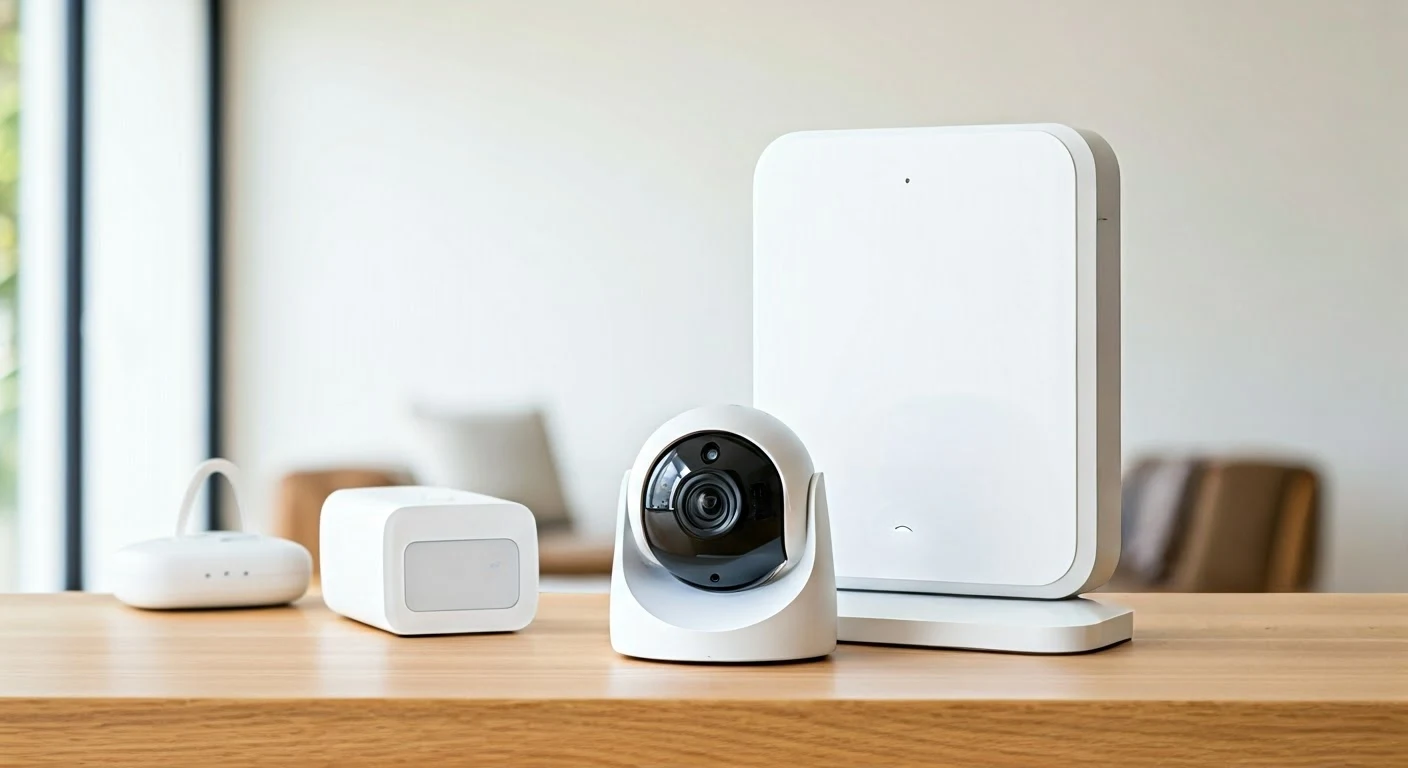
- Smart Devices: These are the individual gadgets that perform specific functions, such as smart lights, thermostats, locks, cameras, speakers, and appliances.
- Connectivity: This refers to the network infrastructure that allows devices to communicate. Wi-Fi is the most common, but other protocols like Zigbee, Z-Wave, and Bluetooth are also crucial for specific device types.
- User Interface: This is how you interact with your smart home. It can be a smartphone app, a dedicated control panel, or voice assistants like Alexa or Google Assistant.
Key Benefits of Smart Homes
The appeal of smart home automation extends far beyond mere novelty. It offers tangible benefits that enhance daily life in numerous ways. By strategically implementing smart technologies, homeowners can experience significant improvements in comfort, security, energy efficiency, and overall lifestyle. The integration of these systems is not just about convenience; it's about creating a more responsive, sustainable, and secure living environment.
Unparalleled Convenience and Comfort
Perhaps the most immediate benefit of smart home automation is the sheer convenience it offers. Imagine waking up to lights that gradually brighten, your favorite music playing softly, and the coffee maker already brewing. With a smart home, these scenarios become reality. You can control your home's environment from anywhere using your smartphone.
- Automated Routines: Set up "morning" or "evening" routines that adjust lights, temperature, and even start your dishwasher with a single command or at a scheduled time.
- Voice Control: Hands-free operation is a game-changer. Ask your voice assistant to turn off the lights, lock the doors, or play a movie without lifting a finger.
- Remote Access: Forgot to turn off the lights? Stuck in traffic and want to adjust the thermostat? Smart home apps allow you to manage your home from miles away.
- Personalized Environments: Create custom lighting scenes for different moods or activities, or set personalized temperature zones in different rooms.
By automating mundane tasks, smart homes free up valuable time and mental energy, allowing occupants to focus on more important aspects of their lives. This reduction in daily friction contributes significantly to a more relaxed and enjoyable living experience.
Enhanced Security and Peace of Mind
Smart home technology significantly bolsters home security, offering advanced monitoring and control capabilities. This provides homeowners with greater peace of mind, whether they are at home or away.
- Smart Locks: Grant temporary access to guests or service providers remotely, receive notifications when doors are locked or unlocked, and eliminate the need for physical keys.
- Smart Cameras and Doorbells: Monitor your property in real-time, receive alerts for motion detection, and communicate with visitors at your doorstep from your smartphone.
- Smart Sensors: Detect water leaks, smoke, or carbon monoxide, and send immediate alerts to your phone, potentially preventing significant damage or danger.
- Simulated Occupancy: Program lights and other devices to turn on and off randomly when you're away, making it appear as though someone is home and deterring potential intruders.
The ability to monitor and control access points, combined with proactive alerts for potential threats, transforms home security from a passive system to an active, intelligent guardian. This proactive approach is a significant upgrade over traditional security measures.
Significant Energy Savings and Sustainability
Smart home automation plays a crucial role in reducing energy consumption and promoting a more sustainable lifestyle. By intelligently managing energy usage, homeowners can significantly lower their utility bills and minimize their environmental footprint.
- Smart Thermostats: Learn your habits and adjust heating and cooling automatically, reducing energy waste when you're asleep or away. Many can be controlled remotely, allowing you to warm up or cool down your home before you arrive.
- Smart Lighting: Automatically turn off lights in unoccupied rooms, dim lights based on natural light levels, and schedule lights to turn off at specific times.
- Energy Monitoring: Track the energy consumption of individual appliances and identify energy-guzzling devices, allowing for informed decisions about usage.
- Smart Plugs: Turn any appliance into a "smart" one, allowing you to remotely turn them off and prevent "vampire drain" from devices that consume power even when not in use.
According to a 2025 study by the National Renewable Energy Laboratory, smart thermostats alone can reduce heating and cooling costs by up to 15%. This translates to substantial savings over time and a significant contribution to environmental conservation efforts. The integration of smart home technology is a key step towards building more efficient and eco-friendly homes.
Increased Home Value and Appeal
In today's competitive real estate market, smart home features are becoming increasingly desirable for potential buyers. Homes equipped with integrated automation systems often command higher prices and sell faster.
- Modern Appeal: A smart home signals a modern, technologically advanced living space, attracting a wider range of buyers.
- Convenience Factor: The promise of effortless living and enhanced security is a powerful selling point.
- Energy Efficiency: Lower utility bills are a significant draw for cost-conscious buyers.
- Future-Proofing: Buyers often see smart homes as an investment in the future, with systems that can be easily upgraded or expanded.
As smart home technology becomes more mainstream, its presence is transitioning from a luxury feature to an expected amenity. Investing in smart home automation can therefore be a sound financial decision, enhancing both your current living experience and the long-term value of your property.
Essential Smart Home Devices
Building a smart home involves selecting the right devices that cater to your needs and preferences. While the possibilities are vast, a few core categories form the foundation of most smart home systems. These devices offer the most significant impact in terms of convenience, security, and efficiency.
Smart Lighting Systems
Smart lighting offers more than just remote control; it allows for mood creation, energy savings, and enhanced security.
- Smart Bulbs: These replace traditional bulbs and can be controlled individually or in groups via an app or voice command. They offer features like dimming, color changes, and scheduling. Brands like Philips Hue, LIFX, and Wyze offer popular options.
- Smart Switches and Dimmers: These replace your existing light switches, making all the lights connected to them "smart" without needing to replace individual bulbs. This is a cost-effective solution for controlling multiple fixtures.
- Smart Plugs: While not directly lighting, smart plugs can control lamps and other plug-in lighting fixtures, making them controllable via your smart home system.
The ability to schedule lights to turn on at dusk and off at dawn, or to create specific ambiance for movie nights, transforms the way you interact with your home's lighting.
Smart Thermostats
Smart thermostats are crucial for managing your home's climate efficiently and comfortably. They go beyond simple scheduling by learning your preferences and adapting to your lifestyle.
- Learning Capabilities: Devices like the Nest Learning Thermostat and ecobee SmartThermostat learn your daily routines and temperature preferences, automatically creating an energy-saving schedule.
- Remote Control: Adjust your home's temperature from anywhere via your smartphone, ensuring comfort upon arrival and saving energy when away.
- Geofencing: Some thermostats use your phone's location to automatically adjust the temperature when you leave or approach home.
- Energy Reports: Receive detailed reports on your energy usage, helping you identify further savings opportunities.
By optimizing heating and cooling, smart thermostats can lead to significant reductions in energy bills, contributing to both your finances and environmental sustainability.
Smart Security Devices
The integration of smart technology into home security provides unprecedented control and awareness.
- Smart Locks: Offer keyless entry, remote locking/unlocking, and the ability to grant temporary access codes to visitors. Popular brands include August, Schlage, and Yale.
- Smart Doorbells: Provide video surveillance of your front door, allowing you to see, hear, and speak to visitors remotely. Ring and Nest Doorbell are leading options.
- Security Cameras: Indoor and outdoor cameras offer continuous monitoring, motion detection alerts, and cloud storage for recorded footage. Arlo, Wyze, and Eufy are well-regarded brands.
- Smart Sensors: Include contact sensors for doors and windows, motion detectors, and environmental sensors (smoke, CO, water leak) that can trigger alerts and automate responses.
These devices work together to create a comprehensive security network, providing constant vigilance and immediate notification of any potential issues.
Smart Speakers and Voice Assistants
Smart speakers are often the gateway to a smart home, acting as voice-controlled interfaces for managing other devices and accessing information.
- Voice Control: The primary function is to control other smart devices, play music, set timers, answer questions, and manage your calendar using simple voice commands.
- Central Hub: Many smart speakers, like Amazon Echo and Google Nest devices, can also act as a central hub for Zigbee or Thread-enabled devices, simplifying setup.
- Intercom Functionality: Communicate with other Echo or Nest devices within your home.
Brands like Amazon (Alexa), Google (Google Assistant), and Apple (Siri) dominate this space, each offering a unique ecosystem of compatible devices and services.
Smart Appliances
The "smart" revolution is extending to everyday appliances, bringing added convenience and efficiency.
- Smart Refrigerators: Feature internal cameras to see contents remotely, digital displays for notes and recipes, and even inventory management.
- Smart Ovens: Allow for remote preheating, temperature monitoring, and access to guided cooking programs.
- Smart Washing Machines and Dryers: Offer remote start/stop, cycle notifications, and optimized wash programs based on fabric type.
- Robot Vacuums: Automate floor cleaning, often with smart mapping and scheduling capabilities.
While smart appliances can be a larger investment, they offer significant convenience and can integrate seamlessly into broader home automation routines.
Getting Started with Smart Home Automation
Embarking on the journey of smart home automation can seem daunting, but a structured approach makes it manageable and rewarding. The key is to start small, focus on your immediate needs, and gradually expand your system.
Step 1: Identify Your Needs and Priorities
Before purchasing any devices, consider what aspects of your home life you most want to improve.
- Convenience: Are you looking to automate daily routines like turning on lights or adjusting the thermostat?
- Security: Is enhanced monitoring and control of your home's entry points a priority?
- Energy Efficiency: Do you want to reduce your utility bills and environmental impact?
- Entertainment: Are you interested in integrated audio-visual systems and voice-controlled media?
By clearly defining your goals, you can make informed decisions about which devices and systems will provide the most value.
Step 2: Choose Your Smart Home Ecosystem
Most smart home devices are designed to work within specific ecosystems, often tied to a voice assistant.
- Amazon Alexa: Wide range of compatible devices, excellent voice recognition.
- Google Assistant: Strong integration with Google services, good for information retrieval.
- Apple HomeKit: Focuses on privacy and security, seamless integration with Apple devices.
- Samsung SmartThings: Offers broad compatibility with various protocols and brands, providing flexibility.
Consider the devices you already own and which ecosystem best aligns with your existing technology. This initial choice will influence future device compatibility.
Step 3: Start with a Core Set of Devices
It's wise to begin with a few key devices that address your top priorities.
- For Convenience: A smart speaker and a few smart plugs or smart bulbs.
- For Security: A smart lock and a smart doorbell or a couple of security cameras.
- For Energy Efficiency: A smart thermostat and smart plugs.
This allows you to get a feel for how smart home technology works without an overwhelming investment.
Step 4: Ensure Network Reliability
A robust Wi-Fi network is essential for a smooth smart home experience.
- Strong Router: Ensure your Wi-Fi router can handle multiple connected devices. Consider upgrading to a mesh Wi-Fi system for larger homes to eliminate dead spots.
- Network Security: Implement strong passwords and consider a separate network for your IoT devices if your router supports it.
A weak or unreliable network can lead to connectivity issues and frustration.
Step 5: Gradually Expand and Integrate
Once you're comfortable with your initial setup, you can begin adding more devices and exploring more complex automations.
- Inter-device Communication: Explore how devices can trigger actions in others (e.g., a door sensor opening to turn on a light).
- Advanced Routines: Create more sophisticated routines that involve multiple devices and conditions.
- Voice Control Integration: Ensure all your new devices are compatible with your chosen voice assistant.
The beauty of smart home automation is its scalability. You can tailor your system to grow with your needs and technological advancements.
Choosing the Right Smart Home System
Selecting the right smart home system is a critical decision that impacts compatibility, ease of use, and future expansion. There isn't a single "best" system; rather, the ideal choice depends on your individual needs, budget, and existing technology.
Understanding Different System Architectures
Smart home systems can be broadly categorized based on their architecture and control methods.
- Hub-Based Systems: These rely on a central hub (e.g., Samsung SmartThings, Hubitat) that acts as a translator between different devices and protocols (Zigbee, Z-Wave, Wi-Fi). They offer robust control and the ability to function even without an internet connection for local automations.
- Hub-Less Systems: These systems primarily use Wi-Fi and cloud-based services, often controlled directly via smartphone apps or voice assistants (e.g., many devices compatible with Alexa or Google Assistant). They are generally easier to set up but may rely more heavily on internet connectivity.
- Ecosystem-Specific Systems: Apple HomeKit is a prime example, focusing on tight integration within the Apple ecosystem, prioritizing privacy and local control where possible.
Compatibility and Interoperability
A key consideration is ensuring that your chosen devices and systems can communicate with each other.
- Protocols: Look for devices that support common protocols like Wi-Fi, Bluetooth, Zigbee, and Z-Wave. Some hubs are designed to bridge these protocols.
- "Works With" Certifications: Check if devices are certified to work with your chosen ecosystem (e.g., "Works with Alexa," "Works with Google Assistant," "Works with Apple HomeKit").
- Matter Standard: The emerging Matter standard aims to unify smart home devices, making them interoperable across different brands and ecosystems. Prioritizing Matter-certified devices can future-proof your setup.
Ease of Installation and Use
For most users, simplicity is paramount.
- DIY vs. Professional Installation: Many smart home devices are designed for easy DIY installation, while more complex systems might benefit from professional setup.
- Intuitive Apps: The accompanying smartphone apps should be user-friendly, offering clear controls and straightforward automation setup.
- Voice Assistant Integration: Seamless integration with voice assistants significantly enhances ease of use.
Scalability and Future-Proofing
Your smart home system should be able to grow with your needs.
- Expandability: Can you easily add new devices and categories of automation later on?
- Software Updates: Ensure the system receives regular software updates to improve functionality and security.
- Support for New Technologies: Consider systems that are likely to adopt new standards like Matter.
Budget Considerations
Smart home technology ranges from affordable individual devices to comprehensive, high-end systems.
- Entry-Level: Start with a smart speaker and a few smart plugs or bulbs.
- Mid-Range: Add smart thermostats, locks, and cameras.
- High-End: Consider integrated whole-home systems, smart appliances, and advanced lighting control.
It's often more practical to build your system incrementally, investing in quality devices that meet your current needs and are likely to remain supported.
Advanced Automation Scenarios
Once the basics are in place, you can explore more sophisticated automation scenarios that truly leverage the power of a connected home. These advanced setups go beyond simple on/off commands to create dynamic, responsive environments.
Automated Security and Lighting Integration
Combine security events with lighting actions for enhanced safety and deterrence.
- Motion Detection to Light: When motion is detected outdoors after dark, trigger outdoor lights and perhaps an indoor hallway light to turn on.
- Door Sensor to Welcome Light: When the front door is unlocked and opened between sunset and sunrise, turn on entryway lights to a welcoming brightness.
- "Away" Mode with Lights: When you activate an "Away" mode, have lights in unoccupied rooms turn off, and a few random lights in other rooms turn on at scheduled intervals to simulate occupancy.
Climate Control Based on Occupancy and Schedule
Optimize energy usage by intelligently managing your HVAC system.
- Geofencing for Thermostat: When the last person leaves the house (detected by their phone's location), set the thermostat to an energy-saving "Away" temperature. When the first person returns, resume the "Home" temperature.
- Room Occupancy for HVAC: Using motion sensors in different rooms, adjust HVAC vents or fan speeds to direct conditioned air only where it's needed, reducing waste.
- Window Sensor Integration: If a smart window sensor detects an open window while the AC or heat is running, send an alert and optionally turn off the HVAC system.
Entertainment and Ambiance Automation
Create immersive entertainment experiences with synchronized devices.
- "Movie Night" Scene: A single voice command or button press dims the main lights, closes smart blinds, turns on the TV and soundbar, and sets accent lighting to a specific color.
- Morning Routine with Music and Lights: Schedule lights to gradually brighten, followed by your favorite morning playlist starting at a comfortable volume.
- "Dinner Party" Ambiance: Set specific lighting levels and colors, and play a curated playlist throughout the house.
Smart Irrigation and Outdoor Automation
Extend automation to your outdoor spaces for convenience and resource conservation.
- Weather-Aware Sprinklers: Smart sprinkler systems can check local weather forecasts and skip watering cycles if rain is expected, saving water.
- Sunrise/Sunset Lighting: Automate outdoor lighting to turn on at sunset and off at sunrise, or at specific times.
- Smart Garage Door Control: Automatically open the garage door as you approach home and close it once you're inside, or receive notifications if the door is left open.
Voice Control for Complex Tasks
Leverage the power of voice assistants to trigger multi-step automations.
- "Good Morning" Routine: Combine turning on lights, adjusting the thermostat, announcing the weather and calendar, and starting the coffee maker.
- "Leaving Home" Routine: Turn off all lights, lock doors, arm security system, and adjust thermostat with a single command.
- Custom Commands: Create personalized voice commands for specific actions or sequences of events.
These advanced scenarios showcase the true potential of smart home automation, transforming a house into an intelligent, responsive environment that adapts to your life.
Security and Privacy Considerations
As smart homes become more integrated into our lives, addressing security and privacy concerns is paramount. The interconnected nature of these devices presents both opportunities and challenges that homeowners must understand and manage.
Securing Your Smart Home Network
The foundation of a secure smart home is a secure network.
- Strong, Unique Passwords: Use complex passwords for your Wi-Fi network and for each smart device account. Avoid default passwords.
- Router Security: Keep your router's firmware updated, disable remote administration if not needed, and consider enabling WPA3 encryption if supported.
- Guest Network: Set up a separate guest Wi-Fi network for visitors and potentially for your IoT devices to isolate them from your main network.
- Two-Factor Authentication (2FA): Enable 2FA on all smart home accounts for an extra layer of security.
Device Security and Updates
The security of individual devices is also critical.
- Reputable Brands: Purchase devices from well-known manufacturers that have a track record of providing security updates.
- Regular Updates: Keep the firmware of your smart devices and your router up to date. Manufacturers often release patches to address security vulnerabilities.
- Review Permissions: Be mindful of the permissions you grant to smart home apps.
Privacy Concerns with Connected Devices
Many smart devices collect data about your habits and environment.
- Data Collection Policies: Understand what data your devices collect, how it's used, and where it's stored. Review the privacy policies of manufacturers.
- Voice Assistant Privacy: Be aware that voice assistants are always listening for their wake word. You can often review and delete voice recordings.
- Camera and Microphone Usage: Be conscious of where cameras and microphones are placed and ensure they are only active when intended.
Protecting Against Cyber Threats
Smart homes can be targets for cybercriminals.
- Phishing Awareness: Be wary of suspicious emails or messages that ask for your smart home account credentials.
- Secure Remote Access: Ensure that any remote access to your home network is secured through strong authentication.
- Limit Device Exposure: Only connect devices to the internet that truly need to be online.
By taking a proactive approach to security and privacy, you can enjoy the benefits of smart home automation with greater confidence and peace of mind.
The Future of Smart Home Automation
The evolution of smart home automation is far from over. As technology continues to advance, we can expect even more sophisticated, integrated, and intuitive smart home experiences. The focus is shifting from individual device control to a truly interconnected and intelligent living environment that anticipates needs and enhances well-being.
AI and Machine Learning Integration
Artificial intelligence (AI) and machine learning (ML) will play an increasingly significant role. Homes will become more proactive, learning user preferences and behaviors to automate tasks and optimize environments without explicit commands. Imagine a home that adjusts lighting and temperature based on your mood, or a security system that can distinguish between a pet and an intruder with higher accuracy.
Enhanced Interoperability with Matter
The Matter standard is poised to revolutionize smart home compatibility. By providing a unified framework, Matter will allow devices from different manufacturers to communicate seamlessly, breaking down current ecosystem silos. This will simplify setup, expand device choices, and create more robust and flexible smart home systems.
Edge Computing and Local Processing
While cloud processing is common today, the future will see a greater reliance on edge computing, where data is processed locally on devices or hubs. This will lead to faster response times, improved reliability (as systems can function without constant internet access), and enhanced privacy, as sensitive data remains within the home.
Integration with Health and Wellness
Smart homes will increasingly integrate with health and wellness technologies. Devices will monitor air quality, sleep patterns, and even provide gentle nudges for physical activity. Imagine a home that can alert you to potential health issues based on subtle changes in your daily routines or environmental conditions.
Sustainability and Energy Management
The drive for sustainability will continue to shape smart home development. Advanced energy management systems will optimize consumption based on grid demand, renewable energy availability, and real-time pricing. Homes will become more energy-efficient, contributing to both cost savings and environmental protection.
Personalized and Adaptive Environments
The ultimate goal is a home that truly understands and adapts to its occupants. Future smart homes will offer highly personalized experiences, tailoring lighting, sound, temperature, and even scent to individual preferences and activities. The home will become a seamless extension of its residents, enhancing comfort, productivity, and overall quality of life.
The journey towards a fully automated and intelligent home is an exciting one. By understanding the current landscape and looking towards future innovations, homeowners can make informed decisions to simplify their lives and embrace the transformative power of smart home technology.
Conclusion
Simplify your life with smart home automation systems by embracing a future where convenience, security, and efficiency are seamlessly integrated into your daily living. From the foundational benefits of automated routines and enhanced security to the significant energy savings and increased home value, the advantages are clear and compelling. As explored, starting with a clear understanding of your needs, choosing a compatible ecosystem, and gradually expanding your system are key to a successful smart home journey. Advanced scenarios, such as integrated security and lighting, or climate control based on occupancy, unlock the true potential of a connected home. Crucially, maintaining robust network security and being mindful of privacy considerations will ensure a safe and trustworthy experience. The future promises even more intelligent and adaptive homes, driven by AI, enhanced interoperability, and a focus on sustainability and wellness. Take the first step today to transform your house into a smart, responsive, and effortlessly managed sanctuary.