Unlock a new era of convenience, security, and efficiency with a smart home. This guide explores the transformative wonders of intelligent living, detailing how interconnected devices enhance daily life, save energy, and provide peace of mind. Discover the possibilities and begin your journey into a smarter future.
What Exactly is a Smart Home?
A smart home, at its core, is a residence equipped with interconnected devices that can be remotely monitored and controlled. These devices range from lighting and thermostats to security systems and appliances, all working in concert to automate tasks, enhance comfort, and improve efficiency. By leveraging technologies like Wi-Fi, Bluetooth, and Z-Wave, smart homes offer unprecedented levels of convenience and control over our living environments. The concept is not just about gadgets; it's about creating a more responsive, intuitive, and personalized living space that adapts to the needs of its occupants. In 2025, the smart home market is projected to reach over $150 billion globally, underscoring its rapid adoption and the growing consumer demand for integrated home technology. This expansion is driven by advancements in AI, the increasing affordability of smart devices, and a greater understanding of the tangible benefits they offer.
The Unparalleled Benefits of a Smart Home
The allure of a smart home lies in the tangible advantages it brings to everyday life. Beyond the novelty of voice commands, these systems offer profound improvements in how we live, feel, and manage our homes. Let's delve into the core benefits that make smart home technology so compelling.
Unmatched Convenience and Comfort
Imagine waking up to lights that gradually brighten, a thermostat already set to your preferred temperature, and your favorite news briefing playing softly. This is the essence of smart home convenience. Tasks that once required manual effort are now automated or easily managed via a smartphone app or voice command. You can adjust your home's environment from anywhere, ensuring you always return to a welcoming atmosphere. For instance, pre-heating your oven on your commute home or dimming the lights for a movie night becomes effortless. In 2025, user-friendly interfaces and intuitive automation routines are paramount, making the smart home experience accessible to a broader demographic, including those less tech-savvy. The ability to create personalized "scenes" – like a "Good Morning" scene that opens blinds, starts the coffee maker, and adjusts the thermostat – exemplifies this seamless integration of comfort and convenience.
Fortified Security and Peace of Mind
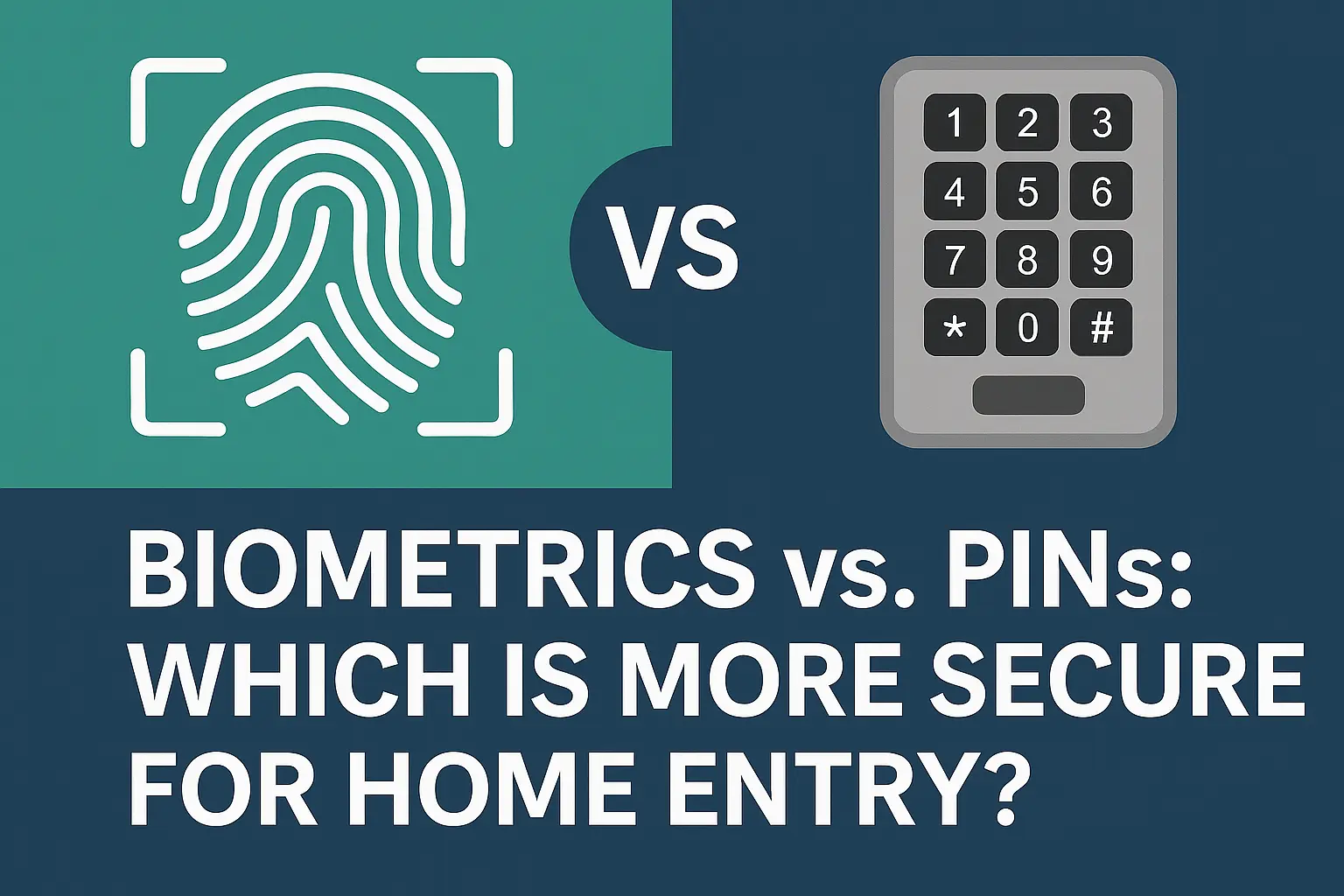
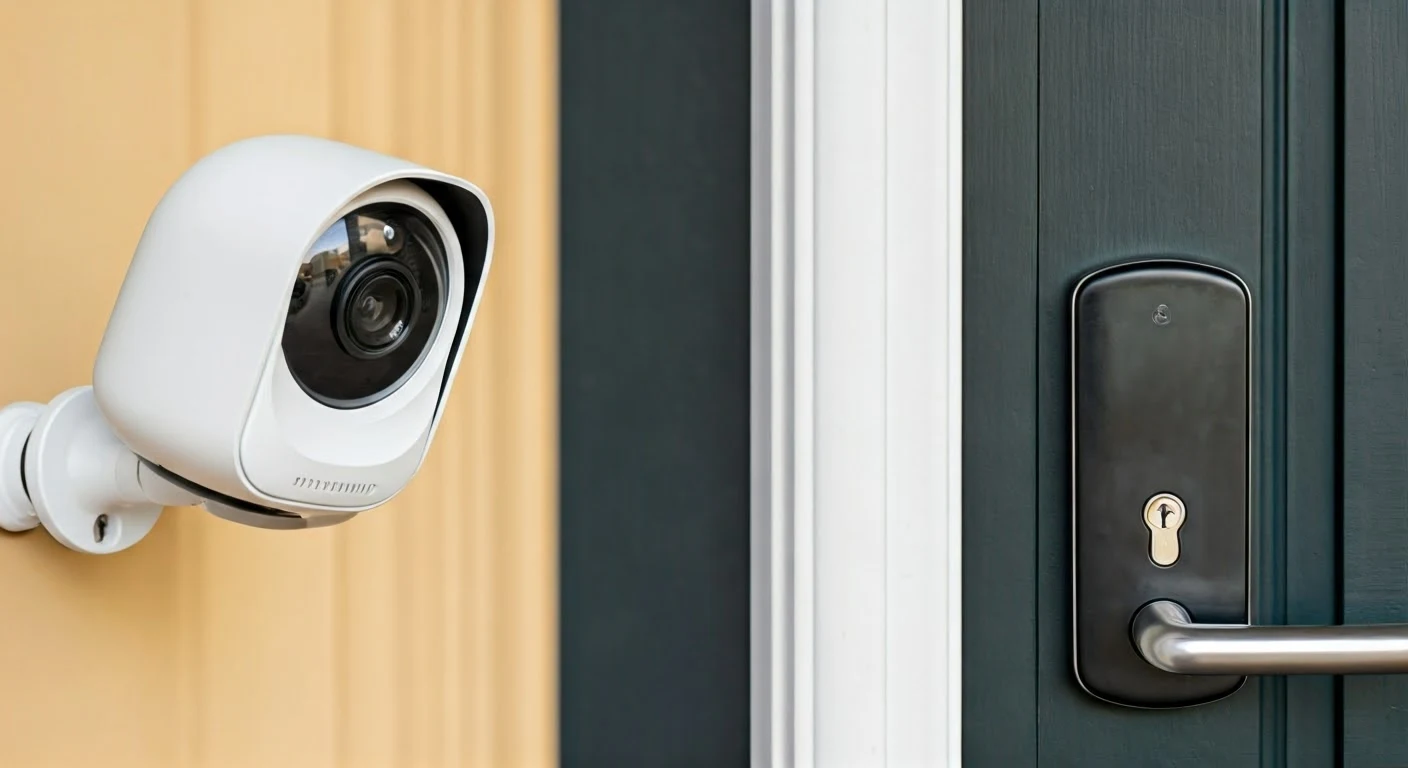
Security is a paramount concern for homeowners, and smart home technology offers robust solutions. Smart locks allow you to grant temporary access to guests or service providers remotely, while smart cameras and video doorbells provide real-time surveillance and alerts. Motion sensors can detect unusual activity, and integrated alarm systems can notify you and emergency services instantly. The ability to check on your home from afar, whether you're at work or on vacation, provides invaluable peace of mind. Statistics from 2025 indicate that smart home security systems are among the most adopted smart home categories, with an estimated 40% of new smart home installations focusing on security features. Furthermore, features like simulated occupancy, where lights and TVs turn on and off randomly to deter potential intruders, add an extra layer of security. The integration of smart smoke and carbon monoxide detectors that send alerts to your phone, even when you're away, is another critical safety enhancement.
Significant Energy Efficiency and Cost Savings
Smart homes are inherently designed to be more energy-efficient. Smart thermostats learn your habits and adjust heating and cooling accordingly, avoiding unnecessary energy consumption when you're away or asleep. Smart lighting systems can be programmed to turn off when rooms are unoccupied or dim based on ambient light. By optimizing energy usage, smart homes not only reduce their environmental impact but also lead to substantial savings on utility bills. Projections for 2025-2026 show that the average household can save between 10-20% on energy costs by implementing smart energy management solutions. Smart plugs can monitor and control the energy consumption of individual appliances, helping to identify and eliminate "vampire drain" – the power consumed by devices when they are in standby mode. The integration of smart home systems with renewable energy sources, such as solar panels, is also becoming more sophisticated, allowing for optimized energy generation and storage.
Improved Accessibility and Support for All
Smart home technology can significantly enhance the quality of life for individuals with disabilities or mobility issues. Voice-activated controls can operate lights, thermostats, entertainment systems, and even doors, reducing the need for physical interaction. Remote monitoring capabilities can provide reassurance for caregivers and family members. For seniors, smart home devices can offer safety alerts, medication reminders, and easier ways to communicate with loved ones. By 2025, the focus on inclusive design means that smart home solutions are increasingly catering to a wider range of needs, making independent living more achievable and safer for more people. Features like smart fall detection sensors and voice-activated emergency calls are becoming standard in assistive smart home packages. The ability to remotely adjust environmental controls, such as lighting and temperature, can also greatly benefit individuals with sensory sensitivities.
Elevated Entertainment and Lifestyle Experiences
Beyond utility, smart homes elevate entertainment and lifestyle. Integrated audio-visual systems allow for seamless music streaming throughout the house, synchronized lighting for movie nights, and voice control over your entire entertainment setup. Imagine asking your smart assistant to play a specific playlist in the kitchen while you cook, or to dim the lights and start your favorite streaming service for a movie. Smart home technology can also automate routines that enhance daily life, such as preparing your morning coffee or watering your garden at optimal times. In 2025, the integration of AI-powered personalized content recommendations and immersive audio-visual experiences is a key trend. The ability to control smart blinds to optimize natural light for reading or gaming, or to create ambient lighting profiles for different moods, further enriches the living experience. Smart refrigerators that track inventory and suggest recipes, or smart mirrors that provide weather updates and news, are examples of how smart technology is weaving itself into the fabric of our daily routines.
The Essential Components of a Smart Home Ecosystem
Building a smart home involves understanding the various devices and how they interact. While the possibilities are vast, a few core components form the backbone of most smart home systems. These elements work together to create a cohesive and functional intelligent environment.
Smart Hubs and Central Controllers
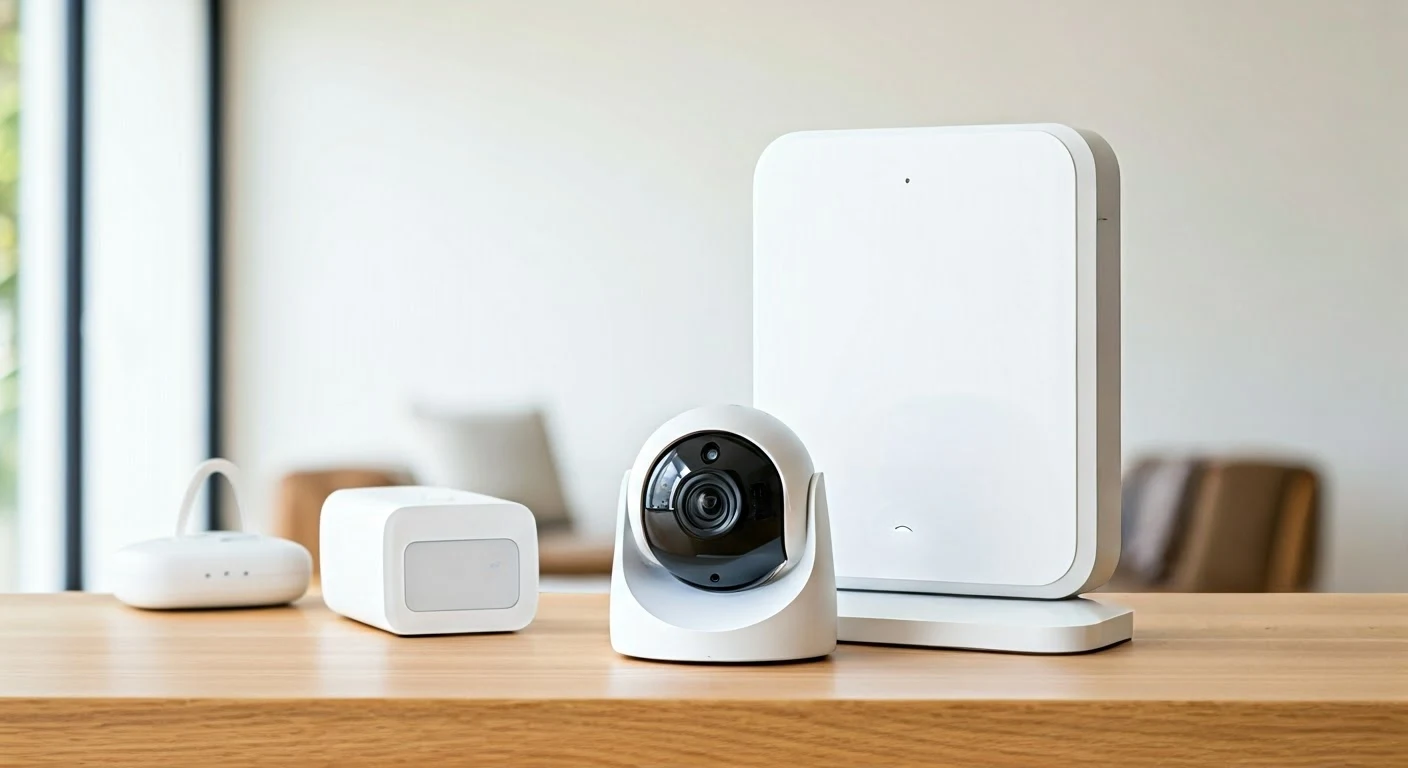
A smart hub, or central controller, acts as the brain of your smart home. It connects to various smart devices using different communication protocols (like Wi-Fi, Bluetooth, Zigbee, Z-Wave) and allows them to communicate with each other and with you. This eliminates the need for multiple apps to control different devices. Popular hubs include Amazon Echo (with Alexa), Google Nest Hub (with Google Assistant), and Apple HomePod (with Siri), as well as dedicated hubs like Samsung SmartThings. In 2025, hubs are increasingly becoming more powerful, supporting a wider array of protocols and offering more advanced automation capabilities. They are also integrating more sophisticated AI for predictive automation and personalized user experiences. The choice of hub often dictates the ecosystem of devices you can easily integrate, so it's a crucial first decision. Some hubs also offer local processing for faster response times and enhanced privacy.
Intelligent Lighting Systems
Smart lighting goes beyond simple on/off functionality. Smart bulbs and switches allow you to control brightness, color temperature, and even color, all remotely. You can schedule lights to turn on at dusk, dim them for ambiance, or have them sync with music or movies. This not only adds convenience and enhances the mood of your home but also contributes significantly to energy savings. By 2025, smart lighting is a cornerstone of smart home adoption, with millions of households benefiting from its features. Innovations include adaptive lighting that mimics natural daylight cycles to improve sleep patterns and productivity, and lighting systems that integrate with security cameras to illuminate intruders. The ease of installation for many smart bulbs, which simply screw into existing fixtures, makes them an excellent entry point into smart home technology.
Climate Control with Smart Thermostats
Smart thermostats are key to managing your home's energy consumption efficiently. They learn your preferences and schedule, automatically adjusting the temperature to optimize comfort and save energy when you're away. Many can be controlled remotely via smartphone apps, allowing you to pre-heat or cool your home before you arrive. Some advanced models even integrate with weather forecasts to make more informed adjustments. In 2025, smart thermostats are increasingly incorporating occupancy sensors and geofencing capabilities to ensure energy is only used when and where it's needed. Integration with smart vents can further refine temperature control room by room. The potential for significant savings on heating and cooling bills makes smart thermostats one of the most practical smart home investments. Some models also provide detailed energy usage reports, helping users understand their consumption patterns.
Advanced Smart Security Devices
The smart home security landscape is vast and ever-evolving. This category includes smart locks, video doorbells, security cameras, motion sensors, window/door sensors, and smart smoke/carbon monoxide detectors. These devices provide remote monitoring, instant alerts, and often, the ability to interact remotely (e.g., speaking through a video doorbell). By 2025, integration between different security devices is seamless, allowing for complex automated responses, such as lights turning on when motion is detected outdoors. The rise of professional monitoring services that integrate with smart home security systems offers an added layer of protection. Features like facial recognition on cameras and smart alerts that distinguish between pets, people, and vehicles are becoming more common, reducing false alarms. The ability to grant temporary access codes to visitors or service personnel via smart locks is a significant convenience for busy households.
Connected Smart Appliances
Smart appliances are bringing intelligence to everyday kitchen and laundry tasks. Refrigerators can track inventory, suggest recipes, and even create shopping lists. Ovens can be preheated remotely, and washing machines can be started or paused from your phone. While still a more premium category, the adoption of smart appliances is growing, driven by their convenience and potential for efficiency. In 2025, smart appliances are increasingly focused on predictive maintenance and personalized usage patterns, learning your routines to optimize performance and energy use. Some smart ovens offer built-in cameras to monitor cooking progress without opening the door, ensuring perfect results. Smart dishwashers can optimize wash cycles based on load size and soil level, saving water and energy. The integration of these appliances into broader smart home routines, such as a "Dinner Time" scene that preheats the oven and adjusts kitchen lighting, is a key development.
Seamless Smart Entertainment
Smart home technology revolutionizes home entertainment. Smart TVs, streaming devices, smart speakers, and soundbars can all be integrated into a unified system. Voice commands can control playback, adjust volume, and even switch between devices. Multi-room audio systems allow you to enjoy music throughout your home, controlled from a single app or voice command. By 2025, the focus is on creating immersive and personalized entertainment experiences, with AI-driven content recommendations and adaptive audio-visual settings. The integration of smart lighting with entertainment systems creates dynamic ambiances for movies or gaming. Imagine a "Movie Night" scene that dims the lights, closes the smart blinds, and starts your chosen film. The ability to cast content seamlessly from any device to any screen in the house is a hallmark of a well-integrated smart entertainment system.
The Power of Voice Assistants
Voice assistants like Amazon Alexa, Google Assistant, and Apple's Siri are the primary interface for many smart homes. They enable hands-free control of connected devices, allowing you to manage your home with simple voice commands. Beyond controlling devices, they can answer questions, set reminders, play music, and much more. In 2025, voice assistants are becoming more conversational, understanding complex commands and context, and offering more proactive assistance. Their integration with AI is enabling them to learn user preferences and anticipate needs. The development of custom voice commands and routines allows users to personalize their interaction with their smart home, making it more intuitive and efficient. The ability to perform multiple actions with a single command, such as "Alexa, I'm home," which could turn on lights, adjust the thermostat, and unlock the door, exemplifies the power of voice-controlled automation.
Getting Started with Your Smart Home Journey
Embarking on the path to a smart home can seem daunting, but with a strategic approach, it becomes an exciting and manageable process. Here’s a step-by-step guide to help you build your intelligent living space.
Step 1: Assess Your Needs and Priorities
Before purchasing any devices, consider what you want your smart home to achieve. Are you primarily interested in enhanced security, energy savings, convenience, or entertainment? Identifying your core needs will help you prioritize which devices to acquire first and which platforms will best suit your goals. For example, if security is paramount, you'll focus on smart locks, cameras, and sensors. If convenience is the driver, smart lighting and thermostats might be your starting point. Think about the daily routines you'd like to automate or simplify. This initial assessment prevents impulse buys and ensures your smart home investments are purposeful and effective. Consider the size of your home, the number of occupants, and any specific challenges you face (e.g., managing energy costs, ensuring elderly relatives are safe).
Step 2: Select Your Smart Home Platform
The smart home ecosystem is built around platforms, often tied to voice assistants. Major platforms include Amazon Alexa, Google Assistant, and Apple HomeKit. Each platform has its own set of compatible devices and unique features. Choosing a primary platform early on will simplify integration and ensure a more cohesive experience. Consider which ecosystem you are already invested in (e.g., if you have an iPhone, HomeKit might be a natural fit; if you use Android and Google services extensively, Google Assistant is a strong contender; Amazon Echo devices are widely popular and compatible). In 2025, interoperability between platforms is improving, but choosing one as your central hub is still recommended for the smoothest operation. Look for platforms that support open standards and have a wide range of third-party device integrations.
Step 3: Start Small and Expand Gradually
You don't need to transform your entire home overnight. Begin with a few key devices that address your most pressing needs. A smart speaker, a few smart bulbs, or a smart thermostat are excellent starting points. Once you become comfortable with these, you can gradually add more devices and complexity. This phased approach allows you to learn how to use and integrate your devices effectively without feeling overwhelmed. It also allows you to spread the cost over time. For instance, start with a smart speaker and a couple of smart plugs to control lamps. Then, consider a smart thermostat for energy savings, followed by smart security devices. This iterative process ensures your smart home evolves with your understanding and needs.
Step 4: Installation and Setup Considerations
Most smart home devices are designed for easy DIY installation. Smart bulbs simply screw into existing sockets, and smart plugs connect between your appliance and the wall outlet. More complex installations, like smart thermostats or security systems, might require basic wiring knowledge or professional help. Always follow the manufacturer's instructions carefully. Ensure you have a stable and robust Wi-Fi network, as this is the backbone of most smart home systems. Consider the placement of your devices for optimal performance and coverage. For example, place Wi-Fi extenders if you have dead zones, and position smart speakers where they can clearly hear your voice commands. In 2025, many manufacturers are offering enhanced setup wizards and in-app tutorials to further simplify the installation process.
Step 5: Prioritize Security Best Practices
As your home becomes more connected, cybersecurity becomes increasingly important. Ensure you use strong, unique passwords for all your smart home accounts and your Wi-Fi network. Enable two-factor authentication whenever possible. Keep your device firmware updated, as updates often include security patches. Be cautious about the permissions you grant to smart home apps. By 2025, robust security protocols are standard, but user vigilance remains critical. Regularly review connected devices and remove any that are no longer in use. Consider segmenting your smart home devices onto a separate guest network if your router supports it, to further isolate them from your primary network. Understanding the privacy policies of the devices and platforms you use is also a crucial step in safeguarding your data.
The Future of Smart Homes: Trends for 2025-2026
The evolution of smart homes is relentless, with exciting advancements shaping the landscape for 2025 and 2026. One of the most significant trends is the increasing integration of Artificial Intelligence (AI) and Machine Learning (ML). AI will move beyond simple automation to predictive and proactive assistance, anticipating user needs before they are even expressed. Imagine your home adjusting lighting and temperature based on your calendar, or proactively suggesting energy-saving measures based on real-time usage patterns. Interoperability is another key focus. The Matter standard, designed to improve compatibility between different smart home devices and platforms, is gaining traction. This will lead to a more seamless experience, allowing devices from various manufacturers to work together effortlessly, regardless of their underlying protocols. The focus on sustainability and energy efficiency will intensify, with smart homes playing a crucial role in managing energy consumption, integrating with smart grids, and optimizing the use of renewable energy sources. Expect more sophisticated energy monitoring and management systems. Privacy and security will continue to be paramount, with advancements in on-device processing and end-to-end encryption becoming more commonplace to protect user data. The rise of the "ambient home" will also be notable, where technology fades into the background, becoming more intuitive and integrated into the living environment, providing comfort and control without being obtrusive. Furthermore, the integration of smart homes with health and wellness technologies will grow, with devices monitoring air quality, sleep patterns, and even offering personalized fitness guidance. The smart home is evolving from a collection of connected devices to an intelligent, responsive, and personalized ecosystem that actively enhances our lives.
Conclusion: Embracing the Intelligent Living Revolution
Exploring the wonders of a smart home reveals a future where technology seamlessly enhances our daily lives. From the unparalleled convenience and comfort offered by automated routines to the robust security that provides genuine peace of mind, the benefits are transformative. The significant energy efficiencies translate into tangible cost savings, while improved accessibility ensures that intelligent living is inclusive for everyone. As we've seen, the core components – smart hubs, lighting, thermostats, security devices, appliances, and entertainment systems – work in harmony, orchestrated by intuitive voice assistants. Getting started is straightforward: assess your needs, choose a platform, begin with a few key devices, ensure proper installation, and always prioritize security. The trends for 2025-2026 point towards even greater intelligence, interoperability, and sustainability, making the smart home an indispensable part of modern living. Embrace the intelligent living revolution; your smarter, more comfortable, and secure home awaits.