Top Toys for Dogs Left Alone at Home
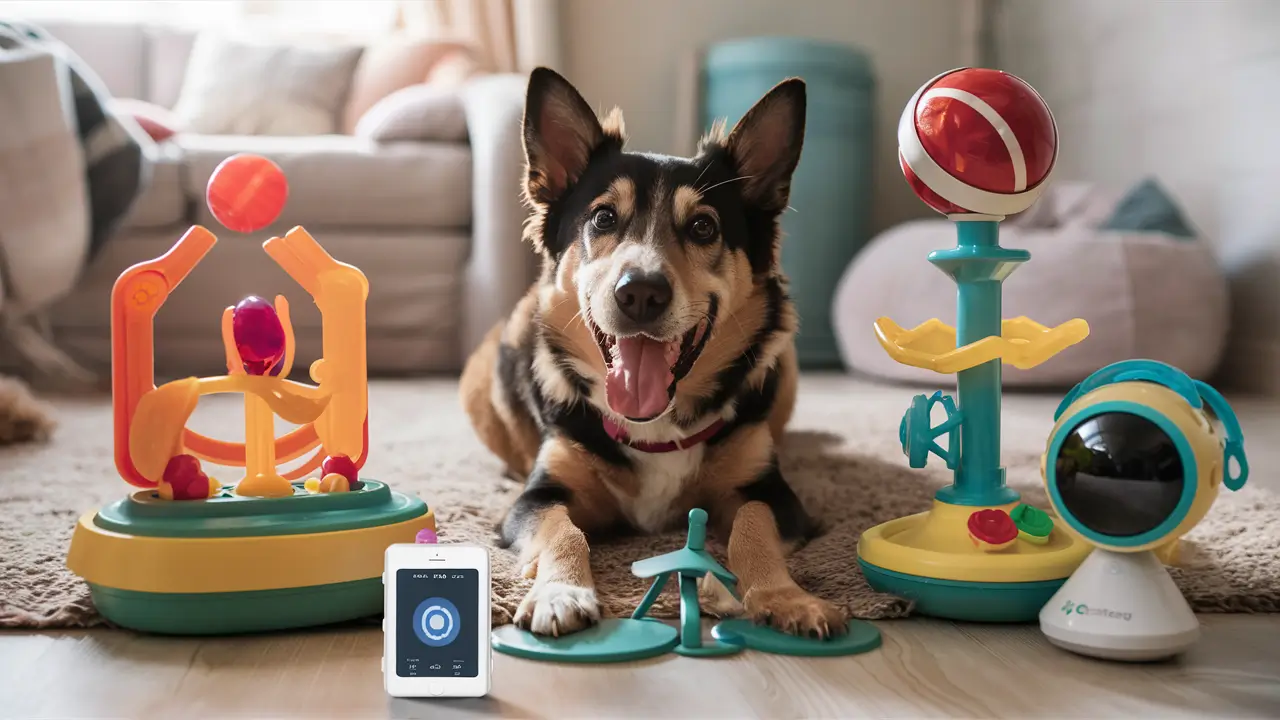
Leaving your beloved canine companion home alone can spark anxiety for both of you. This guide provides the top toys for dogs left alone at home, designed to keep them entertained, mentally stimulated, and less prone to destructive behaviors, ensuring a happier return for everyone.
Understanding Dog Loneliness and Boredom
Dogs are inherently social creatures. When left alone for extended periods, they can experience separation anxiety, boredom, and a lack of mental stimulation. This can manifest in various undesirable behaviors such as excessive barking, destructive chewing, house soiling, and even self-harm. According to a 2025 survey by the American Veterinary Medical Association (AVMA), approximately 15-20% of dogs exhibit symptoms of separation anxiety, with many more experiencing significant boredom when left unsupervised. Boredom isn't just about a lack of activity; it's a state where a dog's cognitive needs are not being met. This can lead to frustration, stress, and a decline in overall well-being. Providing appropriate mental and physical engagement through toys is crucial for mitigating these issues. The goal is to redirect their natural instincts and energy into constructive outlets, making their alone time a positive or at least neutral experience rather than a source of distress.
Types of Toys for Dogs Left Alone
Not all toys are created equal when it comes to keeping a dog occupied and content while you're away. The most effective toys are those that engage their minds, satisfy their natural instincts, and provide a sense of accomplishment. We've categorized the best types of toys to consider:
Interactive Food-Dispensing Toys
These toys are designed to dispense treats or kibble as the dog manipulates them. This taps into a dog's natural foraging instincts and provides a rewarding challenge. The effort required to get the reward keeps them engaged for longer periods. They also help slow down fast eaters, promoting better digestion.
Puzzle Toys
Similar to food-dispensing toys, puzzle toys require dogs to solve a problem to access a reward. These can range from simple sliders to complex multi-level contraptions. They are excellent for cognitive stimulation, improving problem-solving skills, and preventing mental fatigue. The difficulty level can often be adjusted to suit your dog's intelligence and experience.
Durable Chew Toys
Chewing is a natural and essential behavior for dogs. It helps relieve stress, clean their teeth, and satisfy their oral fixation. For dogs left alone, durable chew toys provide a healthy outlet for this instinct, preventing them from chewing on furniture or other inappropriate items. The key here is durability; toys that break apart easily can pose a choking hazard.
Scent Games and Snuffle Mats
Dogs have an incredible sense of smell, which is their primary way of exploring the world. Scent games and snuffle mats allow them to use this powerful sense indoors. Snuffle mats, for instance, are fabric mats with numerous folds and pockets where treats can be hidden. Dogs must use their noses to sniff out and retrieve the hidden rewards, providing a highly engaging and mentally taxing activity.
Comfort and Calming Toys
For dogs who experience significant anxiety when left alone, comfort toys can be invaluable. These might include plush toys that emit a heartbeat sound or provide gentle warmth, mimicking the presence of a littermate or their mother. While not strictly "play" toys, they serve a vital role in emotional regulation and providing a sense of security.
Top Toy Recommendations for 2025-26
Based on current trends in canine behavior, toy innovation, and owner feedback, here are some of the top-performing toys for dogs left alone at home. We've considered durability, engagement, safety, and mental stimulation. Statistics from 2025 indicate a growing demand for enrichment toys, with sales increasing by 18% compared to the previous year.
KONGs and Similar Fillable Toys
Overview: The KONG Classic remains a gold standard for a reason. Its unpredictable bounce makes it fun to chase, and its hollow center is perfect for stuffing with treats, peanut butter, yogurt, or kibble. Freezing the stuffed KONG can significantly extend the engagement time.
Why it's great for dogs left alone:
- Long-lasting engagement: The effort to extract the filling provides hours of entertainment.
- Mental stimulation: Requires problem-solving to get the treats out.
- Reduces anxiety: The focused activity can distract from feelings of loneliness.
- Durable: Made from tough, natural rubber that can withstand vigorous chewing for most dogs.
Variations: KONG offers different sizes and levels of durability (e.g., KONG Extreme for power chewers). Other brands offer similar fillable rubber toys, often with added features like squeakers or textured surfaces.
Average Alone Time Engagement: 30 minutes to 2+ hours, depending on stuffing and freezing.
Enrichment Puzzle Feeders
Overview: These go beyond simple treat balls. Brands like the Nina Ottosson by Outward Hound range offer various levels of difficulty, requiring dogs to slide, lift, or spin pieces to reveal hidden compartments of food. They are designed to be challenging but achievable.
Why it's great for dogs left alone:
- Advanced cognitive challenge: Sharpens problem-solving skills and promotes critical thinking.
- Slows down eating: Ideal for dogs who gobble their food, improving digestion.
- Variety of difficulty: Can be tailored to your dog's intelligence and learning curve.
- Reduces boredom: Provides a structured, rewarding activity.
Example: The Nina Ottosson Dog Tornado features four rotating discs, each with multiple treat compartments. Dogs must learn to spin the discs and then lift the lids to access their rewards.
Average Alone Time Engagement: 15 minutes to 1 hour, depending on complexity and dog's skill.
Tough Chewers' Selection
Overview: For dogs who are enthusiastic shredders, toys need to be exceptionally durable. Materials like hardened rubber, nylon, or specific tough plastics are essential. Brands like Benebone and GoughNuts excel in this category.
Why it's great for dogs left alone:
- Satisfies chewing instinct: Prevents destructive chewing on household items.
- Long-lasting: Designed to withstand significant wear and tear.
- Dental benefits: Many textured chew toys help clean teeth and massage gums.
- Stress relief: Chewing is a natural stress reliever for dogs.
Example: The Benebone Wishbone is made from a durable nylon composite, flavored with real bacon or peanut butter. Its ergonomic shape makes it easy for dogs to hold and chew.
Average Alone Time Engagement: Can last for weeks or months of regular use.
Best for Mental Stimulation
Overview: This category overlaps with puzzle toys but specifically focuses on toys that require complex thinking and learning. Snuffle mats and interactive treat-dispensing balls also fall here. The goal is to make the dog "work" for their reward.
Why it's great for dogs left alone:
- Prevents cognitive decline: Keeps their minds sharp and engaged.
- Reduces destructive behaviors: A mentally tired dog is a well-behaved dog.
- Builds confidence: Successfully solving puzzles can boost a dog's self-esteem.
- Simulates foraging: Taps into their natural hunting and searching instincts.
Example: A high-quality snuffle mat like the TEEPAO Snuffle Mat can be filled with kibble or treats, requiring the dog to actively use their nose to find their meal. This can take 20-30 minutes for a dog to fully "clean up."
Average Alone Time Engagement: 20 minutes to 1 hour.
Innovative and Tech Toys
Overview: The pet tech industry is booming. For 2025-26, we're seeing more sophisticated toys that can be controlled remotely or offer interactive features beyond simple treat dispensing. These are often more expensive but can offer unique benefits.
Why it's great for dogs left alone:
- Remote interaction: Some toys allow owners to dispense treats or play games with their dog via a smartphone app.
- Camera integration: Some devices include cameras so owners can check in on their pets.
- Advanced stimulation: Laser toys (used cautiously and with dog-safe patterns) or treat-launching devices can provide novel engagement.
Example: The Furbo Dog Camera is a popular option that allows owners to toss treats remotely and interact via two-way audio. While not a toy itself, it enhances the use of treat-dispensing toys and provides peace of mind.
Average Alone Time Engagement: Varies greatly by toy and user interaction.
How to Choose the Right Toy for Your Dog
Selecting the perfect toy involves understanding your individual dog's needs, personality, and physical characteristics. A toy that works wonders for one dog might be ignored or even dangerous for another. Here’s a breakdown of key factors to consider:
Consider Your Dog's Breed and Size
Breed predispositions: Certain breeds have natural instincts that influence their toy preferences. Herding breeds might enjoy chase toys, while scent hounds will be drawn to nose-work toys. Terriers often love to "destroy" and need very durable options. Retrievers typically enjoy fetch and tug toys.
Size matters: A toy that is too small for a large dog can be a choking hazard. Conversely, a toy that is too large for a small dog can be unwieldy and frustrating. Always choose toys appropriate for your dog's weight and jaw size. For instance, a German Shepherd will need a much larger and more robust KONG than a Chihuahua.
2025 Data Insight: A study published in the Journal of Animal Behavior in 2025 found that breed-specific toy preferences, while not absolute, showed significant correlations, with working breeds showing a higher preference for puzzle toys and companion breeds for comfort items.
Assess Your Dog's Chewing Habits
This is perhaps the most critical factor in toy selection, especially for dogs left alone.
Power Chewers: These dogs can destroy a standard toy in minutes. They need toys made from the toughest materials, such as reinforced rubber, hard nylon, or industrial-grade plastics. Look for terms like "extreme," "tough," or "indestructible" (though no toy is truly indestructible). Examples include GoughNuts rings, KONG Extreme, and certain hard nylon bones.
Moderate Chewers: These dogs enjoy chewing but are less destructive. They can handle a wider variety of durable rubber or nylon toys. They might enjoy toys that offer a bit more texture or squeak, as long as they are still robust enough to withstand consistent chewing.
Gentle Chewers/Nippers: These dogs are less interested in destructive chewing and more in gentle play. They can enjoy softer plush toys (under supervision), rope toys, or lighter rubber toys. For dogs left alone, even gentle chewers need something to occupy their mouths, so a slightly more durable option is still advisable.
2025 Trend: The market for "indestructible" dog toys has seen a 25% increase in demand over the last two years, reflecting the growing number of identified power chewers among pet owners.
Evaluate Your Dog's Temperament and Anxiety Levels
Anxious dogs: If your dog suffers from separation anxiety, toys that provide comfort and a sense of security are paramount. These could include heartbeat toys, warming pads, or familiar-smelling items. Interactive toys that offer a predictable reward can also be calming by providing a focus.
Bored or under-stimulated dogs: These dogs thrive on challenge. Puzzle toys, treat-dispensing toys, and scent games are ideal. The more complex the puzzle, the longer it will keep them engaged and mentally fatigued.
High-energy dogs: While toys can help, they are not a substitute for exercise. However, toys that require physical manipulation, like fetch toys (if safe to leave out) or robust chew toys that they can gnaw on for extended periods, can help burn off some excess energy.
Cautious dogs: Introduce new, complex toys slowly. Some dogs can be intimidated by noisy toys or those with many moving parts. Start with simpler options and gradually increase complexity as they gain confidence.
Safety First: Material and Design
Material: Always opt for non-toxic, durable materials. Avoid toys made from soft plastics, brittle materials, or those that can easily splinter or break into small pieces. Natural rubber, hard nylon, and robust, food-grade plastics are generally safe bets. Check for BPA-free and phthalate-free certifications.
Size and Shape: Ensure the toy is not small enough to be swallowed whole. Avoid toys with small, detachable parts like squeakers (unless securely embedded and the toy is designed for supervised play), eyes, or ribbons that can be chewed off and ingested. The shape should also be considered; some toys can get stuck on a dog's jaw or lodged in furniture.
Wear and Tear: Regularly inspect all toys for signs of damage. Discard any toy that is cracked, broken, or has pieces missing. A damaged toy can become a significant safety hazard. This is especially important for dogs left alone, as you won't be there to intervene if a toy breaks.
Supervision: While the goal is to provide toys for when you're *not* there, it's crucial to introduce new toys under supervision to ensure they are safe and appropriate for your dog. For the first few times, observe how your dog interacts with a new toy to gauge its suitability.
Introducing New Toys to Your Dog
Bringing a new toy into your dog's life, especially one intended for solo play, requires a thoughtful approach to maximize its effectiveness and ensure safety. The goal is to build positive associations and teach your dog that these toys are exciting and rewarding.
- Initial Presentation: Don't just toss the toy and leave. When you first introduce it, present it enthusiastically. Let your dog sniff it, investigate it.
- Interactive Play: Engage with the toy yourself. Roll it, make it bounce, hide a small treat inside and show your dog how to get it out. Make it seem like the most fascinating object in the world.
- Guided Discovery: For puzzle or food-dispensing toys, guide your dog through the initial steps. Show them how to nudge a lever, spin a disc, or paw at a compartment. The first few times, make it relatively easy for them to succeed. This builds confidence and teaches them the toy's purpose.
- Positive Reinforcement: When your dog interacts with the toy correctly, offer praise and perhaps a small, high-value treat. This reinforces the desired behavior.
- Gradual Increase in Difficulty: Once your dog understands the basic mechanics, gradually increase the challenge. For KONGs, start with easier-to-extract fillings and progress to more tightly packed or frozen options. For puzzles, start with fewer steps and increase the complexity.
- "Special Toy" Status: Reserve certain highly engaging toys (like stuffed KONGs or complex puzzles) specifically for when you are leaving. This creates a positive association: "When my human leaves, I get this amazing special toy!"
- Supervise and Observe: For the first few times your dog uses a new toy unsupervised, consider using a pet camera to monitor their interaction. This allows you to intervene if they are struggling excessively, becoming frustrated, or if the toy shows signs of damage.
By following these steps, you can transform a new toy from just an object into a source of joy, engagement, and comfort for your dog during their alone time.
Creating an Enriching Environment Beyond Toys
While toys are a cornerstone of keeping a dog happy when alone, they are just one piece of the puzzle. A truly enriching environment addresses multiple aspects of a dog's well-being. Consider these additional strategies:
- Exercise Before You Leave: A tired dog is a content dog. A good 30-60 minute walk, run, or play session before you depart can significantly reduce their energy and anxiety levels.
- Mental Stimulation Walks: Even short walks can be made more enriching by allowing your dog to sniff and explore at their own pace, rather than rushing through a route.
- Calming Music or White Noise: Many dogs find classical music or specific "dog-calming" playlists soothing. White noise can also help mask external sounds that might trigger anxiety or barking.
- Window Views (with caution): For some dogs, having a safe vantage point to watch the world go by can be stimulating. However, for dogs prone to reactivity or territorial barking, this can be detrimental. Ensure windows are secure and not easily accessible.
- Comfort Items: A familiar bed, a piece of your unwashed clothing (the scent can be comforting), or a special blanket can provide a sense of security.
- Doggy Daycare or Pet Sitters: For dogs who experience severe separation anxiety or simply need more social interaction, professional services are invaluable. A few days a week at daycare can make a huge difference.
- Training Sessions: Short, positive reinforcement training sessions before you leave can tire out their brain and build confidence.
By combining these elements with the right selection of toys, you create a holistic approach to your dog's well-being when you're not present.
Common Mistakes to Avoid
As you strive to provide the best for your dog, it's easy to fall into common traps. Being aware of these can save you time, money, and prevent potential issues.
- Giving Too Many Toys at Once: Overwhelming your dog with a multitude of new toys can lead to them becoming less interested in any single one. Rotate toys to keep them novel and exciting.
- Choosing Toys Based Solely on Aesthetics: A cute toy might not be durable or engaging enough for your dog's needs. Prioritize function and safety over appearance.
- Ignoring Your Dog's Chewing Style: Giving a power chewer a soft plush toy is a recipe for disaster and a potential choking hazard. Likewise, a gentle dog might be frustrated by an overly complex puzzle.
- Not Inspecting Toys Regularly: A damaged toy is a dangerous toy. Make it a habit to check all your dog's toys for wear and tear.
- Assuming All "Indestructible" Toys Are Safe: Even the toughest toys can eventually be broken. Monitor your dog's interaction and be prepared to replace toys as needed.
- Using Toys as a Sole Solution for Separation Anxiety: While toys can help, they are often not enough for severe separation anxiety. This condition typically requires a comprehensive behavior modification plan developed with a veterinarian or certified professional dog trainer.
- Leaving Out Potentially Harmful Items: Ensure any toys left with your dog are made from safe materials and do not have small parts that can be ingested. Avoid leaving rawhides or cooked bones, which can splinter.
Avoiding these mistakes will help ensure that the toys you provide are not only enjoyable but also safe and effective in meeting your dog's needs.
Conclusion: A Happy and Healthy Dog at Home
Providing the right toys for your dog when they are left alone is a profound act of care. It’s about more than just passing the time; it's about supporting their mental health, preventing destructive behaviors, and ensuring their overall well-being. The top toys for dogs left alone at home are those that offer sustained engagement, mental stimulation, and satisfy their natural instincts, like interactive food dispensers, challenging puzzle toys, and durable chew options.
Remember to always prioritize safety by selecting toys made from non-toxic, robust materials that are appropriately sized for your dog. Assess your dog's individual chewing habits, breed characteristics, and temperament to make the best choice. Introducing new toys gradually and positively will help your dog embrace them as valuable companions during your absence. By combining thoughtfully chosen toys with a generally enriching environment and adequate exercise, you can transform your dog's alone time from a source of anxiety into an opportunity for healthy engagement and contentment. A happy, stimulated dog is a testament to your commitment as a responsible pet owner.