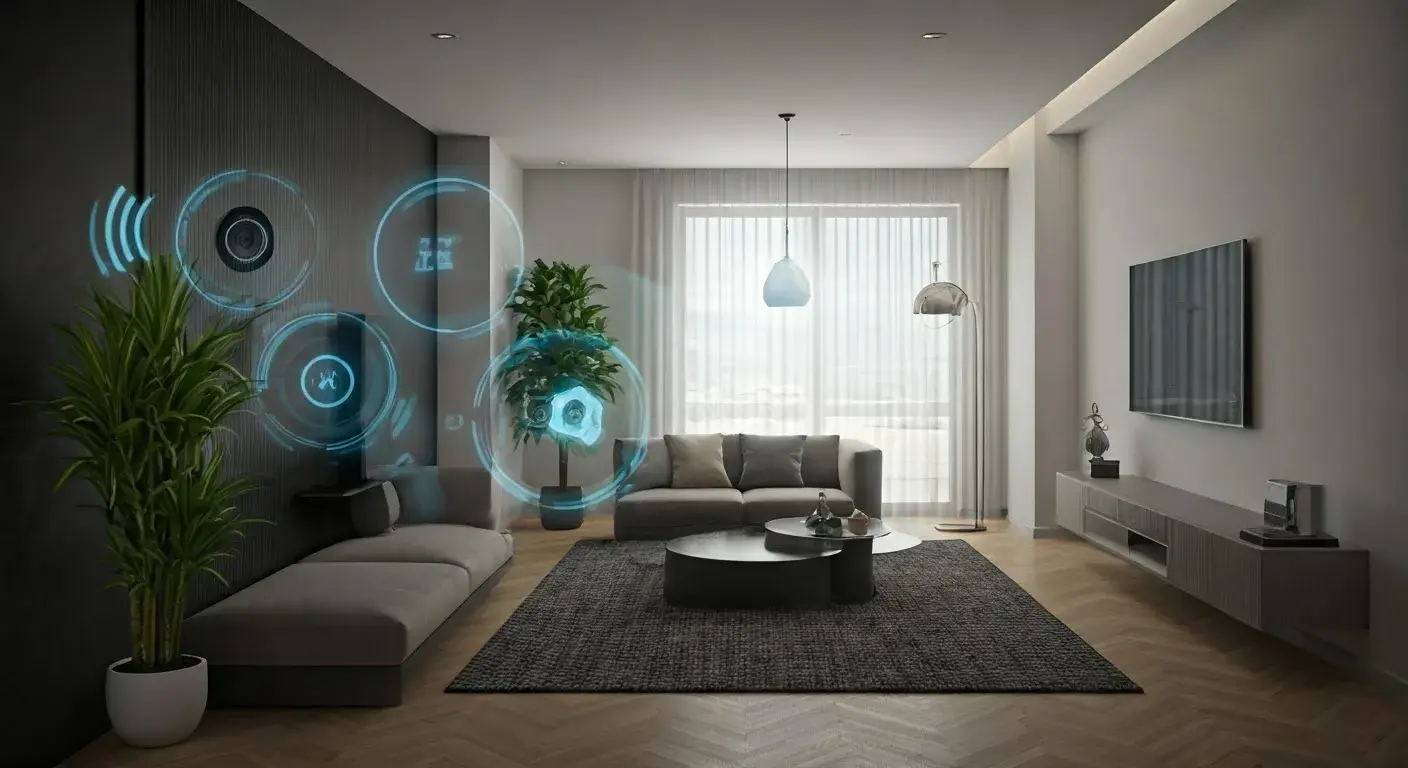
Apartment living doesn't mean sacrificing security. This comprehensive guide explores essential home security measures tailored for renters, offering practical, budget-friendly solutions to protect your space and peace of mind in 2025-26.
Understanding Apartment Security Challenges
Living in an apartment offers many benefits, from affordability to community access. However, it also presents unique security challenges that differ significantly from single-family homes. Renters often have less control over structural modifications, shared entry points, and the overall building security infrastructure. In 2025, understanding these inherent vulnerabilities is the first step toward effective protection. Common concerns include:
- Shared Entry Points: Apartment buildings typically have one or a few main entrances, which can be easier for unauthorized individuals to access if not properly secured or monitored.
- Proximity to Neighbors: While close neighbors can be a deterrent, they can also mean that a break-in in one unit might go unnoticed for a period.
- Limited Control Over Building Infrastructure: Renters usually cannot install high-security locks on main doors, upgrade building surveillance, or alter common area lighting without landlord approval.
- Window and Balcony Access: Ground-floor apartments or those with accessible balconies can be targets for opportunistic thieves.
- Fire Escape Vulnerabilities: In some older buildings, fire escapes can inadvertently become a point of entry if not secured.
- Package Theft: With the rise of online shopping, package theft from apartment lobbies or doorsteps is a growing concern. According to a 2025 study by the National Retail Federation, package theft from apartment complexes has seen a 15% increase year-over-year.
- Noise and Disturbance: While not a direct security threat, a lack of soundproofing can make it harder to detect unusual noises from outside your unit.
These challenges highlight the need for a layered approach to apartment security, focusing on what renters can control. The goal is to create a deterrent, make your unit less appealing to criminals, and ensure you are alerted to any potential threats.
Essential Apartment Security Layers
Effective apartment security is built on multiple layers, much like an onion. Each layer adds a degree of protection, making your home a more difficult and less attractive target. For 2025-26, consider these fundamental layers:
Layer 1: Securing Entry Points
Your primary doors and windows are the most common points of entry for intruders. Maximizing their security is paramount.
Door Security
- Reinforce Existing Locks: Most rental agreements allow for the replacement of doorknobs and deadbolts with your own, provided you reinstall the original ones upon moving out. Invest in a high-quality deadbolt with a long throw bolt (at least one inch). Ensure the strike plate is secured with long screws (3-inch) that go into the door frame studs, not just the trim.
- Door Viewers (Peepholes): If your door doesn't have one, install a wide-angle door viewer. This allows you to see who is outside without opening the door. Many modern viewers are easy to install and require no drilling into the door frame itself.
- Door Reinforcement Bars: For extra security, especially for front doors, consider a portable door security bar. These wedge under the doorknob and brace against the floor, making it extremely difficult to kick in the door. They are ideal for temporary use or when you're home.
- Sliding Door Security: Sliding glass doors are notoriously vulnerable. Use a Charley bar or a security bar placed in the track to prevent the door from being forced open. A simple wooden dowel cut to size can also work. Consider applying security film to the glass to make it shatter-resistant.
Window Security
- Window Locks: Ensure all windows have functioning locks. For added security, especially on ground floors or accessible windows, consider secondary locks like window wedges, pin locks, or keyed locks.
- Window Security Film: Applying security film to windows makes the glass harder to break. If the glass does shatter, the film holds it together, deterring quick entry. This is a renter-friendly option as it adheres to the existing glass.
- Deterrents: Avoid leaving valuables visible through windows. Keep blinds or curtains closed when you are away, especially on ground-floor units.
Layer 2: Deterrence and Visibility
Making your apartment appear occupied and difficult to target can deter potential intruders.
- Lighting: Good lighting is a powerful deterrent. If your apartment has exterior lighting, ensure it's functional. Inside, use timers for lights when you're away to simulate occupancy. Smart bulbs can be programmed to turn on and off at random intervals, adding realism.
- Visible Security Measures: Even if you have basic security, visible deterrents like a security system sticker (even if you have a DIY system) or a well-placed motion-sensing light near your door can make a difference.
- "Beware of Dog" Signs: While not a substitute for actual security, a sign can sometimes deter opportunistic criminals.
- Maintain a Tidy Exterior: If you have a balcony or a small patio area, keep it tidy. Clutter can provide hiding spots for intruders.
Layer 3: Detection and Alerting
This layer focuses on being alerted if a breach occurs, allowing you to react quickly.
- Door and Window Sensors: Wireless sensors are easy to install and remove. They trigger an alarm or notification on your smartphone when a door or window is opened. Many systems are battery-powered and can be taken with you when you move.
- Motion Detectors: Place motion detectors in key areas, such as hallways or living rooms, to detect movement within your apartment.
- Smart Doorbells and Cameras: A video doorbell allows you to see and speak to visitors remotely, deterring potential burglars and helping you monitor package deliveries. Indoor cameras can provide an additional layer of monitoring. Ensure you are aware of local laws regarding recording and privacy.
- Smoke and Carbon Monoxide Detectors: While not strictly for intrusion, functional smoke and CO detectors are critical for overall safety. Ensure they are up-to-date and tested regularly. Many smart home systems integrate these detectors.
Layer 4: Response and Recovery
This layer involves knowing how to react and what steps to take if an incident occurs.
- Emergency Contacts: Have a list of emergency contacts readily available, including building management, local police non-emergency line, and trusted neighbors.
- Documentation: Keep a record of valuable items, including serial numbers and photos. This is crucial for insurance claims and police reports.
- Know Your Building's Emergency Procedures: Familiarize yourself with fire escape routes and any building-specific emergency protocols.
By implementing these layers, renters can significantly enhance their home security, creating a safer living environment. The key is to select solutions that are permissible within a rental agreement and easily transferable when you relocate.
Smart Technology for Apartment Dwellers
The evolution of smart home technology has opened up a wealth of accessible and renter-friendly security solutions. In 2025, these devices offer convenience, enhanced monitoring, and the ability to control your home's security remotely. Here's how smart tech can bolster apartment security:
Smart Doorbells and Cameras
Functionality: Video doorbells replace traditional ones, offering live video feeds, two-way audio, and motion detection alerts directly to your smartphone. Many models also include night vision and cloud storage for recorded events. Indoor cameras provide similar monitoring capabilities within your living space.
Renter Benefits: Most smart doorbells are wireless or connect to existing doorbell wiring, requiring minimal installation. They can be easily removed when you move. Indoor cameras are often plug-and-play. They are invaluable for screening visitors, monitoring package deliveries, and deterring potential intruders who might see the camera.
Examples: Ring Video Doorbell, Google Nest Doorbell, Arlo Essential Video Doorbell. For indoor cameras, consider Wyze Cam, Eufy Indoor Cam.
Smart Locks
Functionality: Smart locks allow you to lock and unlock your door using a smartphone app, keypad, or even voice commands. Some offer features like temporary access codes for guests or service providers.
Renter Benefits: While some smart locks require replacing the entire deadbolt, many are designed to work with existing deadbolts, requiring only the installation of the interior component. This makes them relatively easy to install and remove. They offer convenience and enhanced control over who enters your home. However, always check your lease agreement and consider the security of the building's master key system if applicable.
Examples: August Smart Lock, Schlage Encode Smart WiFi Deadbolt (ensure compatibility with existing hardware).
Smart Sensors (Door/Window, Motion)
Functionality: These small, wireless devices communicate with a central hub or directly with your smartphone via Wi-Fi or Bluetooth. When a door or window is opened, or motion is detected, they send an alert.
Renter Benefits: This is perhaps the most renter-friendly smart security solution. They are incredibly easy to install with adhesive strips, require no drilling, and are easily portable. They provide critical alerts for breaches, acting as an early warning system.
Examples: Wyze Sense, Aqara Door and Window Sensor, Philips Hue Motion Sensor (often integrated into lighting systems).
Smart Lighting and Timers
Functionality: Smart bulbs and plugs allow you to control lights remotely or schedule them to turn on and off. This can simulate occupancy when you're away.
Renter Benefits: Smart plugs are a simple plug-and-play solution for lamps and other devices. Smart bulbs screw into existing fixtures. Both are easily removable. This is a low-cost, effective way to deter burglars who look for signs of an empty home.
Examples: Philips Hue Smart Bulbs, Kasa Smart Plugs by TP-Link.
DIY Smart Security Systems
Functionality: Many companies offer DIY smart security kits that include a base station, sensors, and sometimes cameras. These systems are designed for easy self-installation and often connect to a mobile app for monitoring and alerts.
Renter Benefits: These systems are ideal for renters because they are modular, wireless, and portable. You can customize the system based on your apartment's size and your security needs. When you move, you can simply pack up the system and reinstall it in your new home.
Examples: SimpliSafe, Cove, abode.
Considerations for Smart Tech in Apartments:
- Wi-Fi Reliability: Ensure you have a stable Wi-Fi connection, as most smart devices rely on it.
- Power Outages: Some devices may have battery backups, but prolonged outages can render them inoperable.
- Lease Agreement: Always review your lease for any restrictions on installing new hardware, even if it's non-permanent.
- Privacy: Be mindful of camera placement and ensure you comply with any local privacy laws.
- Subscription Fees: Some advanced features or cloud storage for cameras may require ongoing subscription fees.
By strategically integrating smart technology, apartment dwellers can achieve a sophisticated level of security that rivals traditional home systems, all while maintaining flexibility and adhering to rental agreements.
Rental Lease Considerations for Security
Before implementing any security measures in your apartment, it's crucial to understand your rights and responsibilities as a renter. Your lease agreement is the governing document, and understanding its clauses regarding alterations, installations, and security deposits is vital. In 2025, landlords are increasingly aware of tenant security needs, but proactive communication is key.
Reviewing Your Lease Agreement
Alterations and Improvements: Most leases prohibit tenants from making permanent alterations to the property. This typically includes drilling holes, changing locks, or modifying structural elements. However, many leases permit temporary installations or upgrades that can be reversed.
Lock Changes: The ability to change locks is a common point of contention. Many leases require landlord permission. If you change the locks, you are usually obligated to provide the landlord with a copy of the new key and to reinstall the original locks before moving out.
Installation of Devices: Leases may have specific clauses about installing security systems, cameras, or other electronic devices. Some might require written consent, especially if installation involves drilling or wiring.
Security Deposit: Understand what constitutes damage that could affect your security deposit. Reversible installations are less likely to cause damage and thus less likely to impact your deposit.
Communicating with Your Landlord
Proactive Discussion: Before installing anything beyond basic deterrence (like window stickers), have an open conversation with your landlord or property manager. Explain what you intend to do and why (e.g., "I'd like to install a video doorbell to monitor package deliveries and enhance my personal safety").
Seeking Written Consent: For anything more involved than temporary adhesive mounts, get written permission from your landlord. This protects you if any issues arise later.
Focus on Non-Permanent Solutions: Emphasize that your chosen solutions are non-permanent and will be removed without causing damage. This often makes landlords more amenable.
Common Landlord Concerns: Landlords might worry about:
- Damage to the property during installation.
- Interference with building infrastructure (e.g., Wi-Fi, electrical systems).
- Privacy concerns for other residents if cameras are poorly placed.
- Liability issues.
Addressing these concerns proactively can lead to a smoother process.
Specific Installation Considerations
Door Security
- Deadbolts: If you want to upgrade your deadbolt, inform your landlord. You can often install a higher-quality deadbolt yourself and keep the original. Ensure you can easily reinstall the original upon vacating.
- Door Viewers: Installing a wide-angle peephole usually involves drilling a small hole. Get permission first.
- Door Reinforcement Bars: These are portable and require no installation, making them ideal.
Window Security
- Window Locks: Replacing existing locks might require permission. Secondary locks that clamp on or use adhesive are generally fine.
- Security Film: This is applied directly to the glass and is removable. Most landlords allow this.
Smart Home Devices
- Video Doorbells: Many wireless models attach with screws or strong adhesive. If it uses existing doorbell wiring, ensure a qualified person handles it.
- Indoor Cameras: Most are plug-and-play and can be placed on shelves or tables.
- Smart Locks: As mentioned, some require full replacement, while others only alter the interior mechanism. Clarify this with your landlord.
What to Do When Moving Out
Restore the Property: The most critical step is to restore your apartment to its original condition as per your lease. This means removing all devices, filling any minor holes (e.g., from sensor adhesive), and reinstalling any original hardware you removed.
Document the Process: Take photos or videos of the apartment after you've removed your security devices and restored the premises. This serves as proof of your compliance with the lease and can help resolve any disputes regarding your security deposit.
Final Walk-Through: If possible, conduct a final walk-through with your landlord to ensure they are satisfied with the condition of the apartment.
By approaching security upgrades with a thorough understanding of your lease and open communication with your landlord, you can effectively enhance your apartment's safety without jeopardizing your tenancy or security deposit.
Budget-Friendly Security Upgrades
Enhancing your apartment's security doesn't have to break the bank. Many effective solutions are affordable and can be implemented without significant investment or landlord intervention. In 2025, the market offers numerous cost-effective options for renters.
Low-Cost Deterrents and Physical Barriers
- Door Reinforcement:
- Longer Strike Plate Screws: For under $10, you can purchase 3-inch screws to replace the short screws in your door's strike plate. These penetrate the door frame and into the wall studs, making your door much harder to kick in. This is a simple, effective, and often unnoticeable upgrade.
- Door Wedges: Simple rubber or plastic door wedges placed strategically can prevent a door from opening fully. Cost: $5-$15.
- Door Stop Alarms: Battery-powered devices that emit a loud alarm when pressure is applied to the door. Cost: $10-$20 each.
- Window Security:
- Window Security Film: A roll of security film can cost $20-$50 and can be applied to multiple windows. It makes glass shatter-resistant, deterring smash-and-grab attempts.
- Window Locks/Stops: Simple pin locks or sliding window stops can be purchased for $5-$15 per window. They prevent windows from being opened more than a few inches.
- Durable Blinds/Curtains: Investing in opaque blinds or thick curtains ($20-$50) can prevent potential intruders from seeing inside your apartment, especially at night.
- Lighting:
- Plug-in Timers: Mechanical timers for lamps can be bought for $5-$10. They provide a basic way to simulate occupancy.
- LED Bulbs: Energy-efficient and long-lasting, they are a good investment for consistent lighting.
Affordable Smart Home Devices
While high-end smart home systems can be expensive, budget-friendly options have become widely available.
- Entry-Level Video Doorbells: Brands like Wyze or Blink offer video doorbells for $50-$100. While they may lack some premium features, they provide essential motion detection and live viewing.
- Indoor Security Cameras: Basic indoor cameras from Wyze, Eufy, or Kasa can be found for $25-$50. They offer motion alerts and live streaming.
- Wireless Door/Window Sensors: Individual sensors or small kits can be purchased for $10-$25 each. They are easy to install with adhesive and can send alerts to your smartphone.
- Smart Plugs: For $10-$20, you can control lamps or other electronics remotely, enhancing your home's "lived-in" look.
DIY Security Kits and Bundles
Many companies offer starter kits that provide a good balance of features and affordability.
- Basic DIY Systems: Companies like SimpliSafe or Cove often have starter kits (base station, keypad, a few sensors) that can cost $150-$300. These are fully portable and often have optional professional monitoring for a monthly fee, or self-monitoring via an app.
- Bundled Offers: Keep an eye out for sales and bundles from major electronics retailers, especially around holidays.
Community and Neighborhood Watch
This is perhaps the most budget-friendly and effective security measure.
- Get to Know Your Neighbors: Friendly relationships can lead to mutual watchfulness. Exchange contact information with trusted neighbors.
- Report Suspicious Activity: Don't hesitate to report anything unusual to building management or the police non-emergency line.
- Join or Start a Neighborhood Watch: Many apartment complexes have informal or formal neighborhood watch programs. These foster a sense of community and shared responsibility for safety.
Practical Tips for Saving Money
- Buy in Bundles: If you decide on a smart home system, look for starter kits or bundles that offer better value than individual components.
- Wait for Sales: Many smart home devices go on sale during major shopping events (Black Friday, Prime Day, etc.).
- Consider Refurbished Items: Reputable retailers sometimes offer certified refurbished smart home devices at a discount.
- Prioritize: Focus your budget on the most critical areas first – securing your main entry points and having a reliable alert system.
By combining simple physical deterrents with affordable smart technology and fostering good relationships with neighbors, apartment dwellers can achieve robust security without overspending. The key is to be strategic and choose solutions that offer the best value and effectiveness for your specific living situation.
Creating a Security Mindset
Beyond physical locks and smart devices, cultivating a proactive security mindset is one of the most powerful tools an apartment dweller has. This involves being aware of your surroundings, adopting safe habits, and thinking like a potential intruder to identify and mitigate vulnerabilities. In 2025, this awareness is more critical than ever.
Situational Awareness
Be Present: When entering or leaving your apartment building, take a moment to observe your surroundings. Are there unfamiliar individuals loitering? Is anything out of the ordinary?
Trust Your Gut: If a situation or person feels "off," it's okay to be cautious. Avoid confrontation, but consider taking an alternative route, waiting for someone else to enter the building, or alerting building management if you feel unsafe.
Observe Building Activity: Pay attention to who is coming and going. If you see someone who doesn't seem to belong, or someone who is repeatedly trying doors, take note. You don't need to confront them, but you can report your observations to management.
Habits for Enhanced Security
- Always Lock Your Doors and Windows: Even if you're just stepping out for a moment, or if you're home. Opportunistic thieves often check unlocked doors and windows.
- Don't Prop Open Common Doors: Resist the temptation to prop open main building entrances for convenience, especially if you're expecting someone. This compromises the security for everyone.
- Secure Your Mail and Packages: Never leave mail or packages in your mailbox or on your doorstep for extended periods. Collect them promptly. If you receive large items, consider asking a trusted neighbor to collect them or using a package locker service if available.
- Be Cautious with Strangers: Don't let strangers "tailgate" you into the building. Politely refuse entry if you don't recognize them.
- Secure Your Balcony/Patio: If you have a balcony, ensure it's not easily accessible from the ground or adjacent units. Don't leave valuable items or tools there that could aid an intruder.
- Social Media Awareness: Be mindful of what you post on social media. Announcing vacations or extended absences can signal to potential burglars that your apartment is empty.
- Key Management: Never leave your keys unattended or with unreliable individuals. If you lose your keys, change your locks immediately (with landlord permission if required).
Thinking Like an Intruder
Walk around your apartment building and your unit from an outsider's perspective. Ask yourself:
- What are the easiest points of entry? (Ground floor windows, poorly secured doors, accessible balconies)
- What makes this apartment look like an easy target? (Visible valuables, poor lighting, signs of being unoccupied)
- Where are the blind spots for security cameras or neighborly observation?
- How long would it take to break in?
By identifying these vulnerabilities, you can prioritize which security measures will be most effective.
Emergency Preparedness
Know Your Building's Emergency Exits: Familiarize yourself with fire escape routes and emergency exits. Ensure they are not blocked.
Have an Emergency Plan: Discuss with household members (if any) what to do in case of a fire, break-in, or other emergency. Know where to meet if you have to evacuate.
Keep Important Information Handy: Store emergency contact numbers, building management details, and insurance information in an easily accessible place, both physically and digitally.
The Role of Technology in Mindset
Smart home devices can support a security mindset by providing constant vigilance. A smart doorbell can alert you to visitors, a window sensor can notify you of an unexpected opening, and smart lights can make your home appear occupied. These tools act as extensions of your awareness, providing valuable information and peace of mind.
Developing a security mindset is an ongoing process. It's about integrating safety considerations into your daily routines and being consistently aware. By combining this proactive approach with practical security measures, apartment dwellers can significantly reduce their risk and enjoy a safer living environment.
Conclusion: Securing Your Rental Sanctuary
Securing your apartment in 2025-26 is an achievable goal, even with the unique constraints of rental living. By understanding the challenges, implementing a layered approach to security, leveraging renter-friendly smart technology, and maintaining open communication with your landlord, you can create a safe and secure sanctuary. Prioritizing non-permanent, transferable solutions ensures you protect your belongings and peace of mind without jeopardizing your lease or security deposit.
Remember that effective apartment security is a blend of physical barriers, technological aids, and a proactive security mindset. Get to know your neighbors, stay aware of your surroundings, and always take simple precautions like locking your doors. With these strategies, you can transform your apartment into a well-protected haven, allowing you to fully enjoy the benefits of urban or suburban living with confidence.