Ways to Secure Your Home While on Vacation
Heading out of town for a well-deserved break? Don't let home security worries overshadow your relaxation. This comprehensive guide offers actionable strategies and expert tips to safeguard your property, ensuring peace of mind while you're away. Discover essential steps, from pre-trip preparations to smart technology integrations, to keep your home secure.
Pre-Trip Security Checklist: Essential Preparations
A secure home while you're on vacation begins long before you pack your bags. Proactive measures taken in the weeks and days leading up to your departure are crucial for deterring opportunistic criminals. This section outlines a detailed checklist to ensure your home is as secure as possible.
Securing Entry Points
Entry points are the most common targets for burglars. A thorough inspection and reinforcement of doors and windows are paramount.
Doors: The First Line of Defense
Inspect all exterior doors, including the front door, back door, garage door, and any doors leading from the garage into the house. Ensure they are made of solid core wood or metal. Check that hinges are on the inside and that deadbolt locks are at least one inch long and properly installed. Consider reinforcing door frames with longer screws that go into the wall studs. For sliding glass doors, place a strong metal bar or wooden dowel in the track to prevent them from being forced open. In 2025, reports from the National Crime Prevention Council indicate that homes with visible security measures, like sturdy locks, experience a 30% lower burglary rate compared to those without.
Windows: Beyond the Glass
Windows, especially those on the ground floor or easily accessible from trees or fences, are vulnerable. Ensure all window locks are functional and secure. For added protection, consider installing window security film, which makes the glass harder to break. Window bars or grilles can be effective for basement windows or less visible areas, though they can impact aesthetics and emergency egress. Always ensure that curtains or blinds are not left fully open, giving potential intruders a clear view of an empty house.
Mail and Deliveries: Avoid the Accumulation Trap
A mailbox overflowing with mail and packages is a clear signal that no one is home. This is a critical vulnerability that can be easily addressed.
Hold Your Mail and Newspapers
Contact the United States Postal Service (USPS) to temporarily hold your mail. You can schedule this online or at your local post office. Opt for a start and end date that aligns with your travel itinerary. Similarly, inform your local newspaper or any subscription services to suspend deliveries. For packages, consider having them delivered to a trusted neighbor, a secure locker service, or a workplace.
Inform Trusted Neighbors or Friends
Arrange for a trusted neighbor or friend to collect any unexpected deliveries or flyers that might slip through. They can also keep an eye on your property and report any suspicious activity. This simple step significantly reduces the visual cues that indicate an unoccupied home.
Yard and Exterior Maintenance
A well-maintained yard suggests an occupied and cared-for home. Overgrown landscaping can provide hiding spots for burglars.
Lawn Care and Gardening
Arrange for your lawn to be mowed and your garden to be tended to while you are away. If you have a regular service, inform them of your absence and ensure they continue their work. If not, ask a neighbor or friend to help. Ensure that ladders, tools, or any other items that could be used to gain access to your home are stored securely in a locked shed or garage.
Garbage Cans
If your garbage day falls during your vacation, ask a neighbor to bring your bins in after they are emptied. An empty garbage bin left at the curb for an extended period can also signal an absence.
Valuables and Sensitive Information
Protecting your most valuable possessions and personal information is a key aspect of home security, even when you're not present.
Secure Valuables
Store irreplaceable items, such as jewelry, important documents, and large sums of cash, in a safe deposit box at a bank or a high-quality home safe that is bolted down. Never leave valuable items visible through windows.
Dispose of Sensitive Documents
Shred any documents containing personal information before you leave. This includes bank statements, credit card bills, and anything with your Social Security number or other identifying details. This prevents identity theft, which can occur even when you are away.
Utilities and Appliances
Certain utility adjustments can enhance security and prevent potential hazards.
Water and Electricity
Consider turning off the main water valve if you will be away for an extended period to prevent potential leaks or burst pipes. While turning off electricity completely can be a security risk if it disables your alarm system, you can unplug non-essential appliances to save energy and reduce the risk of electrical fires. Ensure any smart home devices that control security are adequately powered and connected.
Deterring Potential Intruders: Making Your Home Less Appealing
The goal of home security is to make your property an unattractive target for criminals. This involves creating visible deterrents that signal vigilance and preparedness. In 2025, the U.S. Department of Justice reported that visible security measures, such as security cameras and alarm system signs, are highly effective in deterring burglaries.
Lighting: The Power of Illumination
Adequate lighting is one of the simplest yet most effective deterrents. Dark homes are invitations for burglars.
Motion-Activated Lights
Install motion-activated lights around the exterior of your home, particularly near entry points, pathways, and the garage. These lights will suddenly illuminate when movement is detected, startling potential intruders and drawing attention to their presence. Ensure they are properly aimed to cover key areas without being overly sensitive to passing wildlife.
Timers for Interior Lights
Use timers for interior lights to simulate occupancy. Set them to turn on and off at varying times in different rooms, mimicking the natural pattern of someone being home. Smart plugs and smart bulbs offer even more sophisticated control, allowing you to schedule lights remotely via a smartphone app. This creates the illusion of activity, making your home appear less vulnerable.
Signs of Occupancy: The Illusion of Presence
Beyond lighting, several other subtle cues can make it seem like your home is occupied.
Lawn Care and Mail Collection (Revisited)
As mentioned in the preparation section, maintaining a semblance of normal activity is key. A freshly mowed lawn, a car in the driveway (if feasible and safe), and regularly collected mail all contribute to this illusion.
Radio or Television
If you have a trusted neighbor or friend who can access your home, they can periodically turn on a radio or television. The sounds of normal life emanating from the house can be a strong deterrent. Ensure the volume is set at a realistic level.
Visible Security Measures
Sometimes, simply making your security efforts visible can be enough to deter criminals.
Security System Signs and Stickers
If you have a home security system, ensure that the signs and stickers indicating its presence are clearly visible on windows and doors. Even if you don't have a system, you can purchase generic security system signs to act as a deterrent. While not a foolproof method, they can make a burglar think twice.
Security Cameras
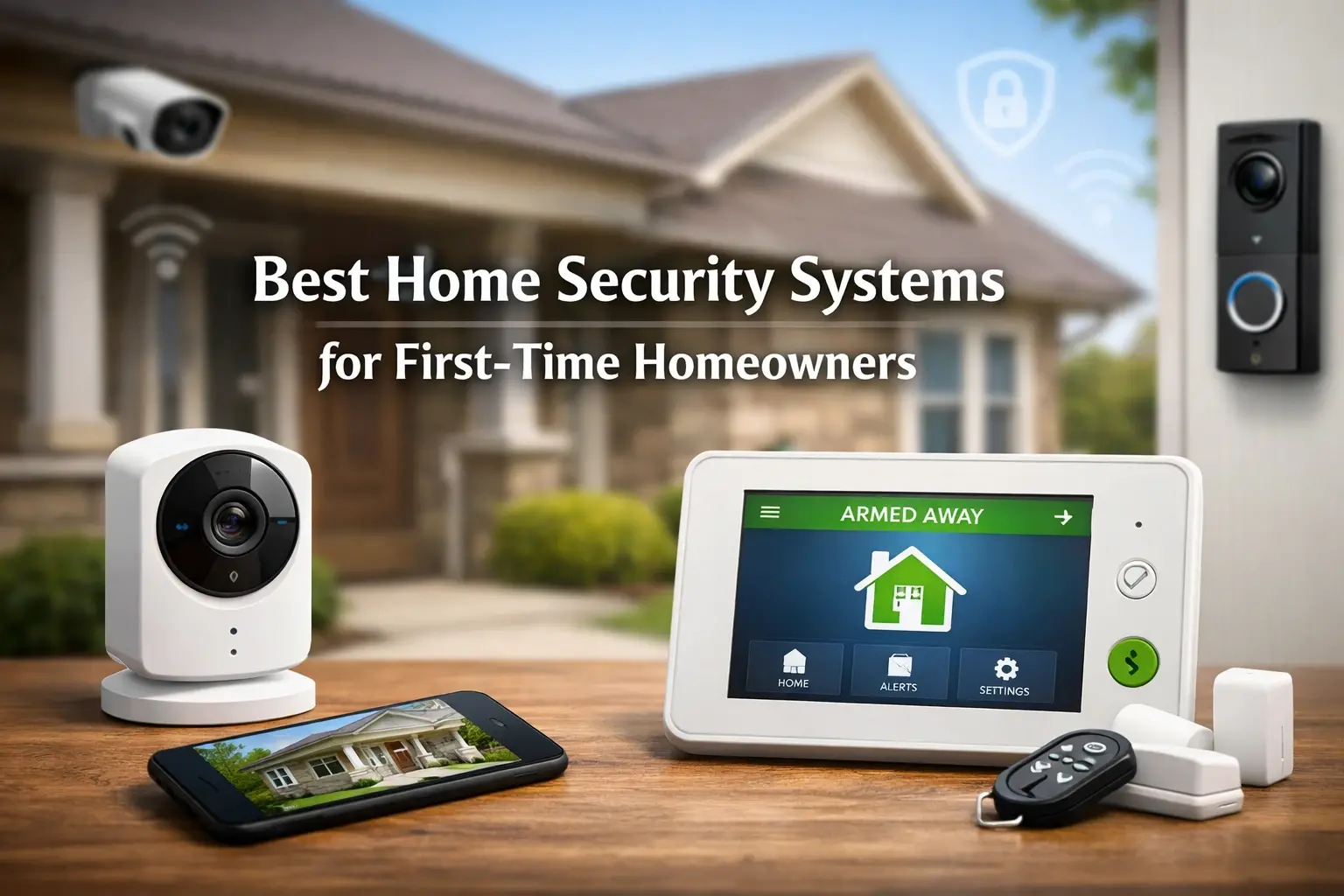
Visible security cameras, whether real or even convincing dummy cameras, can be a powerful deterrent. Many modern security camera systems offer remote viewing capabilities, allowing you to monitor your property from anywhere in the world.
Landscaping and Exterior Features
The way your property is landscaped can also play a role in its security.
Trim Shrubs and Trees
Ensure that shrubs and trees around your home are trimmed back, especially those near windows and doors. Overgrown foliage can provide hiding places for intruders. Keep branches trimmed so they don't offer easy access to upper-story windows.
Secure Outdoor Items
Lock away any tools, ladders, or garden equipment that could be used to break into your home. These items should be stored in a locked shed or garage. Similarly, secure outdoor furniture that could be used to gain access to higher windows.
Leveraging Technology for Enhanced Home Security
In the digital age, technology offers a powerful suite of tools to protect your home while you're away. From smart home devices to advanced surveillance, these innovations provide unparalleled peace of mind.
Smart Home Security Systems
Modern smart home systems integrate various security components into a cohesive network, controllable from your smartphone.
Integrated Systems
These systems often include door and window sensors, motion detectors, smart locks, security cameras, and smoke/carbon monoxide detectors. They can be monitored professionally or self-monitored, with alerts sent directly to your phone.
Smart Locks
Smart locks allow you to lock and unlock your doors remotely. You can grant temporary access to trusted individuals, such as pet sitters or family members, without needing to provide physical keys. Many also log entry and exit times, providing a record of who has accessed your home.
Smart Lighting and Thermostats
As mentioned earlier, smart lighting can be programmed to turn on and off at specific times, simulating occupancy. Smart thermostats can also be adjusted remotely, maintaining a comfortable temperature and saving energy while you're away. Some systems can even detect unusual activity patterns and alert you.
Security Cameras and Video Surveillance
High-definition security cameras provide a visual record of activity around your property and can act as a significant deterrent.
Types of Cameras
Options range from indoor cameras to outdoor, weather-resistant models. Features to consider include night vision, motion detection, two-way audio, and cloud storage for recorded footage. Wireless and wired options are available, each with its own installation considerations.
Remote Monitoring
The key benefit of modern security cameras is the ability to view live feeds and recorded footage from anywhere with an internet connection. This allows you to check in on your home regularly and receive immediate alerts if motion is detected.
Alarm Systems: Professional vs. DIY
Home alarm systems remain a cornerstone of home security. The choice between professional installation and a DIY system depends on budget, technical comfort, and desired features.
Professional Monitoring
These systems are installed and monitored by a professional security company. When an alarm is triggered, the company contacts you and, if necessary, dispatches emergency services. This offers a high level of security and response, but typically involves monthly fees.
DIY Systems
DIY systems are more affordable and can be installed by the homeowner. They often rely on self-monitoring, meaning you receive alerts directly to your smartphone and are responsible for contacting authorities. Many reputable brands offer robust DIY solutions with features comparable to professional systems.
Smart Plugs and Timers
For a more budget-friendly approach to simulating occupancy, smart plugs and traditional timers are effective.
Simulating Occupancy
Plug lamps, radios, or even televisions into smart plugs or timers. Schedule them to turn on and off at random intervals during evening hours. This simple measure can make a significant difference in deterring potential burglars who are looking for signs of an empty house.
Wi-Fi Security and Network Protection
With the increasing reliance on connected devices, securing your home network is crucial.
Strong Passwords and Encryption
Ensure your home Wi-Fi network has a strong, unique password and uses WPA2 or WPA3 encryption. This prevents unauthorized access to your network, which could compromise your smart home devices and personal data.
Guest Networks
Consider setting up a separate guest network for visitors. This isolates their devices from your main network, adding an extra layer of security.
Community and Neighborhood Watch: Your Allies in Security
While individual security measures are vital, the collective vigilance of a community can significantly enhance home safety. Engaging with your neighbors and participating in local initiatives creates a robust network of protection.
The Power of a Trusted Neighbor
A good neighbor is one of the best security assets you can have.
Key Exchange and Communication
Arrange for a trusted neighbor to have a key to your home for emergencies. They can check on your property, collect mail, water plants, and be an immediate point of contact if something seems amiss. Ensure they know who to contact if they observe anything suspicious.
Keeping an Eye Out
Ask your neighbors to keep an eye on your house and report any unusual activity, such as unfamiliar vehicles loitering in the area or suspicious individuals near your property. Conversely, you can offer to do the same for them when they are away.
Neighborhood Watch Programs
These organized community efforts foster a sense of shared responsibility for safety.
Benefits of Participation
Neighborhood Watch programs encourage residents to be observant and report suspicious activities to each other and to law enforcement. They often provide training on how to identify and report crime effectively. According to the U.S. Department of Justice, communities with active Neighborhood Watch programs have reported a decrease in property crimes.
Creating a Communication Network
Establish a communication network within your Neighborhood Watch group, such as a group chat or email list. This allows for quick dissemination of information about potential threats or suspicious incidents in the area.
Social Media and Community Groups
Local social media groups and online community forums can be valuable tools for sharing information and coordinating efforts.
Sharing Information Safely
Use these platforms to share general safety tips and to alert neighbors to any specific concerns. However, exercise caution and avoid sharing overly personal information or details that could compromise your own security.
Reporting Suspicious Activity
If you observe suspicious activity, it's often best to report it directly to the police. However, a quick post in a trusted community group can alert neighbors to be extra vigilant.
Avoiding Obvious Indicators of Absence
Beyond direct communication, subtle cues can also be managed collectively.
Social Media Blackout
Advise your neighbors and family members not to post about your vacation on social media while you are away. Publicly announcing your absence can make your home a target. Wait until you return to share your travel photos and stories.
Parking and Vehicle Presence
If possible, arrange for a car to be parked in your driveway. If you have multiple vehicles, ask a neighbor to move one of them into your driveway periodically. This creates the impression that someone is home.
While You're Away: Maintaining Security and Monitoring
The work doesn't stop once you've left. Regular, albeit remote, monitoring and quick responses to alerts are crucial for maintaining security throughout your vacation.
Regularly Check Security Systems
Make it a habit to check your security system's status and any alerts it generates.
Smartphone App Monitoring
Most smart home security systems and cameras come with dedicated smartphone apps. Dedicate a few minutes each day to check the live feeds, review any motion alerts, and ensure all sensors are functioning correctly. This proactive approach allows you to identify and address issues promptly.
Responding to Alerts
If your system generates an alert, don't ignore it. Assess the situation calmly. If it's a false alarm, disarm the system. If it appears to be a genuine concern, contact your security provider or the authorities immediately. For example, if a motion sensor triggers an alert near a window, check the camera feed to see if there's any visible activity.
Communication with Your Trusted Contact
Maintain open communication with the neighbor or friend who has a key to your home.
Scheduled Check-ins
Arrange for regular check-ins, perhaps every couple of days. Ask them to briefly look at your property from the outside and report anything unusual. They can also confirm that mail is being collected and that the property appears secure.
Emergency Contact Information
Ensure your trusted contact has all necessary emergency contact information, including your phone number, your security company's number, and local police non-emergency numbers.
Managing Deliveries and Services
Even with prior arrangements, unexpected deliveries can occur.
Instructing Your Contact
If a package is delivered unexpectedly, instruct your trusted contact on how to handle it. They can either bring it inside your home or store it securely at their own residence. Avoid leaving packages on your doorstep, as they can be an invitation for theft.
Handling Service Providers
If you have regular services like pool cleaning or lawn maintenance, ensure your contact is aware of their schedule and can verify their presence. This prevents unauthorized individuals from accessing your property under the guise of service.
Maintaining the Illusion of Occupancy
Continue to employ the strategies that create the appearance of someone being home.
Timer Adjustments
If you are away for an extended period, you might want to adjust the timing of your interior lights or smart plugs to maintain a natural rhythm. Avoid having lights on continuously or at the exact same times every day.
Vehicle Movement (If Applicable)
If you've arranged for a neighbor to move a car in your driveway, ensure this is done periodically. This subtle change can make a difference.
Addressing Potential Issues Promptly
The faster you can address any security breaches or potential problems, the better.
Water Leaks or Other Home Issues
Beyond security, home systems can fail. If your trusted contact notices signs of a water leak or other home maintenance issue, they should be able to address it or at least alert you immediately so you can arrange for repairs. This proactive approach can prevent significant damage.
Returning Home: Ensuring a Safe Re-Entry
The relief of returning home after a vacation can be immense, but it's important to maintain vigilance during your re-entry to ensure your home is as secure as when you left.
Pre-Arrival Checks
If possible, have your trusted contact perform a final walk-through before you arrive.
Exterior Inspection
Ask your neighbor to check the exterior of your home for any signs of tampering, forced entry, or unusual damage. They can also ensure that all doors and windows are still securely locked.
Interior Sweep (If Comfortable)
If you are comfortable, your trusted contact can do a quick sweep of the interior to ensure no one has gained unauthorized access. They should check that all is in order before you arrive.
Safe Entry Procedures
When you arrive, approach your home with a degree of caution.
Observe Your Surroundings
As you approach your home, take a moment to observe your surroundings. Note any unfamiliar vehicles or individuals in the vicinity. If anything feels off, don't immediately enter. Call your trusted contact or the police to check things out.
Activate Your Alarm
If you have an alarm system, activate it as you approach your home. This can deter any potential intruders who might be lurking.
Check All Entry Points
Once inside, take a moment to check that all doors and windows are securely locked. Ensure that any security devices you have in place are functioning as expected.
Post-Arrival Security Checks
After you've settled back in, perform a more thorough check.
Inspect for Tampering
Walk through your home and carefully inspect doors, windows, and any other potential entry points for signs of tampering or forced entry. Look for scratches around locks, pry marks, or broken glass.
Review Security System Logs
If you have a smart security system, review the logs for any unusual activity that may have occurred during your absence. This can provide valuable information if any issues did arise.
Check Valuables and Personal Items
Quickly check that your most valuable possessions and important documents are still in place. While this is a final confirmation, it's important to address any discrepancies immediately.
Re-establishing Normal Routines
Gradually return to your normal routines, but remain aware.
Inform Your Network
Let your trusted neighbors and Neighborhood Watch contacts know that you have returned home safely. This closes the loop and ensures everyone is aware.
Be Mindful of New Habits
As you unpack and settle back in, be mindful of any new habits or routines that might inadvertently signal your absence. For example, avoid leaving your curtains open for extended periods if you are accustomed to closing them.
By following these comprehensive steps, you can significantly enhance your home's security while you're away, allowing you to truly relax and enjoy your vacation without the burden of worry. A well-prepared home is a secure home.