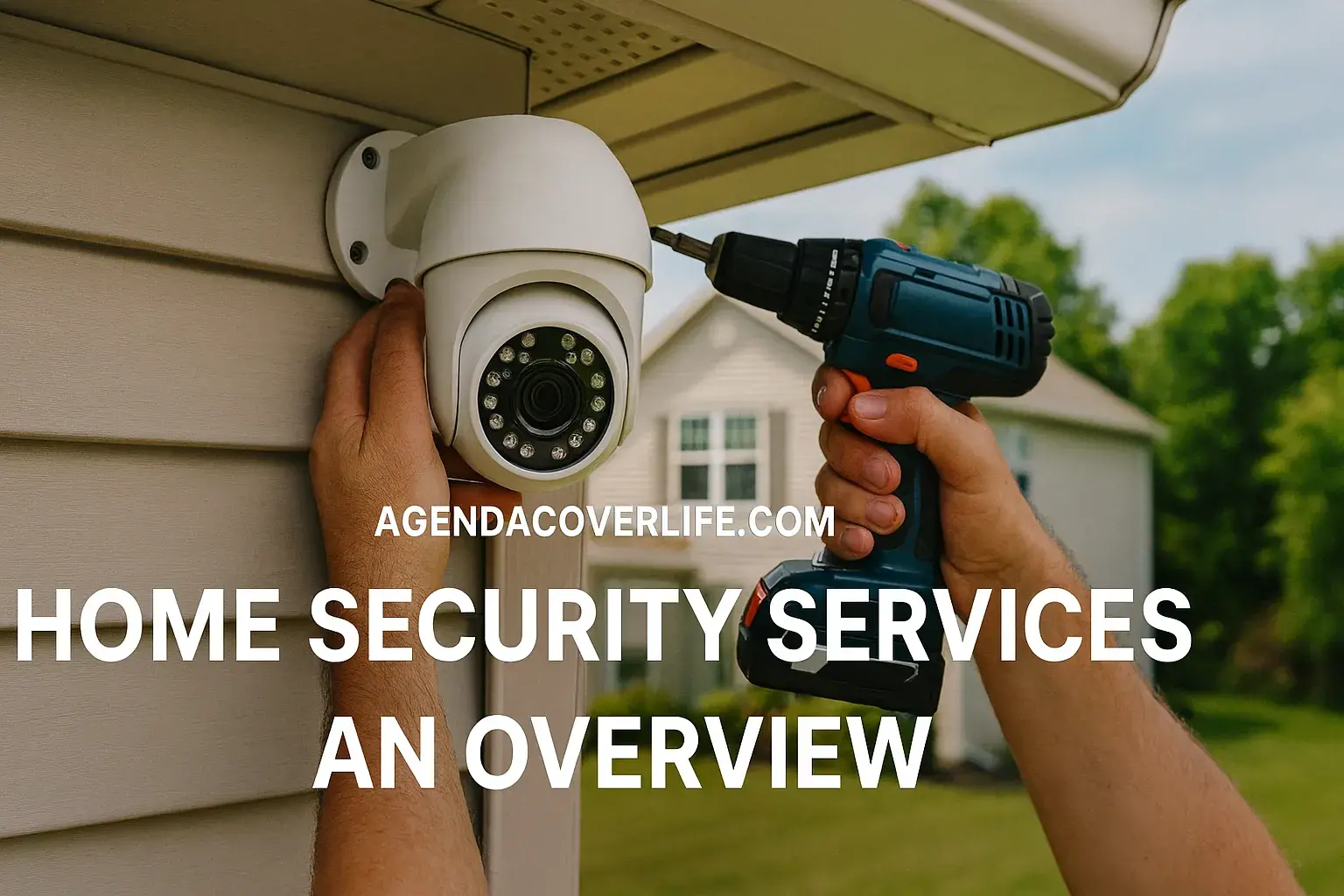
Establishing robust home security guidelines is paramount for safeguarding your property and loved ones. This comprehensive guide provides actionable steps and expert advice to enhance your home's safety, covering everything from basic precautions to advanced technology, ensuring peace of mind in today's world.
Understanding Home Security Threats in 2025-26
The landscape of home security threats is constantly evolving. In 2025-26, homeowners face a multifaceted array of risks, ranging from traditional burglary and home invasion to more sophisticated cyber threats targeting smart home devices. Understanding these threats is the first step toward effective mitigation. According to recent FBI data for 2025, property crimes, including burglary, continue to be a significant concern, with an estimated 1.1 million burglaries reported nationally. While there's a slight downward trend in residential burglaries compared to previous years, the sophistication of perpetrators has increased. This includes more targeted approaches, often involving reconnaissance and exploiting vulnerabilities in home defenses. Furthermore, the proliferation of smart home technology, while offering convenience, introduces new attack vectors. Cybercriminals are increasingly targeting connected devices to gain unauthorized access, disrupt systems, or even facilitate physical intrusion. Identity theft and fraud, often stemming from data breaches or phishing attempts, also remain prevalent, indirectly impacting home security by compromising personal information that could be used to exploit residents.
Types of Home Security Threats
Burglary and Home Invasion
Burglary, defined as unlawful entry into a structure with the intent to commit a crime, remains a primary concern. Home invasions, which involve entering an occupied dwelling with the intent to commit a crime, often involving violence, are less common but carry higher risks. These incidents can occur during the day or night, with opportunistic criminals targeting homes that appear vulnerable.
Vandalism and Property Damage
While not always involving entry, vandalism and property damage can cause significant distress and financial loss. This can include graffiti, broken windows, or damage to landscaping, often carried out by individuals seeking to cause disruption or express discontent.
Cybersecurity Threats to Smart Homes
With the increasing adoption of smart locks, cameras, thermostats, and other connected devices, homes are becoming more susceptible to cyberattacks. These attacks can range from disabling security systems to unauthorized surveillance or even manipulating home environments. The 2025 Cybersecurity Threat Report indicated a 30% increase in attacks targeting home IoT devices year-over-year.
Identity Theft and Fraud
Personal information stolen through phishing, data breaches, or even unsecured mail can be used to commit identity theft. This can lead to financial losses, damage to credit scores, and significant personal hassle. Sometimes, this information can be used to impersonate residents or gain knowledge about their routines, indirectly impacting physical security.
Environmental Hazards
While not a direct criminal threat, ensuring preparedness for environmental hazards like fires, floods, or power outages is a crucial aspect of overall home safety and security. These events can compromise the integrity of the home and pose risks to its occupants.
Foundational Home Security Guidelines
Building a secure home starts with a solid foundation of fundamental practices. These are the essential, often low-cost, steps that significantly deter potential threats and create a safer living environment. These guidelines are designed to be universally applicable, regardless of your home's size or location.
Assessing Your Home's Vulnerabilities
Before implementing any security measures, it's crucial to conduct a thorough assessment of your home's existing vulnerabilities. Walk around your property, both inside and out, with a critical eye. Look for obvious entry points that are poorly secured, such as weak doors, windows that don't lock properly, or dark, unmonitored areas. Consider the visibility of your home from the street – are there overgrown bushes that could conceal an intruder? Are your valuable possessions visible through windows? This initial assessment helps prioritize your security efforts and allocate resources effectively.
Exterior Walkthrough Checklist
- Are all doors and windows in good repair and lockable?
- Are exterior lights functional and strategically placed?
- Are there any hiding spots (bushes, sheds) near entry points?
- Is your mailbox secure and checked regularly?
- Are valuable items visible from the street?
Interior Vulnerability Check
- Are interior doors reinforced or sturdy?
- Are there any valuables easily accessible from windows?
- Are basement windows and doors secured?
- Is your garage door secure and integrated with home security?
The Importance of Deterrence
Effective home security relies heavily on deterrence – making your home an unattractive target for criminals. This involves creating the perception that your home is well-protected and difficult to breach. Simple measures like visible security signs, well-maintained landscaping, and adequate exterior lighting can significantly deter opportunistic criminals. The goal is to make potential intruders believe that the risk of getting caught outweighs any potential gain.
Layered Security Approach
A layered security approach means implementing multiple security measures that work together to protect your home. No single security measure is foolproof. By combining physical barriers, technological solutions, and vigilant practices, you create a robust defense system. For instance, a strong deadbolt (physical) is enhanced by a security system (technology) and a watchful neighbor (community), forming a comprehensive layer of protection.
Enhancing Physical Security Measures
Physical security forms the bedrock of home protection. These are the tangible barriers and reinforcements that make it difficult for intruders to gain unauthorized access. Investing in robust physical security is often the most cost-effective way to prevent burglaries and enhance overall safety.
Doors and Locks: The First Line of Defense
Your doors are the most common entry points for burglars. Ensuring they are strong and equipped with high-quality locks is paramount. Solid core doors, preferably made of metal or solid wood, are significantly more resistant to forced entry than hollow core doors. Deadbolt locks are essential; look for those with a minimum one-inch throw bolt. Consider installing a reinforced strike plate with long screws that extend into the wall studs for added strength.
Types of Locks and Their Benefits
| Lock Type | Description | Security Level | Considerations |
|---|---|---|---|
| Deadbolt | A heavy-duty lock operated by a key or thumbturn. | High | Essential for all exterior doors. Ensure a long throw bolt. |
| Smart Lock | Keyless entry via keypad, smartphone app, or fingerprint. | Medium to High (depending on model and connectivity) | Offers convenience and remote access, but requires secure Wi-Fi and battery maintenance. |
| Cylinder Lock | Standard lock found on most doorknobs. | Low to Medium | Often used in conjunction with a deadbolt for added security. |
| Mortise Lock | A more robust lock set into a pocket in the door. | High | Typically found on older, high-end doors; offers excellent security. |
Windows: Securing Vulnerable Openings
Windows, especially those on the ground floor or easily accessible, are another common entry point. Ensure all windows have sturdy latches and consider adding secondary security measures. Window security film can strengthen glass, making it harder to break. For added protection, consider installing window bars or grilles on less visible windows, or using window alarms that sound when the glass is broken or the window is opened.
Window Security Options
- Reinforced Glass: Laminated or tempered glass is more resistant to shattering.
- Window Security Film: Applied to the glass, it holds shattered pieces together, making entry more difficult.
- Window Locks: Beyond standard latches, consider secondary locks or pins that restrict opening.
- Window Bars/Grilles: Effective for basements or less visible windows, but can impact emergency egress.
- Window Sensors: Part of a security system, these trigger an alarm when a window is opened or broken.
Garage and Basement Security
The garage and basement often present overlooked security vulnerabilities. Ensure your garage door is robust and that the door leading from the garage into your home is as secure as your main exterior doors. Never leave garage door openers in plain sight in your car. Basements, with their often-hidden windows and doors, can be prime targets. Ensure all basement windows are locked, reinforced, and potentially equipped with alarms or grilles.
Outdoor Lighting: Illuminating Potential Threats
Adequate exterior lighting is a powerful deterrent. Well-lit areas make it harder for intruders to approach your home undetected. Install motion-sensor lights around all entry points, pathways, and dark corners of your property. Consider landscape lighting to illuminate walkways and garden areas. Regular maintenance of outdoor lighting ensures that all bulbs are functional.
Landscaping for Security
Your landscaping can either enhance or detract from your home's security. Overgrown bushes and trees can provide hiding places for intruders. Keep shrubs trimmed below window level and ensure trees do not offer easy access to upper-story windows. Consider planting thorny bushes beneath ground-floor windows as a natural deterrent. Maintain a clear line of sight from your home to the street and surrounding areas.
Leveraging Technology for Home Protection
In the 21st century, technology plays an increasingly vital role in home security. Smart devices and comprehensive security systems offer advanced monitoring, control, and deterrence capabilities, providing peace of mind and enhanced protection.
Home Security Systems: Monitored vs. Unmonitored
A professionally monitored security system offers 24/7 surveillance by a central station that can dispatch emergency services in case of an alarm. Unmonitored systems alert homeowners directly via sirens, notifications, or calls. While unmonitored systems are less expensive, professional monitoring provides a critical layer of response, especially when you are away or unable to act.
Comparison of Security System Types
| Feature | Professionally Monitored | Self-Monitored | DIY Systems (often self-monitored) |
|---|---|---|---|
| Response | Central station dispatches emergency services. | Homeowner receives alerts and must contact authorities. | Homeowner receives alerts and must contact authorities. |
| Cost | Higher monthly fees, potentially higher upfront equipment costs. | Lower to no monthly fees, upfront equipment costs vary. | Varies widely based on components and brand. |
| Effectiveness | Generally considered more effective due to guaranteed response. | Reliant on homeowner's immediate action and availability. | Effectiveness depends on user's engagement and system setup. |
| Installation | Often professional installation required. | Can be DIY or professionally installed. | Designed for easy DIY installation. |
Smart Home Security Devices
The smart home ecosystem offers a wide array of security devices that can be integrated into a comprehensive system:
- Smart Cameras: Indoor and outdoor cameras with motion detection, night vision, two-way audio, and remote viewing capabilities via smartphone apps.
- Smart Doorbells: Allow you to see, hear, and speak to visitors at your door from anywhere.
- Smart Locks: Offer keyless entry, remote locking/unlocking, and activity logs.
- Smart Sensors: Include door/window sensors, motion detectors, glass break sensors, and environmental sensors (smoke, CO, water leak).
- Smart Lighting: Can be programmed to turn on/off at scheduled times or in response to motion, simulating occupancy.
Video Surveillance: Deterrence and Evidence
Visible security cameras act as a strong deterrent. High-definition cameras can capture clear footage of intruders, providing valuable evidence for law enforcement. Modern systems offer cloud storage or local recording options, ensuring your footage is safe and accessible.
Access Control and Smart Entry
Smart locks and video doorbells enhance access control. You can grant temporary access to guests or service providers remotely, and receive alerts when doors are opened. This technology provides convenience and an additional layer of security by allowing you to monitor who enters and leaves your home.
Cybersecurity for Smart Homes
As mentioned earlier, smart home devices are vulnerable to cyber threats. It is crucial to secure your home network by using strong, unique passwords for your Wi-Fi router and all connected devices. Regularly update firmware on all smart devices and your router. Consider using a separate network for your IoT devices if your router supports it. Enable two-factor authentication wherever possible.
Adopting Secure Behavioral Practices
Technology and physical barriers are essential, but human behavior plays a critical role in maintaining home security. Developing good habits and being vigilant can significantly reduce your risk of becoming a victim.
The Importance of Locking Up
It may seem obvious, but failing to lock doors and windows is one of the most common reasons for successful burglaries. Always lock all doors and windows, even when you are home or only stepping out for a short time. This includes the door from the garage into the house and any basement entrances.
Managing Mail and Deliveries
An overflowing mailbox or packages left on the doorstep for extended periods signal that no one is home. Collect your mail daily. If you expect deliveries, arrange for them to be held at the carrier's facility, delivered to a trusted neighbor, or use a secure package locker. Consider a locking mailbox for added security.
Social Media and Privacy
Be mindful of what you share on social media. Announcing vacations, expensive purchases, or personal routines online can inadvertently inform potential criminals that your home is unoccupied or contains valuable items. Adjust your privacy settings to limit who can see your posts.
Key Management
Never hide spare keys under doormats, flowerpots, or other obvious locations. These are the first places a burglar will look. Instead, leave a spare key with a trusted neighbor or family member, or consider using a secure, lockable key safe if absolutely necessary.
Routine and Predictability
While establishing routines can be efficient, extreme predictability can also make your home a target. Vary your departure and arrival times when possible, and avoid advertising your schedule. If you work from home, ensure your home office is secure and that you are aware of who is at your door.
Being a Good Neighbor
Watch out for your neighbors' properties and encourage them to do the same for yours. If you notice suspicious activity, report it. A vigilant neighborhood is a safer neighborhood.
The Role of Community and Neighborhood Watch
Home security extends beyond your property lines. Engaging with your community and participating in neighborhood watch programs can significantly enhance overall safety and deter crime.
Neighborhood Watch Programs
Neighborhood Watch programs foster a sense of community and encourage residents to look out for one another. These programs often involve sharing information about suspicious activities, coordinating with local law enforcement, and implementing collective security measures. The presence of a recognized Neighborhood Watch program can deter criminals who prefer to operate in anonymity.
Reporting Suspicious Activity
Encourage yourself and your neighbors to report any suspicious activity to the police, even if it seems minor. This could include unfamiliar vehicles loitering in the area, individuals casing homes, or unusual noises. Prompt reporting can prevent crimes from occurring or help apprehend criminals in the act.
Building Relationships with Neighbors
Knowing your neighbors creates a supportive environment. When you have a good relationship with those around you, you are more likely to notice when something is amiss at their property and vice versa. This mutual awareness is a powerful tool in crime prevention.
Working with Local Law Enforcement
Many police departments offer resources and guidance for homeowners interested in improving their security. They can provide crime statistics for your area, offer security assessments, and advise on effective crime prevention strategies. Building a positive relationship with your local law enforcement can be invaluable.
Emergency Preparedness and Response
Home security also encompasses preparedness for emergencies, both criminal and environmental. Having a plan in place can mitigate risks and ensure the safety of your household.
Fire Safety
Install and regularly test smoke detectors and carbon monoxide detectors on every level of your home and inside each sleeping area. Have a fire extinguisher readily accessible and know how to use it. Develop and practice a fire escape plan with your family, designating a meeting point outside your home.
Natural Disasters and Severe Weather
Depending on your location, you may need to prepare for specific natural disasters like hurricanes, tornadoes, earthquakes, or floods. Have an emergency kit stocked with essentials like water, non-perishable food, first-aid supplies, flashlights, and batteries. Know your local evacuation routes and have a plan for communicating with family members if separated.
Home Invasion Response Plan
While prevention is key, having a plan for how to react during a home invasion is crucial. Teach family members to prioritize safety: if possible, retreat to a secure room, lock the door, and call emergency services. If confronted, cooperate with the intruder to avoid escalation, and try to remember details about the perpetrator and their actions.
Securing Your Home During Extended Absences
When leaving your home for an extended period, take extra precautions. Use timers for lights and radios to simulate occupancy. Ask a trusted neighbor to collect mail and newspapers and to keep an eye on your property. Consider informing your local police department of your absence, as some departments offer vacation watch services.
Guidelines for Specific Scenarios
Home security needs can vary based on individual circumstances and living situations. Tailoring your security approach to specific scenarios ensures comprehensive protection.
Apartment and Condominium Security
While you may have less control over external building security, focus on your unit's entry points. Ensure your apartment door has a strong deadbolt and that any windows are secure. Understand your building's security policies and report any concerns to management. Be aware of who is entering and leaving the building.
Security for Renters
Renters may have limitations on making permanent modifications. Focus on non-permanent security enhancements like high-quality portable door locks, window security film, and personal alarm systems. Always inform your landlord of any security upgrades you plan to make, especially if they involve drilling or permanent fixtures.
Security for Families with Children
Childproofing is essential, but so is child safety regarding security. Educate children about not opening the door to strangers and the importance of not sharing personal information. Ensure any security systems are child-friendly and that escape routes are accessible to them. Consider a monitored system that can alert you even if children are home alone.
Security for Elderly Individuals
Elderly individuals may be more vulnerable to scams and home invasions. Ensure easy-to-use security systems, clear visibility around the home, and readily accessible emergency contact information. Consider personal emergency response systems (PERS) that can be activated with the push of a button.
Budgeting for Home Security
Effective home security doesn't always require a massive budget. Prioritizing your spending on the most impactful measures can provide excellent protection. Consider a tiered approach to your security investments.
Low-Cost, High-Impact Measures
Many foundational security measures are inexpensive or free: locking doors and windows, trimming bushes, installing basic outdoor lighting, and establishing good habits. These should be your first priority.
Investing in Key Security Components
When budgeting, prioritize robust doors, high-quality deadbolts, and reliable window locks. A professionally monitored security system, while an ongoing expense, offers significant peace of mind. Smart home devices can be added incrementally as your budget allows.
DIY vs. Professional Installation
DIY security systems can save on installation costs, but ensure you are comfortable with the setup and maintenance. For complex systems or if you prefer expert setup, professional installation is recommended. Weigh the long-term costs and benefits of each approach.
Long-Term Value of Security Investments
Consider home security an investment in your property's value and, more importantly, in the safety and well-being of your family. The cost of a security system or upgraded locks is often far less than the financial and emotional cost of a burglary or home invasion.
In conclusion, implementing effective home security guidelines is a proactive and ongoing process. By understanding current threats, strengthening physical defenses, leveraging technology wisely, adopting secure behaviors, and engaging with your community, you can create a significantly safer living environment. Prioritize these measures, tailor them to your specific needs, and remember that consistent vigilance is your most powerful ally in protecting your home and loved ones. Start today by assessing your vulnerabilities and taking the first step towards a more secure tomorrow.