What is not a Physical Security Measure for Your Home?
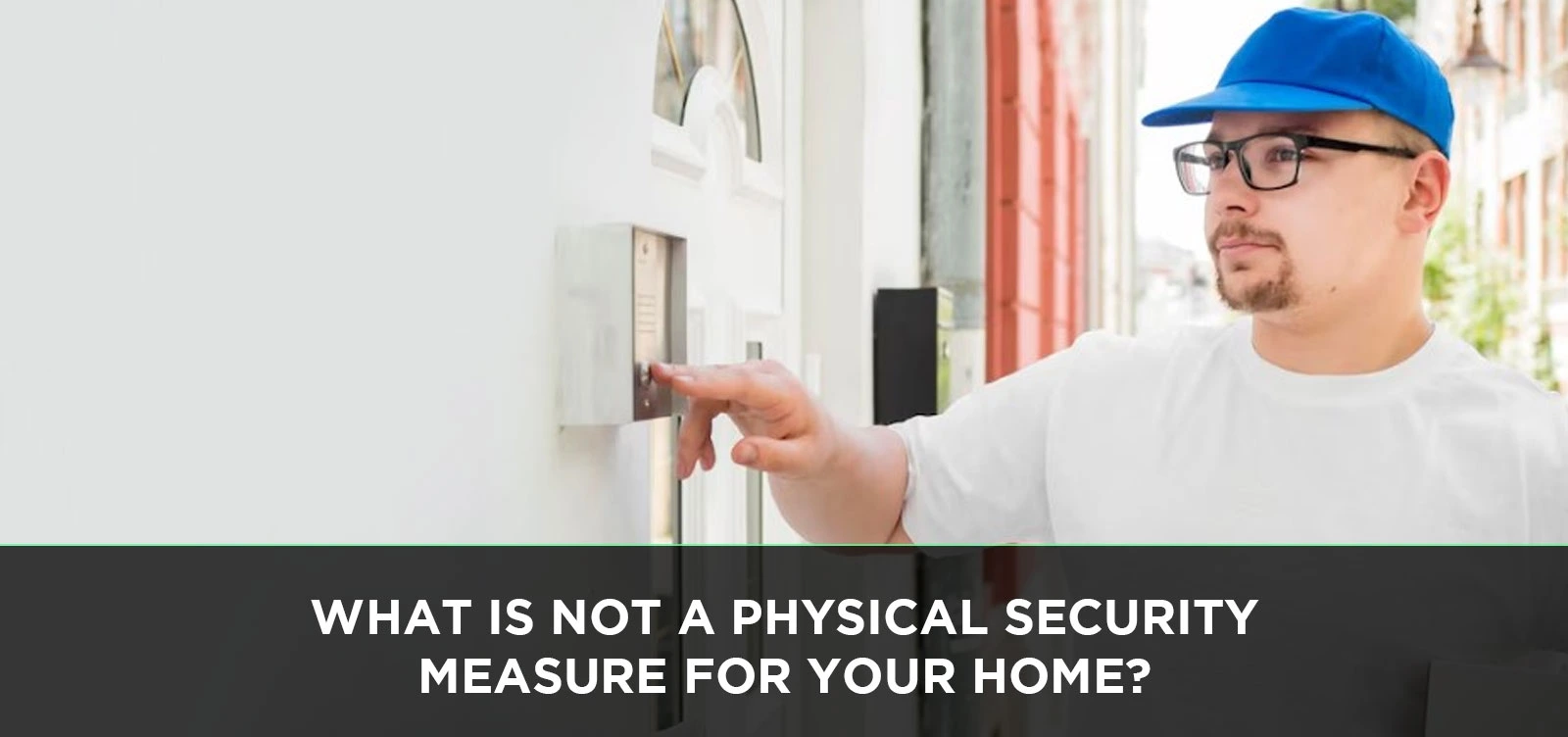
Understanding what constitutes a physical security measure is crucial for effective home protection. This guide clarifies the distinction, helping you identify and avoid relying on non-physical tactics that might offer a false sense of security against real-world threats.
Understanding Physical Security Measures
Physical security measures are tangible, observable, and directly impede unauthorized access or mitigate threats to a property and its occupants. They are the bedrock of any robust home defense strategy. These measures are designed to be seen, touched, and interacted with, creating a physical barrier or a direct response mechanism. In 2025, the emphasis remains on layered security, where each physical component plays a vital role in the overall protection system. The goal is to make a home a difficult and unappealing target for intruders, vandals, or other malicious actors.
Think of physical security as the 'hard' defenses. These are the locks on your doors, the reinforced frames, the sturdy windows, and the lighting that illuminates dark corners. They are the visible deterrents and the actual physical barriers that an intruder must overcome. Without a solid foundation of physical security, even the most sophisticated digital systems can be rendered ineffective. For instance, a state-of-the-art alarm system is of little use if an intruder can simply smash a window or kick down a flimsy door before the alarm is even triggered.
The effectiveness of physical security measures is often measured by their ability to delay, deter, or detect an intrusion. Delaying an intruder is crucial; the longer it takes them to gain entry, the higher the chance they will be caught or give up. Deterrence involves making your home look like a less attractive target. Detection is about knowing when a breach is happening or has occurred.
Key Components of Physical Home Security
When we talk about physical security, several core elements come to mind. These are the foundational aspects that most homeowners should consider implementing:
- Doors and Door Hardware: This includes the material of the door itself (solid wood or metal is preferable to hollow core), the deadbolt lock, strike plates, and hinges. A strong door and robust locking mechanism are paramount. For 2025, reinforced door frames and anti-kick plates are gaining traction for enhanced protection against forced entry.
- Windows: Window security involves the type of glass (tempered or laminated), window locks, and potentially security film or bars. Minimizing vulnerabilities at window entry points is critical.
- Lighting: Exterior lighting, especially motion-activated lights, can significantly deter potential intruders by eliminating hiding spots and drawing attention to any activity.
- Fencing and Landscaping: While not always a primary defense, well-maintained fences and landscaping that doesn't offer cover for intruders can contribute to overall physical security. Thorny bushes planted under windows, for example, can act as a natural deterrent.
- Garage Security: Garages are often overlooked entry points. Ensuring the garage door is secure, the connecting door to the house is as strong as an exterior door, and that no valuables are visible from the outside is important.
- Outdoor Structures: Sheds, detached garages, and other outdoor structures can also be targets. Securing these with robust locks and considering their visibility from the main house is part of a holistic approach.
The effectiveness of these measures is amplified when they are integrated into a layered security system. For instance, a well-lit exterior deters intruders, making them less likely to attempt to breach a reinforced door with a high-security deadbolt. The goal is to create a series of obstacles that make your home a difficult target.
Identifying What Is NOT a Physical Security Measure
The core of this discussion lies in distinguishing between what truly provides a physical barrier or direct defensive action and what does not. Many homeowners might mistakenly believe certain actions or items contribute to their physical security when, in reality, they fall into other categories or offer minimal tangible protection. Understanding this distinction is vital to avoid investing time and resources in ineffective strategies.
Essentially, anything that doesn't directly impede an intruder's physical access, make it harder for them to operate, or directly alert authorities to a physical breach is likely not a physical security measure. This includes abstract concepts, digital tools (which we'll discuss separately), and certain behavioral practices that, while potentially beneficial, don't create a physical obstacle.
The danger of mistaking non-physical measures for physical ones is the creation of a false sense of security. A homeowner might feel protected by a digital alert system but neglect to upgrade their door locks, leaving a significant vulnerability. This can lead to a breach that could have been prevented with proper physical defenses.
Categories of Non-Physical Security Measures
To better understand what is not a physical security measure, let's categorize them. This helps in dissecting the concept and identifying common pitfalls:
- Purely Digital or Electronic Measures: These rely on software, networks, and data transmission rather than physical barriers. While crucial for overall security, they are not physical in nature. Examples include antivirus software, password managers, and data encryption.
- Information Security Measures: These focus on protecting data and digital assets from unauthorized access, use, disclosure, disruption, modification, or destruction. This is distinct from protecting a physical dwelling.
- Abstract Concepts and Beliefs: Ideas, philosophies, or general feelings of safety that don't translate into tangible protective actions.
- Deterrent Measures That Aren't Tangible Barriers: While some deterrents are physical (like visible cameras or lights), others are not directly physical barriers themselves but rather psychological tactics.
- General Home Maintenance (Not Directly Security-Related): While good maintenance contributes to a well-kept home, not all maintenance tasks directly enhance physical security.
By clearly defining what falls outside the realm of physical security, homeowners can make more informed decisions about where to allocate their resources for the most effective protection.
Examples of What is NOT a Physical Security Measure
To solidify understanding, here are specific examples of things that are generally NOT considered physical security measures for a home:
- A strong password for your Wi-Fi network: This is a digital security measure, crucial for protecting your network, but it doesn't stop someone from breaking into your house.
- Regularly updating your computer's operating system: This is vital for cybersecurity but does nothing to prevent a physical break-in.
- Having a complex social media privacy setting: Protecting your online presence is important, but it doesn't physically secure your home.
- Believing your neighborhood is too safe to be targeted: This is a psychological assumption, not a physical defense.
- Keeping your valuables out of sight from the street: While a good practice, this is a passive deterrent, not a physical barrier. If the door is unlocked or the window is forced, valuables are still accessible.
- Having a neighborhood watch sign (without active participation): The sign itself is a passive deterrent, but without active patrols or community engagement, it's not a physical security measure.
- A well-organized junk mail folder: This relates to managing information, not physical entry.
- A subscription to a local newspaper: Unless the newspaper delivery person is actively monitoring your property (which is unlikely), this offers no physical security.
- Learning self-defense techniques: While valuable for personal safety, these are reactive measures for the individual, not preventative physical barriers for the home itself.
- Having a pet dog (without specific training for security): While a dog can alert you to an intruder, it's not a physical barrier and can be bypassed. Its deterrent effect is more psychological than physical unless it's a trained guard dog.
It's crucial to remember that these items might be part of a broader safety or security strategy, but they do not, by themselves, constitute physical security for your home.
Digital Security Measures: A Separate Realm
The modern home is a connected ecosystem, and digital security plays an increasingly important role in our lives. However, it's vital to understand that digital security measures are fundamentally different from physical security measures. While they are both about protection, they address entirely different types of threats and vulnerabilities.
Digital security, often referred to as cybersecurity, focuses on protecting your digital assets, data, and online presence from unauthorized access, corruption, or theft. This includes protecting your computers, smartphones, smart home devices, and your home network from cyber threats like malware, phishing, hacking, and identity theft. In 2025, the sophistication of cyber threats continues to rise, making robust digital security more critical than ever.
Physical security, on the other hand, deals with protecting your home's structure, its occupants, and tangible assets from physical threats like burglary, home invasion, vandalism, and natural disasters. It involves creating barriers, deterring physical entry, and responding to physical breaches.
Key Differences Between Digital and Physical Security
The distinction between digital and physical security can be best understood by examining their core characteristics:
| Feature | Physical Security | Digital Security |
|---|---|---|
| Focus | Protection of tangible assets, structures, and people from physical threats. | Protection of data, digital devices, and online presence from cyber threats. |
| Nature of Threats | Burglary, home invasion, vandalism, arson, physical intrusion. | Malware, viruses, phishing, hacking, data breaches, identity theft. |
| Methods of Protection | Locks, doors, windows, fences, alarms (physical sensors), lighting, reinforced structures. | Firewalls, antivirus software, strong passwords, encryption, multi-factor authentication, secure networks. |
| Vulnerabilities | Weak entry points, lack of visibility, unlocked access, structural weaknesses. | Outdated software, weak passwords, unsecured networks, social engineering. |
| Tangibility | Tangible, observable, physical barriers and devices. | Intangible, software-based, network-dependent. |
While these two domains are distinct, they can and often do overlap in the context of a smart home. For example, a smart lock is a physical device, but its operation and security depend heavily on the digital network it's connected to. A compromised Wi-Fi network could potentially allow a hacker to unlock your smart lock, blurring the lines between physical and digital vulnerabilities.
Examples of Digital Security Measures (Not Physical)
To reinforce the distinction, here are common digital security measures that are NOT physical security measures for your home:
- Smart Home Hub Security: Ensuring your smart home hub (like Amazon Echo, Google Home, Apple HomePod) has a strong, unique password and is running the latest firmware updates. This protects your connected devices from being controlled remotely by unauthorized users.
- Network Security for IoT Devices: Creating a separate guest network for your Internet of Things (IoT) devices can isolate them from your main network, preventing a compromised smart bulb from giving an attacker access to your personal files.
- Data Backup Strategies: Regularly backing up your important files to an external hard drive or cloud storage service protects your data from loss due to hardware failure, ransomware, or accidental deletion.
- Email Security: Using strong, unique passwords for your email accounts, enabling two-factor authentication (2FA), and being cautious of suspicious links and attachments are crucial for preventing email account compromise.
- VPN Usage: Using a Virtual Private Network (VPN) encrypts your internet traffic, especially on public Wi-Fi, protecting your online privacy and security from prying eyes.
- Software Updates: Keeping all your operating systems, applications, and device firmware up-to-date is essential for patching security vulnerabilities that hackers could exploit.
- Antivirus and Anti-malware Software: Installing and regularly updating reputable antivirus and anti-malware software on your computers and mobile devices helps detect and remove malicious programs.
- Secure Browsing Habits: Being mindful of the websites you visit, avoiding suspicious downloads, and understanding the risks of public Wi-Fi are part of safe online behavior.
These measures are critical for a secure digital life, but they offer no direct protection against someone attempting to force entry into your home.
Psychological and Deterrent Tactics: The Nuance
The line between physical security and other forms of security can become particularly blurred when discussing psychological and deterrent tactics. While many deterrents have a physical component, the effectiveness often lies in the psychological impact they have on a potential intruder. It's important to understand which of these are truly physical measures and which are primarily psychological or behavioral.
Psychological deterrents aim to make a property appear too risky, difficult, or unrewarding to target. They play on an intruder's fear of being caught, identified, or encountering unexpected resistance. While some of these tactics involve physical elements, their primary function is to influence the intruder's decision-making process through perception and fear.
For example, a visible security camera is a physical object, but its primary role as a deterrent is psychological. The intruder sees the camera and fears being recorded, which might make them reconsider. Similarly, a "Beware of Dog" sign is not a physical barrier, but it can create a psychological deterrent if the intruder believes a dangerous dog is present.
Distinguishing Physical Deterrents from Purely Psychological Ones
The key distinction lies in whether the element directly impedes physical access or merely influences the intruder's perception of risk. A reinforced steel door is a physical barrier. A sign that says "This house is protected by a state-of-the-art alarm system" is a psychological deterrent; its effectiveness depends entirely on whether the house is actually protected and whether the intruder believes the sign.
Physical Security: Directly obstructs entry or provides a physical response to a breach. Psychological Deterrent: Influences the intruder's decision-making by increasing perceived risk or difficulty, without necessarily providing a direct physical obstacle.
Many effective security strategies employ both physical measures and psychological deterrents. The goal is to create a layered approach where the physical defenses are strong, and the psychological deterrents make the target seem less appealing from the outset.
Examples of Psychological/Deterrent Tactics (Not Primarily Physical Security Measures)
Here are examples of tactics that lean more towards psychological deterrence and are therefore not considered primary physical security measures:
- "Beware of Dog" Signs: As mentioned, these are effective if an intruder believes there's a dog, but they offer no physical protection if there isn't one, or if the dog is easily bypassed.
- Visible (but non-functional) Security Cameras: While a visible camera can deter, if it's not actually recording or connected to a monitoring system, it's a psychological tactic. A functional, recording camera is a more robust deterrent, but its primary function is still psychological unless it has active defense capabilities.
- Neighborhood Watch Signs: Similar to camera signs, these rely on the perception of increased vigilance and potential for discovery.
- Well-Maintained Exterior: A tidy yard, trimmed bushes, and a clean facade can signal an attentive homeowner who is likely to have good security. This is a subtle psychological cue.
- Leaving Lights On: While good lighting is a physical security measure, the *act* of leaving lights on to simulate occupancy is a behavioral/psychological tactic. Motion-activated lighting is a physical security measure.
- Making Your Home Look Occupied: Using timers for lights and radios to simulate occupancy is a psychological tactic.
- Posting "No Trespassing" Signs: These are legal deterrents and a form of communication, but they do not physically prevent someone from entering.
- Social Media Posts Indicating Absence: Publicly announcing your vacation plans online can inadvertently make your home a target. This is a behavioral mistake that undermines security, not a security measure itself.
- Keeping Valuables Out of Sight: This is a good practice that reduces the temptation for opportunistic theft, but it doesn't prevent entry if the home is targeted for a more determined burglary.
- Using a Landline Phone: In some contexts, a landline might be perceived as more reliable than a mobile phone for emergency calls, but it doesn't physically secure the home.
It's important to integrate these psychological deterrents with strong physical security measures for a comprehensive approach. A visible camera is more effective when it's actually recording and connected to a system, and a well-maintained yard is even better when combined with robust locks.
Common Misconceptions About Home Security
Despite widespread awareness of home security, several common misconceptions persist. These misunderstandings can lead homeowners to invest in ineffective solutions or overlook critical vulnerabilities. Understanding what is not a physical security measure is key to dispelling these myths and building a truly secure home.
One of the most prevalent misconceptions is that simply having an alarm system, especially a visible yard sign for one, is enough to deter burglars. While alarms are crucial components of a security system, their effectiveness is significantly reduced if they are not properly maintained, monitored, or if the physical entry points to the home are weak. Burglars often know how to bypass basic alarm systems or are willing to risk it if the entry is easy.
Another common myth is that certain neighborhoods are "too safe" to be targeted. Crime can occur anywhere, and even affluent or low-crime areas are not immune. Relying on the perceived safety of a neighborhood rather than implementing tangible security measures is a dangerous oversight. Statistics from 2025 continue to show that opportunistic crime can affect any community.
Furthermore, many people believe that simply locking their doors and windows is sufficient. While fundamental, this is often the bare minimum. The quality of the locks, the strength of the doors and window frames, and the presence of other deterrents significantly impact how effective these basic measures are against determined intruders.
Debunking Popular Home Security Myths
Let's address some of the most common misconceptions:
- Myth: A visible alarm sign is a sufficient deterrent.
- Reality: While it can deter some, experienced burglars may ignore it if entry points are weak or if they know the alarm is not monitored. A functional, monitored alarm system integrated with strong physical defenses is key.
- Myth: My neighborhood is too safe for crime.
- Reality: No neighborhood is entirely immune. Opportunistic criminals can target any home, regardless of its location. Relying solely on neighborhood reputation is a significant risk.
- Myth: Leaving a light on all the time makes my home look occupied and deters burglars.
- Reality: This can be a minor deterrent, but it's easily seen through. Using timers for lights and radios to simulate occupancy is more effective. Moreover, constant lighting can also indicate an empty house if it's always on, day and night.
- Myth: My dog will scare away any intruder.
- Reality: While a dog can be an excellent alert system and a deterrent, it's not a physical barrier. Some intruders may try to lure or incapacitate the dog. Its effectiveness varies greatly by breed, training, and temperament.
- Myth: Smart home security systems are foolproof.
- Reality: Smart home systems are powerful, but they are vulnerable to cyber threats. If your Wi-Fi network is compromised, your smart locks or cameras could be at risk. They are excellent additions but must be secured digitally and complemented by physical measures.
- Myth: Old houses are less likely to be targeted.
- Reality: Older houses can sometimes be easier targets if they have older, less secure doors, windows, or locking mechanisms.
- Myth: If my home is cluttered, it's harder to break into.
- Reality: While clutter might make it harder to move around *inside*, it doesn't prevent entry. In fact, a cluttered exterior might provide more hiding spots for intruders.
- Myth: All security cameras are the same.
- Reality: The effectiveness of cameras varies greatly by resolution, field of view, night vision capabilities, and whether they are actively monitored or simply record footage.
- Myth: Installing bars on windows is a good idea.
- Reality: While window bars can deter entry, they can also pose a significant fire hazard, trapping occupants inside during an emergency. Egress-compliant window bars are an option, but standard bars are often discouraged.
- Myth: A simple padlock on a shed is enough.
- Reality: Many standard padlocks can be easily cut or bypassed. Heavy-duty, hardened steel locks are recommended for sheds and outbuildings.
Dispelling these myths allows for a more realistic and effective approach to home security, focusing on tangible, proven methods rather than assumptions or ineffective tactics.
Building a Comprehensive Home Security Strategy
Now that we've clearly defined what physical security measures are and what they are not, it's time to discuss how to build a truly comprehensive home security strategy. This involves integrating physical defenses with appropriate digital and psychological elements to create a robust, multi-layered approach to protecting your home and loved ones.
A comprehensive strategy doesn't rely on a single solution. Instead, it layers different types of security measures, each addressing potential vulnerabilities. The goal is to make your home a difficult, risky, and unappealing target for criminals. In 2025, the trend is towards smart, integrated systems that combine physical hardware with intelligent monitoring and alerts, but the foundation remains solid physical security.
The most effective strategies are tailored to the specific risks and vulnerabilities of your home and neighborhood. What works for a detached house in a suburban area might differ from an apartment in a bustling city. Understanding your local crime trends and your property's unique characteristics is the first step.
Steps to Building Your Home Security Strategy
Here's a step-by-step guide to developing a comprehensive home security plan:
Step 1: Assess Your Vulnerabilities
Walk around your property, both inside and out, with a critical eye. Identify potential entry points and weaknesses:
- Are your doors solid? Are the locks high-quality deadbolts?
- Are your window frames sturdy? Do windows have secure locks?
- Is your exterior well-lit, especially at entry points and dark corners?
- Are there overgrown bushes or trees that could provide cover for intruders?
- Is your garage door secure? Is the door connecting the garage to the house as secure as an exterior door?
- Are your sheds and other outbuildings secured with robust locks?
- Are there any visible signs of neglect that might suggest a lack of oversight?
Step 2: Prioritize Physical Security Measures
Based on your assessment, focus on strengthening your physical defenses first. This is the foundation:
- Upgrade Doors and Locks: Install solid core doors and high-quality deadbolt locks with reinforced strike plates. Consider smart locks for convenience, but ensure they are secure and have manual override options.
- Secure Windows: Ensure all windows have functioning locks. Consider adding window security film, secondary locking devices, or even reinforced glass for vulnerable windows.
- Enhance Exterior Lighting: Install motion-activated lights in key areas like driveways, walkways, and around the perimeter of your home. Consider landscape lighting to eliminate hiding spots.
- Reinforce Entry Points: This includes the main doors, patio doors, and garage entry doors.
- Secure Outbuildings: Ensure sheds and detached garages have robust locks and consider their visibility from the main house.
Step 3: Integrate Smart Technology (Wisely)
Smart home technology can enhance security, but it should complement, not replace, physical measures:
- Security Cameras: Install visible cameras at key entry points (front door, back door, garage) and areas of vulnerability. Ensure they have good resolution and night vision.
- Smart Locks: Offer remote access control and activity logs.
- Alarm Systems: Modern alarm systems can be integrated with smart home hubs, providing alerts to your phone and potentially notifying authorities. Ensure it's professionally monitored if possible.
- Motion Sensors: Can be integrated into smart home systems to detect movement inside or outside the home.
Crucially: Secure your home network with a strong Wi-Fi password, enable WPA3 encryption if available, and consider a separate network for IoT devices.
Step 4: Implement Psychological Deterrents
These tactics make your home less appealing to potential intruders:
- Visible Security Measures: Clearly visible cameras, alarm signs (if you have a system), and well-maintained property.
- Simulate Occupancy: Use timers for lights and radios when you are away.
- Neighborhood Watch: Participate in or establish a neighborhood watch program.
- Keep Valuables Out of Sight: Avoid displaying expensive items near windows.
Step 5: Establish Good Habits and Procedures
Behavioral practices are essential for maintaining security:
- Always Lock Doors and Windows: Even when you're home or just stepping out briefly.
- Be Mindful of Who You Let In: Verify the identity of service personnel.
- Secure Deliveries: Avoid leaving packages visible on your porch for extended periods.
- Inform Trusted Neighbors: When you're going to be away for an extended period.
- Secure Social Media: Avoid posting about vacations or absences online.
Step 6: Regular Maintenance and Review
Home security is not a one-time setup. Regularly:
- Check that all locks, lights, and security devices are functioning correctly.
- Update software and firmware for smart devices.
- Review your security strategy and make adjustments as needed based on changes in your circumstances or local crime patterns.
By following these steps, you can move beyond simply asking "What is not a physical security measure?" and instead build a robust, layered security system that offers true protection for your home.
Conclusion: Prioritizing Tangible Protection
In the pursuit of a secure home, understanding the fundamental difference between physical security measures and other forms of protection is paramount. While digital safeguards, psychological deterrents, and good habits are valuable components of overall safety, they do not replace the essential role of tangible, physical barriers and defenses. What is not a physical security measure for your home is anything that doesn't directly impede unauthorized access or physically mitigate a threat.
Focusing on robust doors, high-quality locks, secure windows, and effective exterior lighting forms the bedrock of any effective home security strategy. These are the elements that directly confront and deter physical intrusion. Relying solely on digital alerts or perceived neighborhood safety leaves significant vulnerabilities exposed. In 2025, as threats evolve, a layered approach that prioritizes these tangible defenses, complemented by smart technology and intelligent behavioral practices, offers the most comprehensive protection. Invest wisely in what truly secures your sanctuary.