A smart home seamlessly integrates technology to automate and enhance everyday living, offering convenience, security, and energy efficiency. It's about making your living space more responsive, intuitive, and personalized.
What Exactly Is a Smart Home?
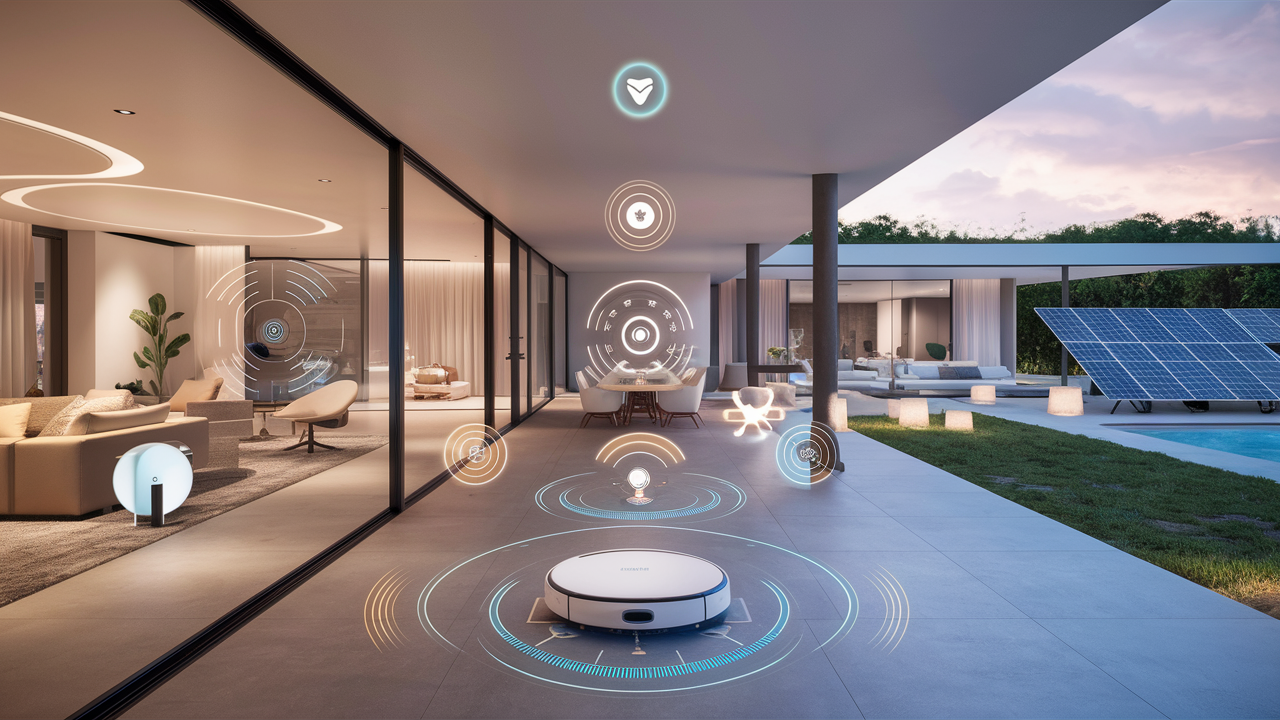
At its core, a smart home is a residence equipped with devices that can be controlled remotely or automatically through a network, typically via a smartphone, tablet, or voice assistant. These interconnected devices range from lighting and thermostats to security cameras and entertainment systems, all designed to work together to enhance convenience, security, energy efficiency, and overall quality of life. Think of it as your home becoming more intelligent, responsive, and tailored to your lifestyle. The concept has evolved significantly, moving beyond mere novelty to become a practical and increasingly integrated part of modern living.
The Pillars of a Smart Home: Key Components
Understanding what makes a home "smart" involves recognizing its fundamental building blocks. These components work in concert to create the seamless, automated experience that defines a smart home. Without these elements, the interconnectedness and intelligence that characterize a smart home simply wouldn't exist.
Smart Devices: The Building Blocks
These are the individual gadgets and appliances that perform specific functions within your home. They are "smart" because they possess connectivity and can be controlled or programmed. Examples include smart light bulbs, smart thermostats, smart locks, smart speakers, smart security cameras, and even smart refrigerators. Each device is designed to perform a task, but its true power is unleashed when it's part of a larger, interconnected system.
Connectivity: The Nervous System
For smart devices to communicate with each other and with you, they need a robust network. This is where connectivity comes in. The primary forms of connectivity in smart homes are Wi-Fi, Bluetooth, Zigbee, and Z-Wave.
- Wi-Fi: The most common and widely used. It allows devices to connect directly to your home router and the internet, enabling remote control and data access.
- Bluetooth: Often used for direct device-to-device communication over short distances, commonly found in smart locks and some smart speakers for initial setup or direct control.
- Zigbee and Z-Wave: These are low-power, mesh networking protocols specifically designed for smart home devices. They create a dedicated network separate from your Wi-Fi, which can be more reliable and energy-efficient for a large number of devices. They often require a hub to bridge them to your Wi-Fi network.
The reliability and reach of your home network are paramount to a functioning smart home. A weak Wi-Fi signal or a poorly configured network can lead to devices becoming unresponsive or difficult to control.
Control Platforms: The Brains of the Operation
These are the interfaces and systems that allow you to manage and orchestrate your smart devices. They are the central point of control, enabling you to set up routines, create automations, and interact with your smart home.
- Mobile Apps: Most smart device manufacturers provide dedicated mobile applications for setup, control, and monitoring.
- Voice Assistants: Platforms like Amazon Alexa, Google Assistant, and Apple's Siri are increasingly becoming the primary way users interact with their smart homes. You can use voice commands to control devices, ask questions, and trigger complex routines.
- Smart Home Hubs: Dedicated hardware devices (e.g., Samsung SmartThings Hub, Hubitat Elevation) that act as a central controller for various smart devices, often supporting multiple communication protocols (Zigbee, Z-Wave, Wi-Fi). They can enable more advanced automation and local processing, reducing reliance on cloud services.
- Smart Home Ecosystems: These are integrated suites of devices and services from a single provider or that are designed to work seamlessly together (e.g., Apple HomeKit, Google Home, Amazon Alexa). Choosing an ecosystem often dictates the types of devices you can easily integrate.
The interplay between these three pillars – devices, connectivity, and platforms – is what transforms a regular house into a smart home.
Why Embrace the Smart Home Revolution? Unpacking the Benefits
The allure of a smart home extends far beyond technological novelty. It offers tangible benefits that can significantly improve daily life. As we move further into the mid-2020s, the advantages are becoming more pronounced and accessible to a wider audience.
Unparalleled Convenience and Comfort
Imagine waking up to your lights gently illuminating your room, your favorite music playing softly, and your coffee maker already brewing. Smart homes excel at automating mundane tasks, freeing up your time and reducing mental load. You can adjust your thermostat from your couch, lock your doors from your office, or set the mood for movie night with a single voice command. This level of personalized control and automation significantly enhances comfort and convenience, making everyday life smoother and more enjoyable. For instance, setting up a "Good Morning" routine that turns on lights, adjusts the thermostat, and provides a news briefing is a prime example of this benefit.
Fortified Security and Peace of Mind
Smart home technology offers a robust suite of tools for bolstering home security. Smart locks allow you to grant temporary access to visitors remotely, monitor who enters and leaves your home, and receive alerts if a door is left unlocked. Smart security cameras provide live feeds and motion-detection alerts, accessible from anywhere. Smart doorbells let you see and speak to visitors before opening the door. Integrated systems can even alert you to potential hazards like water leaks or smoke. This constant vigilance and remote access provide a profound sense of security and peace of mind, whether you're at home or away. In 2025, smart security systems are projected to be a leading driver of smart home adoption.
Significant Energy Efficiency and Cost Savings
One of the most compelling benefits of a smart home is its potential for energy savings. Smart thermostats, for example, learn your habits and adjust heating and cooling accordingly, reducing energy waste when you're away or asleep. Smart lighting systems can be programmed to turn off automatically when a room is unoccupied or dim based on ambient light. Smart plugs can help identify and power down "energy vampires" – devices that consume power even when turned off. These intelligent energy management capabilities not only contribute to environmental sustainability but also translate into lower utility bills. Studies in 2025 indicate that smart thermostat users can save up to 10-15% on their heating and cooling costs annually.
Improved Accessibility and Support
Smart home technology can be a game-changer for individuals with disabilities, the elderly, or those with mobility issues. Voice control allows for hands-free operation of lights, appliances, and entertainment systems. Automated routines can simplify daily tasks, providing greater independence. Remote monitoring and alert systems can offer reassurance to caregivers. For example, a smart home can be configured to announce when a door opens or to automatically turn on lights for someone who has difficulty navigating in the dark. This makes homes more inclusive and supportive environments.
Potential for Increased Home Value
As smart home technology becomes more mainstream and desirable, homes equipped with integrated systems are increasingly attractive to potential buyers. Features like smart security, energy efficiency, and advanced convenience can be significant selling points. While the ROI can vary, a well-implemented and user-friendly smart home system can differentiate a property in the market and potentially command a higher sale price. Real estate trends in 2025 suggest that smart home features are moving from a "nice-to-have" to a "must-have" for many discerning buyers.
Exploring the Spectrum: Types of Smart Devices
The world of smart home devices is vast and ever-expanding. Each category offers unique functionalities that contribute to the overall intelligence and automation of your living space. Understanding these categories can help you identify which devices best suit your needs and budget.
Smart Lighting: Setting the Mood and Saving Energy
Smart bulbs and switches offer unparalleled control over your home's illumination. You can adjust brightness, change colors (with RGB bulbs), set schedules, and control lights remotely via an app or voice command. This not only enhances ambiance for various occasions but also contributes to energy savings by ensuring lights are only on when needed and at optimal levels.
- Examples: Philips Hue, LIFX, Wyze Bulb.
- Use Cases: "Movie night" scene that dims lights, "Wake-up" routine that gradually brightens lights, remote control to turn off lights left on.
Smart Thermostats: Intelligent Climate Control
These devices go beyond simple temperature settings. Smart thermostats learn your daily routines and preferences, automatically adjusting the temperature to optimize comfort and energy efficiency. Many can be controlled remotely, allowing you to pre-heat or cool your home before you arrive. Some even integrate with weather forecasts to make smarter adjustments.
- Examples: Nest Learning Thermostat, ecobee SmartThermostat, Honeywell Home T-Series.
- Use Cases: Automatically lowering temperature when you leave for work, pre-heating the house on a cold morning, remote adjustment during unexpected weather changes.
Smart Security Systems: Protecting Your Sanctuary
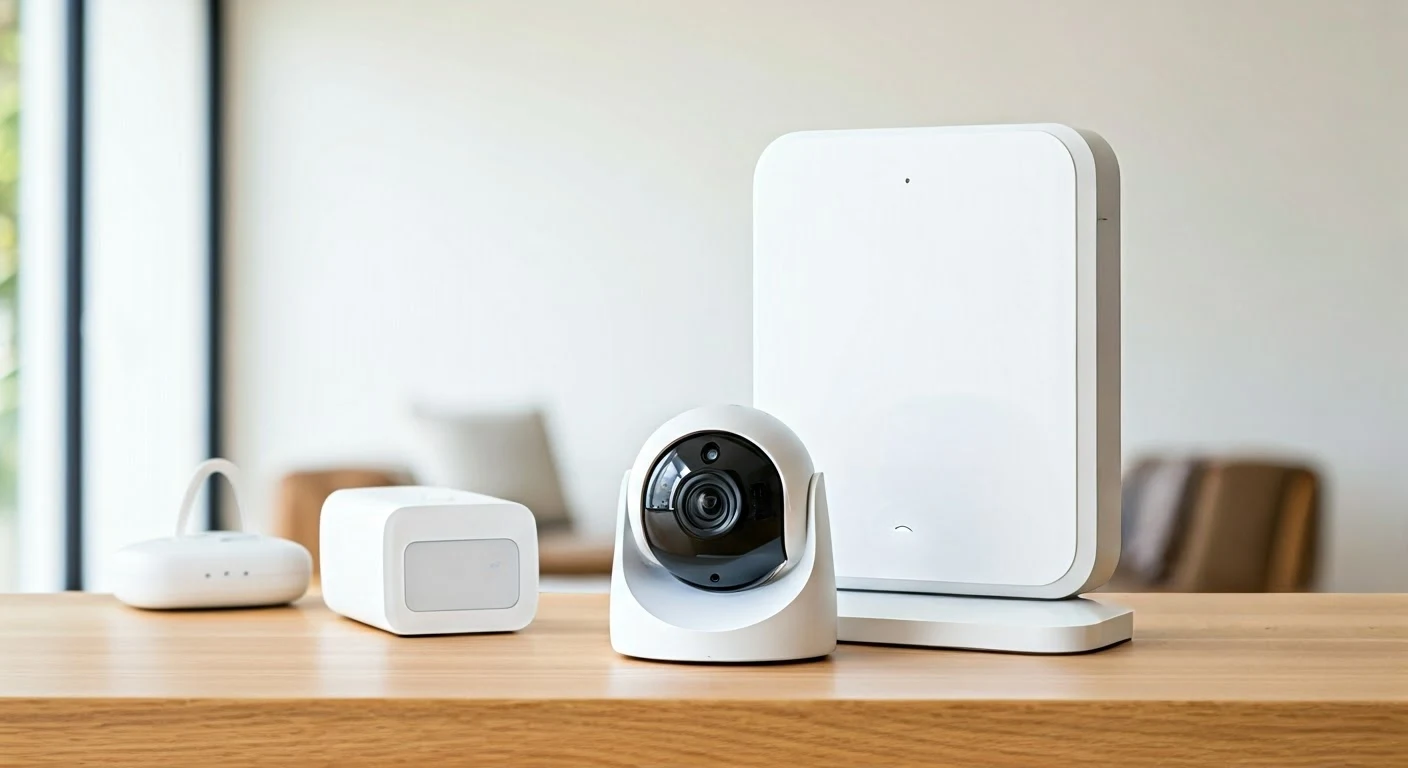
This category includes smart locks, cameras, doorbells, motion sensors, and alarm systems. They provide enhanced security features like remote locking/unlocking, live video monitoring, two-way audio communication with visitors, and instant alerts for suspicious activity. Many systems can be integrated to create a comprehensive security network.
- Examples: Ring Alarm Security System, SimpliSafe, Arlo Security Cameras, August Smart Lock.
- Use Cases: Receiving a notification and viewing a live feed when someone approaches your door, remotely unlocking the door for a trusted guest, getting an alert if a window sensor is triggered.
Smart Entertainment: Seamlessly Integrated Media
Smart TVs, streaming devices, smart speakers, and multi-room audio systems fall into this category. They offer voice control for playback, personalized recommendations, and seamless integration with other smart home devices. You can ask your voice assistant to play a specific song, start a movie, or even dim the lights for a cinematic experience.
- Examples: Smart TVs (Samsung, LG, Sony), Apple TV, Amazon Fire TV Stick, Sonos speakers, Google Nest Audio.
- Use Cases: Asking your voice assistant to play a playlist, casting content from your phone to your TV, controlling your home theater system with voice commands.
Smart Appliances: The Future of Home Chores
From refrigerators that can track inventory and suggest recipes to ovens that can be preheated remotely and washing machines that can be started via an app, smart appliances are making household chores more efficient and convenient. They often offer diagnostic features and can alert you when maintenance is needed.
- Examples: Samsung Family Hub Refrigerator, LG ThinQ WashTower, Bosch Smart Oven.
- Use Cases: Checking refrigerator contents while at the grocery store, preheating your oven on the way home, receiving a notification when laundry is finished.
Smart Plugs and Switches: Simple Automation
These are among the most accessible and affordable smart home devices. Smart plugs allow you to make any "dumb" appliance smart by plugging it into the smart plug. You can then turn the appliance on/off remotely, set schedules, or monitor energy usage. Smart switches replace your existing wall switches for more integrated control of lighting and ceiling fans.
- Examples: Kasa Smart Plug, Wemo Smart Plug, Lutron Caseta Smart Switch.
- Use Cases: Making a traditional coffee maker smart by scheduling it to brew in the morning, turning off holiday lights remotely, controlling a desk lamp with your voice.
Smart Voice Assistants: Your Hands-Free Command Center
Devices like Amazon Echo (Alexa), Google Nest (Google Assistant), and Apple HomePod (Siri) are central to many smart homes. They act as voice-activated interfaces that can control other smart devices, play music, answer questions, set timers, manage calendars, and much more. They are the intuitive way to interact with your smart home ecosystem.
- Examples: Amazon Echo Dot, Google Nest Mini, Apple HomePod Mini.
- Use Cases: "Alexa, turn on the living room lights," "Hey Google, set a timer for 15 minutes," "Siri, what's the weather like today?"
Your Journey to a Smarter Home: A Step-by-Step Guide
Embarking on the path to a smart home can seem daunting, but by following a structured approach, you can build a system that meets your needs and budget effectively. Here’s a practical guide to help you get started.
Step 1: Assess Your Needs and Goals
Before purchasing any devices, consider what you want to achieve. Are you primarily interested in enhancing security, improving energy efficiency, increasing convenience, or creating a more entertainment-friendly environment? Prioritize your needs. For example, if security is paramount, start with smart locks and cameras. If convenience is key, focus on smart lighting and voice assistants.
Step 2: Choose Your Smart Home Ecosystem
Decide which major smart home ecosystem you want to align with: Amazon Alexa, Google Home, or Apple HomeKit. While many devices are cross-compatible, sticking to one ecosystem can simplify setup, management, and ensure better integration. Consider which voice assistant you prefer and what devices are already compatible with your chosen platform.
Step 3: Start Small with Core Devices
You don't need to automate your entire home at once. Begin with a few key devices that address your top priorities. A smart speaker and a few smart plugs or smart bulbs are excellent starting points. This allows you to learn how the technology works and how you interact with it before making larger investments.
Step 4: Installation and Setup
Follow the manufacturer's instructions carefully for each device. This typically involves downloading a companion app, connecting the device to your Wi-Fi network, and linking it to your chosen smart home ecosystem. Most modern smart devices are designed for user-friendly DIY installation.
Step 5: Create Automations and Routines
This is where the real "smart" comes into play. Use your chosen platform's app to create custom routines or automations. For example, you can set a "Goodnight" routine that turns off all lights, locks the doors, and lowers the thermostat. Or, create an automation where motion detected by a sensor triggers a smart light to turn on.
Step 6: Expand Gradually and Securely
Once you're comfortable with your initial setup, you can gradually add more devices to expand your smart home's capabilities. Always prioritize security by using strong, unique passwords for your Wi-Fi network and all smart home accounts, and keep your device firmware updated.
Navigating the Landscape: Choosing Your Smart Home Ecosystem
The smart home market can feel fragmented, with numerous brands and technologies vying for your attention. Choosing a cohesive ecosystem is crucial for a smooth and integrated smart home experience.
The Major Players: Google Home, Amazon Alexa, and Apple HomeKit
These three platforms dominate the smart home landscape, each offering a distinct approach and set of compatible devices.
- Amazon Alexa: Known for its vast compatibility with third-party devices and its popular Echo line of smart speakers. Alexa is often the most flexible choice for integrating a wide range of products.
- Google Home: Leverages Google's powerful search and AI capabilities, making its Assistant highly intelligent for answering questions and managing daily tasks. Its Nest line of devices is well-integrated.
- Apple HomeKit: Focuses on security and privacy, with devices requiring rigorous certification. It integrates seamlessly with Apple devices (iPhone, iPad, Mac) and offers a clean, user-friendly interface through the Home app.
Compatibility is Key: What to Consider
When selecting smart devices, always check for compatibility with your chosen ecosystem. Look for labels like "Works with Alexa," "Works with Google Assistant," or "Works with Apple HomeKit." Also, consider the underlying communication protocols (Wi-Fi, Zigbee, Z-Wave) and whether a hub is required.
Open vs. Closed Ecosystems
Some ecosystems are more open, allowing a wider array of third-party devices to integrate. Others are more closed, prioritizing seamless integration within their own branded products. While closed ecosystems can offer a more polished experience, open ecosystems provide greater choice and flexibility.
Addressing Concerns: Smart Home Security and Privacy
As smart homes become more prevalent, so do concerns about security and privacy. It's essential to be informed and take proactive steps to protect your connected living space.
Understanding Common Vulnerabilities
Like any connected technology, smart home devices can be vulnerable to cyber threats. Common issues include weak default passwords, unpatched software vulnerabilities, and insecure network configurations. Attackers could potentially gain access to cameras, control devices, or intercept data.
Best Practices for a Secure Smart Home
Implementing a few key security measures can significantly enhance your smart home's safety:
- Strong, Unique Passwords: Use complex passwords for your Wi-Fi network and for each smart home account. Avoid reusing passwords.
- Enable Two-Factor Authentication (2FA): Where available, enable 2FA for added account security.
- Secure Your Wi-Fi Network: Use WPA2 or WPA3 encryption and change the default router password.
- Keep Firmware Updated: Regularly update the firmware on your router and all smart devices to patch security vulnerabilities.
- Guest Network: Consider setting up a separate guest Wi-Fi network for your smart devices to isolate them from your main network.
- Research Brands: Choose reputable brands known for their commitment to security and privacy.
Privacy: What Data is Collected and How is it Used?
Smart devices, especially voice assistants and cameras, collect data to function and improve. This can include voice commands, usage patterns, and sensor data. It's crucial to review the privacy policies of the devices and services you use. Understand what data is collected, how it's stored, and how it's used by the manufacturer. Many platforms offer settings to manage data collection and deletion.
The Horizon: Future Trends in Smart Homes
The evolution of smart homes is far from over. Several exciting trends are poised to shape the future of connected living in the coming years.
The Rise of AI and Machine Learning
Expect smart homes to become even more intuitive and predictive. AI and machine learning will enable devices to learn user preferences and behaviors more deeply, anticipating needs and automating tasks proactively without explicit commands. This could lead to homes that truly adapt to their occupants.
Enhanced Interoperability and Standards
Efforts like the Matter standard are aiming to create a more unified smart home experience. This will allow devices from different manufacturers and ecosystems to communicate and work together more seamlessly, reducing compatibility headaches and expanding user choice.
Greater Focus on Sustainability
As environmental concerns grow, smart home technology will increasingly focus on energy conservation, water management, and waste reduction. Innovations in smart grids, energy monitoring, and resource optimization will become more prominent.
Integration with Health and Wellness
Smart homes will play a more significant role in monitoring and supporting health and wellness. This could include features like air quality monitoring, sleep tracking integration, personalized lighting for circadian rhythms, and even remote health monitoring for the elderly.
Smart Home by the Numbers: 2025-2026 Insights
The smart home market continues its rapid expansion, with significant growth projected through 2025 and 2026. These statistics highlight the increasing adoption and the economic impact of connected living.
By the end of 2025, it is estimated that over 1.5 billion smart home devices will be in use globally. The market value is projected to exceed $200 billion USD by 2026, driven by increasing consumer demand for convenience, security, and energy efficiency.
Key adoption drivers for 2025-2026 include:
- Smart Speakers/Voice Assistants: Expected to be present in over 60% of smart homes.
- Smart Lighting: Continued strong growth, with penetration rates reaching over 50% in developed markets.
- Smart Security: Smart cameras and smart locks are among the most popular additions, with adoption rates climbing steadily.
- Energy Management: Smart thermostats are a staple, with increasing interest in broader energy monitoring solutions.
The average smart home in 2025-26 is equipped with approximately 10-15 connected devices. Consumer interest remains high, with a significant percentage of households planning to add more smart devices in the next 12-24 months. Security and privacy remain key considerations for consumers, influencing purchasing decisions and brand loyalty. The rise of interoperability standards like Matter is expected to further accelerate adoption by simplifying the user experience and expanding device compatibility.
In conclusion, the smart home is no longer a futuristic concept but a present-day reality that offers profound benefits. From the unparalleled convenience of automated routines to the enhanced security of connected monitoring and the significant savings from intelligent energy management, a smart home enhances nearly every aspect of daily life. The key components – smart devices, robust connectivity, and intuitive control platforms – work in harmony to create a living space that is more responsive, efficient, and personalized.
As you consider embarking on your smart home journey, remember to assess your specific needs, choose an ecosystem that aligns with your preferences, and start with a few core devices. Gradually expand your system, always prioritizing security and privacy best practices. The future of smart homes promises even greater integration with AI, enhanced interoperability, and a stronger focus on sustainability and wellness.
Embrace the evolution of your living space. Invest in a smart home and unlock a new era of comfort, security, and efficiency. Your home is your sanctuary; make it a smarter one.