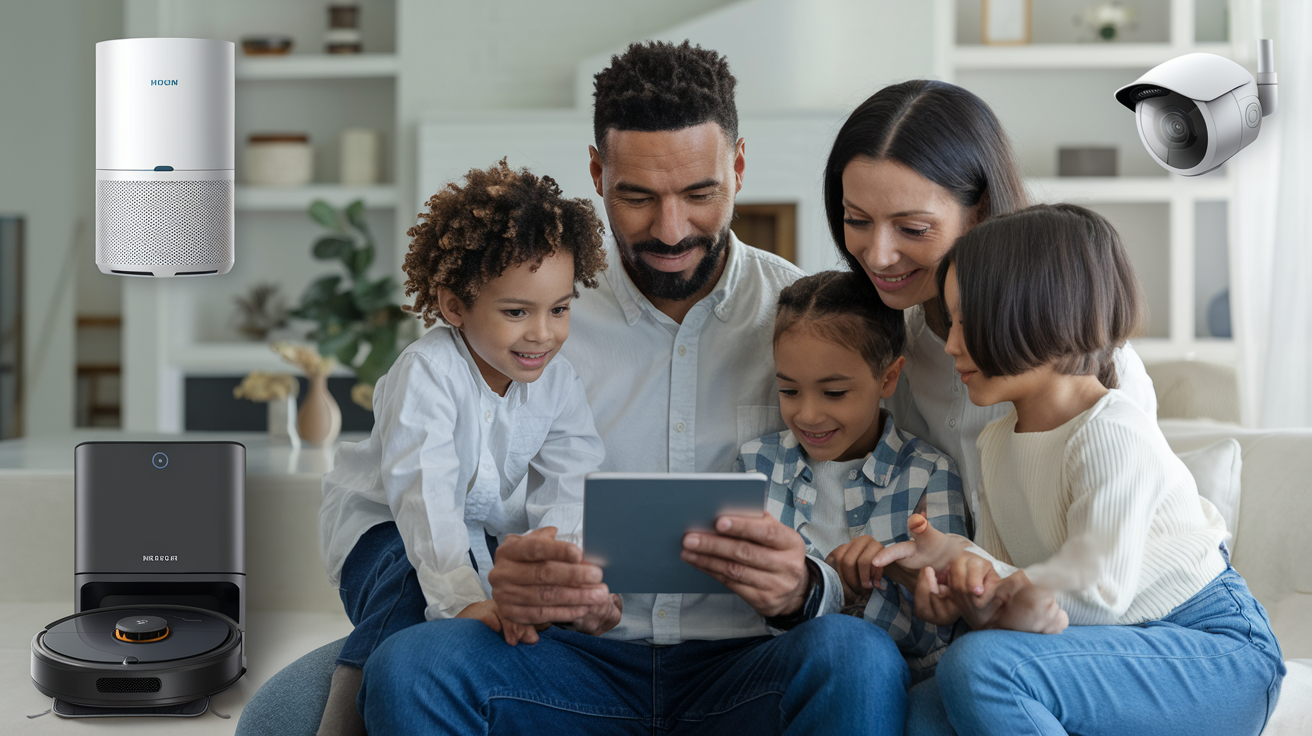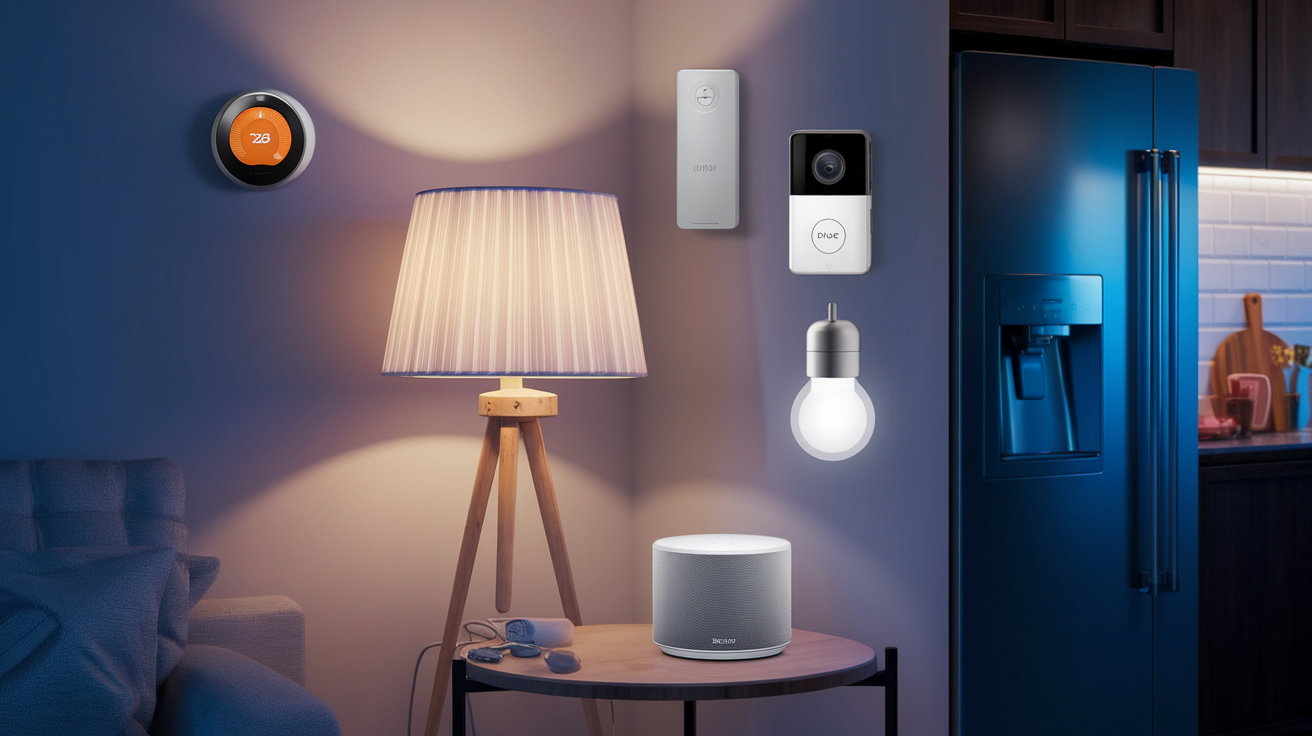
Smart home technology transforms houses into intelligent, connected environments, automating tasks and enhancing convenience, security, and energy efficiency. This guide explores its core components, benefits, and future, helping you understand how to leverage these innovations for a more comfortable and responsive living space.
What is Smart Home Technology?
Smart home technology refers to a network of internet-connected devices and appliances within a residential setting that can be remotely controlled, monitored, and automated. These systems, often referred to as home automation, integrate various devices like lighting, thermostats, security cameras, entertainment systems, and even kitchen appliances, allowing them to communicate with each other and respond to user commands or pre-set schedules. The primary goal is to enhance convenience, security, energy efficiency, and overall comfort for occupants, creating a more responsive and personalized living environment. By leveraging the Internet of Things (IoT), smart homes offer a glimpse into the future of domestic living, where everyday objects become intelligent and interconnected.
The Evolution of the Connected Home
The concept of automating homes isn't new. Early forms of home automation can be traced back to the mid-20th century with rudimentary electrical timers and remote controls. However, the true genesis of the modern smart home began with the widespread adoption of the internet and the subsequent development of the Internet of Things (IoT). In the late 1990s and early 2000s, the idea of networked appliances started to emerge, but it was largely experimental and expensive. The advent of Wi-Fi, Bluetooth, and more affordable microprocessors in the 2010s marked a significant turning point. Companies began introducing individual smart devices, such as smart thermostats and lighting systems, that could be controlled via smartphones. The introduction of voice assistants like Amazon Alexa and Google Assistant in the mid-2010s truly democratized smart home technology, making it accessible and intuitive for the average consumer. By 2025-26, the smart home market is projected to be a multi-billion dollar industry, with an increasing number of households integrating these technologies to improve their daily lives. This evolution has transformed homes from static structures into dynamic, responsive ecosystems.
Key Components of a Smart Home
A smart home is comprised of various interconnected devices and systems, each contributing to its overall intelligence and functionality. Understanding these core components is crucial for anyone looking to build or enhance their connected living space.
Smart Speakers and Voice Assistants
Smart speakers, such as Amazon Echo (with Alexa), Google Nest (with Google Assistant), and Apple HomePod (with Siri), are often the central hubs of a smart home. They allow users to control other smart devices, play music, get information, set reminders, and manage tasks using voice commands. Their natural language processing capabilities make interacting with technology more intuitive and hands-free. By 2025, it's estimated that over 70% of households will have at least one voice assistant device, highlighting their pervasive influence.
Smart Lighting
Smart lighting systems, including bulbs, switches, and plugs, offer unparalleled control over home illumination. Users can adjust brightness, change colors, set schedules, and even control lights remotely via smartphone apps or voice commands. Features like motion detection and integration with security systems can further enhance convenience and safety. For instance, lights can automatically turn on when you arrive home or simulate occupancy when you're away. The market for smart lighting is expected to grow by approximately 20% annually through 2026.
Smart Thermostats
Smart thermostats, such as Nest Learning Thermostat and Ecobee SmartThermostat, learn user preferences and adjust heating and cooling schedules automatically to optimize comfort and energy savings. They can be controlled remotely, allowing users to adjust the temperature before arriving home or when away. Many also integrate with weather forecasts and occupancy sensors to further refine energy management. Studies in 2025 indicate that smart thermostats can reduce energy bills by up to 15% annually.
Smart Security Systems
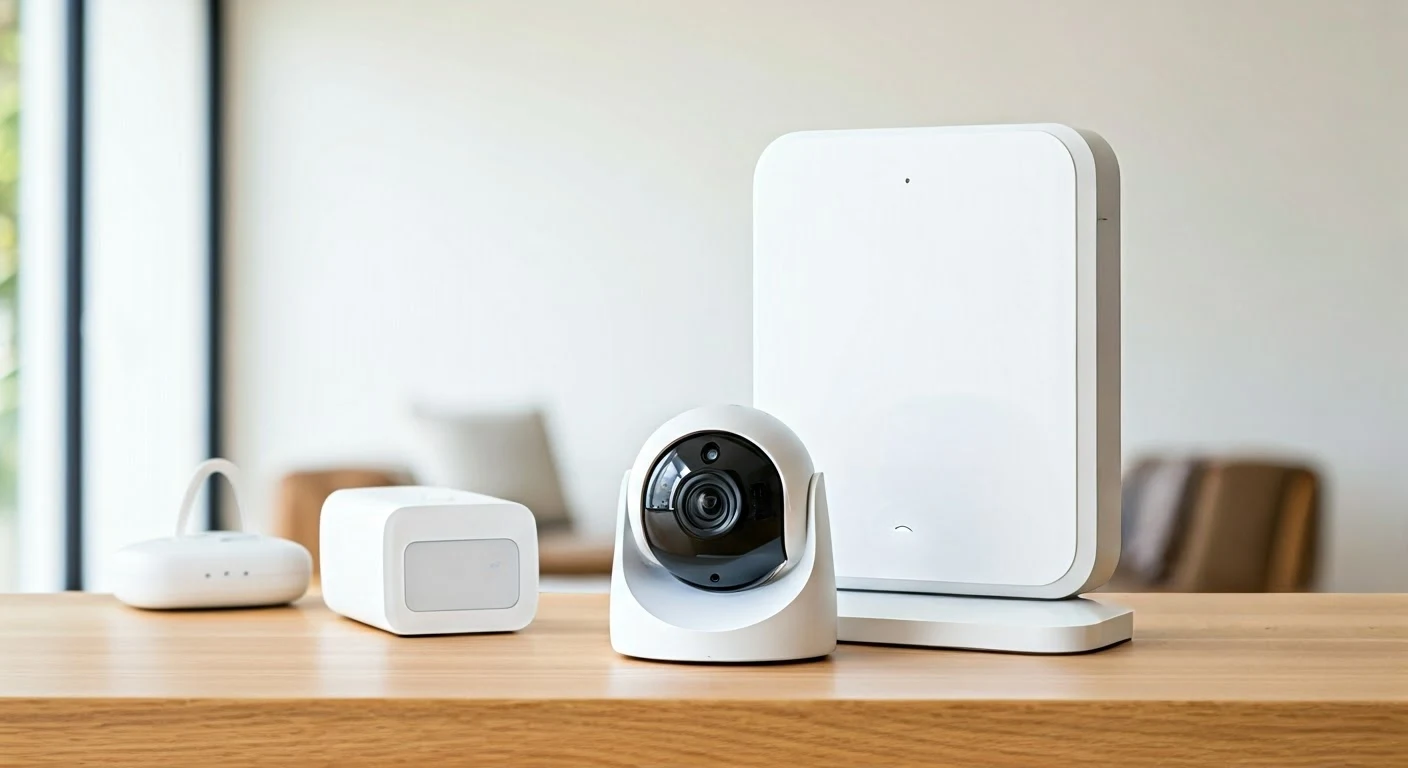
Smart security encompasses a range of devices designed to protect homes and their occupants. This includes smart doorbells with video capabilities, smart locks that can be controlled remotely, indoor and outdoor security cameras, motion sensors, and smart alarm systems. These systems provide real-time alerts, remote monitoring, and often integrate with professional monitoring services, offering peace of mind. The global smart home security market is projected to reach over $50 billion by 2026, with a compound annual growth rate (CAGR) of around 18%.
Smart Appliances
The realm of smart appliances is rapidly expanding, encompassing refrigerators, ovens, washing machines, dryers, and more. These appliances can be monitored and controlled remotely, offer diagnostic features, and can even be programmed for optimized performance. For example, a smart refrigerator might alert you to expiring food or allow you to preheat your oven from your office. While still a premium feature, adoption is steadily increasing.
Smart Plugs and Switches
For those looking for an entry point into home automation, smart plugs and switches are an excellent choice. These devices allow you to control traditional appliances and lights by simply plugging them into the smart plug or replacing existing switches. They offer remote control, scheduling, and energy monitoring capabilities for any connected device, transforming non-smart items into smart ones. This is a cost-effective way to begin building a connected home.
Smart Entertainment Systems
Smart TVs, streaming devices, smart soundbars, and multi-room audio systems fall under this category. They offer seamless integration with voice assistants and other smart home devices, allowing for voice-controlled playback, personalized recommendations, and synchronized entertainment experiences across different rooms. The convergence of entertainment and smart home ecosystems is a key trend for 2025-26.
Smart Home Hubs and Controllers
While many smart devices can operate independently or through their own apps, smart home hubs act as central coordinators. They consolidate control of various devices from different manufacturers, often supporting multiple communication protocols (like Zigbee, Z-Wave, Wi-Fi, and Bluetooth). Examples include Samsung SmartThings, Hubitat Elevation, and Apple's HomeKit framework (which relies on an Apple TV or HomePod as a hub). These hubs enable more complex automation routines and ensure smoother interoperability between devices.
How Smart Home Technology Works
The magic behind smart home technology lies in its interconnectedness and the underlying communication protocols that allow devices to "talk" to each other and to users. Understanding this infrastructure is key to appreciating its capabilities and limitations.
Connectivity Protocols
Smart home devices communicate using various wireless protocols. The most common ones include:
- Wi-Fi: Ubiquitous and high-bandwidth, ideal for devices requiring constant internet connection like cameras and smart speakers. However, it can consume more power.
- Bluetooth: Low-power and good for short-range communication, often used for direct device-to-device connections or within proximity of a hub.
- Zigbee and Z-Wave: Low-power, mesh networking protocols designed specifically for smart home devices. They create robust networks where devices can relay signals, extending range and reliability. They are often more energy-efficient than Wi-Fi.
- Thread: An emerging low-power, IP-based wireless networking protocol designed for IoT devices, aiming for enhanced security and interoperability.
- Matter: A new industry standard designed to improve interoperability between smart home devices from different manufacturers, simplifying setup and control. It aims to unify the ecosystem.
The choice of protocol impacts a device's range, power consumption, and compatibility with other devices.
The Role of the Internet of Things (IoT)
Smart home technology is a prominent application of the Internet of Things (IoT). IoT refers to the network of physical objects—"things"—that are embedded with sensors, software, and other technologies for the purpose of connecting and exchanging data with other devices and systems over the internet. In a smart home, each connected device (a "thing") collects data (e.g., temperature, motion, light levels) and can send or receive commands. This data exchange allows for remote control, automation, and sophisticated analytics. The growth of IoT devices in homes is exponential, with projections indicating over 50 billion connected devices globally by 2025.
Data and Automation
The data collected by smart home devices is processed either locally or in the cloud. This data can be used to trigger automated actions based on pre-set rules or learned patterns. For example:
- Rule-based automation: "If motion is detected in the living room after 10 PM, turn on the living room lights to 20% brightness."
- Scene-based automation: A "Movie Night" scene might dim the lights, close the smart blinds, and turn on the TV and sound system with a single voice command.
- Learning-based automation: A smart thermostat learns your daily schedule and adjusts the temperature accordingly, even anticipating your arrival home based on your phone's location.
This ability to process data and enact automated responses is what gives smart homes their intelligence and convenience. The sophistication of these automations is rapidly increasing with advancements in AI and machine learning, allowing for more personalized and predictive experiences by 2026.
Benefits of Smart Home Technology
The appeal of smart home technology lies in the tangible improvements it brings to daily life. From simple conveniences to significant security and efficiency gains, the benefits are multifaceted.
Convenience and Comfort
Perhaps the most immediate benefit is the enhanced convenience. Imagine adjusting your thermostat from your office, turning on lights without leaving your bed, or starting your coffee maker from your phone as you wake up. Voice control further amplifies this, allowing hands-free operation of various devices. Smart homes can automate routine tasks, freeing up time and reducing mental load. Scenes and routines can be programmed to simplify complex actions, making daily living smoother and more comfortable.
Enhanced Security
Smart home security systems offer a proactive and responsive approach to home protection. Features like smart doorbells with two-way audio and video, remote-controlled smart locks, and smart cameras provide constant surveillance and immediate alerts. Users can monitor their homes from anywhere, receive notifications of suspicious activity, and even grant temporary access to visitors remotely. Smart smoke and carbon monoxide detectors can send alerts to your phone, even when you're away, potentially saving lives.
Energy Efficiency and Cost Savings
Smart thermostats are a prime example of how smart technology can lead to significant energy savings. By learning your habits and optimizing heating and cooling, they can reduce energy consumption by 10-20%. Smart lighting allows for precise control over illumination, ensuring lights are only on when needed and at the desired brightness. Smart plugs can monitor and control the energy usage of appliances, helping to identify and eliminate "vampire drain" from devices in standby mode. According to a 2025 report, the average household can save between $150-$300 annually on energy bills through smart home device usage.
Accessibility and Assistance
Smart home technology can be a game-changer for individuals with disabilities or mobility issues. Voice control, automated lighting, smart locks, and remote control of appliances can significantly increase independence and ease of living. For elderly individuals, smart home systems can provide safety monitoring, medication reminders, and easier communication with caregivers. This technology fosters a more inclusive and supportive living environment.
Home Value Appreciation
As smart home technology becomes more mainstream and desired, its integration can contribute to increased home value. Potential buyers increasingly view smart home features as a valuable amenity, comparable to updated kitchens or bathrooms. Homes equipped with comprehensive smart systems, particularly in security, energy efficiency, and convenience, can command higher prices and sell faster in the competitive real estate market of 2025-26.
Challenges and Considerations
While the benefits of smart home technology are compelling, it's important to be aware of the potential challenges and considerations before diving in.
Cost of Implementation
Setting up a comprehensive smart home system can involve a significant upfront investment. While individual devices like smart plugs are relatively inexpensive, equipping an entire home with smart lighting, thermostats, security cameras, and integrated hubs can add up quickly. The cost varies widely depending on the brands, features, and the number of devices installed. However, the market is becoming more competitive, leading to more affordable options and bundled packages.
Privacy and Security Concerns
With any internet-connected device, privacy and security are paramount concerns. Smart home devices collect data about your habits, routines, and even your presence. Ensuring these devices are secured against unauthorized access and that manufacturers have robust privacy policies is crucial. Weak passwords, unpatched vulnerabilities, and data breaches are potential risks that users must be aware of and mitigate through strong security practices.
Interoperability Issues
Historically, a major challenge has been getting devices from different manufacturers to work together seamlessly. While standards like Matter are emerging to address this, many smart home ecosystems still operate in silos. A device designed for Amazon Alexa might not work with Google Home, or vice versa, without specific integrations or a compatible hub. This can lead to frustration and limit the potential for complex automation.
Reliance on Internet Connectivity
Most smart home devices require a stable internet connection to function fully, especially for remote control and cloud-based features. An internet outage can render many of your smart devices inoperable or significantly limit their functionality. This reliance means a robust and reliable home network is essential for a smooth smart home experience.
Technical Complexity and Setup
While manufacturers strive to make setup easier, some smart home devices can still be complex to install and configure, particularly for individuals with limited technical expertise. Troubleshooting connectivity issues, setting up advanced routines, or integrating multiple devices can sometimes require patience and a willingness to learn. Professional installation services are available but add to the overall cost.
Getting Started with Your Smart Home
Embarking on the journey to a smart home can seem daunting, but a strategic approach can make it manageable and rewarding. Here’s a step-by-step guide to help you begin:
Assess Your Needs and Priorities
Before purchasing any devices, consider what you want to achieve with a smart home. Are you primarily interested in convenience, security, energy savings, or entertainment? Identify the specific problems you want to solve or the areas of your home you wish to enhance. For example, if energy bills are a concern, start with a smart thermostat. If peace of mind is the priority, focus on smart security cameras and locks.
Choose a Platform or Ecosystem
Decide which smart home ecosystem you want to align with. The major players are Amazon Alexa, Google Assistant, and Apple HomeKit. Your choice will influence which devices are most compatible and easiest to control. Consider which voice assistant you are most comfortable using or which ecosystem has the devices that best meet your needs. While interoperability is improving, sticking to one ecosystem initially can simplify setup and management.
Start Small and Scale Up
You don't need to transform your entire home overnight. Begin with a few key devices that address your primary needs. Popular starting points include a smart speaker, a few smart light bulbs, or a smart plug. Once you become comfortable with these, you can gradually add more devices and expand your smart home capabilities. This approach allows you to learn and adapt without overwhelming yourself or your budget.
Research and Read Reviews
The smart home market is flooded with products. Before making a purchase, thoroughly research different brands and models. Read reviews from reputable tech publications and consumer reports. Pay attention to user feedback regarding ease of setup, reliability, app performance, and customer support. Look for devices that are compatible with your chosen ecosystem and connectivity protocols.
Consider Professional Installation
For more complex installations, such as hardwired smart thermostats, smart locks, or integrated security systems, consider hiring a professional installer. This ensures the devices are set up correctly, securely, and optimally, saving you time and potential headaches. Many retailers offer installation services for their smart home products.
The Future of Smart Home Technology
The evolution of smart home technology is far from over. As artificial intelligence, sensor technology, and connectivity advance, we can expect even more sophisticated and integrated smart living experiences in the coming years. By 2025-26, several key trends are shaping the future:
AI and Predictive Automation
Artificial intelligence will play an increasingly significant role, moving beyond simple automation to predictive capabilities. Homes will learn user behaviors and preferences with greater accuracy, anticipating needs before they are even expressed. AI could manage energy consumption proactively based on predicted weather patterns and occupancy, or even adjust lighting and ambient settings to optimize mood and productivity.
Sustainability and Environmental Monitoring
Smart homes will become more attuned to environmental factors. Advanced sensors will monitor air quality, water usage, and energy consumption with greater precision, providing users with actionable insights to reduce their environmental footprint. Systems could automatically adjust ventilation based on CO2 levels or optimize water usage for landscaping. This aligns with a growing global focus on sustainability.
Enhanced Health and Wellness
The integration of health and wellness features will become more prominent. Smart devices could monitor sleep patterns, activity levels, and even detect anomalies in vital signs, alerting users or caregivers to potential health issues. Ambient lighting and sound systems could be programmed to promote relaxation and improve sleep quality. Smart kitchens might offer personalized meal planning based on dietary needs.
Seamless Integration and Personalization
The push for universal compatibility, driven by standards like Matter, will lead to more seamless integration between devices from different brands. Homes will become more personalized, with systems adapting to individual users and their specific needs and preferences. The goal is a truly intuitive and unobtrusive living environment where technology fades into the background, serving occupants effortlessly.
Conclusion: Embracing the Intelligent Living Experience
Smart home technology has evolved from a niche concept to a transformative force in modern living. It offers unparalleled convenience, enhanced security, significant energy savings, and improved accessibility, fundamentally changing how we interact with our homes. By understanding the core components, how they work, and the benefits they provide, individuals can make informed decisions about integrating these innovations into their lives. While challenges like cost and privacy exist, the ongoing advancements in AI, connectivity, and interoperability are paving the way for even more intelligent, personalized, and sustainable homes. The future of living is connected, and by embracing smart home technology today, you are stepping into a more comfortable, secure, and efficient tomorrow. Start exploring the possibilities and discover how intelligent living can enhance your daily life.