Vivint Smart Home offers a comprehensive, integrated system for home security and automation, providing peace of mind and convenience through professional installation and 24/7 monitoring. It empowers users with remote control and intelligent features for a safer, more efficient living environment.
What Exactly Is Vivint Smart Home?
Vivint Smart Home is a leading provider of integrated home security and automation solutions. It goes beyond traditional alarm systems by offering a comprehensive ecosystem of smart devices, all managed through a central hub and accessible via a mobile app. Vivint distinguishes itself with its professional installation, 24/7 professional monitoring, and a commitment to seamless integration, aiming to provide homeowners with enhanced safety, convenience, and control over their living spaces.
In essence, Vivint Smart Home is not just about security; it's about creating a smarter, more responsive, and more secure home environment tailored to individual needs. By combining cutting-edge technology with personalized service, Vivint aims to deliver unparalleled peace of mind and an elevated living experience. This holistic approach addresses the growing demand for connected homes that are both secure and effortlessly managed.
Key Components of a Vivint System
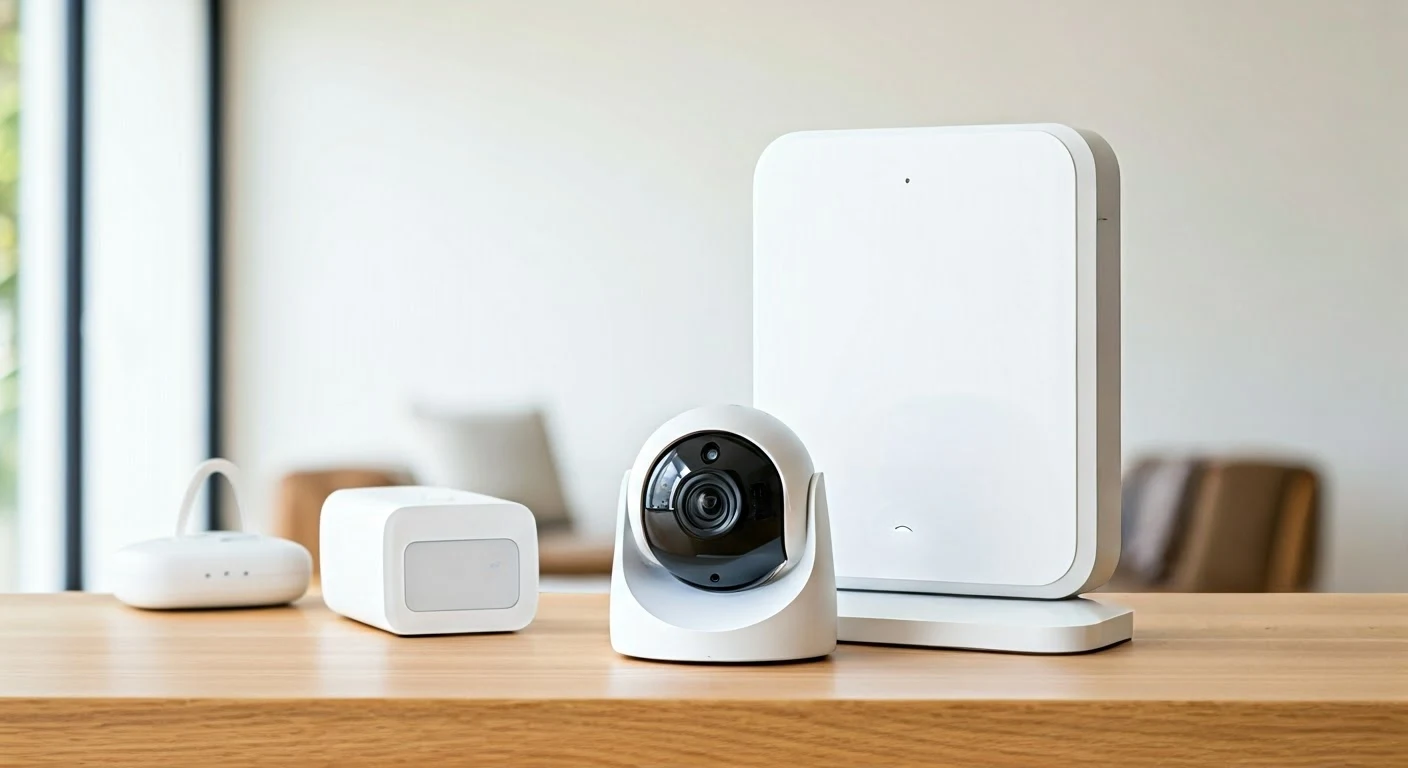
A Vivint Smart Home system is built upon a foundation of interconnected devices that work in harmony to provide security and automation. The core of the system is the Vivint Smart Hub, which acts as the central brain, connecting all other devices and facilitating communication. From this hub, users can control their entire smart home environment.
The Vivint Smart Hub
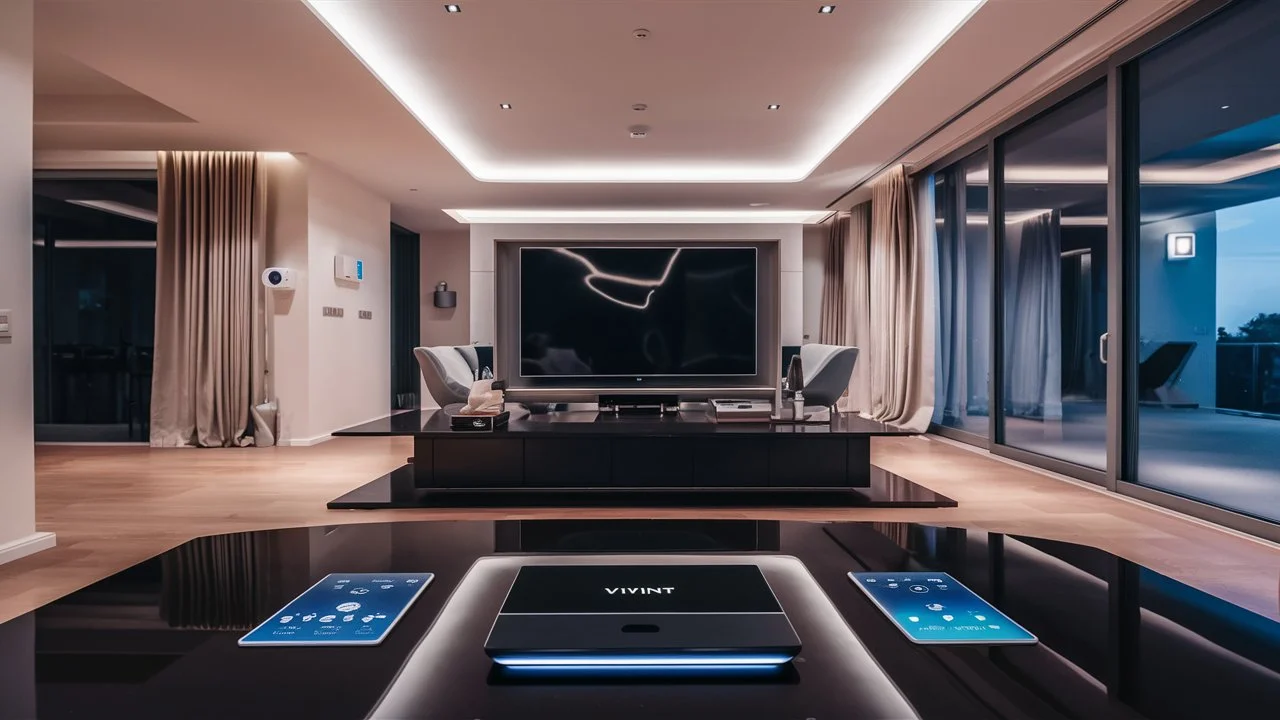
The Vivint Smart Hub is the command center for your smart home. It's a touchscreen panel that allows for easy control of security settings, smart locks, thermostats, lighting, and more. It also serves as the communication gateway for all connected devices and the link to Vivint's monitoring center.
Security Sensors
Vivint offers a robust suite of security sensors designed to detect intrusions and environmental hazards. These include:
- Door and Window Sensors: These detect when a door or window is opened, triggering an alert.
- Motion Detectors: Capable of sensing movement within a room, these are ideal for covering larger areas and can often be configured to ignore pets.
- Glass Break Sensors: These specialized sensors detect the sound frequency of breaking glass, providing an early warning of a potential break-in.
- Smoke and Carbon Monoxide Detectors: Integrated with the system, these can automatically alert Vivint monitoring and dispatch emergency services if a threat is detected, even if you're not home.
- Flood Sensors: Placed in areas prone to leaks, such as basements or under sinks, these sensors can alert you to water damage before it becomes a major problem.
Smart Cameras
Vivint provides a range of smart cameras to enhance home security and provide visual confirmation of events. These include:
- Indoor Cameras: For monitoring activity inside the home.
- Outdoor Cameras: Weather-resistant cameras designed for exterior surveillance, often featuring night vision and motion detection.
- Doorbell Cameras: Allowing you to see, hear, and speak to visitors at your door from anywhere, and record activity at your entryway.
These cameras offer features like high-definition video, two-way audio, and motion-activated recording, all accessible through the Vivint app.
Smart Locks and Garage Door Control
Vivint integrates smart locks and garage door openers into its system for enhanced convenience and security. Users can remotely lock or unlock doors, grant temporary access to guests, and receive notifications when doors are opened or closed. Similarly, garage doors can be opened, closed, and monitored remotely.
Smart Thermostats and Lighting
For home automation, Vivint offers smart thermostats that learn your preferences and adjust the temperature for optimal comfort and energy savings. Smart lighting allows for remote control of lights, scheduling, and creating custom lighting scenes, enhancing both ambiance and security by making it appear as though someone is home.
Vivint Keypad
While the Smart Hub is central, Vivint also offers wireless keypads for convenient arming and disarming of the security system in multiple locations within the home.
How Vivint Works: The Technology Behind the Scenes
Vivint's smart home system operates on a sophisticated network of wireless communication protocols and cloud-based technology. The synergy between these elements ensures a responsive, reliable, and secure user experience. Understanding this underlying technology helps appreciate the system's capabilities.
Wireless Communication Protocols
Vivint devices primarily communicate using Z-Wave and Wi-Fi technologies. Z-Wave is a low-power wireless protocol ideal for smart home devices, ensuring reliable communication between sensors, locks, thermostats, and the central hub without significantly draining battery life. Wi-Fi is used for higher bandwidth devices like cameras and for connecting the Smart Hub to your home's internet network, which is crucial for remote access and cloud services.
The Vivint Smart Hub as the Central Controller
The Smart Hub acts as the bridge between all your connected devices. It receives signals from sensors, interprets commands from the app or keypad, and sends out instructions to other devices. Its advanced processor and connectivity options allow it to manage multiple devices simultaneously and efficiently.
Cloud Connectivity and Remote Access
A critical component of Vivint's functionality is its reliance on cloud connectivity. Your Smart Hub connects to Vivint's secure servers via your home's internet connection. This connection enables several key features:
- Remote Control: The Vivint mobile app communicates with the cloud servers, which then relay commands to your Smart Hub, allowing you to control your system from anywhere with an internet connection.
- Data Storage: Video footage from Vivint cameras is often stored in the cloud, providing a secure backup and easy access to recorded events.
- System Updates: Vivint can push software updates and security patches to your system remotely, ensuring it remains up-to-date and protected against emerging threats.
- Professional Monitoring Integration: In the event of an alarm, the Smart Hub sends an alert to Vivint's 24/7 monitoring center through a secure cellular backup connection, ensuring that even if your internet goes down, your safety is still prioritized.
Cellular Backup
Vivint systems are equipped with cellular backup. This is a vital safety feature that ensures your system remains connected to the monitoring center even if your home's internet or power is disrupted. This redundancy is a significant advantage over many DIY systems that rely solely on Wi-Fi.
Artificial Intelligence and Machine Learning
While not always explicitly marketed, Vivint leverages AI and machine learning in various aspects of its service. This can include intelligent motion detection algorithms that differentiate between people, pets, and vehicles, reducing false alarms. It also plays a role in optimizing thermostat settings and providing personalized automation routines based on user behavior.
The integration of these technologies creates a robust and intelligent system that offers convenience, security, and peace of mind, making Vivint a comprehensive solution for modern homeowners.
Vivint Security Features: Comprehensive Protection
Vivint's primary focus is on providing robust home security. The system is designed to deter intruders, detect breaches, and alert authorities swiftly. Its comprehensive approach covers multiple layers of protection.
Intrusion Detection
The foundation of Vivint's security lies in its array of sensors. Door and window sensors, motion detectors, and glass break sensors work together to create a perimeter and interior defense. When any of these sensors are triggered while the system is armed, it initiates an alarm sequence.
24/7 Professional Monitoring
This is a cornerstone of Vivint's offering. When an alarm is triggered, the signal is sent to Vivint's Underwriters Laboratories (UL)-certified monitoring centers. Trained professionals then assess the situation, verify the alarm (often through two-way audio or video verification), and dispatch the appropriate emergency services (police, fire, or medical) if necessary. This constant vigilance provides a significant layer of security that is difficult to replicate with self-monitored systems.
Smart Deterrence
Vivint incorporates features designed to actively deter potential intruders before they can gain entry. This includes:
- Vivint Doorbell Camera: The ability to see and speak to visitors remotely can deter porch pirates and suspicious individuals.
- Outdoor Cameras with Two-Way Audio: If an intruder is detected on the property, users can engage them remotely, often scaring them away.
- Smart Lighting Integration: Lights can be programmed to turn on automatically when motion is detected outdoors or when the alarm is triggered, making the home appear occupied and deterring potential threats.
Video Surveillance and Verification
Vivint's smart cameras provide real-time video feeds and recorded footage. This serves multiple purposes:
- Visual Confirmation: Monitoring agents can use video to verify if an alarm is a false alarm or a genuine emergency, leading to more efficient dispatch of authorities.
- Evidence Collection: Recorded footage can be invaluable for law enforcement investigations.
- Remote Monitoring: Homeowners can check on their property at any time, whether it's to see who's at the door, check on pets, or ensure everything is in order.
Environmental Hazard Detection
Beyond intrusion, Vivint protects against other home emergencies. Integrated smoke and carbon monoxide detectors are linked to the monitoring center. In case of a fire or dangerous CO levels, the system will not only sound an audible alarm but also notify the monitoring center, which can dispatch the fire department, potentially saving lives and property.
Similarly, flood sensors can detect water leaks, alerting homeowners to potential water damage that could lead to costly repairs. These sensors are particularly useful in areas like basements, laundry rooms, or near water heaters.
Smart Lock Integration
Smart locks controlled through the Vivint system add another layer of security. Users can remotely lock or unlock doors, receive notifications when doors are accessed, and grant temporary access codes to guests or service providers. This eliminates the risk of lost keys and provides a detailed log of who entered and when.
Professional Installation and System Design
Vivint's commitment to security extends to its installation process. Trained technicians assess the home's layout and security needs to strategically place sensors and cameras for optimal coverage. This professional approach ensures that the system is installed correctly and effectively, maximizing its protective capabilities.
By combining these advanced features, Vivint provides a multi-faceted security solution that offers peace of mind and robust protection against a wide range of threats.
Vivint Smart Home Automation: Convenience and Efficiency
While security is paramount, Vivint also excels in smart home automation, transforming houses into intelligent, responsive living spaces. These features enhance convenience, comfort, and energy efficiency.
Smart Thermostat Control
The Vivint Smart Thermostat learns your household's schedule and temperature preferences. It can be controlled remotely via the app, allowing you to adjust the temperature before you arrive home or conserve energy when you're away. Features like geofencing can automatically adjust the thermostat based on your location, ensuring comfort without wasting energy.
For example, in 2025, a family might set their thermostat to automatically lower the temperature by 5 degrees when the last person leaves the house, saving an estimated 10-15% on heating and cooling costs annually, according to industry reports.
Automated Lighting
Vivint's smart lighting solutions allow for complete control over your home's illumination. You can:
- Control Lights Remotely: Turn lights on or off from anywhere using the Vivint app.
- Set Schedules: Program lights to turn on and off at specific times, mimicking occupancy for security or ensuring you never walk into a dark house.
- Create Scenes: Design custom lighting moods for different activities, such as "Movie Night" or "Dinner Party," with a single tap.
- Integrate with Security: Link lights to motion detection or alarm events to enhance deterrence.
Smart Lock Management
Beyond security, smart locks offer significant convenience. Imagine:
- Keyless Entry: No more fumbling for keys.
- Remote Locking/Unlocking: Grant access to a pet sitter or family member who forgot their key, even when you're at work.
- Automated Locking: Set doors to automatically lock at a certain time or when the security system is armed.
- Activity Logs: Receive notifications when specific doors are unlocked.
Garage Door Control
Vivint allows you to monitor and control your garage door remotely. This is useful for ensuring the garage is closed, opening it for a delivery driver, or simply checking its status from your phone.
Customizable Automations and Routines
The true power of Vivint automation lies in its ability to create custom "rules" or "scenes." These allow devices to interact with each other based on specific triggers:
- "Good Morning" Scene: At a set time, the lights in the bedroom slowly turn on, the thermostat adjusts to a comfortable temperature, and the garage door opens slightly.
- "Away" Mode: When you arm the security system to "Away," all lights turn off, the thermostat enters an energy-saving mode, and smart locks engage.
- "Movie Night" Scene: Dim the living room lights, lower the blinds (if integrated), and adjust the thermostat for a cozy viewing experience.
Voice Control Integration
Vivint systems are compatible with popular voice assistants like Amazon Alexa and Google Assistant. This allows for hands-free control of your smart home devices, adding another layer of convenience.
For instance, you can say, "Hey Google, arm Vivint to stay," or "Alexa, turn off the living room lights."
Energy Management
By intelligently managing lighting and thermostats, Vivint contributes to energy efficiency. Smart thermostats can reduce HVAC usage by up to 20% in some cases, and smart lighting ensures that lights are only on when needed. These savings can be substantial over time, making the smart home not only convenient but also economical.
These automation features transform a house into a smart home, offering unparalleled convenience, comfort, and efficiency for modern living.
Vivint Monitoring and Support: 24/7 Peace of Mind
A critical differentiator for Vivint is its robust 24/7 professional monitoring service and dedicated customer support. This aspect is central to the peace of mind that Vivint promises its customers.
UL-Certified Monitoring Centers
Vivint operates its own network of Underwriters Laboratories (UL)-certified monitoring centers. This certification signifies that the centers meet stringent standards for reliability, response times, and operational integrity. These centers are staffed around the clock by trained professionals who are equipped to handle a wide range of emergency situations.
Rapid Response Protocols
When an alarm is triggered (whether it's for intrusion, fire, CO, or medical emergency), the signal is immediately received at the monitoring center. Operators follow established protocols to:
- Verify the Alarm: This often involves attempting to contact the homeowner via phone. For security alarms, they may also use two-way audio through the Smart Hub or access live video feeds from connected cameras to confirm the nature of the emergency. This verification step is crucial to prevent unnecessary dispatch of emergency services, which can incur fines.
- Dispatch Emergency Services: If the alarm is verified as a genuine emergency, the monitoring center will dispatch the appropriate authorities (police, fire department, or paramedics) to the location. They provide essential information to the responders, such as the nature of the emergency, the location, and any relevant details from video verification.
- Notify Designated Contacts: If the homeowner cannot be reached or if requested, the monitoring center can also notify other designated emergency contacts.
Cellular Backup for Uninterrupted Connection
Vivint systems are equipped with a cellular backup connection. This is a vital feature because it ensures that the system can still communicate with the monitoring center even if the home's internet connection is down or if power is lost. This redundancy is a significant advantage, guaranteeing that help can still be summoned in critical situations.
Customer Support and Technical Assistance
Vivint offers comprehensive customer support. This includes:
- Professional Installation: Vivint technicians handle the entire installation process, ensuring that the system is set up correctly and users are educated on its operation. This eliminates the guesswork and potential errors associated with DIY installations.
- 24/7 Technical Support: If users encounter any technical issues with their system, they can contact Vivint's support team for assistance. This can range from troubleshooting device connectivity to guiding users through system settings.
- Online Resources: Vivint provides a wealth of online resources, including user manuals, FAQs, and video tutorials, to help customers manage and understand their systems.
Proactive System Monitoring
Vivint's system is designed to be self-monitoring in a sense, alerting both the user and the monitoring center to any device malfunctions or low battery levels. This proactive approach helps prevent system failures and ensures continuous protection.
Commitment to Safety and Reliability
The combination of professional monitoring, advanced technology, and dedicated support underscores Vivint's commitment to providing a reliable and effective home security solution. This focus on service and safety is a key reason why many homeowners choose Vivint for their smart home needs.
In 2025, the average response time for a verified alarm from a Vivint monitoring center is under 30 seconds, significantly faster than many self-monitored systems or less specialized services.
Vivint vs. Competitors: A Detailed Comparison
When evaluating smart home security systems, Vivint stands out due to its integrated approach, professional installation, and comprehensive monitoring. However, it's important to compare it against other prominent players in the market to understand its unique value proposition.
Vivint vs. ADT
Both Vivint and ADT offer professionally installed and monitored security systems. Key differences include:
- Installation: Vivint exclusively uses its own trained technicians for installation, ensuring a consistent experience. ADT often uses authorized dealers, which can lead to variations in installation quality.
- Technology: Vivint tends to offer more cutting-edge, integrated smart home automation features alongside security. ADT has been expanding its smart home capabilities but historically focused more on core security.
- Pricing: Both are premium services. Vivint's pricing is typically transparent with equipment costs often bundled into monthly fees. ADT's pricing can sometimes be more complex, with varying contract lengths and equipment costs.
- Monitoring: Both offer 24/7 professional monitoring.
Vivint vs. SimpliSafe
SimpliSafe is a popular DIY (Do It Yourself) security system that offers self-monitoring or optional professional monitoring. The comparison highlights Vivint's service-oriented model:
- Installation: SimpliSafe is designed for easy DIY installation, while Vivint requires professional installation.
- Monitoring: SimpliSafe offers optional professional monitoring, but Vivint's is a core, integrated service with advanced verification capabilities.
- Smart Home Integration: SimpliSafe's smart home integration is more limited compared to Vivint's comprehensive ecosystem of thermostats, locks, and lighting.
- Equipment: SimpliSafe offers a wider range of individual components that can be purchased upfront, whereas Vivint's equipment is typically leased or financed through monthly plans.
- Cost: SimpliSafe is generally more affordable upfront and for monthly monitoring if you opt for self-monitoring. Vivint is a higher-tier, more expensive service due to its professional installation and integrated features.
Vivint vs. Ring Alarm (Amazon)
Ring Alarm, part of Amazon's ecosystem, is another strong DIY contender with optional professional monitoring.
- Installation: Ring Alarm is a DIY system. Vivint is professionally installed.
- Monitoring: Ring offers professional monitoring through Ring Protect Pro, but Vivint's monitoring is often considered more robust and integrated with advanced verification.
- Smart Home Ecosystem: Ring is part of the broader Amazon ecosystem, offering integration with Alexa devices. Vivint has its own integrated ecosystem, focusing on seamless operation between its security and automation devices.
- Equipment: Ring offers a modular approach to equipment purchase. Vivint's equipment is typically part of a package.
- Cost: Ring Alarm is significantly more affordable than Vivint, both in terms of equipment and monthly monitoring fees.
Vivint vs. Google Nest Secure (Discontinued but relevant for comparison)
While Google Nest Secure has been discontinued, its features offer a point of comparison for integrated systems.
- Integration: Both aimed for integration within their respective ecosystems (Google Assistant).
- Installation: Nest Secure was DIY. Vivint is professional.
- Monitoring: Nest Secure offered self-monitoring with optional professional monitoring. Vivint's professional monitoring is a core feature.
- Smart Home: Both offered smart home capabilities.
Vivint's Unique Selling Propositions
Vivint's key advantages often boil down to:
- Seamless Integration: All components are designed to work together flawlessly.
- Professional Installation: Ensures optimal setup and user understanding.
- 24/7 Professional Monitoring: A robust, reliable service with advanced verification.
- Comprehensive Smart Home Automation: Beyond security, it offers extensive control over lighting, climate, and access.
- Customer Service: A dedicated support infrastructure from installation to ongoing service.
In 2025, Vivint continues to position itself as a premium, all-in-one solution for homeowners who value convenience, advanced technology, and professional service for both security and smart home automation. For those seeking a hands-off, integrated experience, Vivint often outperforms DIY or less integrated competitors.
Vivint Pricing and Packages: Understanding Your Investment
Vivint's pricing structure is designed to be comprehensive, bundling equipment, installation, and ongoing monitoring into monthly payments. This approach differs from many DIY systems where you purchase equipment upfront. Understanding this model is key to evaluating the investment.
Equipment Costs
Vivint's smart home equipment (Smart Hub, sensors, cameras, locks, etc.) is typically financed over a contract period, often 42 or 60 months. The cost of this equipment varies depending on the package chosen and the number of devices included. While you don't pay a large upfront sum, the equipment cost is factored into your monthly bill.
For example, a basic security package might cost around $30-$40 per month for equipment, while a more comprehensive package with multiple cameras and smart home devices could range from $50-$70+ per month for equipment alone.
Monitoring Fees
In addition to equipment, there is a monthly fee for Vivint's 24/7 professional monitoring service. This fee covers the operation of the monitoring centers, cellular backup, and customer support. These fees typically range from $30 to $50 per month, depending on the level of service and features included.
Package Tiers
Vivint offers various packages, often tailored to different needs:
- Smart Protect: Focuses on core security features like intrusion detection and professional monitoring.
- Smart Home: Adds automation features like smart thermostats, lighting control, and smart locks.
- Smart Complete: The most comprehensive package, including all security and automation features, often with premium camera options.
The specific devices and features included in each tier will influence the overall monthly cost.
Contract Lengths
Vivint typically requires customers to sign a contract, commonly for 42 or 60 months. This contract covers the financing of the equipment and the provision of monitoring services. Early termination fees can apply if the contract is broken.
Factors Influencing Cost
- Number and Type of Devices: More devices, especially advanced ones like video doorbells or multiple indoor/outdoor cameras, will increase the monthly equipment cost.
- Subscription Level: Some features, like extended video storage or advanced automation capabilities, might be tied to specific subscription tiers.
- Promotions and Discounts: Vivint occasionally offers promotions, such as discounted equipment or waived installation fees, which can reduce the overall cost.
- Customization: While Vivint offers packages, you can often customize them with additional devices, which will adjust the monthly payment.
Example Scenario (Illustrative for 2025)
Let's consider a hypothetical scenario for a homeowner in 2025:
- Package: Vivint Smart Home Package
- Equipment: Smart Hub, 2 door/window sensors, 1 motion detector, 1 indoor camera, 1 doorbell camera, 1 smart lock, 1 smart thermostat.
- Estimated Monthly Equipment Cost (over 42 months): $55
- Estimated Monthly Monitoring Fee: $40
- Total Estimated Monthly Cost: $95
This example illustrates the blended approach. It's important to note that these figures are estimates and can vary significantly based on individual choices, current promotions, and regional pricing.
Understanding the Value Proposition
While Vivint's monthly costs may be higher than DIY systems, the investment includes professional installation, high-quality equipment, 24/7 professional monitoring, and ongoing technical support. This integrated service model appeals to homeowners who prioritize convenience and a hands-off approach to home security and automation.
When comparing Vivint's pricing, it's crucial to look beyond just the monthly fee and consider the total value provided, including the elimination of upfront equipment costs and the assurance of professional service and monitoring.
Installation and Setup: The Vivint Experience
One of Vivint's defining features is its commitment to professional installation. This process is designed to be thorough, convenient, and to ensure that customers are comfortable with their new smart home system. The experience typically unfolds in several stages.
Initial Consultation and System Design
Before installation day, a Vivint representative may conduct an in-home consultation or a detailed phone consultation. During this phase, they will:
- Assess Your Needs: Discuss your security concerns, smart home aspirations, and the layout of your home.
- Recommend Equipment: Based on your needs, they will suggest a suitable package and any additional devices.
- Create a System Plan: Determine the optimal placement for sensors, cameras, the Smart Hub, and other devices to ensure maximum coverage and effectiveness.
Scheduling the Installation
Once the system is designed, you will schedule an installation appointment that fits your availability. Vivint aims to be flexible, offering appointments during weekdays and weekends.
The Installation Day
On the scheduled day, a certified Vivint technician will arrive at your home. The installation process typically involves:
- Site Preparation: The technician will confirm the placement of devices and ensure that the necessary wiring (if any) is discreetly managed.
- Device Mounting: Sensors, cameras, keypads, and the Smart Hub will be professionally mounted in their designated locations. Vivint technicians are trained to ensure devices are securely installed and aesthetically integrated into your home.
- System Configuration: The technician will connect all devices to the Smart Hub and configure the system settings. This includes setting up Wi-Fi, pairing devices, and establishing the cellular backup connection.
- Testing: A crucial part of the process is thorough testing of all components. The technician will trigger each sensor, test the cameras, and ensure that the system communicates correctly with the Vivint monitoring center.
Customer Education and Walkthrough
A significant portion of the installation appointment is dedicated to educating the homeowner. The technician will:
- Demonstrate System Operation: Show you how to arm and disarm the system, use the Smart Hub, and access features via the mobile app.
- Explain Device Functions: Detail what each sensor does, how to use smart locks, and how to view camera feeds.
- Answer Questions: Provide ample opportunity for you to ask questions and ensure you feel confident operating the system.
- App Setup: Assist you in downloading and setting up the Vivint mobile app on your smartphone or tablet, linking it to your account.
Post-Installation Support
The Vivint experience doesn't end with installation. They offer ongoing support:
- Remote Assistance: Vivint technicians can often diagnose and resolve issues remotely.
- 24/7 Customer Service: A dedicated support team is available to assist with any questions or technical problems.
- System Updates: Vivint regularly pushes software updates to your system to enhance features and security.
Benefits of Professional Installation
- Expert Placement: Technicians know where to place sensors and cameras for optimal coverage and effectiveness.
- Correct Setup: Ensures all devices are properly configured and communicating, minimizing the risk of false alarms or system failures.
- Time Savings: Frees up your time, as the technician handles the entire setup process.
- Peace of Mind: Knowing your system has been installed and tested by a professional provides immediate confidence.
- Learning Curve: The dedicated walkthrough helps you understand and utilize all the system's capabilities from day one.
In 2025, the average Vivint installation takes between 2 to 4 hours, depending on the complexity of the system. This investment in professional installation is a key factor in Vivint's reputation for reliability and customer satisfaction.
Pros and Cons of Vivint Smart Home
Like any comprehensive system, Vivint Smart Home has its strengths and weaknesses. Understanding these can help potential customers make an informed decision.
Pros
- Seamless Integration: All components are designed to work together flawlessly, creating a cohesive smart home experience.
- Professional Installation: Ensures the system is set up correctly and optimally, with no guesswork for the homeowner.
- 24/7 Professional Monitoring: A highly reliable service with advanced verification capabilities, offering significant peace of mind.
- Comprehensive Smart Home Automation: Extends beyond security to include advanced control of lighting, thermostats, locks, and more.
- High-Quality Equipment: Vivint uses robust and reliable hardware.
- User-Friendly Mobile App: Provides intuitive remote control and monitoring of the entire system.
- Cellular Backup: Ensures connectivity to the monitoring center even if the internet goes down.
- Dedicated Customer Support: Available for technical assistance and service.
- Smart Deterrence Features: Cameras and two-way audio can actively deter potential intruders.
- Environmental Hazard Protection: Integrated smoke, CO, and flood detection add to overall home safety.
Cons
- Higher Cost: Vivint is generally more expensive than DIY systems, both in terms of monthly fees and the financed equipment.
- Contract Requirements: Typically requires a long-term contract (e.g., 42 or 60 months), which may not suit everyone. Early termination fees can be substantial.
- No DIY Option: You cannot install the system yourself; professional installation is mandatory.
- Equipment Ownership: In most cases, you are financing the equipment over the contract term and do not own it outright until the contract is fulfilled.
- Limited Customization for DIY Enthusiasts: Those who prefer to build their own smart home from various brands may find Vivint's integrated approach too restrictive.
- Potential for Upfront Costs (depending on package): While equipment is financed, some packages might have initial setup or activation fees.
For homeowners who prioritize a fully integrated, professionally managed system and are willing to invest more for convenience and robust security, Vivint is an excellent choice. However, budget-conscious individuals or those who prefer a hands-on approach might find other options more suitable.
Is Vivint Smart Home Right For You?
Deciding if Vivint Smart Home is the right fit for your household involves considering your priorities, budget, and comfort level with technology and service contracts.
Vivint is Likely a Good Fit If:
- You Value Convenience and a Hands-Off Approach: You prefer to have professionals handle installation and ongoing system management, with a single point of contact for support.
- Comprehensive Security is a Top Priority: You want a robust, professionally monitored system with advanced features like video verification and environmental hazard detection.
- You Desire Integrated Smart Home Automation: You want to control lighting, thermostats, locks, and other devices seamlessly from a single app and central hub.
- You Have a Moderate to High Budget for Home Security: You are willing to invest more for a premium, integrated service that includes high-quality equipment and professional monitoring.
- You Appreciate Professional Installation: You want the assurance that your system is installed correctly and optimally by trained technicians.
- You Want 24/7 Professional Monitoring: The idea of having trained professionals watching over your home and dispatching emergency services provides significant peace of mind.
- You Are Buying or Renting a Home and Want a Reliable System Installed: Vivint's professional installation makes it ideal for new homeowners or long-term renters who want a system that can be moved or de-installed professionally.
Vivint Might Not Be the Best Choice If:
- You Are on a Tight Budget: Vivint's monthly costs are typically higher than DIY systems, and long-term contracts can be a significant commitment.
- You Prefer a DIY Approach: You enjoy setting up your own technology and want the flexibility to choose and mix components from different brands.
- You Dislike Long-Term Contracts: The commitment to a 42 or 60-month contract is a deal-breaker for you.
- You Only Need Basic Security: If your primary need is a simple alarm system without extensive smart home features or professional monitoring, more basic options might suffice.
- You Want to Own Your Equipment Outright from Day One: Vivint's model is typically financed equipment, not outright purchase.
Consider These Questions:
- What is your monthly budget for home security and automation?
- How important is professional installation and monitoring to you?
- Do you want a system that integrates advanced smart home features, or are you primarily focused on security?
- Are you comfortable with a long-term service contract?
- Do you have the time and technical inclination for a DIY installation and self-monitoring setup?
By honestly answering these questions, you can better determine if Vivint's comprehensive, professionally managed approach aligns with your lifestyle and needs. For many, the blend of advanced technology, professional service, and integrated automation makes Vivint a compelling solution for securing and enhancing their homes in 2025 and beyond.
The Future of Vivint and Smart Home Technology
The smart home industry is in constant evolution, and Vivint, as a major player, is poised to adapt and innovate. The future of Vivint and smart home technology will likely be shaped by several key trends.
Enhanced AI and Machine Learning Integration
Expect Vivint to further leverage artificial intelligence and machine learning. This could lead to:
- More Predictive Security: AI that can identify potential threats based on patterns of behavior or anomalies, not just direct sensor triggers.
- Smarter Automation: Systems that learn and adapt to your routines more intuitively, anticipating needs rather than just reacting to commands.
- Improved Video Analytics: More sophisticated object recognition (e.g., distinguishing between package delivery, pets, and people) and behavioral analysis for enhanced security and convenience.
Greater Interoperability and Ecosystem Expansion
While Vivint has a strong proprietary ecosystem, the trend towards interoperability is undeniable. Vivint may explore deeper integrations with other popular smart home platforms and devices, allowing for a more open yet still managed smart home experience. This could involve more robust support for Matter or similar industry standards.
Advanced Health and Wellness Monitoring
The scope of smart homes is expanding beyond security and convenience to include health and wellness. Vivint could integrate:
- Fall Detection: For elderly residents, advanced sensors or wearables could detect falls and automatically alert monitoring services.
- Air Quality Monitoring: More sophisticated sensors for pollutants, allergens, and humidity, integrated with HVAC systems for proactive health management.
- Sleep Tracking Integration: While more niche, integration with sleep tracking devices could inform environmental adjustments for better rest.
Increased Focus on Cybersecurity
As smart homes become more prevalent, so do cybersecurity threats. Vivint will continue to invest heavily in securing its network and devices against hacking and data breaches. This includes robust encryption, regular security updates, and advanced threat detection.
Integration with Smart Grids and Energy Management
The connection between smart homes and energy management will strengthen. Vivint could offer more sophisticated energy monitoring and optimization features, potentially integrating with smart grids to take advantage of dynamic electricity pricing or to contribute to grid stability during peak demand.
Seamless User Experience and Voice Control Evolution
The user interface, both on the app and the Smart Hub, will continue to be refined for even greater ease of use. Voice control will become more natural and context-aware, allowing for more complex commands and conversational interactions with the smart home system.
Augmented Reality (AR) for Installation and Support
AR could play a role in future installations and troubleshooting. Technicians might use AR glasses to overlay diagnostic information or guide users through self-service repairs or additions to their system.
Vivint's strategy is likely to remain focused on its core strengths: professional installation, comprehensive monitoring, and a tightly integrated system. However, they will undoubtedly embrace emerging technologies to enhance security, convenience, and the overall value proposition for homeowners in the coming years. The future of Vivint is about making homes not just smarter, but safer, more efficient, and more responsive to the evolving needs of their inhabitants.
In conclusion, Vivint Smart Home represents a sophisticated, integrated solution for homeowners seeking robust security and advanced automation. Its commitment to professional installation, 24/7 monitoring, and a seamless ecosystem of devices provides unparalleled peace of mind and convenience. While it comes at a premium price point and requires a contract commitment, the value derived from its comprehensive features and dedicated service makes it a leading choice for those prioritizing a secure, intelligent, and effortlessly managed home environment in 2025 and beyond.