Discover the transformative power of a smart home: a connected ecosystem designed to enhance convenience, security, and energy efficiency. This guide demystifies what a smart home truly is, exploring its core components, benefits, and how to embark on your own intelligent living journey in 2025-26.
What Exactly is a Smart Home?
At its core, a smart home is a residence equipped with internet-connected devices that can be remotely controlled, monitored, and automated. These devices range from lighting and thermostats to security cameras and entertainment systems, all working together to create a more convenient, efficient, and secure living environment. The "intelligence" comes from the interconnectedness and the ability of these devices to communicate with each other and with you, often through a central hub or a smartphone app. In 2025-26, the concept has evolved beyond simple remote control to sophisticated automation and predictive capabilities, making our homes more responsive to our needs and lifestyles.
Think of it as upgrading your home from a collection of independent appliances to a cohesive, responsive organism. This integration allows for tasks to be performed automatically based on schedules, sensor triggers, or even your presence. For instance, your lights can turn on as you arrive home, your thermostat can adjust to optimize energy savings when you’re away, and your security system can alert you to any unusual activity, all managed seamlessly from your smartphone or voice commands. The goal is to simplify daily routines, enhance safety, and reduce your environmental footprint.
Defining Smart Living
Smart living, facilitated by a smart home, is about leveraging technology to enhance the quality of life. It’s not just about having gadgets; it’s about how these gadgets contribute to a more comfortable, secure, and sustainable lifestyle. This includes automating mundane tasks, receiving timely alerts for potential issues, optimizing energy consumption, and even personalizing your home environment to your preferences. The rise of AI and machine learning in 2025-26 is further pushing the boundaries, enabling homes to learn your habits and proactively adjust settings for maximum comfort and efficiency.
The term "smart home" encompasses a wide array of technologies and applications. It’s a broad category that continues to expand as new innovations emerge. The fundamental principle remains the same: interconnected devices working in concert to provide a superior living experience. As adoption rates continue to climb, with projections indicating over 50% of households will have at least one smart device by 2026, understanding the basics is more crucial than ever.
The Essential Pillars of a Smart Home
Building a functional smart home involves understanding its core components. These are the building blocks that enable connectivity, control, and automation. Without these, your smart devices would remain isolated and less effective.
Smart Hubs and Controllers
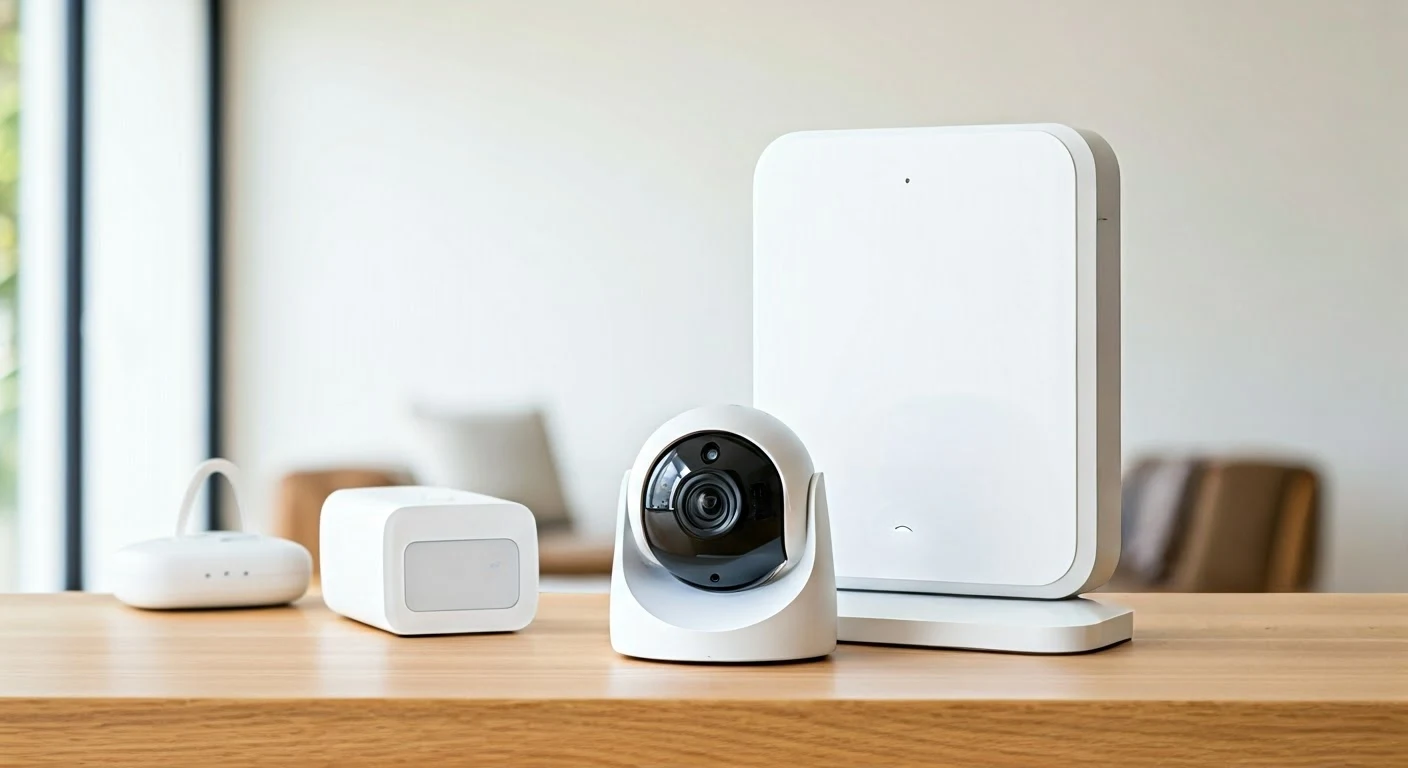
A smart hub acts as the central brain of your smart home. It connects and communicates with all your individual smart devices, allowing them to work together. Hubs translate commands from your smartphone or voice assistant into signals that your devices can understand. Popular hubs support various communication protocols like Wi-Fi, Bluetooth, Zigbee, and Z-Wave, ensuring broad compatibility. In 2025-26, many smart speakers also function as hubs, simplifying setup and reducing the need for a separate device.
Examples of smart hubs include:
- Amazon Echo (with built-in Zigbee hub)
- Google Nest Hub
- Samsung SmartThings Hub
- Apple HomePod
These devices not only manage your smart home but also often serve as voice assistants, allowing for intuitive control. The choice of hub can significantly impact the range of devices you can integrate and the complexity of automations you can create.
Smart Lighting
Smart lighting systems allow you to control your home's illumination remotely. You can turn lights on or off, adjust brightness, and even change colors using a smartphone app or voice commands. This technology offers convenience, enhances security (by simulating occupancy when you're away), and contributes to energy savings. Smart bulbs, switches, and plugs are the primary components of these systems.
Key features include:
- Remote control via app
- Scheduling and timers
- Dimming and color adjustment
- Integration with voice assistants
- Scene creation (e.g., "Movie Night" mode)
The energy efficiency of LED smart bulbs is a significant advantage, lasting longer and consuming less power than traditional incandescent bulbs.
Smart Thermostats
Smart thermostats learn your heating and cooling preferences and can be programmed to optimize energy usage. They can be controlled remotely, allowing you to adjust the temperature before you arrive home or turn it down when you leave. Many models integrate with smart home ecosystems and can even adjust based on local weather forecasts or your presence.
Benefits of smart thermostats:
- Energy savings (estimated 10-15% on heating and cooling bills)
- Remote temperature control
- Learning capabilities to adapt to your schedule
- Integration with smart home routines
- Geofencing to adjust temperature based on your location
Brands like Nest and Ecobee have become synonymous with intelligent climate control, offering advanced features that contribute to both comfort and sustainability.
Smart Security Systems
Smart security systems go beyond traditional alarms. They often include smart locks, doorbells with cameras, motion sensors, and security cameras that can be monitored remotely. You can receive alerts on your smartphone if motion is detected, view live video feeds, and even grant temporary access to visitors remotely.
Components of a smart security system:
- Smart locks: Keyless entry and remote locking/unlocking
- Video doorbells: See and speak to visitors from anywhere
- Security cameras: Indoor and outdoor monitoring with motion alerts
- Sensors: Door/window sensors, motion detectors
- Smart alarms: Integrated with other security devices
The peace of mind offered by these systems is a primary driver for their adoption, with a growing number of homeowners prioritizing integrated security solutions.
Smart Appliances
While not as common as lighting or thermostats, smart appliances are becoming increasingly prevalent. This includes refrigerators that can track inventory, ovens that can be preheated remotely, washing machines that can notify you when a cycle is complete, and even smart plugs that can make any appliance "smart."
Examples include:
- Smart refrigerators with internal cameras and inventory management
- Smart ovens with remote preheating and cooking presets
- Smart washing machines and dryers with cycle notifications and remote start
- Smart plugs to control non-smart devices
These appliances aim to streamline household chores and offer greater control over your home's functions.
Why Embrace Smart Home Technology?
The appeal of a smart home extends far beyond mere novelty. The practical benefits touch upon several key aspects of modern living, making it an attractive investment for many households in 2025-26.
Enhanced Convenience and Comfort
The most immediate benefit is the sheer convenience. Imagine waking up and having your lights gradually brighten, your favorite music start playing, and your coffee maker begin brewing, all without lifting a finger. Or, arriving home after a long day to a perfectly lit and temperature-controlled house. Smart home technology automates routine tasks, freeing up your time and reducing mental load.
This also translates to enhanced comfort. You can create personalized "scenes" for different activities, like a "Relax" scene that dims the lights and plays calming music, or a "Work From Home" scene that optimizes lighting and minimizes distractions. The ability to control your environment with voice commands or a simple tap on your phone adds a layer of effortless control.
Improved Home Security
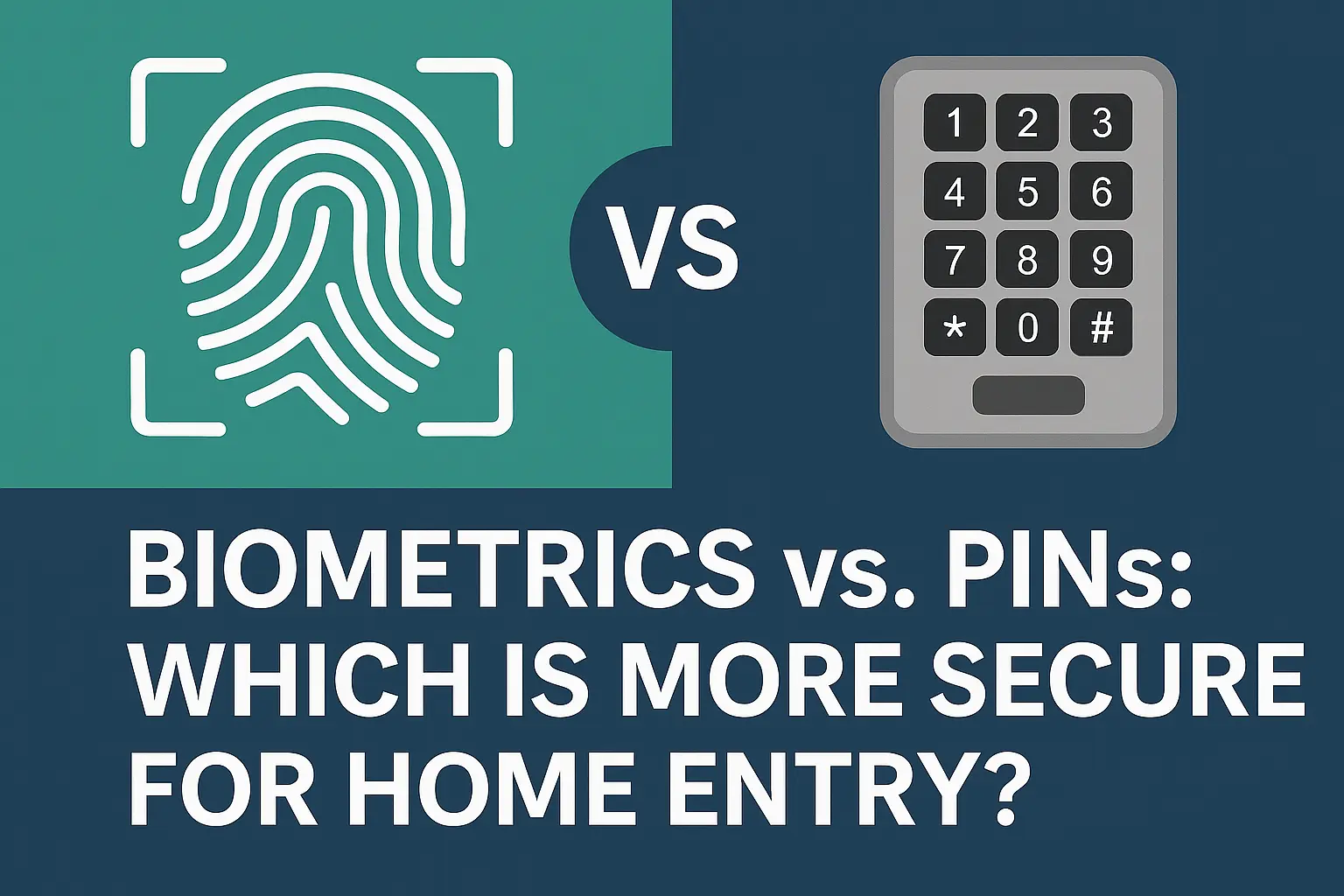
Smart security systems offer a significant upgrade over traditional alarms. The ability to monitor your home remotely, receive instant alerts for suspicious activity, and even communicate with visitors via video doorbells provides unparalleled peace of mind. Smart locks allow for keyless entry, remote access for trusted individuals, and automatic locking, ensuring your home is always secure.
According to recent industry reports for 2025, smart home security systems are now a top priority for over 60% of new smart home adopters. The integration of AI-powered analytics in cameras can distinguish between pets, people, and vehicles, reducing false alarms and providing more relevant notifications.
Significant Energy Savings
Smart home technology is a powerful tool for reducing energy consumption and lowering utility bills. Smart thermostats, as mentioned, optimize heating and cooling. Smart lighting systems can ensure lights are only on when needed, and many devices can be programmed to enter low-power modes when not in use.
Data from 2025 indicates that households with smart thermostats can see an average reduction of 10-15% in their energy bills. Furthermore, smart plugs can help identify "energy vampires" – devices that consume power even when turned off – and allow you to cut power to them remotely. This contributes not only to cost savings but also to a more sustainable lifestyle.
Increased Home Value
As smart home technology becomes more mainstream, it's increasingly seen as a desirable feature by potential homebuyers. A well-integrated and functional smart home system can increase your property's appeal and potentially its market value. Buyers in 2025-26 are actively seeking homes that offer modern conveniences and energy efficiency.
A study published in early 2026 found that homes equipped with smart home technology can command a premium of up to 5-10% in certain markets. This makes it a worthwhile investment not just for current enjoyment but also for future resale.
Accessibility and Assistance
For individuals with disabilities or mobility challenges, smart home technology can be life-changing. Voice-activated controls, automated routines, and remote monitoring can significantly enhance independence and safety. For example, someone with limited mobility can control lights, adjust thermostats, or even unlock doors using voice commands.
Smart home devices can also assist the elderly, providing fall detection alerts, medication reminders, and easy ways to contact caregivers. This aspect of smart home technology is gaining increasing attention and development, making homes more inclusive and supportive.
Your Step-by-Step Guide to Building a Smart Home
Embarking on the journey to a smart home can seem daunting, but by breaking it down into manageable steps, you can build a system that perfectly suits your needs and budget.
Step 1: Define Your Goals and Priorities
Before buying any devices, consider what you want to achieve. Are you primarily interested in enhancing security, saving energy, improving convenience, or creating a more entertaining living space? Your priorities will guide your initial investments.
Ask yourself:
- What are the biggest pain points in my current home?
- Which tasks do I find most repetitive or inconvenient?
- What level of security do I desire?
- What is my budget for initial setup and potential future expansion?
For example, if your main goal is energy savings, you might start with a smart thermostat and smart lighting. If security is paramount, you'd focus on smart locks, cameras, and sensors.
Step 2: Choose Your Ecosystem (or Go Standalone)
Decide which smart home ecosystem you want to align with. The major players are Amazon Alexa, Google Assistant, and Apple HomeKit. These ecosystems dictate which devices will be most compatible and how you'll control them.
- Amazon Alexa: Broadest device compatibility, excellent voice control, many smart speakers act as hubs.
- Google Assistant: Strong integration with Google services, good for smart displays, expanding device support.
- Apple HomeKit: Focus on privacy and security, seamless integration with Apple devices, generally higher-priced devices.
Alternatively, you can start with individual smart devices that don't require a specific ecosystem, using their native apps for control. However, to achieve true automation and integration, an ecosystem is highly recommended.
Step 3: Start with the Essentials
Begin with a few key devices that offer the most immediate impact and align with your priorities. For most people, this includes:
- A Smart Speaker/Hub: This will be your primary control point.
- Smart Lighting: A few smart bulbs or a smart switch can make a big difference.
- Smart Thermostat: For energy savings and comfort.
- Smart Plugs: To make existing appliances "smart" and monitor energy usage.
These core components provide a solid foundation and allow you to experience the benefits of a connected home without an overwhelming initial investment.
Step 4: Expand Gradually
Once you're comfortable with your initial setup, you can gradually add more devices. Consider expanding your smart lighting, adding smart security cameras, smart locks, or even smart appliances. The key is to ensure new devices are compatible with your chosen ecosystem.
When expanding, think about how new devices can interact with existing ones. For example, can your motion sensors trigger your smart lights? Can your smart lock unlock your door and disarm your security system simultaneously?
Step 5: Set Up Automations and Routines
This is where the real magic of a smart home happens. Once you have multiple devices, create routines or automations that link them together. For instance, a "Good Morning" routine could turn on your bedroom lights, start your smart speaker playing the news, and adjust your thermostat. A "Good Night" routine could turn off all lights, lock your doors, and arm your security system.
Experiment with different triggers and actions. This might involve:
- Time-based schedules
- Sensor triggers (motion, door open/close)
- Location-based triggers (geofencing)
- Voice commands
The more you personalize these automations, the more your smart home will feel tailored to your lifestyle.
Step 6: Prioritize Network Stability
A robust Wi-Fi network is the backbone of any smart home. Ensure you have a strong, reliable internet connection and a router capable of handling multiple connected devices. In 2025-26, with the proliferation of IoT devices, many households are upgrading to mesh Wi-Fi systems to ensure consistent coverage throughout their homes.
Consider:
- Router speed and capacity
- Wi-Fi extender or mesh system for larger homes
- Securing your Wi-Fi network with a strong password
A weak or unstable network can lead to devices becoming unresponsive, frustrating automations, and a generally poor smart home experience.
Navigating Smart Home Ecosystems and Compatibility
The interoperability of smart devices is a critical consideration. Understanding ecosystems and communication protocols will save you from purchasing incompatible gadgets.
Understanding Communication Protocols
Smart devices communicate using various wireless protocols. The most common ones you'll encounter are:
- Wi-Fi: Ubiquitous and easy to set up, but can consume more power and strain your router if too many devices are connected.
- Bluetooth: Good for short-range communication, often used for direct device-to-phone connections or for initial setup.
- Zigbee: Low-power, mesh networking protocol. Devices create their own network, extending range and reliability. Often requires a hub.
- Z-Wave: Similar to Zigbee, low-power, mesh networking, but operates on a different frequency, avoiding interference with Wi-Fi. Also requires a hub.
- Thread: A newer, low-power, IP-based wireless networking protocol designed for smart home devices. It's a key component of the Matter standard.
The choice of protocol often dictates whether a central hub is necessary. Wi-Fi devices can often connect directly to your router, while Zigbee and Z-Wave devices typically need a compatible hub to communicate with your network and smartphone.
The Role of Smart Hubs and Gateways
As mentioned, smart hubs are central to creating a cohesive smart home. They bridge different communication protocols, allowing devices that use Zigbee or Z-Wave to communicate with your Wi-Fi network and your control app. They also enable more complex automations and local processing, meaning some functions can still work even if your internet connection is down.
In 2025-26, the lines are blurring between dedicated hubs and smart speakers. Many smart speakers from Amazon, Google, and Apple now include built-in Zigbee hubs, simplifying setups for users who want to integrate these types of devices.
The Rise of Matter
Matter is a new connectivity standard aiming to simplify smart home device compatibility. Developed by the Connectivity Standards Alliance (CSA), it promises that devices certified with Matter will work seamlessly across different ecosystems (Apple HomeKit, Google Home, Amazon Alexa, Samsung SmartThings).
- Goal: To create a unified, secure, and reliable standard for smart home devices.
- Benefits: Easier setup, broader compatibility, enhanced security, and improved interoperability.
- How it works: Leverages Thread and Wi-Fi for communication, with Bluetooth for commissioning.
While Matter is still gaining traction, by 2025-26, it's expected to be a significant factor in device purchasing decisions, reducing the "ecosystem lock-in" that has historically been a barrier for consumers. Look for the Matter logo when purchasing new devices to ensure future-proofing.
Compatibility Checks: What to Look For
Before purchasing any smart device, always verify its compatibility:
- Check for "Works with Alexa," "Works with Google Assistant," or "Works with Apple HomeKit" badges.
- If you're investing in Matter, look for the Matter logo.
- Ensure the device uses a protocol supported by your chosen hub or smart speaker.
- Read product reviews and forums to see real-world compatibility experiences.
A little due diligence upfront can save a lot of frustration and money down the line.
Beyond the Basics: Advanced Smart Home Capabilities
Once you have a foundational smart home, you can explore more sophisticated features that truly elevate your living experience.
Automated Routines and Scenes
This is the heart of advanced smart home functionality. Beyond simple on/off commands, you can create complex sequences of actions triggered by various events.
Examples of advanced routines:
- "Away" Mode: When you leave (detected by geofencing or a voice command), all lights turn off, the thermostat sets to an energy-saving temperature, doors lock, and security cameras arm.
- "Movie Night" Scene: With a single command, lights dim to a specific level, smart blinds close, and your smart TV turns on to your preferred streaming service.
- "Wake Up" Routine: Lights gradually increase brightness, blinds open, thermostat adjusts, and a smart speaker plays a gentle alarm or your favorite morning playlist.
- "Welcome Home" Routine: As you approach your home, the porch light turns on, the thermostat adjusts to your preferred temperature, and a welcome message plays on your smart speaker.
These routines can be triggered by time, your location, the status of other devices (e.g., a door opening), or voice commands.
Voice Control Integration
Voice assistants like Alexa, Google Assistant, and Siri are integral to the smart home experience. They allow for hands-free control of your devices, making interactions more natural and intuitive.
Beyond basic commands, advanced voice control can include:
- Complex queries: "What's the weather like today?" or "What's on my calendar?"
- Device grouping: "Turn off all lights downstairs."
- Scene activation: "Hey Google, activate my 'Dinner Party' scene."
- Intercom functionality: Communicating between different smart speakers in the house.
The accuracy and responsiveness of voice assistants continue to improve, making them an indispensable part of the smart home.
Smart Sensors and Automation Triggers
Smart sensors are the eyes and ears of your smart home, providing data that can trigger automated actions.
Types of smart sensors:
- Motion Sensors: Detect movement to turn on lights, trigger security alerts, or adjust thermostats.
- Door/Window Sensors: Alert you when doors or windows are opened or closed, essential for security and HVAC efficiency.
- Water Leak Sensors: Detect leaks in basements, under sinks, or near water heaters, sending immediate alerts to prevent costly damage.
- Smoke/CO Detectors: Smart versions can send alerts to your phone even when you're away, and can integrate with other systems (e.g., turn off HVAC to prevent smoke spread).
- Temperature/Humidity Sensors: Monitor conditions in specific rooms for precise climate control.
These sensors enable proactive automation, allowing your home to react to its environment and your presence in sophisticated ways.
Energy Monitoring and Management
Many smart home devices offer energy monitoring capabilities, allowing you to track your consumption in real-time. This data can help you identify energy-wasting habits and optimize your usage.
Advanced energy management features include:
- Detailed energy reports: See which devices are consuming the most power.
- Peak usage alerts: Get notified when energy prices are highest.
- Automated load shedding: Devices can automatically power down non-essential appliances during peak demand periods.
- Integration with solar power systems: Optimize the use of self-generated energy.
This granular control over energy usage not only saves money but also contributes to a more sustainable home.
Integration with Entertainment Systems
Smart home technology can seamlessly integrate with your home entertainment setup.
Examples:
- Voice control for TVs and sound systems: "Hey Alexa, play 'Stranger Things' on Netflix."
- Automated lighting for media consumption: As mentioned, scenes can adjust lighting for optimal viewing.
- Smart remotes: Consolidate control of all your entertainment devices into one app or voice command.
- Multi-room audio: Synchronize music playback across different speakers in your home.
This creates a more immersive and convenient entertainment experience.
Smart Home Security and Privacy: Essential Considerations
As smart homes become more integrated into our lives, ensuring the security and privacy of our data and our homes is paramount.
Securing Your Smart Home Network
Your home Wi-Fi network is the gateway to all your smart devices. It's crucial to secure it properly.
Key security measures:
- Strong, unique Wi-Fi password: Use a combination of upper and lowercase letters, numbers, and symbols.
- Change default router credentials: Always change the default username and password for your router.
- Enable WPA3 encryption: If your router supports it, WPA3 offers the strongest security.
- Guest network: Set up a separate guest network for visitors, isolating them from your main smart home devices.
- Regular firmware updates: Keep your router and all smart devices updated with the latest security patches.
A compromised network can expose your devices and personal data to unauthorized access.
Device Security
Each smart device is a potential entry point. Ensure you take steps to secure them individually.
- Strong, unique passwords for device accounts: Avoid using default passwords.
- Enable two-factor authentication (2FA): Where available, 2FA adds an extra layer of security.
- Review device permissions: Understand what data each app or device is accessing.
- Purchase from reputable brands: Choose manufacturers with a good track record for security and privacy.
Regularly review connected devices and remove any that are no longer in use.
Understanding Data Privacy
Smart devices, especially those with microphones and cameras, collect a significant amount of data. It's important to understand how this data is collected, stored, and used by manufacturers.
Key privacy considerations:
- Read privacy policies: Understand what data is collected and how it's used.
- Limit data collection: Disable features you don't use that might collect unnecessary data.
- Be mindful of voice recordings: Understand how voice assistant recordings are handled and if they are stored.
- Consider local processing: Devices that process data locally (on the device or hub) rather than in the cloud can offer greater privacy.
The trend in 2025-26 is towards greater transparency and user control over data, but it's still crucial to be an informed consumer.
Physical Security Measures
Smart home security systems enhance physical security, but they are not foolproof.
Best practices:
- Use smart locks with strong encryption: Ensure they are resistant to brute-force attacks.
- Install security cameras in strategic locations: Cover entry points and vulnerable areas.
- Combine smart security with traditional measures: Don't neglect sturdy doors, windows, and good lighting.
- Regularly test your system: Ensure all sensors and alarms are functioning correctly.
A layered approach to security, combining smart technology with physical deterrents, offers the most robust protection.
The Importance of Regular Audits
Just like you'd change the locks on your home, it's wise to periodically audit your smart home security.
- Review connected devices: Remove any unauthorized or forgotten devices.
- Update all passwords: For your Wi-Fi, router, and all device accounts.
- Check device firmware: Ensure everything is up to date.
- Review privacy settings: For all your smart home apps and services.
Proactive security maintenance is key to maintaining a safe and private smart home environment.
The Future of Smart Homes: What's Next in 2025-26 and Beyond?
The smart home landscape is constantly evolving. As we look towards 2025-26 and beyond, several key trends are shaping the future of intelligent living.
AI and Machine Learning Integration
Artificial intelligence and machine learning are moving beyond simple automation to predictive and proactive capabilities. Homes will become even more intuitive, learning your habits and preferences to anticipate your needs.
Examples:
- Predictive maintenance: Your smart home might alert you that a particular appliance is showing signs of wear and suggest scheduling maintenance before it breaks down.
- Personalized comfort: The system could learn your preferred room temperatures at different times of day and automatically adjust, even considering external factors like humidity.
- Enhanced security analytics: AI will become better at distinguishing between normal activity and genuine threats, reducing false alarms and improving response times.
This deep integration of AI will make smart homes feel less like a collection of devices and more like an intelligent assistant.
Greater Emphasis on Health and Wellness
Smart home technology is increasingly being used to monitor and improve occupant health and well-being.
Areas of development:
- Air quality monitoring and purification: Smart systems that actively manage indoor air quality.
- Sleep tracking integration: Devices that monitor sleep patterns and adjust bedroom environments (lighting, temperature) for better rest.
- Elderly care and assisted living: More sophisticated sensors and AI for fall detection, medication reminders, and remote monitoring of vital signs.
- Personalized lighting: Circadian rhythm lighting that adjusts color temperature and intensity throughout the day to support natural sleep-wake cycles.
The home will become a more active participant in maintaining our health.
Sustainability and Energy Efficiency
The drive towards sustainability will continue to influence smart home development.
Key advancements:
- Smarter energy grids: Homes will interact more dynamically with utility grids, optimizing energy consumption based on grid load and renewable energy availability.
- Advanced solar integration: Seamless management of solar power generation and storage.
- Water management: Smart systems for leak detection, water usage monitoring, and efficient irrigation.
- Waste management: Smart bins that can monitor fill levels and optimize collection schedules.
Homes will play a more active role in reducing their environmental footprint.
Interoperability and the Maturation of Matter
As the Matter standard gains wider adoption, interoperability between devices and ecosystems will become the norm rather than the exception. This will simplify purchasing decisions and allow for more seamless integration of diverse smart home products.
By 2026, we can expect a significant portion of new smart home devices to be Matter-certified, leading to a more unified and user-friendly smart home experience.
Augmented Reality (AR) and Virtual Reality (VR) Integration
While still in its early stages, AR and VR could play a role in how we interact with and manage our smart homes in the future. Imagine using AR to visualize how new smart devices will look in your home or using VR for immersive control interfaces.
This offers potential for more intuitive setup, troubleshooting, and customization of smart home systems.
The future of smart homes is one of increasing intelligence, personalization, and integration, making our living spaces more responsive, efficient, and supportive of our lives.
Conclusion
A smart home, in essence, is a residence transformed by interconnected technology, designed to elevate convenience, bolster security, and optimize energy efficiency. From intelligent lighting and climate control to advanced security systems and automated routines, the benefits are tangible and transformative. By understanding the core components, choosing the right ecosystem, and starting with your priorities, you can confidently build a smart home that perfectly suits your needs and lifestyle.
As we've explored, the journey into smart living is made easier by understanding communication protocols and the growing importance of standards like Matter, ensuring future compatibility. The advancements in AI and the increasing focus on health, wellness, and sustainability are paving the way for even more intuitive and beneficial smart homes in 2025-26 and beyond. Don't let the complexity deter you; begin with a few key devices, expand gradually, and unlock a new level of comfort, security, and efficiency in your everyday life.