Why Wireless Door Sensors Are Vital to Your Home Security System ?
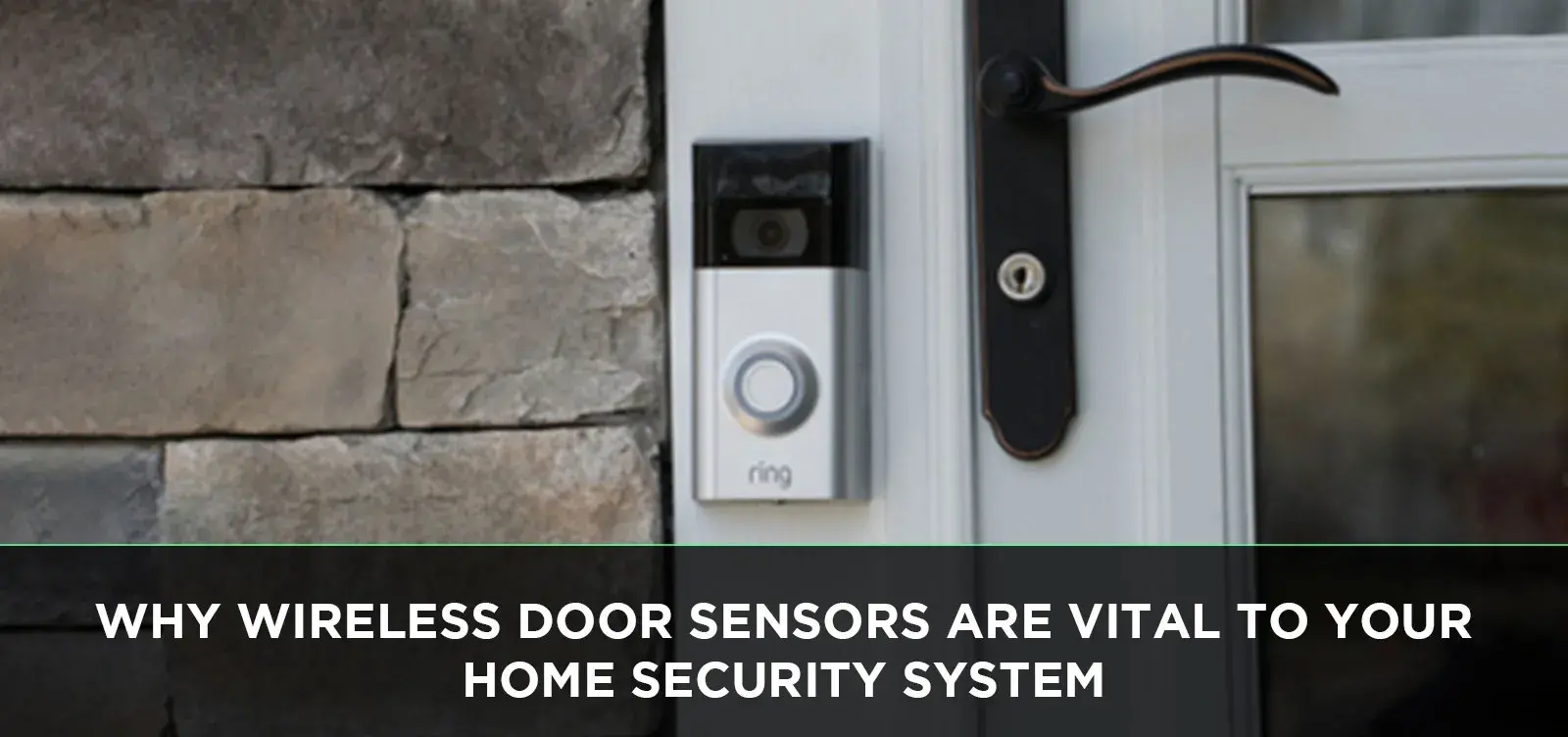
Wireless door sensors are no longer a luxury but a fundamental component of modern home security. They offer an immediate, reliable layer of protection, acting as the first line of defense against unauthorized entry. Understanding their vital role empowers homeowners to make informed decisions about safeguarding their families and property.
Why Wireless Door Sensors Are Vital to Your Home Security System
In an era where home security is paramount, the integration of smart technology has revolutionized how we protect our living spaces. Among the most critical components of any robust home security system are door sensors. Specifically, wireless door sensors have emerged as indispensable tools, offering a blend of advanced functionality, ease of use, and enhanced reliability. This comprehensive guide delves into why these seemingly simple devices are vital, exploring their core functions, benefits, integration capabilities, and their undeniable impact on modern home protection strategies, especially in the rapidly evolving landscape of 2025-26.
Understanding Wireless Door Sensors: The Basics
At their core, wireless door sensors are designed to detect when a door is opened or closed. They are typically composed of two main parts: a magnet and a sensor. When the door is closed, the magnet is in close proximity to the sensor, completing an electrical circuit and indicating a secure state. When the door is opened, the magnet moves away from the sensor, breaking the circuit and triggering an alert. This alert can manifest in various ways, depending on the system's configuration, such as activating an alarm, sending a notification to a smartphone, or logging the event.
The Two-Part System Explained
The simplicity of the two-part magnetic reed switch design is its strength. One part, usually containing the magnet, is affixed to the door itself. The other part, housing the reed switch, is mounted on the door frame. The magnetic field from the magnet activates the reed switch when they are aligned. This alignment is crucial for the sensor to function correctly. The choice of materials and the strength of the magnet are important factors in the sensor's sensitivity and reliability.
How They Communicate
The "wireless" aspect is key. Instead of being hardwired to a central security panel, these sensors communicate wirelessly, typically using radio frequency (RF) signals. This eliminates the need for complex wiring, making installation significantly easier and less intrusive. The communication protocol can vary, with common standards including Wi-Fi, Zigbee, Z-Wave, or proprietary RF frequencies. The choice of protocol often depends on the broader smart home ecosystem the sensor is intended to integrate with.
Powering the Sensor
Wireless door sensors are typically battery-powered. This portability is a major advantage, allowing for flexible placement without regard to power outlets. Modern sensors are designed for energy efficiency, with batteries often lasting for several months to over a year, depending on usage and battery type. Many systems also provide low-battery indicators, ensuring timely replacement and uninterrupted security.
Types of Wireless Door Sensors
While the basic magnetic reed switch is the most common, there are variations. Some advanced sensors might incorporate accelerometers to detect forceful entry attempts or vibrations. Others may include features like tilt sensors for windows or garage doors. However, for standard door security, the magnetic contact sensor remains the industry standard due to its reliability and cost-effectiveness.
The Multifaceted Benefits of Wireless Door Sensors
The advantages of incorporating wireless door sensors into a home security system extend far beyond simple intrusion detection. They contribute to enhanced safety, convenience, and peace of mind. In 2025-26, these benefits are amplified by the increasing sophistication of smart home technology and a heightened awareness of personal security needs.
Immediate Intrusion Detection
This is the primary and most crucial benefit. When a door is opened without authorization, the sensor immediately detects the breach. This triggers an alarm, alerting occupants and potentially deterring intruders. For systems connected to professional monitoring services, this signal is transmitted instantly, allowing for rapid response from law enforcement or security personnel.
Enhanced Home Security Layer
Door sensors act as the first line of defense. They provide an immediate alert to any unauthorized access attempt, whether it's a forced entry or a forgotten unlocked door. This layered approach, combining perimeter sensors with interior motion detectors, creates a more robust security posture.
Peace of Mind and Deterrence
The visible presence of a security system, including door sensors, can act as a significant deterrent to potential burglars. Knowing that their entry will be immediately detected and potentially trigger an alarm, criminals are less likely to target a secured home. Furthermore, knowing your home is protected provides invaluable peace of mind, especially when you are away.
Remote Monitoring and Notifications
Modern wireless door sensors, when integrated with smart home hubs or security apps, allow homeowners to receive real-time notifications on their smartphones or other devices. This means you can be alerted to a door opening even when you're not at home. This is invaluable for monitoring children arriving home from school, deliveries, or unexpected activity.
Customizable Alert Systems
Beyond a simple alarm, wireless sensors can be programmed for various actions. For instance, a sensor on a back door might trigger a silent alert to your phone, while a front door sensor could activate a loud siren. This customization allows for tailored security responses based on the location and perceived risk of each entry point.
Monitoring for Specific Needs
Wireless door sensors are not just for preventing break-ins. They can be invaluable for monitoring vulnerable individuals, such as young children or elderly relatives. A sensor on a child's bedroom door can alert parents if they leave their room unsupervised during the night. Similarly, for individuals prone to wandering, door sensors can provide crucial alerts to caregivers.
Integration with Other Smart Devices
In a smart home environment, door sensors can trigger a cascade of actions. For example, when a front door sensor is triggered, it could automatically turn on all the lights inside the house, turn off smart plugs connected to entertainment systems, or even adjust the thermostat. This automation enhances both security and convenience.
Ease of Installation and Flexibility
The wireless nature significantly simplifies installation. There's no need to run wires through walls, which can be costly and time-consuming. This makes them ideal for renters or for homeowners who prefer a less invasive setup. The sensors can be easily repositioned if needed.
Battery Life and Low-Battery Alerts
Most wireless door sensors are designed for long battery life, often lasting a year or more. Reputable systems provide timely alerts when the battery is low, allowing for proactive replacement and ensuring continuous protection. This minimizes the risk of a sensor failing due to a dead battery.
Cost-Effectiveness
Compared to the potential cost of a burglary or the expense of professional wiring for traditional systems, wireless door sensors offer a highly cost-effective solution for enhancing home security. The initial investment is relatively low, and ongoing costs are minimal, primarily related to battery replacement.
How Wireless Door Sensors Work: A Technical Overview
The underlying technology behind wireless door sensors is a blend of simple physics and modern communication protocols. Understanding this mechanism demystifies their operation and highlights their reliability.
The Reed Switch Mechanism
The heart of most wireless door sensors is a reed switch. This is a small, magnetically operated switch. It consists of two ferromagnetic reeds (contacts) sealed in a glass envelope. When a magnetic field of sufficient strength is brought close to the reed switch, the reeds attract each other, bend, and make contact, closing the electrical circuit. When the magnet is removed, the reeds spring back to their original position, opening the circuit.
The Magnet Component
The second part of the sensor system is a small magnet. This magnet is usually housed in a separate, smaller unit. When the door is closed, the magnet is positioned directly adjacent to the reed switch. The magnetic field generated by the magnet activates the reed switch, indicating that the door is closed and secured.
Triggering the Alert
When the door is opened, the magnet moves away from the reed switch. The magnetic field weakens, and the reeds no longer attract each other. They separate, breaking the circuit. This change in the circuit's state (from closed to open) is detected by the sensor's internal electronics. This detection is the trigger for the sensor to send a signal.
Wireless Communication Protocols
The signal generated by the sensor's electronics needs to be transmitted to the central security hub or directly to your smartphone. This is where wireless communication comes into play. Common protocols include:
- Wi-Fi: Sensors connect directly to your home's Wi-Fi network, allowing for easy integration with smart home platforms and direct smartphone notifications.
- Zigbee and Z-Wave: These are low-power, mesh networking protocols specifically designed for smart home devices. They create their own network, which can extend the range of your smart home devices and improve reliability. Devices communicate with a central hub, which then connects to your home network.
- Proprietary RF: Some older or more basic systems use proprietary radio frequencies. These often require a specific base station or hub from the same manufacturer.
The choice of protocol impacts range, power consumption, and compatibility with other smart devices.
Power Management
To ensure long battery life, wireless door sensors employ sophisticated power management techniques. They remain in a low-power state most of the time, only waking up to detect a change in the sensor's state or to transmit data. When a change is detected, they briefly activate their transmitter to send the signal. This efficient design is why batteries can last for extended periods.
Signal Transmission and Reception
Once the sensor detects an open door, it transmits a signal containing information about the event (e.g., "Door 1 opened"). This signal is received by the central security panel, a smart home hub, or sometimes directly by a receiver connected to your home network. The receiving device then interprets this signal and initiates the programmed response, such as sounding an alarm or sending a push notification.
Tamper Detection
Many modern wireless door sensors also include tamper detection features. These sensors can detect if someone attempts to remove or disable the sensor itself. If tampering is detected, the system can trigger an alarm or send a notification, adding another layer of security.
Seamless Integration: Connecting to Your Smart Home
The true power of wireless door sensors in 2025-26 lies in their ability to integrate seamlessly with broader smart home ecosystems. This integration transforms a standalone security device into a dynamic component of a connected living environment.
The Role of Smart Hubs
Smart home hubs (like those from Samsung SmartThings, Amazon Echo, Google Nest, or Apple HomeKit) act as the central brain for your connected devices. Wireless door sensors often communicate with these hubs using protocols like Zigbee or Z-Wave. The hub then translates these signals and makes them accessible through a single app on your smartphone.
Creating Automation Routines
This is where the magic happens. By linking your door sensors to a smart hub, you can create powerful automation routines. For example:
- "Welcome Home" Scenario: When the front door sensor detects the door opening between 5 PM and 7 PM, the entryway lights turn on, and your favorite playlist begins to play.
- "Away" Mode: When you leave the house and arm your system, if any door sensor is triggered, all interior lights turn on to simulate occupancy and deter potential intruders.
- "Night Mode": At bedtime, arming "Night Mode" might only activate sensors on exterior doors and ground-floor windows, while allowing movement within the house without triggering alarms.
- Security Alerts: If a door sensor is triggered while you're away, you can set up a routine that turns on all lights, sends a notification to your phone, and even starts recording on connected security cameras.
Voice Assistant Compatibility
Many smart door sensors are compatible with voice assistants like Amazon Alexa, Google Assistant, and Apple's Siri. This allows for voice control and status checks. You can ask, "Hey Google, is the front door locked?" or "Alexa, what's the status of the garage door sensor?"
Enhanced Security Monitoring
Beyond basic alerts, integration allows for more sophisticated monitoring. You can set up geofencing, where your system automatically arms or disarms based on your location. If your phone leaves a designated radius around your home, the system arms. When you return, it disarms.
Integration with Other Security Devices
Door sensors can work in conjunction with other smart security devices:
- Smart Locks: If a door sensor is triggered and the smart lock is unlocked, it can send a more urgent alert. Conversely, if a smart lock is disarmed, it can disarm specific door sensors.
- Security Cameras: When a door sensor is triggered, it can be programmed to start recording on nearby security cameras, capturing crucial evidence.
- Smart Lighting: As mentioned, lights can be turned on to deter intruders or to illuminate the path for arriving family members.
- Smart Doorbells: If a door sensor is triggered, it can prompt your smart doorbell to record and send a notification.
Third-Party Integrations
Platforms like IFTTT (If This Then That) allow for even more complex custom integrations between your door sensors and a vast array of other apps and devices, extending the possibilities beyond what native smart home platforms offer.
Benefits of a Unified System
Having a unified smart home system with integrated door sensors means fewer apps to manage, more intuitive control, and a more responsive and intelligent home environment. It shifts security from a reactive measure to a proactive, integrated aspect of daily life.
Selecting the Ideal Wireless Door Sensors for Your Needs
With a variety of options available, choosing the right wireless door sensors requires careful consideration of your specific needs, existing systems, and budget. Here’s a guide to help you make an informed decision.
Compatibility with Your Existing System
This is paramount. If you already have a smart home hub or a dedicated security system (e.g., Ring Alarm, SimpliSafe, ADT Command), check which sensors are compatible with it. Using sensors from the same ecosystem often ensures the most seamless integration and best performance.
Communication Protocol
Consider the communication protocol:
- Wi-Fi: Easiest to set up if you have strong Wi-Fi coverage throughout your home. Can consume more battery than Zigbee/Z-Wave.
- Zigbee/Z-Wave: Excellent for mesh networking, extending range, and lower power consumption. Requires a compatible hub.
- Proprietary RF: Usually the most basic and cost-effective, but limited to the manufacturer's ecosystem.
Battery Life and Type
Look for sensors with a projected battery life of at least one year. Check the type of battery used (e.g., CR2032, AA) and its availability. Also, ensure the system provides clear low-battery notifications.
Sensor Features
Beyond the basic open/close detection, consider:
- Tamper Detection: Essential for preventing unauthorized deactivation.
- Adjustable Sensitivity: Useful for doors that might slightly shift due to temperature changes, preventing false alarms.
- Slim Design: For aesthetic appeal and easier mounting on various door types.
- Water Resistance: If you plan to install on exterior doors or in areas prone to moisture.
Ease of Installation
Most wireless sensors are designed for DIY installation using adhesive strips or screws. If you're not comfortable with minor DIY tasks, look for systems that offer professional installation services.
Brand Reputation and Reviews
Research reputable brands known for reliable security products. Read customer reviews to gauge real-world performance, customer support, and any common issues.
Cost and Value
Prices can range from $15 to $50 per sensor. Consider the overall cost of a system, including any required hubs or subscription fees for professional monitoring. Balance cost with features and reliability.
Professional Monitoring Options
If you require professional monitoring (where a company contacts emergency services on your behalf), ensure the sensors and system you choose support this feature. This often involves a monthly subscription fee.
App Functionality
Download the manufacturer's app (if available) and explore its features. A user-friendly app with robust notification options, event history, and customization capabilities is crucial for managing your security system.
Specific Use Cases
Think about where you need sensors most. Front door, back door, garage door, interior doors for children's rooms, or even cabinet doors for valuable items. This will help determine the quantity and type of sensors needed.
By carefully evaluating these factors, you can select wireless door sensors that provide the optimal balance of security, convenience, and integration for your home.
Installation and Maintenance: Keeping Your System Optimal
Installing and maintaining wireless door sensors is generally straightforward, making them an accessible security upgrade for most homeowners. However, proper installation and regular checks ensure their continued effectiveness.
Installation Steps
Most wireless door sensors are designed for easy DIY installation:
- Clean the Surface: Thoroughly clean the door and frame where the sensor parts will be mounted. Ensure the surfaces are free of dust, grease, and moisture for optimal adhesion.
- Position the Sensor and Magnet:
- The sensor (with the reed switch) is typically mounted on the door frame.
- The magnet is mounted on the door itself, directly opposite the sensor.
- Ensure the two parts are aligned and within the manufacturer's specified gap distance (usually 1/2 inch to 1 inch) when the door is closed.
- Most sensors have alignment marks to help you position them correctly.
- Mount the Components: Use the provided adhesive strips or screws to securely attach the sensor and magnet. For adhesive, press firmly for at least 30 seconds.
- Activate the Sensor: Remove any battery tabs or insert the batteries as per the instructions.
- Test the Sensor: Open and close the door. The sensor should register the change. Check your security app or panel to confirm it's reporting correctly.
- Connect to the Hub/System: Follow the instructions for your specific security system or smart hub to pair the new sensor. This usually involves putting the hub into pairing mode and then triggering the sensor.
- Repeat for All Sensors: Install and test each sensor in its designated location.
Tips for Optimal Placement
- Alignment is Key: The magnetic contact is the most critical factor. Ensure the magnet and sensor are close enough when the door is closed and far enough apart when open.
- Consider Door Type: For metal doors, ensure the magnet is strong enough to overcome any interference. Some sensors may require a specific type of magnet for metal surfaces.
- Avoid Obstructions: Ensure nothing will block the magnetic field between the sensor and the magnet when the door is closed.
- Secure Mounting: Ensure both parts are firmly attached to prevent them from shifting, which could lead to false alarms or failure to detect.
Maintenance Schedule
Regular maintenance ensures your system remains reliable:
- Battery Checks: Most systems will alert you when a battery is low. Make it a habit to check the battery status in your app periodically. Replace batteries promptly when notified.
- Regular Testing: Once a month, test each door sensor by opening and closing the door and verifying that the system registers the event. This confirms that the sensor is functioning and communicating properly.
- Cleanliness: Periodically wipe down the sensors and magnets to remove dust and debris, which could affect their performance.
- Firmware Updates: If your sensors are part of a smart home ecosystem, ensure your hub and associated apps are kept up-to-date with the latest firmware. These updates often include performance improvements and security patches.
- Check for Damage: Inspect sensors for any physical damage that might have occurred.
Troubleshooting Common Issues
- Sensor Not Responding: Check the battery. Ensure the sensor is properly paired with the hub. Verify the alignment and gap between the sensor and magnet.
- False Alarms: This can happen if the gap between the sensor and magnet is too large, or if the door is not properly closed. Adjust the positioning. Ensure the sensor is not being triggered by vibrations.
- Weak Signal: If you experience intermittent connectivity, consider the range of your wireless system. For Zigbee/Z-Wave, adding more devices can strengthen the mesh network. For Wi-Fi, ensure strong signal strength at the sensor's location.
By following these installation and maintenance guidelines, you can ensure your wireless door sensors provide consistent and reliable protection for your home.
Wireless vs. Wired Door Sensors: A Comparative Analysis
The choice between wireless and wired door sensors is a fundamental decision when setting up or upgrading a home security system. Each has its own set of advantages and disadvantages, and the best choice often depends on individual circumstances, budget, and the nature of the property.
Installation Complexity
- Wireless: Significantly easier and faster to install. No need to run wires through walls, attics, or crawl spaces. Ideal for renters, older homes with difficult wiring, or for quick DIY setups.
- Wired: Requires professional installation or significant DIY effort to run wires from each sensor to a central control panel. This can be invasive and costly, especially in existing homes.
Cost
- Wireless: Generally lower upfront cost per sensor. However, the cost of batteries over the long term should be considered. Some advanced wireless systems may require a hub.
- Wired: Higher initial installation cost due to labor and materials. Sensors themselves might be cheaper individually, but the overall system cost is usually higher.
Reliability and Signal Integrity
- Wireless: Can be susceptible to signal interference from other wireless devices or physical obstructions. Battery life is a factor; a dead battery means a non-functional sensor. Modern systems use robust protocols to minimize interference.
- Wired: Generally considered more reliable as they are not prone to wireless interference. They draw power directly from the main system, so battery failure is not an issue for the sensor itself. However, wires can be cut or damaged, compromising the system.
Flexibility and Portability
- Wireless: Highly flexible. Sensors can be easily repositioned or added to new locations without re-wiring. Ideal for renters who can take their system with them when they move.
- Wired: Inflexible. Once installed, reconfiguring the system is difficult and expensive. Not suitable for renters.
Power Source
- Wireless: Battery-powered. Requires periodic battery replacement. Low-battery alerts are common.
- Wired: Powered by the main security panel, which is typically connected to mains power and has a backup battery.
Aesthetics
- Wireless: Generally discreet and less visually intrusive as there are no visible wires running along walls.
- Wired: Wires can be unsightly if not properly concealed, detracting from the interior decor.
Integration with Smart Home Technology
- Wireless: Most modern wireless sensors are designed for seamless integration with smart home hubs and platforms (Wi-Fi, Zigbee, Z-Wave).
- Wired: Integration with smart home systems can be more complex, often requiring specialized interfaces or newer wired systems designed with smart capabilities.
Maintenance
- Wireless: Primarily involves battery replacement and occasional testing.
- Wired: Requires checking for damaged wires or connections, and ensuring the main panel is functioning correctly.
Summary Table: Wireless vs. Wired Door Sensors
| Feature | Wireless Door Sensors | Wired Door Sensors |
|---|---|---|
| Installation | Easy, DIY friendly, no wiring | Complex, professional installation often required, requires wiring |
| Initial Cost | Lower per sensor | Higher overall due to installation |
| Long-Term Cost | Battery replacement costs | Minimal, beyond system maintenance |
| Reliability | Good, but susceptible to interference/battery issues | Very high, less prone to interference (unless wires cut) |
| Flexibility | High, easy to move or add | Low, difficult to reconfigure |
| Power | Battery operated | Main panel powered |
| Smart Home Integration | Excellent, native support | Can be more complex, depends on system |
For most modern homeowners, especially those seeking convenience, smart home integration, and ease of installation, wireless door sensors are the preferred choice. Wired systems might be considered for new constructions where wiring can be integrated from the start, or for those prioritizing absolute maximum reliability and who are less concerned with smart features.
Real-World Scenarios and Statistics (2025-26)
The impact of wireless door sensors is best understood through real-world scenarios and the latest available statistics. As of 2025-26, the adoption of smart home security continues to rise, with sensors playing a pivotal role in deterring crime and enhancing safety.
Crime Deterrence Statistics
According to the latest reports from security industry analysts (2025-26), homes equipped with security systems, particularly those with visible sensors like door and window contacts, experience significantly lower rates of burglary. Studies indicate a potential reduction of up to 50% in burglary attempts for homes with active security systems. The mere presence of these visible deterrents is often enough to make intruders seek easier targets.
Incident Response Times
When an intrusion does occur, the speed of detection is critical. Wireless door sensors, when linked to smart home platforms and professional monitoring services, can reduce the time between breach and response to mere minutes. In 2025, the average response time for a professionally monitored alarm triggered by a door sensor is under 5 minutes, a crucial window that can significantly impact the outcome of a home invasion.
Smart Home Adoption Trends
The smart home market continues its exponential growth. Projections for 2026 indicate that over 60% of households in developed nations will have at least one smart security device. Within this market, wireless door and window sensors are among the most popular additions due to their affordability and ease of integration. The market for smart home security devices is expected to exceed $30 billion globally by the end of 2026.
Use Case: The Working Parent
Sarah, a marketing manager and mother of two, uses wireless door sensors on her front and back doors, as well as her children's bedroom doors. Her system is integrated with her smart home hub. When her children arrive home from school, the front door sensor triggers a notification to her phone, along with a brief recording from her smart doorbell camera. This allows her to confirm they are home safely without needing to be there physically. In the evening, if her son opens his bedroom door after a set time, she receives a silent alert, allowing her to check on him without disturbing his sleep.
Use Case: The Elderly Resident
Mr. Henderson, an 80-year-old widower living independently, has wireless door sensors on his main entry points. His daughter, who lives nearby, receives alerts if the doors are opened unexpectedly, especially during the night. This provides her with immense peace of mind, knowing she will be notified if her father experiences a fall or has a medical emergency that leads him to wander or leave the house unsupervised. The sensors are set to trigger a less intrusive alert for normal daytime activity, but a more urgent notification for nighttime breaches.
Use Case: The Small Business Owner
Maria runs a small boutique and uses wireless door sensors on her shop's entrance and back office door. She can arm the system when she leaves for the night and receive instant alerts on her phone if any door is opened. This allows her to check security camera feeds remotely and, if necessary, contact authorities. The cost-effectiveness and ease of installation make it an ideal solution for small businesses without dedicated security staff.
Impact on Insurance Premiums
Many insurance companies now offer discounts on homeowner's insurance for properties equipped with monitored security systems, including those with wireless door sensors. These discounts, which can range from 5% to 20%, reflect the reduced risk of property loss associated with protected homes. This financial incentive further underscores the value of these devices.
Technological Advancements (2025-26)
Current trends in 2025-26 show an increasing integration of AI and machine learning into security systems. Door sensors are becoming more intelligent, capable of distinguishing between normal and abnormal opening patterns. For example, a sensor might learn that a specific door is opened at 8 AM daily but trigger an alert if it's opened at 3 AM without a prior disarm command. Battery technology is also improving, leading to even longer lifespans and more reliable performance.
These real-world applications and statistics clearly demonstrate that wireless door sensors are not just gadgets but essential tools for modern home and business security, offering tangible benefits in crime prevention, rapid response, and peace of mind.
Conclusion: Embracing Enhanced Security with Wireless Door Sensors
In conclusion, the vital role of wireless door sensors in your home security system cannot be overstated. They provide an immediate, reliable, and easily integrated layer of protection that acts as the first line of defense against unauthorized access. From their simple yet effective magnetic reed switch technology to their seamless integration with sophisticated smart home ecosystems, these sensors offer a compelling combination of functionality and convenience.
The benefits are far-reaching: immediate intrusion detection, enhanced overall security, powerful deterrence, remote monitoring capabilities, and invaluable peace of mind for you and your loved ones. In the dynamic security landscape of 2025-26, where smart technology is increasingly central to safeguarding our homes, wireless door sensors stand out as a fundamental component. Their ease of installation, flexibility, and cost-effectiveness make them an accessible yet powerful upgrade for any homeowner.
Whether you are looking to protect your family from break-ins, monitor the comings and goings of children, or simply gain greater control and awareness of your home's security, wireless door sensors are an indispensable asset. Embrace the enhanced security, convenience, and peace of mind they offer by making them a cornerstone of your home security strategy today.