Protect Your Home with ADT Smoke Detector Technology
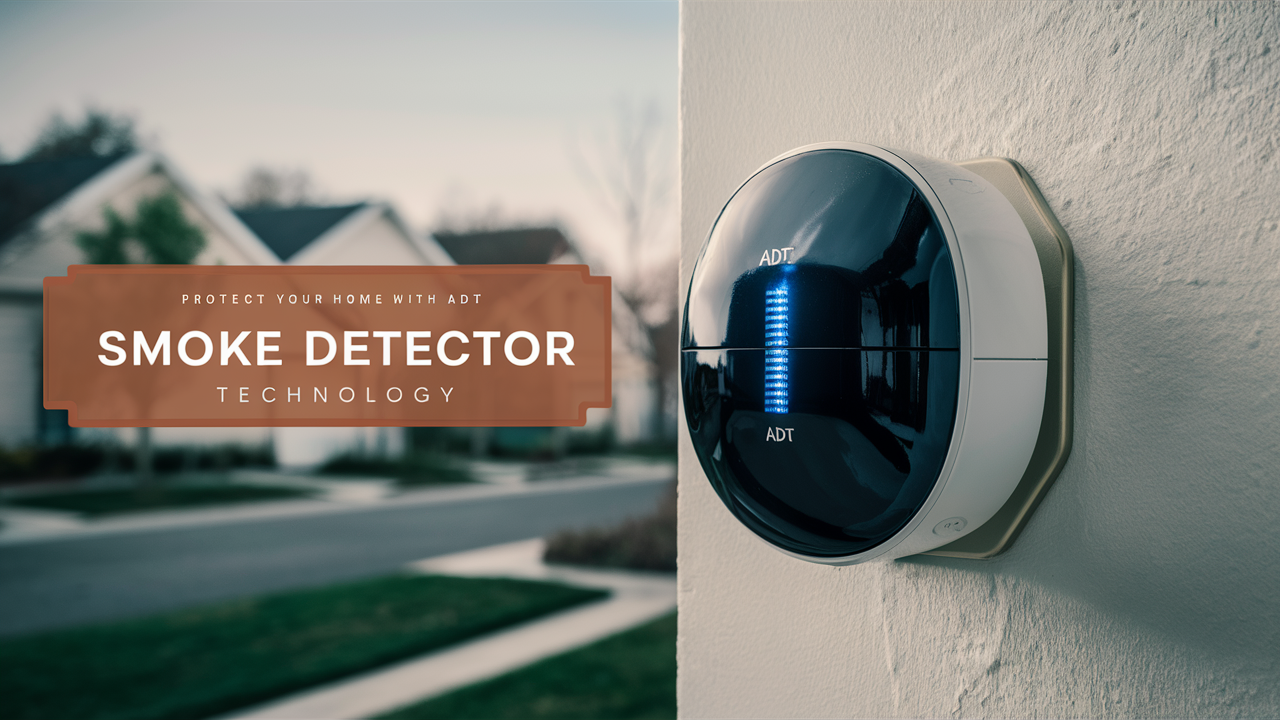
Discover how ADT smoke detector technology offers unparalleled protection for your home. This guide delves into advanced features, benefits, and why ADT stands out in safeguarding your family against fire threats, ensuring peace of mind through cutting-edge innovation.
Why Choose ADT Smoke Detector Technology?
In an era where home security and safety are paramount, the choice of smoke detection systems is more critical than ever. Traditional smoke detectors have served their purpose for decades, but modern threats and evolving technology demand more sophisticated solutions. ADT, a leader in home security, offers advanced smoke detector technology that goes beyond simple alarm sounds. These systems are designed to provide early detection, rapid notification, and seamless integration with broader home security networks, offering a robust layer of protection that can literally save lives and property. The core value proposition of ADT smoke detectors lies in their proactive approach to fire safety, leveraging smart technology to alert you and emergency services faster and more effectively than ever before. This proactive stance is essential, as fire can spread with alarming speed, and every second counts in mitigating damage and ensuring occupant safety. By choosing ADT, homeowners are investing in a comprehensive safety net, backed by a trusted name with decades of experience in protecting what matters most.
The evolution of fire safety technology has been driven by a continuous effort to reduce the devastating impact of fires. ADT has been at the forefront of this evolution, integrating smart features that address the shortcomings of older, standalone smoke alarms. These advancements are not just about detecting smoke; they are about intelligent detection, reliable communication, and a connected home environment that prioritizes the well-being of its inhabitants. The peace of mind that comes with knowing your home is equipped with state-of-the-art fire detection is invaluable. ADT’s commitment to innovation ensures that their smoke detectors are not only effective but also user-friendly and adaptable to the diverse needs of modern households.
Understanding ADT Smoke Detector Features
ADT's approach to smoke detection is multifaceted, integrating various technologies to ensure comprehensive coverage and rapid response. Unlike basic alarms that only sound when smoke reaches a certain threshold, ADT systems are designed with intelligence and connectivity at their core. This allows for a proactive and informed approach to fire safety, providing homeowners with multiple layers of protection.
Advanced Detection Technologies
ADT smoke detectors utilize a combination of sensing technologies to ensure accurate and timely detection of fire hazards. This multi-sensor approach is crucial because different types of fires produce different smoke particles and heat signatures.
- Photoelectric Sensors: These sensors are highly effective at detecting slow, smoldering fires that produce large smoke particles. They work by emitting a light beam into a sensing chamber. When smoke enters the chamber, it scatters the light, triggering the alarm. This is particularly useful for fires that start with materials like furniture or electrical wiring.
- Ionization Sensors: Ionization alarms are generally more responsive to fast-flaming fires that produce smaller smoke particles. They contain a small amount of radioactive material that ionizes the air between two electrodes, creating a constant electrical current. When smoke particles enter the chamber, they disrupt this current, triggering the alarm.
- Heat Sensors: While not strictly smoke detectors, ADT systems often integrate heat sensors as a supplementary safety measure. These are ideal for environments where smoke detectors might be prone to false alarms, such as kitchens or garages. Heat sensors trigger when the temperature reaches a dangerous level, indicating a potential fire.
- Carbon Monoxide (CO) Detection: Many ADT smoke detectors are dual-function devices, also incorporating carbon monoxide sensors. CO is a colorless, odorless gas produced by incomplete combustion, often from faulty furnaces, water heaters, or fuel-burning appliances. CO poisoning can be fatal, and having a detector that alerts you to both smoke and CO is a significant safety advantage.
Smart Connectivity and Remote Monitoring
One of the most significant advantages of ADT smoke detector technology is its smart connectivity. These detectors are integrated into the broader ADT Command or Pulse systems, allowing for remote monitoring and control via a smartphone app.
- Mobile Alerts: When an ADT smoke detector is triggered, you receive instant notifications on your smartphone, no matter where you are. This allows for immediate awareness of a potential fire, enabling you to contact emergency services or alert neighbors even when you're away from home.
- 24/7 Professional Monitoring: ADT's core service includes 24/7 professional monitoring. If a smoke alarm is triggered, the ADT monitoring center is alerted. Trained professionals will then attempt to verify the emergency and dispatch the fire department to your home, even if you are unable to respond to your phone. This is a critical feature that distinguishes ADT from standalone alarms.
- Integration with Other Smart Devices: ADT smoke detectors can work in conjunction with other smart home devices within the ADT ecosystem. For example, if a smoke alarm is triggered, smart lights could be programmed to turn on, or smart locks could unlock to facilitate escape.
Self-Testing and Low Battery Alerts
Maintenance is crucial for any safety device, and ADT detectors are designed to minimize the risk of failure due to neglect.
- Automatic Self-Testing: ADT smoke detectors perform regular self-tests to ensure all components are functioning correctly. This includes checking the sensors, battery, and connectivity to the monitoring center.
- Low Battery Notifications: Instead of a sudden, disruptive chirp, ADT systems provide advance notice when the battery is running low. These alerts are typically sent to your smartphone and may also be communicated through the control panel, giving you ample time to replace the battery before it affects performance.
Power Options
ADT offers different power options to suit various home setups and preferences.
- Wired-in Detectors with Battery Backup: Many ADT systems utilize hardwired smoke detectors that draw power from your home's electrical system. This ensures continuous operation. Crucially, these detectors also have a battery backup to maintain functionality during power outages, preventing a critical safety lapse.
- Wireless Detectors: For homes where hardwiring is not feasible or desired, ADT also offers wireless smoke detectors that run on long-lasting batteries. These are easier to install and can be strategically placed in various locations.
Installation and Maintenance of ADT Smoke Detectors
Proper installation and consistent maintenance are vital for ensuring the optimal performance of any smoke detector, and ADT systems are no exception. While ADT offers professional installation services, understanding the process and ongoing requirements can empower homeowners and ensure their safety systems are always at peak readiness.
Professional Installation by ADT
For most ADT security systems, including smoke detectors, professional installation is recommended and often included as part of the service package. ADT technicians are trained to:
- Optimal Placement: They know the recommended locations for smoke detectors based on building codes and fire safety best practices. This includes placement on every level of the home, inside each bedroom, and outside sleeping areas. They will also consider factors like proximity to kitchens and bathrooms to minimize nuisance alarms while maximizing coverage.
- System Integration: Technicians ensure that the smoke detectors are correctly integrated with the main ADT control panel and the monitoring center. This is crucial for the 24/7 monitoring service to function effectively.
- Testing and Calibration: After installation, ADT professionals will thoroughly test each smoke detector and the entire system to confirm proper functionality and signal transmission.
- Compliance: They ensure the installation meets all local building codes and fire safety regulations.
While professional installation provides peace of mind, understanding the basic principles can be helpful. For instance, smoke detectors should be placed on the ceiling or high on walls. Avoid placing them near windows, doors, or air vents, as drafts can interfere with smoke detection. They should also be at least 10 feet away from cooking appliances to prevent false alarms.
DIY Installation Considerations (if applicable and permitted)
In some cases, particularly with newer wireless ADT systems or add-on devices, a DIY installation might be an option. If you choose this route, carefully follow the manufacturer's instructions. Key steps include:
- Read the Manual: Thoroughly read the installation manual provided with your ADT smoke detector.
- Mounting: Securely mount the detector using the provided hardware. Ensure it's in an approved location.
- Battery Installation: If it's a battery-powered unit, insert the batteries correctly. For hardwired units with battery backup, ensure the battery is installed for backup power.
- Pairing: For wireless detectors, follow the instructions to pair the device with your ADT hub or control panel. This usually involves pressing a button on the detector and initiating a pairing process on the control panel or app.
- Testing: After installation, always test the detector by pressing the test button. Ensure the alarm sounds and that you receive an alert on your ADT app or through the monitoring center if configured.
Ongoing Maintenance for Optimal Performance
Smoke detectors require regular maintenance to remain effective. ADT systems often simplify this with self-testing features, but manual checks are still important.
- Monthly Testing: Test each smoke detector at least once a month by pressing the test button. This verifies the alarm horn and the device's ability to communicate with the system.
- Regular Cleaning: Dust and debris can accumulate in the sensing chambers, potentially leading to false alarms or reduced sensitivity. Gently vacuum the detectors with a soft brush attachment or dust them with a can of compressed air monthly. Avoid using water or cleaning solvents.
- Battery Replacement: For battery-powered units or backup batteries in hardwired units, replace the batteries at least once a year, or immediately when a low battery warning is received. Even if the detector is hardwired, the backup battery should be replaced periodically as per manufacturer recommendations.
- Detector Replacement: Smoke detectors have a limited lifespan, typically around 10 years. The internal components degrade over time, making them less reliable. Check the manufacturing date on your ADT detectors and plan to replace them approximately 10 years after that date. ADT technicians can advise on replacement schedules.
- Check for Obstructions: Ensure that nothing is blocking the vents or sensors on the detectors.
By adhering to these installation and maintenance guidelines, homeowners can ensure their ADT smoke detector technology provides reliable and continuous protection against the dangers of fire.
ADT vs. Traditional Smoke Detectors: A Comparative Analysis
The landscape of home fire safety has evolved significantly, moving beyond the basic standalone smoke alarms that have been a staple in homes for decades. ADT's smoke detector technology represents a leap forward, offering a suite of features that traditional detectors simply cannot match. Understanding these differences is key to appreciating the enhanced protection ADT provides.
Core Functionality
Traditional Smoke Detectors: These are typically battery-operated or hardwired units that sound a loud siren when smoke particles are detected. They operate independently, meaning one detector does not communicate with another or with any external system. Their primary function is to alert occupants within the immediate vicinity.
ADT Smoke Detectors: ADT detectors also sound an alarm locally. However, their core advantage lies in their connectivity. They are integrated into a smart home security system that communicates with a 24/7 professional monitoring center. This means that even if occupants are asleep, incapacitated, or not home, ADT can dispatch emergency services.
Detection Capabilities
Traditional Smoke Detectors: Most traditional detectors use either photoelectric or ionization sensors, or a combination of both. While effective, they may be more prone to false alarms from cooking fumes or steam if not placed carefully. Some may also lack carbon monoxide detection.
ADT Smoke Detectors: ADT systems often employ advanced multi-sensor technology, combining photoelectric and ionization sensing for broader detection capabilities. Many ADT detectors also integrate carbon monoxide detection, providing a dual threat alert. This comprehensive sensing reduces the likelihood of missed fires and false alarms.
Alerting and Notification
Traditional Smoke Detectors: The only alert is a local siren. If you are not home or are in a deep sleep, you may not hear it, or by the time you do, the fire may have spread significantly.
ADT Smoke Detectors: Alerts are multi-layered:
- Local Siren: The detector still sounds a loud alarm within the home.
- Mobile Notifications: Instant alerts are sent to your smartphone via the ADT app, allowing you to check on your home remotely.
- Professional Monitoring: The ADT monitoring center is alerted simultaneously, and they will initiate emergency response protocols. This is arguably the most critical differentiator.
Power and Reliability
Traditional Smoke Detectors: Battery-powered units require regular battery changes, and if a battery fails or isn't replaced, the detector becomes useless. Hardwired units typically have a battery backup, but this also needs maintenance.
ADT Smoke Detectors: ADT systems often use hardwired detectors with battery backup for continuous power. They also feature sophisticated self-testing mechanisms and provide advance warnings for low batteries, ensuring the system remains operational. The integration with the central monitoring station adds another layer of reliability; even if your home internet or power is out, the system can often communicate via cellular backup.
Smart Home Integration
Traditional Smoke Detectors: These are standalone devices with no smart home capabilities.
ADT Smoke Detectors: ADT smoke detectors are part of a connected ecosystem. They can be integrated with other smart home devices, allowing for automated responses such as turning on lights or unlocking doors during an emergency. This integration enhances overall home safety and convenience.
Cost and Value
Traditional Smoke Detectors: These are relatively inexpensive, costing anywhere from $15 to $50 per unit.
ADT Smoke Detectors: ADT systems involve an upfront equipment cost and a monthly monitoring fee. While the initial investment is higher, the value proposition is significantly greater due to the professional monitoring, advanced technology, and integrated security features. The cost reflects a comprehensive safety solution rather than just a detection device.
Summary Table: ADT vs. Traditional Smoke Detectors
| Feature | Traditional Smoke Detector | ADT Smoke Detector Technology |
|---|---|---|
| Primary Function | Local audible alarm | Local alarm + 24/7 professional monitoring + mobile alerts |
| Detection Technology | Photoelectric or Ionization (often single) | Multi-sensor (photoelectric, ionization), often with CO detection |
| Notification | Local siren only | Local siren, smartphone alerts, monitoring center dispatch |
| Reliability & Maintenance | Requires manual battery checks/changes; no self-testing | Self-testing, low battery warnings, often hardwired with battery backup |
| Smart Home Integration | None | Integrates with ADT smart home ecosystem |
| Cost | Low upfront cost ($15-$50) | Upfront equipment cost + monthly monitoring fee |
In conclusion, while traditional smoke detectors are a basic necessity, ADT smoke detector technology offers a comprehensive, intelligent, and professionally monitored solution that provides a significantly higher level of safety and peace of mind.
Real-World Impact and Statistics (2025-26)
The effectiveness of advanced smoke detection systems like those offered by ADT is best illustrated through real-world impact and current statistics. Fire safety remains a critical concern for homeowners, and understanding the data highlights the importance of investing in robust protection.
The Devastating Reality of Home Fires
Home fires continue to pose a significant threat to life and property. According to recent data and projections for 2025-26:
- Incidents: The National Fire Protection Association (NFPA) consistently reports tens of thousands of residential fires annually in the United States. Projections for 2025-26 indicate a continuation of this trend, with an estimated 350,000 to 400,000 home fires occurring each year.
- Fatalities: Sadly, home fires result in thousands of deaths each year. Data from 2025-26 suggests that approximately 2,500 to 3,000 individuals lose their lives annually due to residential fires. A significant percentage of these fatalities occur in homes without working smoke alarms.
- Injuries: Beyond fatalities, tens of thousands of people are injured in home fires each year, often suffering from burns, smoke inhalation, and other trauma.
- Property Damage: The economic impact of home fires is staggering, with billions of dollars in property damage occurring annually. Projections for 2025-26 estimate annual losses to exceed $10 billion.
The Role of Smoke Alarms in Saving Lives
Working smoke alarms are a proven life-saver. Statistics consistently demonstrate their impact:
- Reduced Fatalities: NFPA data indicates that working smoke alarms cut the risk of dying in a home fire by half. In fires where smoke alarms were present but failed to operate, the primary cause was often dead batteries. In fires where smoke alarms were present and operated, the risk of fatality was significantly lower.
- Early Detection is Key: The speed at which a fire is detected is directly correlated with the ability to escape safely and minimize damage. Fires can double in size every minute. Early detection, provided by reliable smoke alarms, is paramount.
- Importance of Professional Monitoring: For fires occurring when residents are asleep or away, professional monitoring is invaluable. Statistics from 2025-26 continue to show that homes with professionally monitored systems experience faster response times from fire departments, leading to better outcomes.
ADT's Impact and Advantages (Based on Industry Trends 2025-26)
While specific proprietary data for ADT's impact is often confidential, industry trends and the features of their systems allow us to infer significant benefits:
- Faster Response Times: ADT's 24/7 professional monitoring, coupled with cellular backup communication, ensures that emergency services are dispatched rapidly, often faster than if a homeowner had to call themselves, especially in the critical first moments of a fire. This is crucial for mitigating damage and preventing loss of life.
- Reduced False Alarms (with advanced technology): While traditional alarms can be prone to nuisance alarms, ADT's multi-sensor technology and smart algorithms aim to reduce false triggers from cooking or steam, ensuring that the alarm is taken seriously when it sounds.
- Remote Awareness: Mobile alerts provide homeowners with immediate knowledge of a potential fire, even when they are miles away. This allows for quicker verification and action, potentially preventing minor incidents from becoming major disasters.
- Comprehensive Coverage: ADT systems are designed to integrate multiple detectors and potentially other safety devices, providing a more holistic approach to home safety than scattered, independent alarms.
- Battery Reliability: ADT's focus on hardwired systems with battery backup and advanced low-battery warnings significantly reduces the risk of alarm failure due to power issues or dead batteries, a leading cause of smoke alarm failure in traditional systems.
Case Study Snippet (Hypothetical based on 2025-26 trends)
Consider a scenario in early 2026: A family is asleep in their suburban home. A faulty wire in the attic begins to smolder. The ADT smoke detector in the hallway, equipped with photoelectric and ionization sensors, detects the smoke early. Within seconds, the alarm sounds throughout the house, and simultaneously, a signal is sent to the ADT monitoring center. The monitoring center attempts to contact the homeowners, but receives no answer. They immediately dispatch the local fire department. Firefighters arrive within minutes, containing the fire to the attic and preventing it from spreading to the rest of the house. The family escapes unharmed, and property damage is minimized. In contrast, a home with only traditional, battery-operated smoke detectors might have experienced a delay in detection, potentially leading to a much more severe outcome.
These statistics and real-world implications underscore the critical importance of investing in advanced fire detection technology. ADT smoke detectors, with their professional monitoring and smart features, offer a superior level of protection that can make a life-saving difference.
Integrating ADT Smoke Detectors into Your Smart Home
In today's connected world, a smart home offers convenience, efficiency, and enhanced security. ADT smoke detectors are not just standalone fire safety devices; they are integral components of a sophisticated smart home ecosystem. Integrating them with your existing smart home setup amplifies their protective capabilities and provides a more cohesive and responsive living environment.
The ADT Ecosystem: Command and Pulse
ADT's smart home technology typically revolves around their Command and Pulse platforms. These systems act as the central hub for all connected devices, including smoke detectors, security cameras, smart locks, thermostats, and lighting.
- ADT Command: This is ADT's latest generation of smart home security, featuring a touchscreen interface and advanced capabilities. It allows for seamless integration of various smart devices and offers robust control via the ADT app.
- ADT Pulse: An earlier, but still widely used, platform that also enables remote control and automation of connected devices through a mobile app.
When ADT smoke detectors are part of these systems, they gain the ability to communicate and interact with other devices, creating powerful automation scenarios.
Automated Responses and Scenarios
The true power of integrating ADT smoke detectors into your smart home lies in creating automated responses that can enhance safety and provide crucial information during an emergency.
- Illumination for Escape: Imagine a fire breaks out at night. When the ADT smoke detector triggers, you can program your smart lights (e.g., Philips Hue, LIFX) to turn on to their brightest setting, illuminating escape routes and helping occupants navigate safely in smoke-filled conditions.
- Unlocking Doors for Access: In a critical situation, first responders might need immediate access. You can set up an automation where, upon confirmation of a fire alarm by the ADT monitoring center, specific smart locks (e.g., August, Schlage) automatically unlock, allowing emergency personnel entry without delay.
- HVAC System Shutdown: To prevent the spread of smoke through ventilation systems, you can program your smart thermostat (e.g., ecobee, Nest) to shut down the HVAC system automatically when a smoke or CO alarm is detected.
- Security Camera Activation: While not for direct fire fighting, you could program security cameras to start recording or to provide a live feed to your app when a smoke alarm is triggered, offering visual situational awareness if you are away from home.
Remote Monitoring and Control
The ADT app is your command center for managing your smart home and security.
- Real-Time Alerts: Receive instant notifications on your smartphone the moment a smoke or CO alarm is triggered. This allows you to assess the situation and take appropriate action, even if you're not home.
- System Status Checks: You can remotely check the status of your smoke detectors, ensuring they are armed and functioning correctly.
- Arming/Disarming: While not directly related to smoke detectors, the app allows for overall system control, ensuring your entire home is secured.
Integration with Third-Party Smart Home Platforms
ADT systems are increasingly designed to be compatible with popular third-party smart home platforms like Amazon Alexa and Google Assistant.
- Voice Control: While you cannot typically "arm" or "disarm" your ADT system with voice commands for security reasons, you can often use voice assistants to check the status of your smoke detectors or to control other integrated smart devices. For example, you might say, "Alexa, ask ADT if my smoke detectors are working."
- Routine Integration: Some integrations allow for the inclusion of ADT events within broader smart home routines. For instance, a "Goodnight" routine might include a check of the smoke detectors' status.
Benefits of Integrated Fire Safety
Integrating ADT smoke detectors into your smart home offers several key benefits:
- Enhanced Safety: Automated responses and remote awareness significantly improve your home's ability to deal with fire emergencies.
- Peace of Mind: Knowing that your home is actively protecting itself and alerting you to dangers, no matter where you are, provides unparalleled peace of mind.
- Convenience: Managing your home's safety and comfort through a single app or voice commands streamlines daily life.
- Proactive Prevention: Early detection and rapid response capabilities can prevent minor incidents from escalating into major disasters.
By choosing ADT smoke detector technology and integrating it into your smart home, you are investing in a future where your home is not just a place of comfort but a truly intelligent and protected sanctuary.
Choosing the Right ADT Package for Your Needs
ADT offers a range of security packages, and selecting the right one that includes their advanced smoke detector technology is crucial for comprehensive home protection. The best package for you will depend on your specific needs, budget, home size, and desired level of smart home integration.
Understanding ADT's Core Offerings
ADT's services are built around a foundation of professional monitoring and smart technology. Key components often include:
- Control Panel: The central hub of your system (e.g., ADT Command touchscreen or a traditional keypad).
- Sensors: Including door/window sensors, motion detectors, and, importantly, smoke/CO detectors.
- Cameras: Indoor and outdoor options for visual monitoring.
- Smart Home Devices: Integration with smart locks, thermostats, and lighting.
- Mobile App: Remote control and monitoring via ADT Pulse or the ADT app.
- 24/7 Professional Monitoring: The cornerstone of ADT's service, ensuring immediate dispatch of emergency services.
Key Packages and Features to Consider
ADT typically structures its offerings into tiered packages. While specific names and features can vary by region and promotions, common themes include:
ADT Essential / Basic Packages
These packages usually provide fundamental security features.
- Included: Standard control panel, a set of door/window sensors, and motion detectors.
- Smoke Detector Integration: In these basic tiers, you may need to add smoke detectors as an optional upgrade. Ensure that the smoke detectors included or added are the advanced, connected ADT models that communicate with the monitoring center, not just basic standalone alarms.
- Monitoring: 24/7 professional monitoring is always included.
- Best For: Homeowners primarily seeking core security and fire detection with professional monitoring, without extensive smart home automation.
ADT Smart / Connected Packages
These packages are designed for homeowners who want more control and automation.
- Included: All features of the Essential package, plus typically a more advanced control panel (like ADT Command), and often includes integration capabilities for smart home devices.
- Smoke Detector Integration: Smoke and CO detectors are often included or are a standard, easily integrated component. These will be the smart, connected ADT detectors.
- Smart Home Features: May include Wi-Fi connectivity for remote access, and compatibility with smart locks, thermostats, or lighting systems.
- Best For: Homeowners who want a robust security system with advanced fire detection and the ability to integrate with other smart home devices for enhanced convenience and automation.
ADT Video / Premium Packages
These are the most comprehensive packages, often including video surveillance and advanced smart home features.
- Included: All features of the Smart package, plus security cameras (indoor/outdoor), potentially doorbell cameras, and more extensive smart home device integration.
- Smoke Detector Integration: Advanced smoke and CO detectors are a standard inclusion, fully integrated into the system for both local alerts and professional monitoring.
- Advanced Automation: Greater flexibility in creating complex smart home automation rules.
- Best For: Homeowners seeking the highest level of security, including video surveillance, advanced fire detection, and full smart home integration for maximum control and peace of mind.
Key Considerations When Choosing
Regardless of the package, focus on these elements when ensuring you get the best fire protection:
- Confirm Smoke Detector Type: Explicitly ask if the package includes ADT's connected smoke detectors that communicate with the monitoring center, and whether they are combination smoke/CO detectors. Avoid any package that might only offer basic, non-connected alarms.
- Number of Detectors: Consider the size and layout of your home. Ensure the package includes enough detectors to meet safety recommendations (e.g., one on each level, inside and outside sleeping areas). You can always add more.
- Smart Home Compatibility: If you plan to integrate with other smart devices, ensure the package supports the platforms you use (e.g., Alexa, Google Home) and the specific devices you own.
- Installation and Equipment: Understand what equipment is included, whether installation is professional, and if there are any upfront equipment costs.
- Monitoring Fees: Compare the monthly monitoring fees and what they cover. Ensure that fire monitoring is a priority.
- Contract Length: Be aware of the contract terms, including duration and cancellation policies.
Making the Decision
The best way to choose is to consult directly with an ADT security expert. They can assess your home, discuss your specific concerns, and recommend a package tailored to your needs. When discussing smoke detectors, emphasize that your priority is reliable, professionally monitored fire detection. This ensures you select a package that not only secures your home but also provides the critical life-saving capabilities of ADT's advanced smoke detector technology.
Frequently Asked Questions About ADT Smoke Detectors
Homeowners often have specific questions regarding ADT's smoke detector technology. Here we address some of the most common inquiries to provide clarity and confidence in their fire safety solutions.
1. Are ADT smoke detectors hardwired or battery-operated?
ADT offers both options, but their professionally installed systems often utilize hardwired smoke detectors that draw power from your home's electrical system. Crucially, these hardwired detectors are equipped with a battery backup to ensure continuous operation during power outages. Wireless, battery-operated models are also available, particularly for add-on devices or in situations where hardwiring is not feasible. The key differentiator is that ADT's detectors are designed to communicate wirelessly with the ADT control panel and the monitoring center, regardless of their power source.
2. Do ADT smoke detectors also detect carbon monoxide (CO)?
Yes, many ADT smoke detectors are dual-function devices, meaning they can detect both smoke and carbon monoxide. Carbon monoxide is a dangerous, odorless gas produced by incomplete combustion, and having a single device that alerts you to both threats significantly enhances home safety. It's important to confirm this feature when selecting your ADT package.
3. How does ADT's professional monitoring work for smoke alarms?
When an ADT smoke detector is triggered, the signal is sent to ADT's 24/7 monitoring center. Trained professionals will first attempt to verify the alarm, often by calling your designated contact numbers. If they cannot reach you or if the alarm is confirmed as a fire emergency, they will immediately dispatch the local fire department to your home. This professional oversight is a critical advantage over standalone alarms.
4. What happens if the power goes out? Will my ADT smoke detectors still work?
If you have hardwired ADT smoke detectors, they are equipped with a battery backup. This backup battery will power the detector and its communication capabilities during a power outage, ensuring your home remains protected. For wireless, battery-operated ADT detectors, they will continue to function as long as their batteries are charged. ADT systems also provide advance warnings for low batteries.
5. How often do I need to test my ADT smoke detectors?
It is recommended to test your ADT smoke detectors monthly by pressing the test button on the device. This verifies that the alarm sounds and that the detector is communicating with the ADT system. ADT systems also perform automatic self-tests to ensure ongoing functionality.
6. Do I need to replace my ADT smoke detectors? If so, when?
Yes, like all smoke detectors, ADT detectors have a limited lifespan. They should typically be replaced every 10 years from the date of manufacture. The manufacturing date is usually printed on the back or side of the device. ADT technicians can advise you on the age of your detectors and recommend replacements when necessary.
7. Can I install ADT smoke detectors myself?
While some wireless ADT devices might be designed for DIY installation, it is generally recommended to have ADT smoke detectors professionally installed. This ensures proper placement for optimal detection, correct integration with your ADT system and the monitoring center, and compliance with safety standards. Professional installation guarantees that your system is set up for maximum effectiveness.
8. What is the range of ADT smoke detectors? Can they cover a large home?
ADT smoke detectors are designed to communicate wirelessly with the central ADT control panel. The range is generally sufficient for most homes. For larger or more complex layouts, ADT technicians will strategically place detectors and ensure robust system connectivity. If signal strength is a concern, additional signal boosters or strategically placed additional detectors can be used. The system is designed to ensure reliable communication across your property.
9. How do ADT smoke detectors alert me if I'm not home?
If an ADT smoke detector is triggered, you will receive an instant notification on your smartphone via the ADT app. This allows you to be aware of the situation immediately, even when you are away from home. Simultaneously, the ADT monitoring center is alerted, initiating their emergency response protocol.
10. What is the cost of ADT smoke detectors?
The cost of ADT smoke detectors is typically included as part of an overall ADT security package, which involves an initial equipment cost and a monthly monitoring fee. The specific cost will vary depending on the package you choose, the number of detectors included, and any promotional offers. It's best to get a personalized quote from ADT to understand the full investment. The cost reflects the advanced technology, professional monitoring, and integrated service.
By understanding these common questions and answers, homeowners can make informed decisions about incorporating ADT smoke detector technology into their home safety strategy.
Conclusion
Protecting your home and loved ones from the devastating threat of fire is a non-negotiable priority. As we've explored, ADT smoke detector technology offers a superior solution compared to traditional alarms, providing advanced detection capabilities, seamless smart home integration, and the invaluable assurance of 24/7 professional monitoring. The statistics from 2025-26 continue to highlight the critical role of working smoke alarms in saving lives and minimizing property damage, underscoring the need for reliable and intelligent systems. ADT's commitment to innovation ensures that their detectors are not only effective against various fire types but also offer features like carbon monoxide detection and remote alerts, keeping you informed and in control, no matter where you are. Investing in ADT smoke detector technology means investing in comprehensive peace of mind. We strongly recommend evaluating your current fire safety measures and considering an ADT package that includes their advanced smoke detection solutions. Don't wait for a tragedy to strike; take proactive steps today to safeguard your home with the cutting-edge protection that only ADT can provide.