How Does Adt Security Work
Understanding how ADT security works is crucial for homeowners and businesses seeking robust protection. This comprehensive guide breaks down the technology, services, and response protocols that make ADT a leading name in home and business security solutions, ensuring peace of mind.
What is ADT Security?
ADT Security is a leading provider of home and business security systems, offering a comprehensive suite of services that include intrusion detection, fire and carbon monoxide monitoring, and smart home automation. Their systems are designed to protect against a wide range of threats, providing constant vigilance and rapid response when needed. ADT combines advanced technology with a professional monitoring network to ensure your property and loved ones are safe.
How ADT Systems Work: The Core Components
At its heart, an ADT security system is a network of interconnected devices designed to detect threats, communicate them to a central monitoring station, and initiate appropriate responses. Understanding these components is key to grasping how ADT security works.
The Control Panel: The Brain
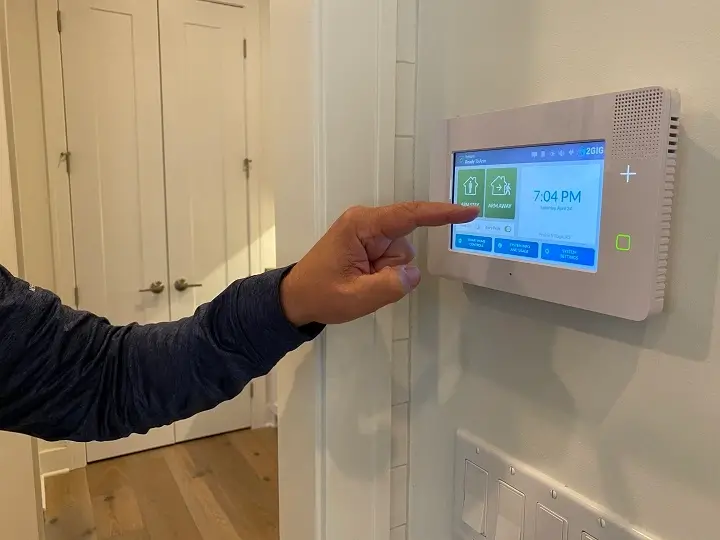
The control panel is the central hub of your ADT security system. It's the component that receives signals from all connected sensors and communicates with the ADT monitoring center. Modern ADT control panels often feature touchscreens for easy operation, built-in wireless communication modules (cellular and Wi-Fi), and battery backup to ensure continuous operation during power outages. Some advanced panels also integrate with smart home devices, allowing for centralized control of your entire smart home ecosystem.
In 2025-26, ADT control panels are increasingly sophisticated, incorporating AI for enhanced anomaly detection and offering more intuitive user interfaces. They are designed for ease of use, allowing users to arm/disarm the system, check sensor status, and even view camera feeds directly from the panel. The panel's primary function is to process information from sensors and transmit alerts to the monitoring center. Without a functioning control panel, the rest of the system cannot operate effectively.
Sensors: The Eyes and Ears
Sensors are the distributed components of an ADT system that detect specific events. They are strategically placed throughout a property to cover entry points, high-traffic areas, and potential hazard zones. The type and number of sensors used depend on the specific needs and layout of the home or business.
Door and Window Sensors
These are perhaps the most common type of sensor. They consist of two parts: a magnet and a sensor. When a door or window is closed, the magnet is close to the sensor, completing a circuit. When the door or window is opened, the magnet moves away, breaking the circuit and triggering an alarm. These are essential for securing all potential entry points into a property.
Motion Detectors
Motion detectors, often using Passive Infrared (PIR) technology, detect changes in heat signatures within their field of view. When a person or animal moves through an area, their body heat changes the infrared radiation detected by the sensor, triggering an alert. Modern ADT motion detectors often include pet immunity features to prevent false alarms from household pets, a crucial development for pet owners seeking reliable security.
Glass Break Sensors
These sensors are designed to detect the specific sound frequency of breaking glass. They are particularly useful for protecting windows that are not covered by door/window sensors or for large glass areas like sliding doors. Advanced glass break sensors can differentiate between the sound of breaking glass and other loud noises, reducing the likelihood of false alarms.
Environmental Sensors
Beyond intrusion, ADT systems can also monitor for environmental hazards. These include:
- Smoke Detectors: Alert to the presence of smoke, a critical fire detection component.
- Carbon Monoxide (CO) Detectors: Detect the odorless, colorless gas that can be deadly.
- Water/Flood Sensors: Placed near appliances like washing machines, water heaters, or in basements to detect leaks and potential flooding.
- Temperature Sensors: Can alert to extreme temperature drops (e.g., freezing pipes) or rises.
These environmental sensors are vital for comprehensive home protection, extending beyond just security to safety and property preservation. In 2025-26, integration with smart home systems means these sensors can trigger actions like shutting off water mains in case of a flood detected by a water sensor.
Cameras: Visual Verification
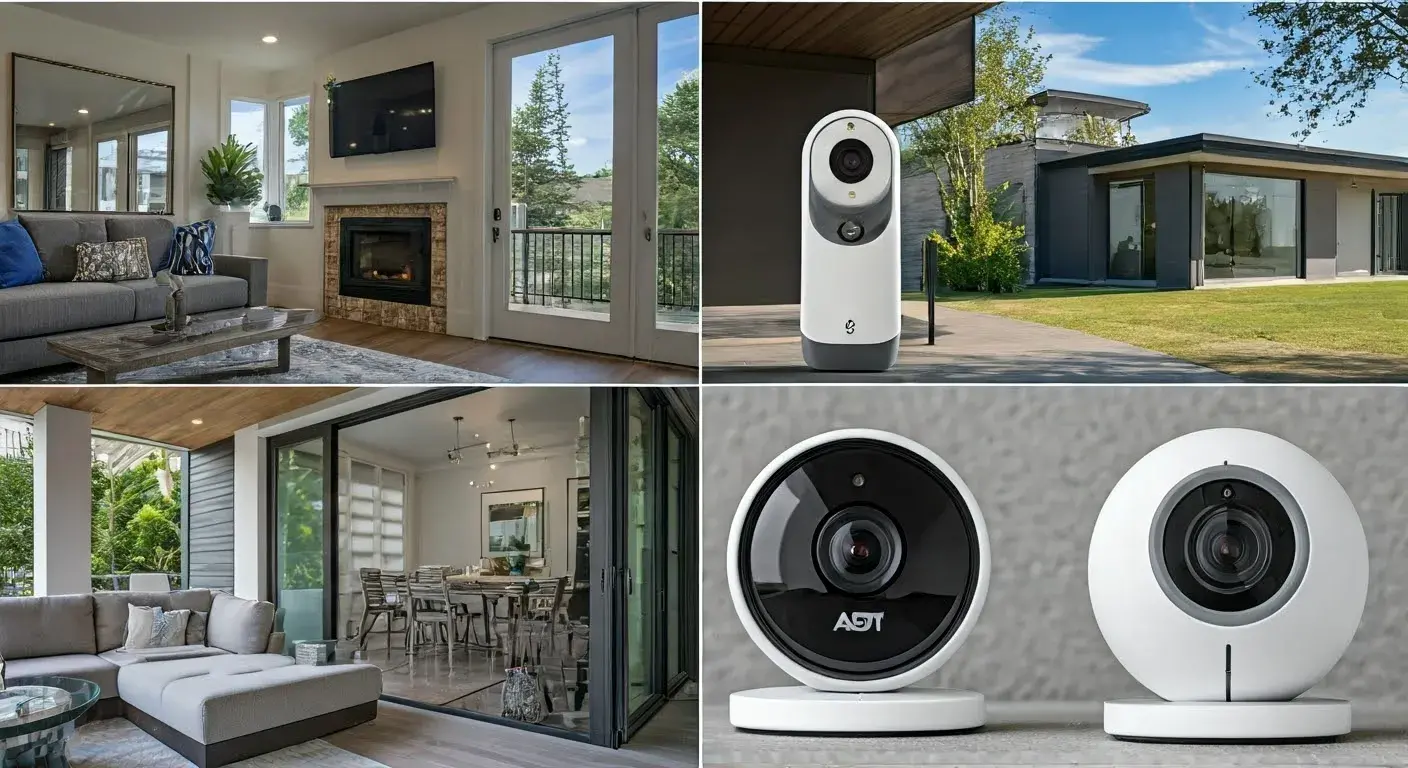
ADT offers a range of security cameras, from indoor and outdoor options to doorbell cameras. These cameras provide visual confirmation of events, which is invaluable for both homeowners and the monitoring center. In the event of an alarm, ADT monitoring agents can often access live or recorded video feeds to verify the threat before dispatching emergency services. This visual verification significantly reduces false alarms and speeds up response times for genuine emergencies.
Modern ADT camera systems in 2025-26 feature high-definition resolution, night vision, two-way audio, and advanced motion detection with AI-powered person detection. This AI capability allows the system to distinguish between people, animals, and vehicles, sending more relevant alerts to users and the monitoring center. For instance, a camera might alert you to a person loitering near your property, but not to a squirrel running across the lawn.
Keypads and Remotes: User Interface
Keypads, typically mounted near entryways, allow users to arm and disarm the system using a PIN code. ADT systems also come with keychain remotes for convenient arming and disarming, and many systems can be controlled via the ADT mobile app. The mobile app is a critical interface, allowing users to monitor their system, receive alerts, view camera feeds, and control smart home devices from anywhere in the world. The app's functionality has been significantly enhanced in recent years, offering more granular control and real-time updates.
Sirens: Deterrence and Alert
When an alarm is triggered, the system activates a loud siren. This serves a dual purpose: it alerts occupants to a potential danger, giving them time to react, and it acts as a deterrent to intruders, often scaring them away before they can cause significant damage or harm. The loud noise also helps to draw the attention of neighbors who might be able to provide further assistance or report the incident.
The ADT Monitoring Process: From Alarm to Action
The core of ADT's service lies in its 24/7 professional monitoring. When an alarm is triggered, a sophisticated process unfolds to ensure the quickest and most appropriate response.
Triggering an Alarm
An alarm can be triggered in several ways:
- Intrusion: A door or window sensor is opened, or a motion detector senses movement while the system is armed.
- Environmental Hazard: A smoke detector senses smoke, a CO detector detects carbon monoxide, or a water sensor detects moisture.
- Panic Button: A user presses a panic button on the keypad or remote for immediate assistance.
- System Malfunction: While less common, a system fault can also trigger an alert.
Communication with the Monitoring Center
Once a sensor is triggered, it sends a signal to the ADT control panel. The control panel then immediately transmits this signal to one of ADT's secure, redundant monitoring centers. Communication is typically done via cellular networks, ensuring that even if your home phone line is cut or your internet is down, the alarm signal will still reach ADT. This redundancy is a key differentiator of professional monitoring services.
Verification and Dispatch
Upon receiving an alarm signal, trained ADT monitoring agents follow a strict protocol. They will first attempt to contact the homeowner or designated contacts to verify if the alarm is false. If they cannot reach anyone, or if the situation is clearly an emergency (e.g., through audio verification or video from cameras), they will dispatch the appropriate emergency services – police, fire department, or medical responders – to the property. The speed and accuracy of this verification process are critical in ensuring a timely and effective response.
In 2025-26, AI plays an increasing role in this verification stage. Machine learning algorithms can analyze the type of alarm, sensor data, and even audio patterns to help agents make faster, more informed decisions about dispatch. For example, an AI might flag a specific sound pattern as highly indicative of a forced entry, prompting immediate dispatch.
Response Protocols in 2025-26
ADT continuously refines its response protocols to adapt to evolving threats and technological advancements. In 2025-26, these protocols emphasize:
- Prioritized Dispatch: For verified emergencies, ADT works with local authorities to ensure prioritized response.
- Enhanced Information Sharing: When dispatching, ADT provides responding officers with crucial details, such as the type of alarm, the location of the breach, and even live video feeds if available.
- Two-Way Voice Communication: Some systems allow monitoring agents to communicate directly with individuals inside the property, providing instructions or reassurance during an emergency.
- Smart Alerts: Users receive instant notifications on their mobile devices, keeping them informed of any alarm events and the actions being taken.
The integration of smart home technology also influences response. For instance, if a fire alarm is triggered, the system might automatically unlock smart locks to facilitate evacuation and allow first responders easier access, while also shutting down HVAC systems to prevent smoke circulation.
ADT Smart Home Integration
ADT has evolved beyond traditional security to become a comprehensive smart home solution. Integration with smart devices enhances convenience, energy efficiency, and overall home safety.
Smart Thermostats and Lighting
By integrating with smart thermostats like Nest or Ecobee, ADT systems can help manage your home's climate, saving energy when you're away and ensuring comfort upon your return. Smart lighting can be programmed to turn on and off at scheduled times, or remotely controlled via the ADT app, creating the illusion that someone is home, thus deterring potential intruders. This also adds convenience, allowing you to turn off lights you forgot about from your phone.
Smart Locks and Garage Door Openers
ADT's smart home capabilities extend to smart locks and garage door openers. You can lock or unlock doors remotely, grant temporary access to guests, and receive notifications when doors are opened or closed. Similarly, you can check the status of your garage door and open or close it from your smartphone. This level of control offers significant convenience and an added layer of security, ensuring your property is secured.
Voice Assistant Compatibility
ADT systems are compatible with popular voice assistants like Amazon Alexa and Google Assistant. This allows users to arm and disarm their systems, check the status of sensors, and control connected smart home devices using simple voice commands. For example, you can say, "Alexa, arm ADT to stay mode," or "Hey Google, what's the temperature inside?" This hands-free control adds another dimension of convenience and accessibility.
Installation and Support
The effectiveness of any security system hinges on its proper installation and ongoing support. ADT prioritizes both.
Professional Installation
ADT systems are typically installed by certified, professional technicians. This ensures that all components are correctly placed, configured, and tested. A professional installation guarantees that your system is set up to provide optimal coverage and performance, minimizing the risk of installation errors that could lead to false alarms or system failures. Technicians also take the time to walk you through the system's operation, ensuring you understand how to use it effectively.
Ongoing Support and Maintenance
ADT offers 24/7 customer support and professional monitoring. They provide regular system checks and updates to ensure your system is always functioning optimally. Should you encounter any issues, ADT's support team is available to assist. This ongoing support is a significant advantage over DIY systems, where troubleshooting often falls solely on the user. For 2025-26, ADT's support also includes remote diagnostics and software updates pushed directly to your control panel and mobile app, further enhancing system reliability.
ADT vs. DIY Security Systems
When considering home security, the choice between a professionally installed and monitored system like ADT and a DIY system is significant. Each has its pros and cons, and the best choice depends on individual needs and preferences.
Comparison Table
Here's a comparative look at ADT's professional service versus typical DIY systems:
| Feature | ADT Professional System | Typical DIY System |
|---|---|---|
| Installation | Professional, on-site by certified technicians | Self-installation, requires user technical skill |
| Monitoring | 24/7 professional monitoring by ADT | Self-monitoring (alerts to phone) or optional third-party monitoring |
| Response | Dispatch of emergency services by ADT | User must contact emergency services themselves |
| Equipment | High-quality, integrated equipment, often leased | Wide variety of brands, typically purchased outright |
| Cost | Higher upfront and monthly fees, but includes service and monitoring | Lower upfront cost, but potential for additional subscription fees for advanced features or monitoring |
| Customer Support | 24/7 dedicated support | Varies by brand, often online forums or limited phone support |
| Smart Home Integration | Seamless integration with select smart home devices | Varies greatly by brand and system compatibility |
Key Differentiators
The primary differentiator is the 24/7 professional monitoring. With ADT, you have a dedicated team watching over your property, ready to act in case of an emergency. This provides a level of security and peace of mind that self-monitoring cannot match. For individuals who are comfortable with technology and prefer to manage their own security, DIY systems can be a cost-effective solution. However, for those who want comprehensive protection with guaranteed professional oversight, ADT remains a top choice. Statistics from 2025 indicate that homes with professional monitoring are significantly less likely to experience property loss during a break-in compared to those without.
Furthermore, ADT's infrastructure, including its monitoring centers and response network, is built for resilience and reliability. DIY systems, while improving, often rely on individual internet connections and user attentiveness, which can be vulnerabilities. For example, if a DIY user misses a notification, the response might be delayed or nonexistent.
Advanced ADT Features (2025-26)
ADT is continually innovating to provide cutting-edge security solutions. Here are some advanced features available or becoming more prevalent in 2025-26:
AI-Powered Threat Detection
Artificial intelligence is revolutionizing security systems. ADT is integrating AI into its cameras and sensors to provide more intelligent threat detection. This includes differentiating between people, animals, and vehicles, recognizing unusual activity patterns, and even predicting potential threats based on behavioral analysis. For instance, an AI might flag someone lingering suspiciously near a property for an extended period, even if they haven't triggered a traditional motion sensor yet.
Proactive Security Updates
ADT is committed to keeping its systems secure against evolving cyber threats. In 2025-26, this involves more frequent and seamless over-the-air software updates for control panels and connected devices. These updates patch vulnerabilities, improve performance, and introduce new features, ensuring your system remains robust and protected against the latest digital risks. This proactive approach is crucial in an increasingly connected world.
Enhanced Mobile App Capabilities
The ADT mobile app continues to be a central point of interaction. In 2025-26, expect even more advanced features, such as:
- Personalized Alert Customization: Users can fine-tune the types of alerts they receive and set specific parameters for notifications.
- Advanced Geofencing: The app can automatically arm or disarm the system based on your location, providing convenience and enhanced security.
- Integrated Video Analytics: Deeper integration with camera analytics, allowing users to search for specific events (e.g., "show me all instances of a person detected") directly within the app.
- Remote System Diagnostics: The ability to run basic system diagnostics and troubleshoot common issues directly from the app, with guided steps.
These enhancements aim to provide users with greater control, convenience, and insight into their home security.
Conclusion: Your ADT Security Explained
Understanding how ADT security works reveals a sophisticated system built on reliable technology and dedicated human oversight. From the intelligent control panel and diverse sensors to the round-the-clock monitoring center, every component is designed to provide comprehensive protection. ADT's integration of smart home technology further enhances convenience and control, making it a versatile solution for modern living. The professional installation and ongoing support ensure that your system is always operating at its best, providing peace of mind that is invaluable in today's world. Whether you're concerned about intrusion, environmental hazards, or simply want to integrate your home into a smarter, more secure ecosystem, ADT offers a robust and trustworthy solution for 2025-26 and beyond.