How Smart Home Security Works in 2026
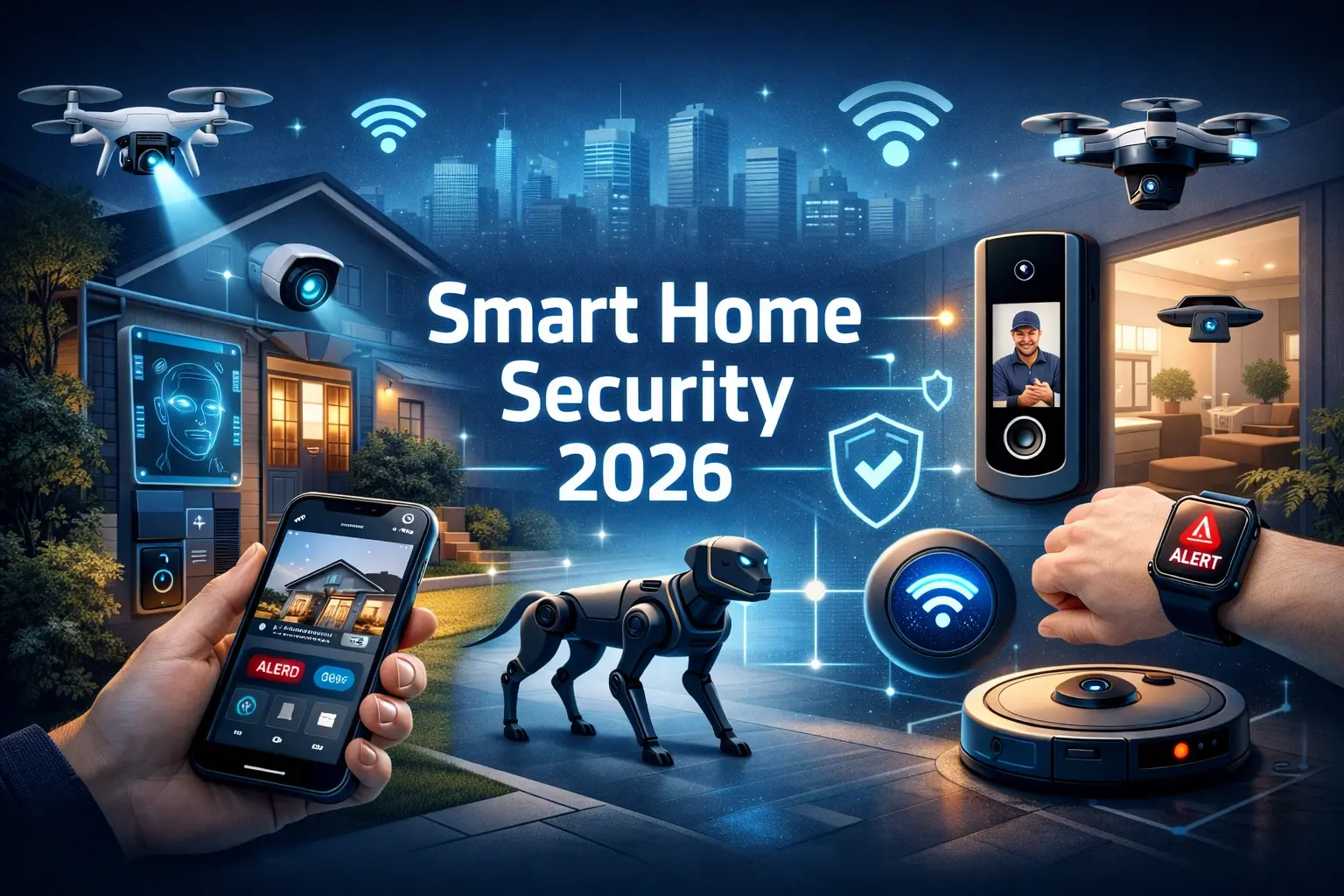
In 2026, the concept of a "locked door" has been replaced by a digital fortress. Smart home security is no longer just a loud siren on the wall; it is a sophisticated ecosystem of interconnected devices that use Artificial Intelligence (AI), the Internet of Things (IoT), and high-speed connectivity to protect your home.
If you are looking for the most reliable way to secure your property, understanding the mechanics behind these systems is the first step. For those ready to upgrade, HsforMe serves as the premier home security buying portal, offering top-tier solutions from industry leaders like ADT, Alder, and Vivint.
What is Smart Home Security?
A smart home security system is a network of integrated electronic devices working together with a central control panel to protect against burglars and other potential home intruders. Unlike traditional systems, "smart" versions connect to your Wi-Fi or cellular network, allowing you to monitor and control your home’s safety from a smartphone or voice assistant.
The Three Core Pillars of Smart Security
Sensors & Detectors: The "ears and eyes" that monitor movement, door openings, and environmental hazards.
The Hub (Control Panel): The "brain" that receives data from sensors and decides when to trigger an alarm.
The Interface (App/Voice): The "voice" that notifies you and allows you to interact with the system remotely.
How Does the Technology Actually Work?
To understand how smart home security works, we need to look at the "communication chain" that occurs from the moment a sensor is tripped to the moment the authorities are dispatched.
1. Detection through IoT Sensors
Most systems utilize a combination of Zigbee, Z-Wave, or Matter protocols to allow devices to talk to one another without clogging your Wi-Fi.
Door/Window Sensors: Use a magnet and a reed switch to detect when a circuit is broken.
PIR Motion Sensors: Use Passive Infrared technology to detect heat signatures moving across a room.
Glass Break Detectors: Listen for the specific frequency of shattering glass.
2. Data Processing via the Smart Hub
When a sensor is triggered, it sends a signal to the central hub. In modern systems offered by Vivint or ADT through HsforMe, this hub often features Edge AI. This means the system can distinguish between a stray cat and a human intruder locally, reducing false alarms and increasing response speed.
3. Instant Notifications and Cloud Storage
Once the hub confirms a threat, it sends an encrypted alert via LTE/5G cellular backup or Wi-Fi to your mobile device. Simultaneously, cameras—such as the high-definition models from Alder—begin recording and uploading footage to secure cloud servers, ensuring the evidence cannot be destroyed by an intruder.
Professional Monitoring vs. Self-Monitoring
One of the most frequent questions on buying portals like HsforMe is whether to choose professional monitoring or a DIY approach.
Feature | Professional Monitoring (ADT, Vivint, Alder) | Self-Monitoring (DIY) |
Emergency Dispatch | Automatic (911 contacted for you) | You must call 911 yourself |
Backup Power | Battery & Cellular (Works during outages) | Often relies solely on Wi-Fi |
System Health | Experts monitor for sensor failures | You must check for low batteries |
Insurance | Eligible for up to 20% discounts | Usually no discount |
The Value of Professional Installation
While DIY kits are popular, brands like Vivint and ADT prioritize professional installation. This ensures that cameras are angled correctly to avoid "blind spots" and that the mesh network connecting your smart locks and thermostats is optimized for 100% uptime.
Key Components of a Modern Smart Home System
Smart Video Doorbells
The front door is the most common entry point for burglars. Modern doorbells now feature Two-Way Talk and Package Detection, allowing you to ward off "porch pirates" even when you’re miles away.
Smart Locks & Access Control
Gone are the days of hiding a key under the mat. Smart locks allow you to create unique entry codes for guests or service workers. Systems from Vivint can even be set to "Auto-Disarm" the alarm the moment your smart lock is engaged via a verified mobile device.
Environmental Monitoring
Home security isn't just about intruders. Smart systems also include:
Smart Smoke/CO Detectors: These can turn off your HVAC system to stop the spread of smoke.
Flood Sensors: Placed near water heaters to alert you to leaks before they cause thousands in damage.
Why Buy Through HsforMe?
Navigating the world of home security can be overwhelming. HsforMe simplifies the process by acting as a specialized buying portal. Instead of scouring dozens of sites, you can compare the industry’s "Big Three" in one place:
ADT: The most established name in the industry, known for its massive network of 24/7 monitoring centers and reliability.
Vivint: The leader in high-end "Pro-Install" automation, offering a seamless, premium experience with proprietary hardware.
Alder: Known for its straightforward, high-quality equipment and excellent customer service, making it a favorite for those who want powerful protection without the complexity.
Through HsforMe, users gain access to exclusive deals and a streamlined path to securing their homes with these top-tier providers.
Common Questions About Smart Home Security (FAQ)
1. Does smart home security work during a power outage?
Yes, most premium systems from ADT, Alder, and Vivint include a battery backup that lasts 24 hours and cellular chips that allow the system to communicate even if the internet is down.
2. Can smart home security be hacked?
While any internet-connected device has risks, reputable providers use AES-128 or 256-bit encryption (the same level used by banks) to protect your data. Using a trusted portal like HsforMe ensures you are getting genuine, secure hardware.
How much does a smart home security system cost per month?
Professional monitoring typically ranges from $25 to $60 per month, depending on the number of cameras and the level of automation. This often includes the cost of the equipment and 24/7 peace of mind.
Conclusion: Securing Your Future Today
Smart home security works by creating a layer of proactive intelligence around your living space. It doesn't just react to a break-in; it prevents them through visible deterrence, instant alerts, and professional oversight.
Whether you prioritize the legacy and reach of ADT, the cutting-edge automation of Vivint, or the reliable simplicity of Alder, your journey to a safer home starts at HsforMe. Don't wait for a "reason" to get protected—secure your peace of mind today.