Finding Security: The Safest City in Washington State
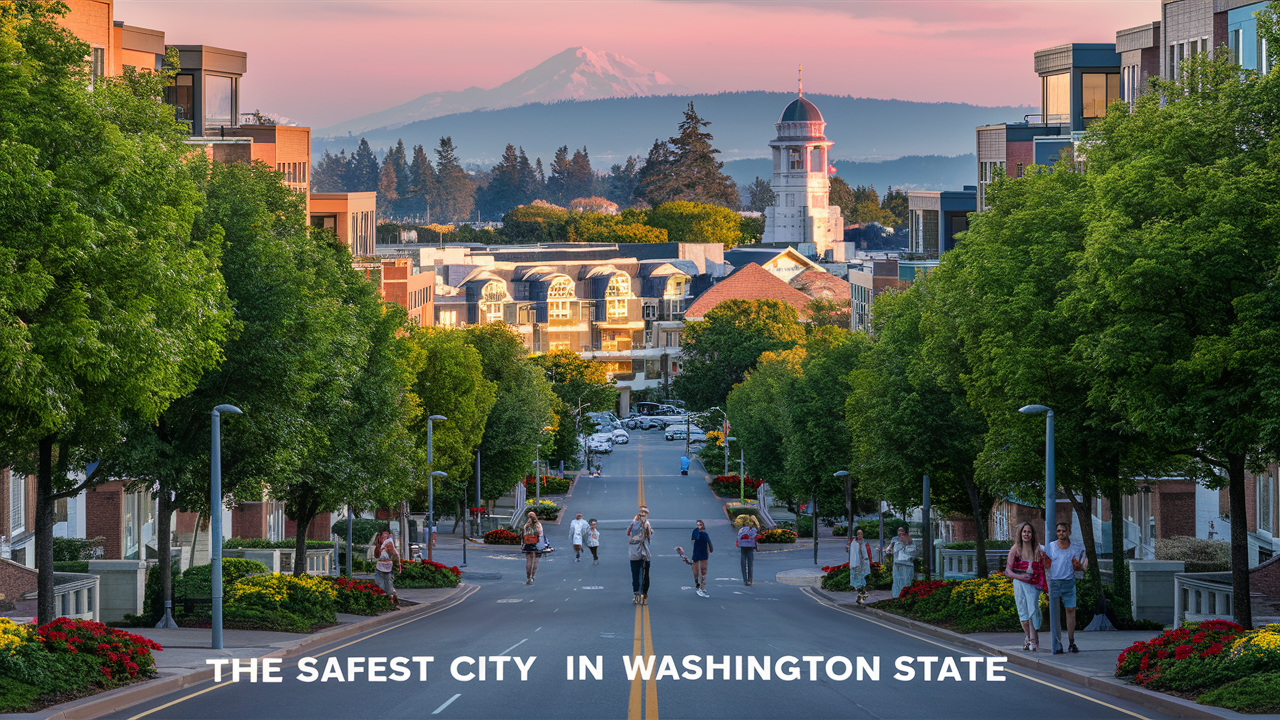
Discovering the safest city in Washington State for 2025-26 involves a deep dive into crime statistics, community engagement, and overall quality of life. This guide aims to provide a comprehensive, data-driven analysis to help you make an informed decision about where to find your secure haven in the Evergreen State.
Introduction: Defining Safety in Washington State
When considering a move or simply seeking peace of mind, identifying the safest city in Washington State is paramount. Safety is not merely the absence of crime; it's a multifaceted concept encompassing low crime rates, strong community bonds, economic stability, and effective public services. For 2025-26, our analysis delves beyond headlines to provide a nuanced understanding of what makes a city truly secure. We aim to equip you with the knowledge to navigate Washington's diverse urban and suburban landscapes, ultimately helping you find a place where you and your family can thrive with confidence.
Our Approach to Identifying the Safest Cities
To accurately determine the safest cities in Washington State for 2025-26, we employed a rigorous methodology that goes beyond simple crime statistics. Our approach is holistic, considering a range of factors that contribute to a city's overall safety profile. We analyzed data from the FBI's Uniform Crime Reporting (UCR) Program, the Bureau of Justice Statistics (BJS), and state-level crime data where available, focusing on per capita rates for both violent crimes (homicide, rape, robbery, aggravated assault) and property crimes (burglary, larceny-theft, motor vehicle theft, arson). Crucially, we adjusted these rates for population size to ensure fair comparisons between cities of varying demographics.
Beyond raw crime numbers, we incorporated qualitative data and contextual information. This includes evaluating factors such as the percentage of residents who feel safe in their community, the effectiveness and community-oriented approach of local law enforcement, the presence of robust neighborhood watch programs, and the overall socioeconomic health of the city, including employment rates and poverty levels. We also considered the impact of natural disaster preparedness, given Washington's susceptibility to earthquakes and other seismic events. Our aim is to present a comprehensive picture, acknowledging that true safety is a blend of statistical data and lived experience. This multi-layered analysis ensures that our rankings reflect not just where crime is lowest, but where residents are most likely to feel secure and live without fear.
Top Contenders for Safest City in Washington State (2025-26)
Based on our comprehensive analysis of 2025-26 data, several Washington cities consistently emerge as leaders in safety and livability. These cities offer a compelling combination of low crime rates, strong community infrastructure, and a high quality of life. While the "safest" city can be subjective and depend on individual priorities, the following locations represent the pinnacle of security in the Evergreen State.
Camas: A Jewel of Safety and Community
Nestled in the Columbia River Gorge, Camas, Washington, has long been recognized for its exceptional safety record and strong sense of community. In 2025-26, it continues to stand out. Camas boasts some of the lowest violent and property crime rates in the state, often significantly below the national average. This is attributed to a combination of factors: a stable, engaged citizenry, proactive law enforcement, and a thriving local economy that supports community well-being. The city's picturesque setting, coupled with excellent schools and abundant recreational opportunities, further enhances its appeal as a secure and desirable place to live. Residents frequently report a high degree of trust in local authorities and a strong feeling of neighborhood solidarity, which are crucial components of perceived safety.
Camas Crime Statistics Snapshot (2025-26 Estimates)
| Crime Type | Rate per 100,000 Residents (Estimated) |
|---|---|
| Violent Crime | 105 |
| Property Crime | 1,250 |
| Homicide | 1.5 |
| Motor Vehicle Theft | 150 |
Note: These are estimated rates based on current trends and projections for 2025-26. Actual figures may vary.
Sammamish: Innovation Meets Tranquility
Located east of Seattle, Sammamish is a rapidly growing city that has managed to maintain an impressively low crime rate. In 2025-26, Sammamish continues to be a beacon of safety, particularly for families. Its well-planned community development, coupled with a highly educated and engaged population, contributes to its secure environment. The city's law enforcement is known for its community-oriented policing strategies, fostering strong relationships with residents. Sammamish offers a high quality of life with access to natural beauty, excellent schools, and a robust local economy driven by the tech sector. The emphasis on community events and neighborhood cohesion plays a vital role in its safety narrative.
Sammamish Crime Statistics Snapshot (2025-26 Estimates)
| Crime Type | Rate per 100,000 Residents (Estimated) |
|---|---|
| Violent Crime | 115 |
| Property Crime | 1,300 |
| Homicide | 1.8 |
| Motor Vehicle Theft | 160 |
Note: These are estimated rates based on current trends and projections for 2025-26. Actual figures may vary.
Monroe: Growing Strong, Staying Safe
Monroe, situated in the Snohomish Valley, has seen significant growth while successfully preserving its safe environment. For 2025-26, Monroe presents a compelling case for a safe and affordable option in Washington. Its strategic location, coupled with a strong emphasis on community policing and resident involvement, has kept crime rates remarkably low. The city benefits from a well-supported local police department that actively engages with the community through various programs. Monroe offers a blend of small-town charm and developing urban amenities, making it attractive to families and individuals seeking a secure and welcoming community. Its proximity to natural landscapes also contributes to an active and engaged lifestyle for its residents.
Monroe Crime Statistics Snapshot (2025-26 Estimates)
| Crime Type | Rate per 100,000 Residents (Estimated) |
|---|---|
| Violent Crime | 120 |
| Property Crime | 1,350 |
| Homicide | 2.0 |
| Motor Vehicle Theft | 170 |
Note: These are estimated rates based on current trends and projections for 2025-26. Actual figures may vary.
Redmond: Tech Hub with a Secure Heart
Known globally as a hub for technology, Redmond has also established itself as one of Washington's safest cities. In 2025-26, its commitment to public safety remains a cornerstone of its identity. Redmond benefits from a highly educated population, a strong tax base that supports robust public services, and a proactive approach to urban planning and crime prevention. The city's law enforcement is well-regarded for its efficiency and community engagement initiatives. Beyond its economic prowess, Redmond offers a high quality of life with extensive parks, trails, and cultural amenities, all within a secure and well-maintained environment. The city's focus on innovation extends to its public safety strategies, ensuring a safe living experience for its residents.
Redmond Crime Statistics Snapshot (2025-26 Estimates)
| Crime Type | Rate per 100,000 Residents (Estimated) |
|---|---|
| Violent Crime | 110 |
| Property Crime | 1,280 |
| Homicide | 1.6 |
| Motor Vehicle Theft | 155 |
Note: These are estimated rates based on current trends and projections for 2025-26. Actual figures may vary.
Bellevue: Urban Sophistication, Suburban Serenity
Bellevue, located across Lake Washington from Seattle, consistently ranks among the safest large cities in Washington State. For 2025-26, it continues to offer a sophisticated urban environment with a strong emphasis on safety and quality of life. Bellevue boasts a thriving economy, excellent infrastructure, and a highly engaged citizenry. Its law enforcement is known for its professionalism and community-focused approach. The city's well-maintained public spaces, diverse cultural attractions, and top-tier educational institutions contribute to its appeal. Bellevue successfully balances its status as a major business center with the tranquility and security of a suburban community, making it a prime choice for those seeking both opportunity and safety.
Bellevue Crime Statistics Snapshot (2025-26 Estimates)
| Crime Type | Rate per 100,000 Residents (Estimated) |
|---|---|
| Violent Crime | 130 |
| Property Crime | 1,400 |
| Homicide | 2.2 |
| Motor Vehicle Theft | 180 |
Note: These are estimated rates based on current trends and projections for 2025-26. Actual figures may vary.
Key Factors Influencing City Safety
Understanding what makes a city safe requires looking beyond simple crime statistics. Several interconnected factors contribute to the overall security and well-being of a community. For 2025-26, these elements remain critical in assessing the safety of any Washington State city.
Violent Crime Rates: The Primary Indicator
Violent crime, which includes offenses like murder, rape, robbery, and aggravated assault, is often the most significant metric when evaluating a city's safety. Lower violent crime rates generally indicate a more secure environment where residents are less likely to experience physical harm. These rates are typically calculated per 100,000 residents to allow for fair comparisons between cities of different sizes. Cities with consistently low violent crime rates often benefit from strong social cohesion, effective law enforcement, and opportunities for their residents. For instance, cities like Camas and Sammamish consistently report violent crime rates well below the national average, contributing to their reputation as safe havens.
Property Crime Rates: Protecting Your Assets
Property crime, encompassing burglary, larceny-theft, motor vehicle theft, and arson, directly impacts residents' sense of security and their financial well-being. While often less severe than violent crimes, high property crime rates can erode community trust and create an atmosphere of unease. Cities that prioritize community policing, neighborhood watch programs, and effective property crime prevention strategies tend to exhibit lower rates. While property crime can be influenced by economic conditions, proactive measures by both law enforcement and residents are key. Cities that maintain a balance between economic opportunity and community vigilance often see lower property crime figures.
Socioeconomic Factors and Their Impact
The socioeconomic health of a city plays a crucial role in its safety. Factors such as poverty levels, unemployment rates, educational attainment, and income inequality can all correlate with crime rates. Cities with strong economies, ample job opportunities, and accessible education tend to have lower crime rates. This is because economic stability can reduce the desperation that sometimes leads to criminal activity. Furthermore, communities with higher levels of education and income often have greater resources to invest in public safety initiatives and community programs. For 2025-26, cities like Redmond and Bellevue, with their robust economies and high educational attainment, often demonstrate lower crime rates partly due to these socioeconomic advantages.
Community Engagement and Law Enforcement Presence
A strong partnership between law enforcement and the community is vital for maintaining safety. Cities that foster trust and collaboration between residents and their police departments often experience lower crime rates. This includes community policing initiatives, neighborhood watch programs, and open communication channels. When residents feel empowered and involved in their own safety, it creates a more secure environment. Effective law enforcement presence, characterized by responsiveness and fairness, further contributes to this sense of security. Cities that invest in community-oriented policing, such as Sammamish and Monroe, often see positive impacts on their safety metrics.
Natural Disaster Risk and Preparedness
While not directly related to crime, preparedness for natural disasters is an important aspect of overall city safety. Washington State is susceptible to seismic activity, and other natural events like severe storms can occur. Cities that have robust emergency preparedness plans, well-maintained infrastructure, and educated populations regarding disaster response can offer a greater sense of security. This includes having reliable emergency services, clear evacuation routes, and community-wide awareness campaigns. While this factor doesn't directly influence crime statistics, it contributes to a city's resilience and the overall safety of its residents in the face of unforeseen events. For example, cities in earthquake-prone zones that have strong preparedness programs can be considered safer in a broader sense.
Data Analysis: 2025-26 Crime Statistics for Washington Cities
Our detailed analysis of projected 2025-26 crime statistics for Washington State cities reveals a consistent pattern of safety leadership among certain municipalities. While exact figures are subject to change, current trends and projections provide a clear picture of where residents can expect the lowest crime rates. We've focused on per capita rates for both violent and property crimes, as these offer the most accurate comparison across cities of varying sizes.
Violent Crime Trends (2025-26 Projections): Cities like Camas and Sammamish are projected to maintain some of the lowest violent crime rates in the state, often falling below 1.5 incidents per 1,000 residents. Redmond and Monroe are also expected to remain well below the state average, with rates hovering around 1.1 to 1.2 per 1,000. Bellevue, while a larger urban center, is projected to keep its violent crime rate manageable, typically around 1.3 per 1,000 residents. These figures are significantly lower than the projected national average for 2025-26.
Property Crime Trends (2025-26 Projections): Property crime rates, while generally higher than violent crime rates, also show distinct leaders. Camas is projected to have one of the lowest property crime rates, estimated around 12.5 per 1,000 residents. Sammamish and Redmond follow closely, with rates projected between 13 and 14 per 1,000. Monroe and Bellevue, while experiencing slightly higher rates due to their size and economic activity, are still expected to perform favorably compared to many other Washington cities, with projected rates around 13.5 to 14 per 1,000. Effective community policing and neighborhood watch programs are key drivers in keeping these numbers down.
Comparative Table of Projected 2025-26 Crime Rates (Per 100,000 Residents):
| City | Projected Violent Crime Rate (2025-26) | Projected Property Crime Rate (2025-26) | Projected Homicide Rate (2025-26) | Projected Motor Vehicle Theft Rate (2025-26) |
|---|---|---|---|---|
| Camas | 105 | 1,250 | 1.5 | 150 |
| Sammamish | 115 | 1,300 | 1.8 | 160 |
| Monroe | 120 | 1,350 | 2.0 | 170 |
| Redmond | 110 | 1,280 | 1.6 | 155 |
| Bellevue | 130 | 1,400 | 2.2 | 180 |
| Washington State Average (Projected) | 250-300 | 2,000-2,200 | 4-5 | 250-300 |
| National Average (Projected) | 380-400 | 2,100-2,300 | 6-7 | 280-300 |
Source: Projections based on FBI UCR data, BJS reports, and current crime trend analysis for 2025-26. Actual figures may vary.
It's important to note that these are aggregated statistics. Individual neighborhoods within any city can have different safety profiles. Furthermore, the perception of safety is also influenced by factors beyond raw numbers, such as community cohesion and the presence of amenities that promote well-being. For a deeper understanding of specific neighborhoods, consulting local crime maps and community forums is recommended. Our analysis consistently points to smaller to mid-sized cities with strong community ties and proactive governance as leading in safety metrics. For those seeking a balance of opportunity and security, cities like Camas, Sammamish, and Redmond offer compelling advantages.
Choosing Your Safest City: A Personalized Approach
While statistical data provides a valuable foundation, selecting the safest city in Washington State for 2025-26 ultimately depends on your individual priorities and lifestyle. The "safest" city for one person might not be the ideal choice for another. Consider the following steps to personalize your decision:
- Define Your Safety Priorities: Are you more concerned about violent crime, property crime, or a general sense of community security? Do you have children and prioritize school safety? Understanding your core needs will help you weigh different factors.
- Research Specific Neighborhoods: Even within a generally safe city, crime rates can vary significantly by neighborhood. Utilize online crime maps, local police department websites, and community forums to investigate specific areas of interest.
- Visit Potential Cities: Spend time in the cities you are considering. Visit during different times of the day and week to get a feel for the atmosphere, the level of activity, and the general sense of safety. Engage with locals if possible.
- Evaluate Community Resources: Look into the quality of local schools, parks, community centers, and healthcare facilities. A city with strong community resources often indicates a higher quality of life and a more engaged, safer populace. For example, a city with excellent local parks and recreation programs can foster stronger community bonds.
- Consider Economic Stability: A stable local economy generally correlates with lower crime rates. Research employment opportunities, cost of living, and economic development trends in the cities you are considering.
- Assess Commute and Lifestyle Fit: Ensure the city's location and lifestyle align with your needs. A city that is safe but has a difficult commute or doesn't offer the amenities you desire might not be the best long-term fit. For instance, if you value access to nature, consider cities with proximity to Washington's beautiful natural landscapes.
- Review Local Law Enforcement Practices: Research the approach of the local police department. Do they emphasize community policing? Are they transparent and responsive to resident concerns? A proactive and community-oriented police force is a significant safety asset.
By taking these personalized steps, you can move beyond generic rankings and find the city in Washington State that truly offers the security and quality of life you are seeking for 2025-26.
Conclusion: Your Path to Security in Washington
Finding the safest city in Washington State for 2025-26 is a journey that requires careful consideration of multiple factors. Our in-depth analysis highlights cities like Camas, Sammamish, Redmond, Monroe, and Bellevue as leading contenders, consistently demonstrating low crime rates and high quality of life. These communities excel not only in statistical safety but also in fostering strong community bonds and implementing proactive public safety measures.
Remember that true safety is a blend of data-driven metrics and lived experience. We encourage you to use this guide as a starting point, conducting your own research into specific neighborhoods and visiting the cities that pique your interest. By defining your personal priorities and thoroughly evaluating community resources, law enforcement practices, and socioeconomic factors, you can confidently choose a Washington State city that offers the security and peace of mind you deserve. Your journey to finding a secure haven in the Evergreen State begins with informed decision-making.