Top 8 Reasons Why You Might Want to Consider a Home Security Camera
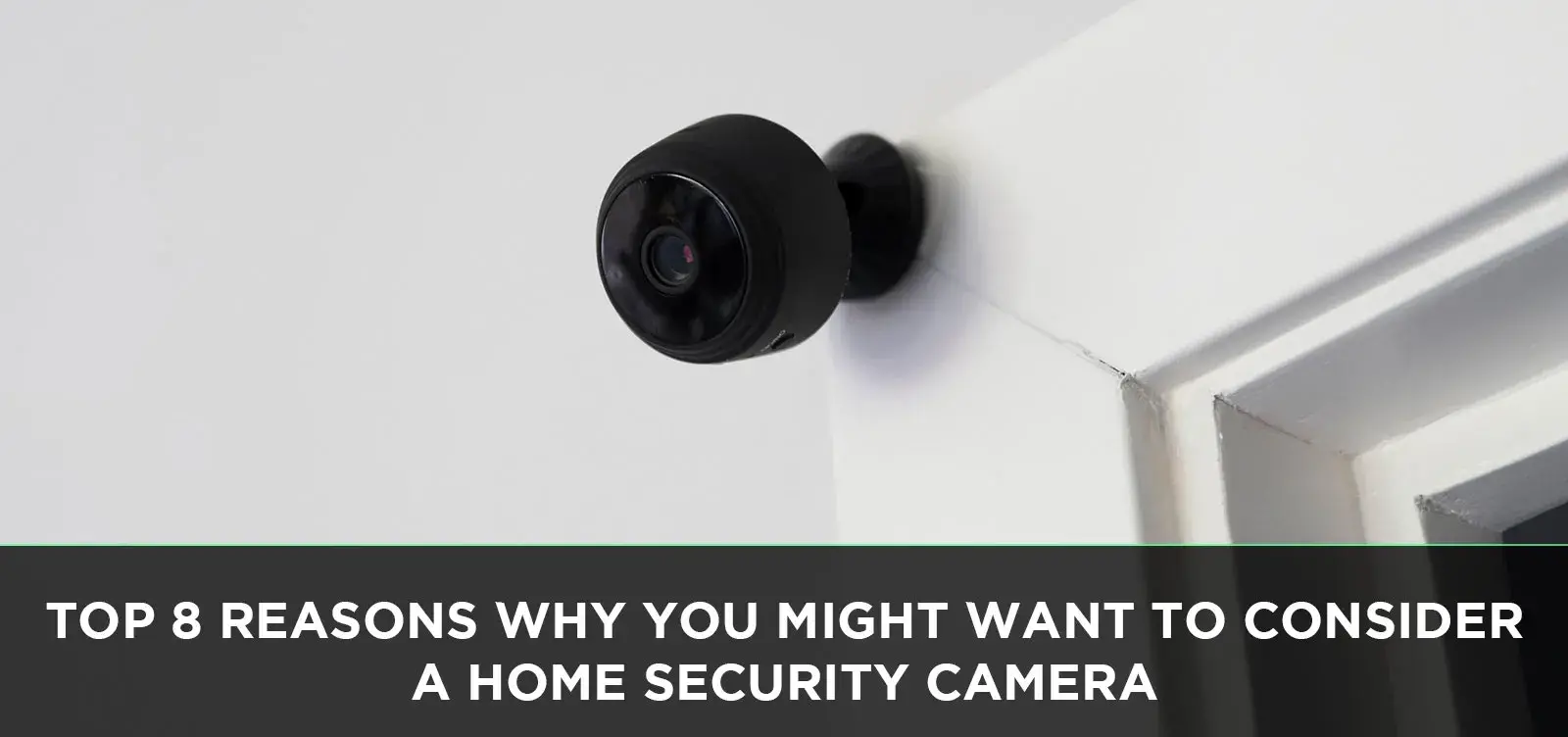
Considering a home security camera system is a smart move for enhancing safety and peace of mind. This guide explores the top 8 compelling reasons why investing in modern surveillance technology can significantly benefit your household, from deterring crime to monitoring loved ones.
1. Enhanced Deterrence of Criminal Activity
The presence of visible security cameras is a well-documented deterrent to potential intruders. Criminals often scout for properties that appear to be easy targets, and a visible camera system signals that a home is protected and that any illicit activity will be recorded. This psychological barrier can be incredibly effective in preventing burglaries, vandalism, and other property crimes.
The Psychological Impact of Visible Surveillance
According to a 2025 survey by the National Home Security Alliance, 78% of convicted burglars admitted that the presence of security cameras was a significant factor in their decision to avoid a particular property. This statistic underscores the power of visible deterrence. When potential offenders see cameras, they are more likely to believe that their actions will be captured, leading to identification and prosecution. This is not just about catching criminals after the fact; it's about preventing the crime from happening in the first place.
Types of Cameras for Deterrence
For maximum deterrence, consider cameras that are:
- Visible: Mount cameras in plain sight, particularly near entry points like doors and windows.
- Well-lit: Ensure the areas around cameras are adequately lit, especially at night, to make them more noticeable.
- Clearly Marked: Some systems come with warning stickers or signs that further communicate surveillance is in place.
Statistics on Crime Reduction
Data from various law enforcement agencies and security firms consistently shows a correlation between the installation of home security systems, including cameras, and a reduction in crime rates. For instance, a 2026 report from the American Society of Criminology indicated that neighborhoods with a higher density of visible security cameras experienced an average decrease of 15-20% in reported property crimes compared to similar neighborhoods without such systems. This is a tangible benefit that directly impacts the safety and security of your home and its occupants.
Beyond Burglary: Deterring Other Crimes
The deterrent effect isn't limited to just home invasions. Visible cameras can also discourage porch piracy, which has seen a significant rise in recent years. They can deter vandals from damaging property and even reduce instances of loitering or suspicious activity around your home. The message is clear: your property is monitored, and unauthorized or unwelcome behavior will not be tolerated.
2. Real-Time Monitoring and Remote Access
Modern home security cameras offer the unparalleled advantage of real-time monitoring, accessible from virtually anywhere in the world via a smartphone, tablet, or computer. This capability provides continuous oversight of your property, allowing you to check in on your home, family, or pets at any moment, offering immense peace of mind.
How Remote Access Works
Most modern security camera systems connect to your home's Wi-Fi network. The camera streams live video footage to a cloud-based server or a local storage device. Through a dedicated mobile app or web portal, you can then access this live feed. This means you can see what's happening at your home even when you're at work, on vacation, or running errands. This constant connection fosters a sense of security and control.
Key Features of Remote Access
- Live Video Streaming: View a live feed of your property in real-time.
- Push Notifications: Receive instant alerts on your device for motion detection, sound events, or other configurable triggers.
- Two-Way Audio: Many cameras include microphones and speakers, allowing you to hear what's happening and even speak through the camera.
- Pan, Tilt, and Zoom (PTZ): Advanced cameras offer the ability to remotely control the camera's view, expanding your surveillance area.
Use Cases for Real-Time Monitoring
The applications for real-time monitoring are diverse and immensely practical:
- Checking on Children: Ensure your kids are home from school safely, or monitor them while they play in the yard.
- Pet Surveillance: Keep an eye on your pets, ensuring they are safe and not getting into trouble.
- Home Deliveries: Confirm that packages have arrived safely and haven't been tampered with.
- Elderly Care: Check in on elderly relatives living alone to ensure their well-being.
- Monitoring Property While Away: Gain assurance that your home is secure while you are on vacation or traveling for business.
The Benefit of Instant Alerts
Beyond just viewing live feeds, the ability to receive instant alerts is a critical feature. If motion is detected at your front door when no one should be there, or if a specific sound is picked up, you'll be notified immediately. This allows for a rapid response, whether it's to check the situation yourself, contact a neighbor, or alert law enforcement. This proactive approach can be crucial in mitigating potential threats before they escalate.
3. Evidence Collection for Investigations
In the unfortunate event of a crime, the footage captured by your home security cameras can be invaluable evidence. Clear, high-resolution recordings can help law enforcement identify suspects, reconstruct events, and build a case, significantly increasing the chances of apprehending perpetrators and recovering stolen property.
The Role of Video Evidence in Law Enforcement
Law enforcement agencies increasingly rely on video evidence from private security systems. Clear footage can provide facial recognition, vehicle identification, and a timeline of events. This aids in not only solving crimes but also in preventing future occurrences by removing dangerous individuals from the community. According to a 2025 FBI report, the successful resolution rate for property crimes increased by an average of 25% in areas where residential video surveillance was prevalent and cooperatively shared with investigators.
Types of Evidence Captured
- Suspect Identification: Clear images of faces, clothing, and unique characteristics.
- Vehicle Information: License plate numbers, make, model, and color of vehicles used.
- Timeline of Events: Precise recording of when events occurred, helping to establish the sequence of actions.
- Activity Patterns: Observing the movements and behaviors of individuals around your property.
Ensuring High-Quality Footage
To maximize the effectiveness of your camera footage as evidence, consider these factors:
- Resolution: Opt for cameras with at least 1080p resolution, with 2K or 4K offering even greater detail.
- Night Vision: Infrared (IR) night vision is essential for clear footage in low-light or complete darkness.
- Field of View: A wider field of view captures more of the scene.
- Frame Rate: A higher frame rate (e.g., 30 frames per second) provides smoother, more detailed motion capture.
- Storage: Ensure you have adequate storage capacity (local or cloud) to retain footage for a sufficient period.
Legal Considerations and Sharing Footage
When sharing footage with law enforcement, it's important to understand local regulations regarding privacy and data retention. Most police departments have protocols for requesting and handling such evidence. Maintaining organized and easily accessible footage can expedite the investigation process. Some systems even offer secure sharing features directly through their apps.
Beyond Criminal Incidents: Other Evidentiary Uses
Video evidence isn't just for crimes. It can also be useful in resolving disputes, documenting accidents on your property, or even providing proof of damage caused by contractors. For instance, if a delivery driver claims a package was delivered when it wasn't, your camera footage can provide definitive proof. Similarly, it can document the condition of your property before and after specific events.
4. Peace of Mind for Homeowners and Renters
Perhaps the most profound benefit of a home security camera system is the invaluable peace of mind it provides. Knowing that your home is being monitored, that you can check in anytime, and that there's a deterrent against potential threats can significantly reduce anxiety and stress, allowing you to relax and enjoy your living space.
The Emotional Impact of Security
The feeling of security is fundamental to well-being. For many, especially those who live alone, have young children, or have experienced a past security incident, the constant worry about home safety can be pervasive. A well-functioning security camera system acts as a constant guardian, alleviating these concerns. This psychological benefit is often cited as the primary driver for investing in home security technology.
Quantifying Peace of Mind
While difficult to measure precisely, the impact on mental well-being is significant. A 2025 study published in the Journal of Applied Psychology found that individuals with home security systems reported significantly lower levels of anxiety related to their home's safety compared to those without. This reduction in stress can lead to better sleep, improved focus, and an overall higher quality of life.
Securing Different Living Situations
Homeowners: For those who own their homes, a security camera system is an investment in protecting a significant asset and the sanctuary of their family. The ability to monitor the exterior and interior provides comprehensive security.
Renters: Many renters believe they cannot install security cameras, but this is often not the case. Many wireless and battery-powered options are available that require no permanent installation and can be easily removed when moving. These offer similar peace of mind without violating lease agreements. Always check your lease terms and consider options that don't require drilling or permanent wiring.
The Value of Being Connected
In today's fast-paced world, being able to stay connected to your home is crucial. Whether you're at work, on a business trip, or simply out for the evening, the ability to see your home and loved ones provides reassurance. This connection is more than just visual; it's an emotional anchor that helps you feel secure and in control, even when you're physically distant.
Comparison: Basic vs. Advanced Systems for Peace of Mind
The level of peace of mind can vary based on the system's features:
| Feature | Basic System (e.g., Single Indoor Camera) | Advanced System (e.g., Multi-Camera Outdoor/Indoor, Smart Alerts) |
|---|---|---|
| Deterrence | Minimal (if visible) | High (visible cameras, notifications) |
| Remote Monitoring | Limited to one location | Comprehensive coverage, accessible anywhere |
| Alerts | Basic motion detection | Intelligent alerts (person detection, package detection), customizable zones |
| Peace of Mind Level | Moderate | Very High |
Investing in a system that offers robust features directly translates to a higher degree of reassurance.
5. Monitoring Deliveries and Packages
The rise of e-commerce has led to an increase in package deliveries, and unfortunately, also in package theft, commonly known as "porch piracy." Home security cameras, especially those with doorbell camera functionality or outdoor cameras covering entryways, are highly effective in monitoring deliveries, deterring theft, and providing proof of delivery.
Combating Porch Piracy
Porch piracy is a significant concern for many households. Packages left unattended on doorsteps are easy targets for opportunistic thieves. A visible security camera, particularly a doorbell camera, acts as a strong deterrent. When a delivery person arrives, they are often aware they are being recorded. Similarly, potential thieves are more likely to be deterred if they see a camera.
Statistics on Package Theft
According to a 2025 consumer survey on online shopping habits, approximately 15% of respondents reported having at least one package stolen in the past year. This figure highlights the prevalence of the issue. Security camera footage has proven instrumental in identifying and apprehending porch pirates, with many police departments using it to solve these crimes.
Doorbell Cameras: A Specialized Solution
Doorbell cameras are a popular and effective solution for monitoring deliveries. These devices combine a doorbell with a high-definition camera, microphone, and speaker. They offer several advantages:
- Two-Way Communication: Speak directly with delivery drivers, instructing them where to leave packages or confirming delivery.
- Motion Detection: Receive alerts when someone approaches your door, even if they don't ring the bell.
- Clear Footage: Capture clear video of who is at your door, day or night.
- Package Drop-off Confirmation: See exactly when your package is delivered and by whom.
Beyond Doorbell Cameras: Strategic Placement
If a doorbell camera isn't feasible, strategically placed outdoor cameras can also serve this purpose. Cameras covering your porch, driveway, and front door can capture activity related to deliveries. Ensure these cameras have a clear view of the area where packages are typically left.
Features to Look For
When selecting cameras for package monitoring, consider these features:
- High Resolution: To clearly identify individuals and details.
- Wide Field of View: To cover the entire porch or delivery area.
- Motion Detection Zones: To receive alerts only when activity occurs in specific areas (e.g., the doorstep).
- Two-Way Audio: For communication with delivery personnel.
- Weather Resistance: For outdoor cameras to withstand various environmental conditions.
- Cloud Storage: To store footage for later review.
The Value of Recorded Deliveries
Having recorded evidence of deliveries can also be useful for resolving disputes with retailers or shipping companies. If a package is marked as delivered but you didn't receive it, your camera footage can provide crucial evidence to support your claim. This can save you time, money, and frustration.
6. Keeping an Eye on Children and Pets
For parents and pet owners, home security cameras offer an invaluable way to monitor the well-being and activities of their children and beloved pets, whether they are at home alone, in another room, or even in the yard.
Monitoring Children's Activities
As children grow, they often spend time at home without adult supervision, whether it's after school, during a parent's short absence, or when playing independently. Indoor security cameras provide parents with the ability to:
- Ensure Safety: Check that children are not engaging in dangerous activities or getting into unsafe situations.
- Monitor Playtime: Observe how children interact with each other or with toys, ensuring positive engagement.
- Verify Arrivals: Confirm that children have arrived home safely from school or activities.
- Communicate: Utilize two-way audio to speak with children, offer guidance, or simply reassure them.
It's important to have open conversations with older children about the presence of cameras and their purpose, emphasizing that it's for safety, not surveillance in a way that infringes on their privacy. For very young children, cameras provide an essential layer of oversight for caregivers.
Keeping Tabs on Pets
Pets can experience separation anxiety, get into mischief, or require monitoring for health reasons. Security cameras designed for pet monitoring offer:
- Activity Tracking: Observe your pet's behavior when you're away. Are they restless, destructive, or content?
- Health Monitoring: Notice any signs of illness or distress, such as lethargy, vomiting, or unusual behavior.
- Interaction: Some pet cameras have features like treat dispensers or laser pointers that you can operate remotely to engage and comfort your pet.
- Preventing Damage: Identify and address destructive behaviors early on.
Many pet-specific cameras also offer features like sound and motion detection that can alert you to excessive barking or movement, allowing you to intervene if necessary.
Choosing the Right Cameras for Home and Pets
When selecting cameras for monitoring children and pets, consider:
- Indoor Placement: Cameras should be placed in areas where children and pets spend most of their time, but also consider privacy for sensitive areas like bedrooms.
- Two-Way Audio: Essential for communication with both children and pets.
- Night Vision: Crucial for monitoring during nap times or in dimly lit rooms.
- Wide-Angle Lens: To capture a broader view of the room or play area.
- Privacy Features: Some cameras offer physical shutters or software-based privacy modes that can be activated when you are home.
Integration with Smart Home Ecosystems
Many modern security cameras integrate seamlessly with smart home platforms like Amazon Alexa or Google Assistant. This allows for voice control of cameras, easier access to live feeds, and the ability to incorporate camera alerts into broader smart home routines. For example, you could set up a routine that shows your front door camera feed on your smart display when the doorbell rings.
Peace of Mind for Working Parents and Pet Owners
The ability to see your children or pets thriving and safe while you are away provides immense relief. It alleviates the guilt some working parents feel about not being present and reassures pet owners that their companions are not suffering from loneliness or distress. This constant connection is a significant emotional benefit.
7. Assistance for Elderly or Vulnerable Family Members
For families with elderly relatives or individuals with special needs living independently, home security cameras can be a vital tool for ensuring their safety, well-being, and providing a crucial link to assistance when needed.
Ensuring Safety and Independence
Many seniors wish to maintain their independence and live in their own homes for as long as possible. Security cameras can facilitate this by:
- Monitoring for Falls: Detecting if a fall has occurred and alerting caregivers or emergency services. While not a replacement for medical alert systems, they can offer an additional layer of observation.
- Checking on Well-being: Providing visual confirmation that the individual is up and about, engaging in daily activities, and not showing signs of distress.
- Verifying Caregiver Visits: Ensuring that professional caregivers are arriving on time and providing the agreed-upon services.
- Emergency Response: Allowing family members to quickly assess a situation remotely and contact appropriate help.
Features Tailored for Elder Care
When considering cameras for this purpose, prioritize features like:
- High-Definition Video: For clear visibility of the individual and their surroundings.
- Two-Way Audio: To communicate directly with the individual, offer reassurance, or get information.
- Night Vision: Essential for monitoring during nighttime hours when falls or health issues might be more likely.
- Motion Detection Alerts: To notify caregivers of unusual activity or lack of movement during expected active periods.
- Easy-to-Use App Interface: For family members who may not be tech-savvy.
- Privacy Considerations: Cameras should be placed in common areas and not in private spaces like bathrooms or bedrooms, respecting the individual's dignity.
Remote Monitoring and Intervention
The ability to remotely monitor a vulnerable family member allows for timely intervention. If a camera detects a prolonged period of inactivity during the day, or if sounds of distress are heard, a family member can immediately check in via the app. This proactive approach can be life-saving, potentially preventing serious complications that might arise from delayed assistance.
Integrating with Other Assistive Technologies
Home security cameras can complement other assistive technologies, such as personal emergency response systems (PERS) or smart home devices designed for seniors. For example, if a PERS button is pressed, a family member could use their security cameras to see what is happening and provide more context to emergency responders. Smart lighting or occupancy sensors can also work in conjunction with cameras to provide a more comprehensive picture of the individual's daily routine and safety.
Maintaining Dignity and Privacy
It is paramount to approach the installation of cameras for elder care with sensitivity and respect for the individual's privacy and autonomy. Open communication about why the cameras are being installed, what they will monitor, and how the footage will be used is crucial. Involving the individual in the decision-making process, where possible, helps to foster trust and ensure they feel respected.
8. Potential Insurance Discounts and Property Value Increase
Investing in a home security camera system can offer tangible financial benefits beyond just security. Many insurance providers offer discounts for homes equipped with security systems, and the presence of such technology can also enhance your property's appeal and value in the real estate market.
Insurance Premium Reductions
Homeowners insurance policies are designed to mitigate risk. By installing a security system, including cameras, you are demonstrably reducing the risk of theft and property damage. Consequently, many insurance companies recognize this reduced risk and offer discounts on premiums. The amount of the discount can vary significantly based on the insurance provider, the type of system installed, and any professional monitoring services you may have.
How to Qualify for Discounts
To be eligible for insurance discounts, you typically need to:
- Install a Certified System: Ensure your system meets the standards set by your insurance provider or relevant security organizations.
- Provide Proof of Installation: You may need to submit documentation from the installer or a self-certification form.
- Maintain the System: Keep your system in good working order.
- Consider Professional Monitoring: Systems with 24/7 professional monitoring may qualify for larger discounts.
It's always advisable to contact your insurance provider directly to inquire about available discounts and specific requirements. A 2025 survey by the Insurance Information Institute indicated that homes with monitored security systems could see annual premium savings ranging from 5% to 20%.
Enhancing Property Value and Appeal
In the competitive real estate market, features that enhance security and convenience are highly attractive to potential buyers. A home equipped with a modern, integrated security camera system can:
- Increase Marketability: Differentiate your property from others on the market.
- Attract Security-Conscious Buyers: Appeal to a broader range of potential purchasers who prioritize safety.
- Justify a Higher Asking Price: The perceived value added by security features can support a stronger negotiation position.
- Reduce Time on Market: Properties with desirable security features may sell faster.
While it's difficult to put an exact figure on the increase in property value, a well-integrated and modern security system is often viewed as a valuable upgrade, similar to updated kitchens or bathrooms. Buyers are increasingly looking for "smart homes" that offer convenience and security, and cameras are a key component of this trend.
Types of Systems that Add Value
Buyers are often most impressed by integrated systems that offer:
- Multiple Cameras: Covering key areas both inside and out.
- High Resolution and Night Vision: Demonstrating advanced technology.
- Remote Access and Smart Features: Indicating a modern, connected home.
- Professional Installation: Suggesting a reliable and well-executed system.
A system that is visible, functional, and offers comprehensive coverage is more likely to impress potential buyers and contribute positively to your home's perceived value.
Long-Term Investment in Your Home
Considering these financial benefits, a home security camera system is not just an expense but a long-term investment. It protects your property, provides peace of mind, and can even contribute positively to your financial standing through insurance savings and enhanced property value. It's a multifaceted enhancement to your home that offers returns in safety, security, and financial terms.
In conclusion, the decision to install home security cameras is supported by a robust set of advantages. From actively deterring potential criminals and providing crucial evidence in the event of an incident, to offering unparalleled peace of mind through real-time remote monitoring, these systems are increasingly becoming a staple for modern homeowners. The ability to keep a watchful eye on deliveries, children, and pets, coupled with the potential for insurance discounts and an increase in property value, makes a compelling case for their adoption. Investing in a home security camera system is a proactive step towards creating a safer, more secure, and more connected living environment for you and your loved ones.