Safest Towns in South Carolina: Where Safety is a Priority
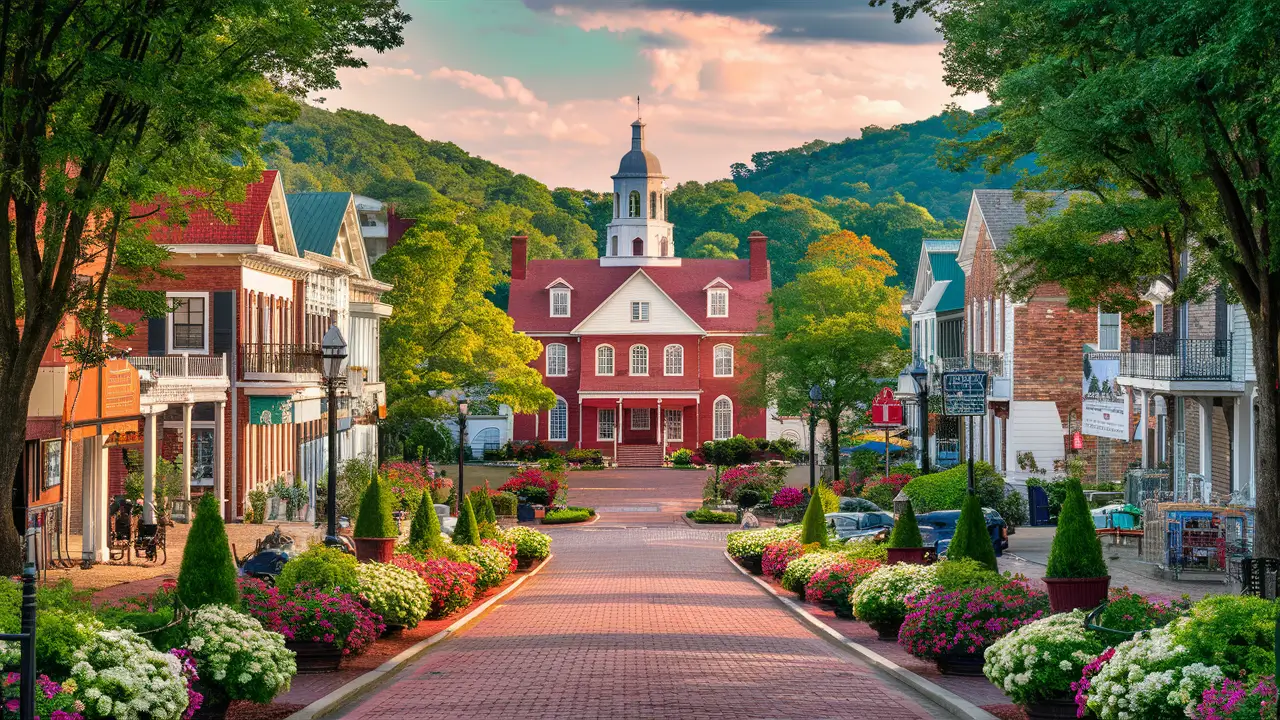
Discover the safest havens in South Carolina, where community well-being and low crime rates are paramount. This guide highlights towns prioritizing safety, offering peace of mind for residents and visitors alike in 2025-26.
Understanding Safety Metrics
When evaluating the safety of a town, it's crucial to look beyond simple headlines and understand the metrics that truly define a secure community. For 2025-26, safety is often gauged by a combination of reported crime statistics, community policing efforts, and resident satisfaction. The most common metrics include violent crime rates (homicide, rape, robbery, aggravated assault) and property crime rates (burglary, larceny-theft, motor vehicle theft). However, a holistic view also considers factors like emergency response times, community programs designed to prevent crime, and the overall perception of safety among residents. Understanding these nuances helps in identifying towns where safety isn't just a statistic, but a lived reality. It's also important to note that crime statistics can be influenced by reporting practices and population density, so comparing towns requires careful consideration of these variables. For instance, a larger city might have a higher absolute number of crimes but a lower per capita rate than a smaller town with a concentrated issue.
Top Safest Towns in South Carolina (2025-26)
South Carolina boasts a variety of communities, from bustling cities to serene small towns, each with its unique appeal. For those prioritizing safety, several locales consistently stand out. This section delves into some of the safest towns in South Carolina for the 2025-26 period, examining what makes them desirable places to live, work, and raise a family. We will explore towns across different regions of the state, offering a diverse perspective on safety and community.
Clemson
Clemson, located in the Upstate region, is renowned for its vibrant university atmosphere and remarkably low crime rates. The presence of Clemson University contributes to a generally younger, engaged population, and a strong sense of community pride. Law enforcement agencies in Clemson work closely with the university and residents to maintain a secure environment. The town consistently reports crime rates significantly below the national average, particularly for violent crimes. This focus on safety is bolstered by community watch programs and active citizen involvement. The economic stability, driven by the university and related industries, also plays a role in fostering a safe environment. Residents often cite the walkable nature of the town and the visible presence of law enforcement as key factors contributing to their sense of security. The town's commitment to public safety extends to well-maintained public spaces and active community events, further enhancing its appeal as a safe place to live.
Mount Pleasant
Mount Pleasant, situated across the Cooper River from Charleston, is consistently ranked among the safest and most affluent communities in South Carolina. Its proximity to a major metropolitan area hasn't detracted from its secure atmosphere. The town boasts a highly effective police department known for its community-oriented policing strategies and rapid response times. Low unemployment rates and a strong local economy contribute to a stable environment, reducing the likelihood of property crimes. Mount Pleasant also benefits from excellent schools and a high quality of life, attracting families who value safety and community. The town's well-lit streets, active neighborhood watch groups, and emphasis on civic engagement create a palpable sense of security. Data for 2025-26 indicates a continued trend of low crime, with property and violent crime rates substantially lower than state and national averages. The town's commitment to preserving its natural beauty and providing ample recreational opportunities also fosters a positive community spirit, which indirectly contributes to its safety.
Anderson
Anderson, often called the "Electric City," is a growing community in the Upstate that has made significant strides in public safety. While experiencing growth, Anderson has managed to maintain a lower crime rate than many comparable cities. This is attributed to proactive policing efforts, community partnerships, and investment in public safety infrastructure. The local government and police department have implemented various initiatives aimed at crime prevention and community engagement, fostering a sense of trust and collaboration. For 2025-26, Anderson continues to see positive trends in its safety statistics. The town's revitalization efforts, including downtown improvements and new business development, have also contributed to a more vibrant and secure atmosphere. Residents appreciate the friendly atmosphere and the town's commitment to maintaining a high quality of life, which includes ensuring the safety and well-being of its citizens. The presence of educational institutions and a diversified economy also supports its stability.
Sumter
Sumter, located in the central part of South Carolina, is a mid-sized city that prioritizes community safety. It has a strong presence of law enforcement and various community programs aimed at reducing crime and fostering positive relationships between citizens and police. The town's economic base, which includes manufacturing and agriculture, provides a degree of stability. For 2025-26, Sumter's safety initiatives are showing positive results, with efforts focused on both crime prevention and effective response. The town is actively working to improve public spaces and encourage community involvement, recognizing that a connected community is a safer community. Residents often highlight the friendly atmosphere and the genuine sense of community as contributing factors to their feeling of security. The town's commitment to improving infrastructure and providing amenities also plays a role in its overall appeal as a safe place to settle.
Florence
Florence, a significant hub in the Pee Dee region, is working diligently to enhance its safety profile. While facing challenges common to many growing cities, Florence has implemented targeted strategies to improve public safety. These include increased police visibility, community outreach programs, and partnerships with local organizations to address the root causes of crime. For 2025-26, Florence is focusing on data-driven policing and community policing initiatives to foster trust and reduce crime. The town's strategic location as a transportation crossroads presents unique challenges, but its commitment to safety remains a priority. Efforts to revitalize downtown areas and invest in public services are contributing to a more secure and welcoming environment for residents and businesses. The town's ongoing development and focus on quality of life improvements are aimed at creating a safer, more prosperous future for all its citizens.
Myrtle Beach
Myrtle Beach, a popular tourist destination, also strives to maintain a safe environment for its residents and visitors. While the seasonal influx of tourists can present unique challenges, the city employs a robust police force and implements various safety measures. For 2025-26, Myrtle Beach's safety efforts are concentrated on community policing, particularly in tourist areas and residential neighborhoods. The city invests in technology and training for its law enforcement officers to ensure effective crime prevention and response. Beyond law enforcement, community initiatives and a focus on quality of life contribute to a sense of security. The town's continuous efforts to improve infrastructure and public services aim to create a welcoming and safe atmosphere year-round. Residents often appreciate the city's efforts to balance its vibrant tourism economy with the need for a secure residential environment.
Columbia
As the state capital, Columbia is a diverse and dynamic city that places a significant emphasis on public safety. The city's police department is actively engaged in community policing strategies, working to build stronger relationships with residents and address crime proactively. For 2025-26, Columbia is focusing on data-driven approaches to crime reduction and investing in initiatives that address social determinants of crime. The city's growth and development are accompanied by a commitment to ensuring that safety keeps pace. Revitalization projects, improved street lighting, and community engagement programs are all part of Columbia's strategy to create a safer urban environment. Residents benefit from the city's focus on emergency preparedness and its dedication to fostering a secure atmosphere for its diverse population. The presence of major universities and a strong state government presence also contributes to its unique safety landscape.
Charleston
Charleston, a historic and picturesque city, is committed to maintaining its reputation as a safe and welcoming place. The Charleston Police Department is known for its professionalism and its dedication to community-oriented policing. For 2025-26, the city is focusing on innovative strategies to address crime, including technology-driven solutions and partnerships with community organizations. The preservation of its historic charm is matched by a commitment to modern public safety. Efforts to enhance street lighting, improve pedestrian safety, and engage with residents through various forums are ongoing. Charleston's strong tourism economy is supported by its commitment to providing a secure environment for millions of visitors each year, while also ensuring the safety and well-being of its residents. The city's vibrant culture and active community life contribute to its overall sense of security and belonging.
Greenville
Greenville, a rapidly growing city in the Upstate, has consistently been recognized for its high quality of life and its commitment to public safety. The Greenville Police Department employs a proactive approach to policing, emphasizing community engagement and crime prevention. For 2025-26, Greenville continues to invest in its public safety infrastructure and personnel, ensuring that its growth is accompanied by a secure environment. The city's vibrant downtown area, with its parks and cultural attractions, is a testament to its success in creating safe and inviting public spaces. Residents appreciate the city's focus on community events and its efforts to foster a sense of belonging, which are integral to its safety strategy. The thriving economy and strong sense of civic pride further contribute to Greenville's appeal as a safe and desirable place to live.
Rock Hill
Rock Hill, located in the northern part of South Carolina, is a growing city that prioritizes safety and community well-being. The Rock Hill Police Department is dedicated to community policing, working closely with residents to build trust and address concerns. For 2025-26, the city is focusing on crime prevention programs and enhancing public safety services to support its expanding population. Rock Hill's commitment to providing a high quality of life, with its numerous parks, recreational facilities, and cultural attractions, is complemented by its strong emphasis on safety. Residents often cite the friendly atmosphere and the town's proactive approach to public safety as key reasons for their sense of security. The town's ongoing development and investment in public services contribute to its reputation as a safe and family-friendly community.
| Town | Region | Key Safety Focus | 2025-26 Crime Rate Trend |
|---|---|---|---|
| Clemson | Upstate | University-Community Partnership, Low Violent Crime | Stable, Below National Average |
| Mount Pleasant | Lowcountry | Community Policing, Economic Stability | Consistently Low, Below State/National Averages |
| Anderson | Upstate | Proactive Policing, Community Partnerships | Positive Trend, Improving |
| Sumter | Central SC | Community Programs, Effective Response | Focus on Reduction, Stable |
| Florence | Pee Dee | Data-Driven Policing, Community Outreach | Targeted Improvement Efforts |
| Myrtle Beach | Grand Strand | Community Policing, Tourist Safety Measures | Managed for Residents & Visitors |
| Columbia | Midlands | Community-Oriented Policing, Social Determinants | Focus on Reduction, Urban Strategies |
| Charleston | Lowcountry | Professional Policing, Community Engagement | Maintaining High Standards |
| Greenville | Upstate | Proactive Policing, Quality of Life Focus | Consistently High Safety Standards |
| Rock Hill | York County | Community Policing, Public Safety Services | Supporting Growth with Safety |
Factors Contributing to Safety
Several interconnected factors contribute to a town's overall safety. Understanding these elements can help prospective residents make informed decisions about where to settle. For 2025-26, the emphasis remains on a multi-faceted approach to community security.
Low Crime Rates
The most direct indicator of a safe town is its low crime rate. This includes both violent crimes (homicide, assault, robbery) and property crimes (burglary, theft, vandalism). Towns that consistently report crime statistics significantly below state and national averages are generally considered safer. These low rates are often the result of a combination of effective law enforcement, community vigilance, and socioeconomic stability. It's important to look at per capita crime rates rather than absolute numbers, especially when comparing towns of different sizes. A town with a low population might have a few incidents that significantly skew its per capita rate, while a larger city might have more incidents but a lower rate due to its larger population base. For 2025-26, consistent trends of declining or low crime rates are a strong indicator of a safe community.
Community Engagement and Policing
The relationship between law enforcement and the community is a critical component of safety. Towns with strong community policing initiatives, where officers are visible, approachable, and actively involved in neighborhood events, tend to foster greater trust and cooperation. This engagement encourages residents to report suspicious activity and participate in crime prevention efforts. Effective policing also involves strategic deployment of resources based on data analysis, swift response times, and a focus on de-escalation. For 2025-26, communities that prioritize community outreach programs, neighborhood watch groups, and collaborative problem-solving between police and residents are often the safest. This collaborative spirit creates a more resilient and secure environment for everyone.
Economic Stability and Opportunity
Economic factors play a significant role in community safety. Towns with stable economies, low unemployment rates, and ample job opportunities tend to experience lower crime rates. Poverty and lack of opportunity can be contributing factors to crime, so areas with strong economic foundations often benefit from a more secure environment. Investment in local businesses, job training programs, and support for diverse industries can all contribute to economic stability. For 2025-26, towns that are actively fostering economic growth and providing opportunities for their residents are likely to see sustained improvements in safety. A thriving local economy means more people are employed and invested in the community's well-being.
Quality of Life and Amenities
A high quality of life, characterized by good schools, well-maintained parks, clean public spaces, and a variety of recreational and cultural activities, can indirectly contribute to safety. When residents are invested in their community and have access to positive outlets, they are more likely to contribute to a safe and harmonious environment. Towns that prioritize these aspects often attract residents who value community and are invested in its well-being. For 2025-26, towns that offer a balanced lifestyle, with access to both natural beauty and urban conveniences, often foster a strong sense of community pride and shared responsibility for safety. This includes well-lit streets, accessible public transportation, and community centers that serve as hubs for positive interaction.
How to Evaluate Town Safety
Choosing a safe place to live involves more than just looking at a list. It requires a proactive approach to research and evaluation. Here's a step-by-step guide to help you assess the safety of a town in South Carolina for 2025-26.
Researching Crime Statistics
The first step is to delve into official crime statistics. Reliable sources include the FBI's Uniform Crime Reporting (UCR) program, state-level law enforcement agencies, and reputable third-party data aggregators. Look for trends over several years, not just a single snapshot. Pay attention to both violent and property crime rates per capita. Understand how these statistics are collected and reported, as methodologies can vary. For 2025-26, ensure you are accessing the most current data available, which may include preliminary reports from the current year.
Key Data Points to Look For:
- Violent Crime Rate (per 100,000 residents)
- Property Crime Rate (per 100,000 residents)
- Arrest Rates
- Clearance Rates (percentage of crimes solved)
- Trends over the past 3-5 years
Visiting the Town
Statistics only tell part of the story. Visiting a town at different times of day and on different days of the week can provide invaluable insights. Observe the general atmosphere, the upkeep of neighborhoods, the presence of people in public spaces, and the overall sense of order. Are streets well-lit? Do parks seem well-maintained and actively used? Is there a visible police presence that feels reassuring rather than intrusive? Pay attention to how people interact with each other and their environment. A firsthand visit can reveal nuances that data alone cannot capture. For 2025-26, consider visiting during local events to gauge community spirit and engagement.
Talking to Locals
The best way to understand a town's safety is to ask the people who live there. Engage in conversations with residents, shop owners, and community leaders. Ask about their experiences, their perceptions of safety, and any concerns they might have. Are they comfortable walking at night? Do they feel their children are safe playing outdoors? Do they trust the local law enforcement? Local perspectives can offer a more grounded and nuanced understanding of the town's safety dynamics. For 2025-26, seek out diverse opinions to get a well-rounded view of community sentiment.
Understanding Local Initiatives
Beyond crime statistics, investigate the town's proactive measures to enhance safety. This includes community policing programs, neighborhood watch initiatives, youth outreach programs, and partnerships between law enforcement and community organizations. Does the town have a strong emergency preparedness plan? Are there active efforts to address the root causes of crime, such as poverty or lack of education? Understanding these initiatives can reveal a town's commitment to long-term safety and community well-being. For 2025-26, look for towns that are investing in preventative measures and community-building activities.
Choosing the Right Town for You
Selecting the safest town in South Carolina is a personal journey that involves aligning your safety priorities with the characteristics of a community. While low crime rates are a primary consideration, it's also essential to consider factors that contribute to your overall sense of well-being and security. Think about the lifestyle you desire. Are you looking for a quiet, suburban feel, or a more vibrant, walkable urban environment? Consider the importance of community involvement, access to amenities, and proximity to family and friends. For 2025-26, remember that the "safest" town is subjective and depends on your individual needs and preferences. A town that excels in one area of safety might have different strengths in another. For example, a small town might have exceptionally low crime but limited job opportunities, while a larger city might offer more economic stability but require more vigilance regarding personal safety.
It's also wise to consider the long-term prospects of a town. Is it experiencing growth and investment? Are local leaders committed to maintaining and improving public safety? Researching the town's budget for public services, its strategic plans for development, and its approach to community engagement can provide a clearer picture of its future safety trajectory. Ultimately, the best town for you will be one where you feel secure, connected, and empowered to live a fulfilling life. This might involve a trade-off between different factors, but by understanding your priorities and thoroughly researching your options, you can find a South Carolina town that truly feels like home, where safety is a tangible and cherished aspect of daily life.
Conclusion
In your quest for the safest towns in South Carolina, the data and insights presented for 2025-26 underscore that security is a multifaceted concept. It's woven from low crime statistics, proactive community policing, robust economic stability, and a high quality of life. Towns like Clemson, Mount Pleasant, Anderson, and Greenville consistently demonstrate a commitment to these principles, offering residents peace of mind and a secure environment to thrive. Remember, while statistics provide a valuable starting point, a personal visit and conversations with locals offer the most authentic understanding of a community's safety. Prioritize your individual needs and lifestyle when making your decision. By diligently researching and evaluating these factors, you can confidently choose a South Carolina town where safety is not just a priority, but a lived reality, ensuring a secure and fulfilling future for you and your loved ones.