Unlock the future of living with our definitive 2026 guide to smart home devices. Discover how to seamlessly integrate technology for enhanced convenience, security, and energy efficiency, transforming your house into an intelligent, responsive haven. This guide covers everything you need to know.
Introduction: The Smart Home Revolution in 2026
The year 2026 marks a significant leap forward in the integration of smart home technology. What once seemed like science fiction is now an accessible reality, offering unparalleled convenience, enhanced security, and remarkable energy savings. As smart devices become more sophisticated, intuitive, and interconnected, understanding the landscape is crucial for homeowners looking to optimize their living spaces. This comprehensive guide will navigate you through the essential smart home devices available in 2026, helping you make informed decisions to build a truly intelligent and responsive home environment.
Smart Speakers and Voice Assistants: The Command Center
At the heart of most modern smart homes lies the smart speaker, powered by sophisticated voice assistants. These devices have evolved beyond simple music players to become central hubs for controlling other smart devices, accessing information, and managing daily tasks. In 2026, voice assistants like Amazon Alexa, Google Assistant, and Apple's Siri are more capable than ever, understanding complex commands, anticipating user needs, and offering more personalized interactions.
The Evolving Role of Voice Assistants
Voice assistants in 2026 are characterized by several key advancements:
- Enhanced Natural Language Processing (NLP): They can understand conversational speech, slang, and even recognize different accents with greater accuracy. This means you can speak more naturally, without needing to memorize specific commands.
- Proactive Assistance: Beyond responding to direct commands, voice assistants are becoming proactive. They can remind you about upcoming appointments, suggest energy-saving adjustments based on your habits, or even alert you to potential security breaches.
- Improved Contextual Awareness: Assistants can now better understand the context of a conversation, allowing for follow-up questions and more fluid interactions. For instance, after asking "What's the weather like today?", you could follow up with "And what about tomorrow?" without restating the location.
- Cross-Platform Compatibility: While ecosystems still exist, there's a growing trend towards better interoperability, allowing devices from different brands to communicate more effectively, especially through standards like Matter.
Top Smart Speaker Models and Features (2026 Outlook)
The market in 2026 continues to be dominated by major players, each offering distinct advantages:
- Amazon Echo Series: Known for its extensive Alexa Skills ecosystem, Echo devices offer a vast range of integrations and functionalities. New models boast improved audio quality, advanced privacy controls, and enhanced multi-room audio capabilities.
- Google Nest Series: Google Assistant excels in providing rich, context-aware information, making it ideal for research and daily planning. Nest devices often feature sleek designs and superior integration with Google services. Expect enhanced AI for personalized routines and suggestions.
- Apple HomePod: For users deeply embedded in the Apple ecosystem, HomePod offers seamless integration with Apple devices and services. In 2026, HomePod is expected to focus on spatial audio, advanced Siri intelligence, and robust privacy features.
Key Considerations for Smart Speakers:
- Privacy: Understand the microphone controls and data privacy policies of your chosen assistant.
- Ecosystem: Consider which ecosystem (Amazon, Google, Apple) best aligns with your existing devices and services.
- Audio Quality: If music playback is a priority, compare the audio fidelity of different models.
- Smart Home Hub Capabilities: Some speakers have built-in hubs for Zigbee or Thread devices, simplifying setup for certain smart home accessories.
Smart Lighting: Setting the Mood and Saving Energy
Smart lighting systems have moved beyond novelty to become a cornerstone of modern home automation. In 2026, smart bulbs, switches, and fixtures offer unprecedented control over ambiance, security, and energy consumption, making them an essential component of any smart home.
Benefits of Smart Lighting:
- Customizable Ambiance: Adjust brightness, color temperature (warm to cool white), and even full RGB color to create the perfect mood for any occasion, from a cozy movie night to a vibrant party.
- Energy Efficiency: Schedule lights to turn off automatically when not in use, dim them to save power, and leverage motion sensors to illuminate spaces only when needed.
- Enhanced Security: Simulate occupancy by scheduling lights to turn on and off randomly when you're away, deterring potential intruders.
- Convenience: Control lights with your voice, smartphone app, or set up automated routines based on time of day, presence, or other triggers.
Types of Smart Lighting Devices:
- Smart Bulbs: The most common entry point, these screw into existing fixtures. They offer the widest range of color and dimming options.
- Smart Switches/Dimmers: Replace traditional wall switches to control entire circuits of lights, including non-smart bulbs. These are ideal for rooms with multiple fixtures.
- Smart Plugs: Can be used to control lamps and other plug-in lighting fixtures.
- Smart Fixtures: Integrated lighting solutions like LED strips, ceiling lights, or outdoor path lights with built-in smart capabilities.
Smart Lighting in Action (2026 Scenarios):
- "Good Morning" Scene: Lights in your bedroom slowly brighten to simulate a sunrise, while kitchen lights turn on to a warm, inviting glow.
- "Movie Night" Scene: Living room lights dim to 20%, and accent lights behind the TV change to a subtle blue hue.
- "Away" Mode: Lights in various rooms turn on and off at random intervals throughout the evening to make it appear as if someone is home.
- Motion-Activated Lighting: Hallway lights automatically turn on at a low setting when motion is detected after dark and turn off after a set period.
Statistics Snapshot (2025-26):
The global smart lighting market is projected to reach over $25 billion by 2026, with a significant portion driven by residential adoption. Energy savings are a primary motivator, with studies indicating that smart lighting can reduce electricity consumption for lighting by up to 30%.
Smart Thermostats and Climate Control: Comfort and Efficiency
Smart thermostats have become indispensable for managing home comfort and significantly reducing energy bills. In 2026, these devices offer advanced learning capabilities, remote control, and seamless integration with other smart home systems, making them a wise investment for any homeowner.
How Smart Thermostats Work:
Unlike traditional programmable thermostats, smart thermostats learn your daily routines and preferences. They use algorithms to automatically adjust the temperature, optimizing for comfort when you're home and energy savings when you're away or asleep. Many also integrate with external weather data to make more informed decisions.
Key Features and Benefits in 2026:
- Learning Algorithms: Continuously adapt to your schedule and temperature preferences, often requiring minimal manual input after initial setup.
- Remote Control: Adjust your home's temperature from anywhere via a smartphone app, ensuring comfort upon arrival or allowing for immediate adjustments if needed.
- Geofencing: Automatically adjust the thermostat based on your location, turning down the heat or AC when everyone leaves the house and preparing it for your return.
- Energy Reporting: Provide detailed insights into your energy usage, highlighting savings and suggesting further optimization strategies.
- Voice Control: Integrate with smart speakers for hands-free temperature adjustments.
- Multi-Zone Control: For homes with zoned HVAC systems, smart thermostats can manage each zone independently, maximizing comfort and efficiency.
- Integration with Other Smart Devices: Can work in conjunction with smart fans, window sensors, or even smart blinds to create more comprehensive climate control solutions.
Leading Smart Thermostat Brands (2026):
- Nest Learning Thermostat: A pioneer in the field, known for its intuitive interface and sophisticated learning capabilities.
- Ecobee SmartThermostat: Offers excellent remote sensor capabilities for balanced temperatures throughout the home and robust energy-saving features.
- Honeywell Home T-Series: Provides reliable performance and a range of options, from basic smart control to advanced learning models.
Statistics Snapshot (2025-26):
The smart thermostat market is expected to continue its strong growth, with over 60% of U.S. households projected to have one by 2026. Studies consistently show that smart thermostats can reduce heating and cooling costs by 10-15% annually.
Smart Security Systems: Peace of Mind, Anywhere
Smart security systems have transformed home protection, offering advanced monitoring, remote access, and intelligent alerts. In 2026, these systems are more integrated, user-friendly, and effective than ever before, providing homeowners with unparalleled peace of mind.
Components of a Smart Security System:
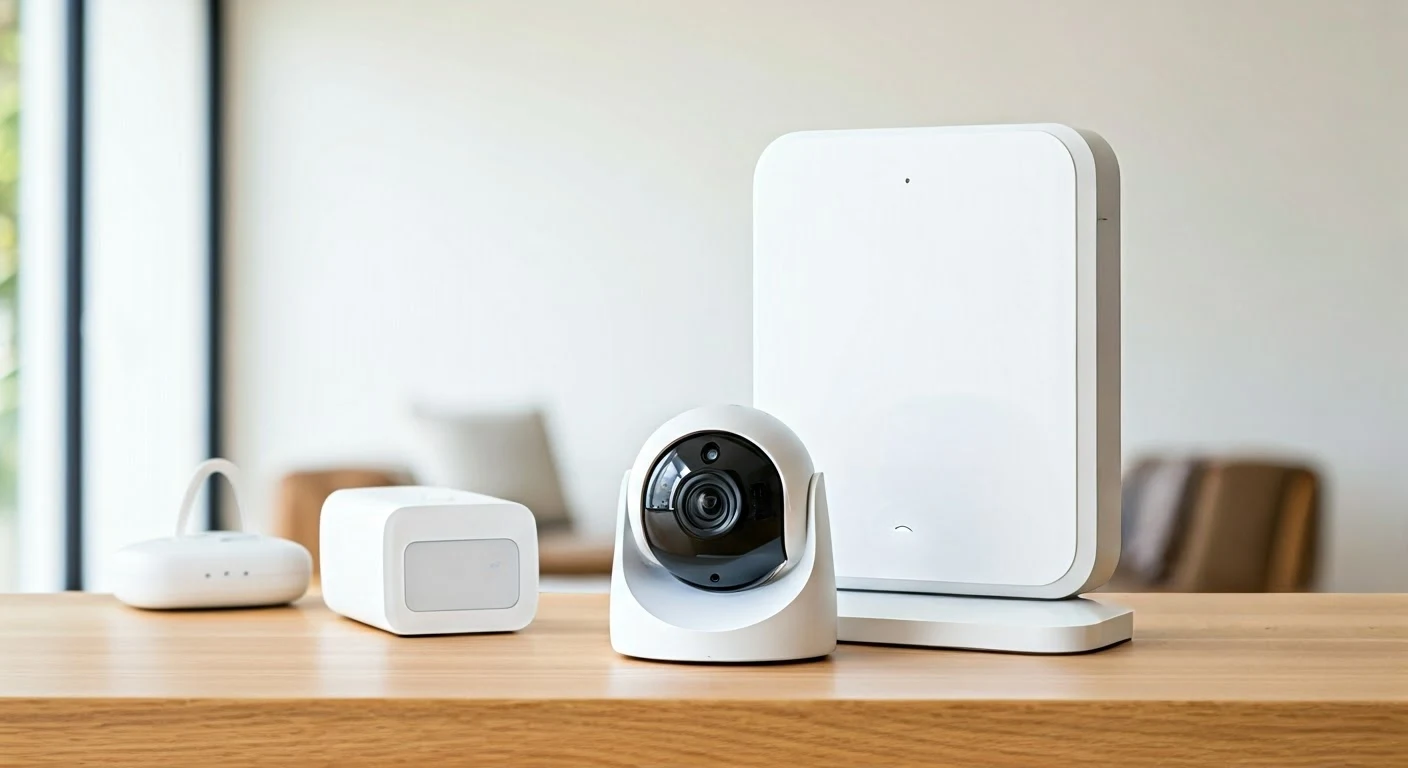
- Smart Hub/Base Station: The central brain of the system, connecting all sensors and devices and communicating with your home network and monitoring services.
- Door/Window Sensors: Detect when a door or window is opened, triggering an alert.
- Motion Detectors: Sense movement within a room or area. Advanced models in 2026 offer pet immunity to reduce false alarms.
- Smart Cameras (Indoor/Outdoor): Provide live video feeds, motion-activated recording, and two-way audio.
- Smart Smoke/CO Detectors: Alert you to fire or carbon monoxide dangers, sending notifications to your phone even when you're away.
- Glass Break Sensors: Detect the sound frequency of breaking glass.
- Professional Monitoring Services: Many systems offer optional 24/7 professional monitoring, where a team can dispatch emergency services if an alarm is triggered.
Advantages of Smart Security in 2026:
- Remote Monitoring and Control: Arm/disarm your system, view live camera feeds, and receive alerts from anywhere via your smartphone.
- Customizable Alerts: Receive notifications for specific events, such as a door opening, motion detected in a certain area, or a smoke alarm.
- Integration with Other Smart Devices: Link your security system with smart lights (to turn on when an alarm is triggered) or smart locks (to automatically unlock for emergency services).
- DIY vs. Professional Installation: Many systems are designed for easy DIY installation, while others offer professional setup services.
- Scalability: Easily add more sensors or cameras as your needs evolve.
Emerging Trends in Smart Security (2026):
- AI-Powered Detection: Advanced AI algorithms for distinguishing between people, pets, vehicles, and even package deliveries, reducing false alarms and providing more relevant alerts.
- Enhanced Video Analytics: Features like facial recognition (with privacy considerations), person detection, and activity zones are becoming more sophisticated.
- Integrated Smart Home Security Hubs: Many smart speakers and other hubs are incorporating basic security functionalities, offering a more streamlined approach for simpler needs.
- Privacy-Focused Solutions: Increased demand for systems with end-to-end encryption and local storage options.
Smart Locks and Access Control: Keyless Convenience
Smart locks are revolutionizing how we secure our homes, offering keyless entry, remote access, and enhanced control over who enters your property. In 2026, these devices are more secure, feature-rich, and integrated than ever before.
Benefits of Smart Locks:
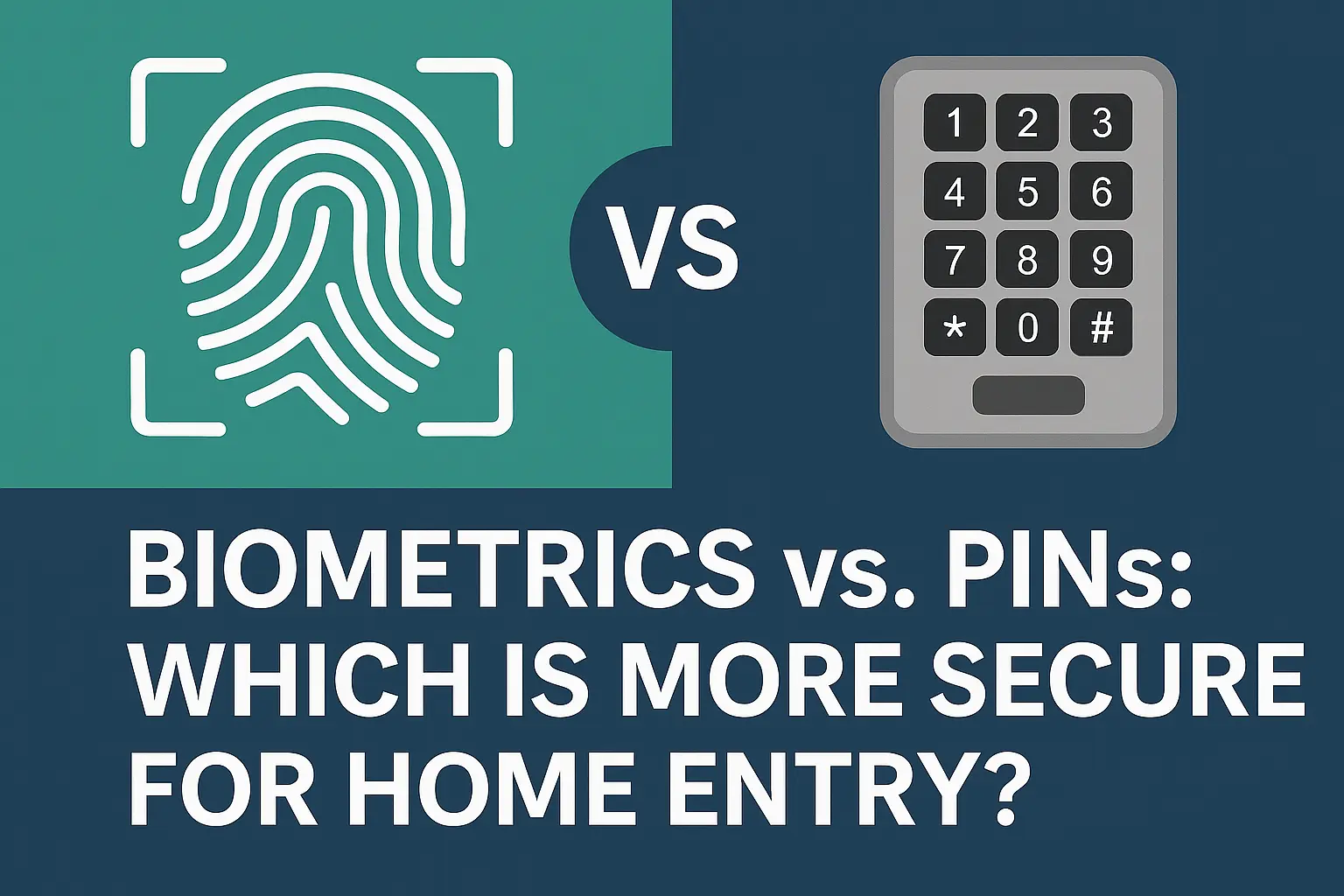
- Keyless Entry: Unlock your door using a smartphone app, a keypad code, fingerprint scan, or even voice commands.
- Remote Access: Grant temporary access to guests, service providers, or family members from anywhere in the world.
- Activity Logs: Receive real-time notifications and view logs of who entered and when, providing an extra layer of security and accountability.
- Automated Locking: Set your door to lock automatically after a certain period or when you leave the house (often integrated with geofencing).
- Integration with Security Systems: Can be linked to your smart security system to arm/disarm or trigger actions.
Types of Smart Locks:
- Smart Deadbolts: Replace your existing deadbolt, offering robust security with smart features.
- Smart Lever Locks: Replace the entire doorknob assembly.
- Smart Padlocks: For gates, sheds, or storage units.
Smart Lock Features to Look For in 2026:
- Connectivity: Wi-Fi, Bluetooth, Z-Wave, or Zigbee. Wi-Fi and Z-Wave/Zigbee generally offer better remote access capabilities.
- Power Source: Most run on batteries, with low-battery indicators and backup options. Some offer wired power.
- Security Standards: Look for encryption protocols and robust build quality.
- User Management: Ability to create unique access codes for different users and set time restrictions.
- Compatibility: Ensure it works with your existing door hardware and smart home platform.
Statistics Snapshot (2025-26):
The smart lock market is experiencing rapid growth, with adoption rates expected to exceed 40% in new home constructions by 2026. Consumers cite convenience and enhanced security as the primary drivers.
Smart Cameras and Monitoring: Eyes on Your Home
Smart cameras are an essential part of modern home security and monitoring, offering live feeds, recording capabilities, and intelligent alerts. In 2026, these devices are more advanced, offering higher resolutions, better AI, and more flexible deployment options.
Types of Smart Cameras:
- Indoor Cameras: For monitoring living spaces, nurseries, or pets.
- Outdoor Cameras: Weatherproof and designed to withstand the elements, often with night vision and motion detection.
- Doorbell Cameras: Replace your traditional doorbell, allowing you to see and speak to visitors from anywhere.
- Security Camera Systems: Bundles of multiple cameras that can be connected to a central hub or Network Video Recorder (NVR).
Key Features and Innovations in 2026:
- Higher Resolution: 2K and 4K resolution are becoming standard, providing crystal-clear images.
- Advanced AI Detection: Person detection, package detection, vehicle detection, and facial recognition (with privacy controls) significantly reduce false alerts.
- Two-Way Audio: Communicate with visitors or deter intruders directly through the camera.
- Night Vision: Enhanced infrared or color night vision for clear footage in low-light conditions.
- Local Storage Options: Support for microSD cards or NVRs for storing footage locally, reducing reliance on cloud subscriptions.
- Wire-Free and Battery-Powered Options: Increased flexibility in placement without the need for power outlets.
- Activity Zones: Define specific areas within the camera's view to receive motion alerts from, ignoring other areas.
Use Cases for Smart Cameras:
- Home Security: Monitor for intruders, package theft, or suspicious activity.
- Pet Monitoring: Check in on pets while you're away, and even interact with them using two-way audio.
- Child Monitoring: Keep an eye on children playing or napping.
- Elderly Care: Monitor the well-being of elderly relatives.
- Deliveries: Confirm package deliveries and deter porch pirates.
Smart Appliances: The Future of Kitchens and Laundry
Smart appliances are moving beyond basic connectivity to offer intelligent features that simplify chores, enhance efficiency, and provide greater control over your kitchen and laundry room. In 2026, these appliances are becoming more sophisticated and integrated into the smart home ecosystem.
Smart Refrigerators:
- Inventory Management: Internal cameras can track food items, suggest recipes based on what you have, and alert you to expiring items.
- Smart Displays: Built-in touchscreens for managing calendars, leaving notes, streaming music, or even browsing recipes.
- Remote Temperature Control: Adjust fridge and freezer temperatures from your smartphone.
- Integration with Grocery Services: Some models can automatically add items to your shopping list or even place orders.
Smart Ovens and Cooktops:
- Remote Preheat and Control: Start preheating your oven or adjust cooking settings from your phone.
- Guided Cooking: Some ovens offer guided cooking programs that automatically adjust temperature and time for specific dishes.
- Internal Cameras: Monitor cooking progress without opening the oven door.
- Voice Control: Adjust settings or check cooking status via voice commands.
Smart Dishwashers:
- Remote Start and Monitoring: Start a cycle remotely, receive notifications when it's complete, and monitor cycle status.
- Smart Wash Cycles: Some dishwashers can detect soil levels and automatically select the optimal wash cycle.
- Energy and Water Usage Tracking: Monitor efficiency and optimize usage.
Smart Washing Machines and Dryers:
- Remote Start and Monitoring: Start cycles, receive notifications when done, and check status.
- Smart Fabric Care: Select the right cycle based on fabric type, and some dryers can adjust drying time based on moisture sensors.
- Automatic Dispensing: Some models can automatically dispense the correct amount of detergent and fabric softener.
- Energy Efficiency: Optimize cycles for lower energy and water consumption.
Statistics Snapshot (2025-26):
The smart appliance market is projected to grow significantly, with smart refrigerators and laundry appliances leading the charge. Increased consumer demand for convenience and energy efficiency is driving adoption.
Smart Entertainment: Immersive Experiences
Smart entertainment systems have moved beyond basic connectivity to offer personalized, immersive, and seamlessly integrated experiences. In 2026, smart TVs, streaming devices, and audio systems are more intelligent and interconnected than ever.
Smart TVs:
- Integrated Streaming Apps: Direct access to popular streaming services like Netflix, Hulu, Disney+, and more, often with personalized recommendations.
- Voice Control: Built-in voice assistants (often tied to Google Assistant or Alexa) for searching content, controlling playback, and adjusting settings.
- Smart Home Integration: Can act as a central hub for controlling other smart devices, displaying camera feeds, or reacting to smart home events (e.g., dimming lights when a movie starts).
- High-Quality Displays: Advancements in OLED, QLED, and MicroLED technology offer stunning picture quality, HDR support, and high refresh rates for gaming.
- Gaming Features: Support for high frame rates, low input lag, and adaptive sync technologies for a superior gaming experience.
Streaming Devices:
Devices like Amazon Fire TV Stick, Google Chromecast, Apple TV, and Roku offer a cost-effective way to make any TV "smart." In 2026, these devices continue to offer:
- 4K HDR Streaming: Support for the latest video formats.
- Voice Search: Easy content discovery through voice commands.
- App Stores: Access to a vast library of streaming apps and games.
- Smart Home Control: Many can act as limited smart home hubs or control other devices.
Smart Audio Systems:
- Multi-Room Audio: Stream music seamlessly throughout your home with synchronized playback.
- Voice Control: Control music playback, select playlists, and adjust volume with voice commands.
- High-Fidelity Sound: Support for lossless audio formats and advanced sound technologies like Dolby Atmos for immersive audio experiences.
- Integration with Smart Speakers: Smart speakers often serve as the control interface for smart audio systems.
The Future of Smart Entertainment:
Expect further integration of AI for personalized content recommendations, more immersive augmented reality (AR) and virtual reality (VR) experiences directly through TVs, and even more seamless control over home theater environments.
Smart Plugs and Outlets: Simple Automation
Smart plugs and outlets are among the most accessible and versatile smart home devices. They allow you to make "dumb" devices smart with minimal effort and cost, offering a gateway into home automation.
How They Work:
A smart plug simply plugs into a standard wall outlet, and then you plug your existing appliance (like a lamp, fan, or coffee maker) into the smart plug. The smart plug connects to your Wi-Fi network, allowing you to control the connected appliance remotely via a smartphone app or voice assistant.
Key Benefits and Features:
- Remote On/Off Control: Turn devices on or off from anywhere.
- Scheduling: Set timers for devices to turn on or off automatically at specific times (e.g., turn on a lamp at sunset, turn off a fan at bedtime).
- Energy Monitoring: Many smart plugs track the energy consumption of connected devices, helping you identify energy vampires and save money.
- Voice Control: Integrate with smart speakers to control devices with voice commands.
- Scene Integration: Include devices plugged into smart plugs in your smart home scenes (e.g., a "Goodnight" scene could turn off lamps).
- Compact Design: Many are designed to not block adjacent outlets.
Use Cases:
- Lamps and Holiday Lights: Schedule them to turn on and off for convenience or security.
- Fans and Heaters: Control them remotely for comfort.
- Coffee Makers: Schedule your coffee to brew automatically in the morning.
- Christmas Trees: Easily turn them on and off without reaching behind the tree.
- Aquarium Filters/Lights: Ensure consistent operation.
Statistics Snapshot (2025-26):
Smart plugs remain one of the most popular entry-level smart home devices, with continued strong sales driven by their affordability and ease of use. Over 70% of smart home owners report using smart plugs.
Smart Home Platforms and Ecosystems: Unifying Your Devices
As your smart home grows, managing individual apps for each device can become cumbersome. Smart home platforms and ecosystems provide a unified way to control, automate, and manage all your connected devices.
Major Platforms and Ecosystems:
- Amazon Alexa: Accessible through Echo devices, Alexa supports a vast number of third-party devices and offers a robust skills ecosystem for extended functionality.
- Google Home/Assistant: Integrated into Nest devices, Google Assistant excels in providing information and offers strong integration with Google services.
- Apple HomeKit: For Apple users, HomeKit offers a secure and private way to control compatible devices through the Home app and Siri. It emphasizes local control and robust security.
- Samsung SmartThings: A versatile platform that supports a wide range of protocols (Zigbee, Z-Wave, Wi-Fi) and offers powerful automation capabilities through its app and hub.
- Matter: This is not a platform itself, but a new industry standard designed to improve interoperability between smart home devices from different manufacturers. In 2026, Matter adoption is rapidly increasing, making it easier for devices to work together regardless of brand.
Choosing the Right Platform:
- Existing Devices: If you already own several devices from one ecosystem (e.g., Echo speakers), it often makes sense to stick with that platform.
- Voice Assistant Preference: Your preferred voice assistant (Alexa, Google Assistant, Siri) will heavily influence your choice.
- Device Compatibility: Always check if the devices you intend to buy are compatible with your chosen platform. Look for "Works with Alexa," "Works with Google Assistant," "Works with Apple HomeKit," or Matter certification.
- Automation Needs: Some platforms offer more advanced automation rules and routines than others.
- Privacy Concerns: Apple HomeKit is often lauded for its strong privacy focus.
The Role of Matter in 2026:
Matter is poised to significantly simplify the smart home experience. By providing a common language for smart devices, it reduces compatibility headaches. Expect to see more devices launching with Matter support, making it easier to build a truly interoperable smart home.
Choosing the Right Devices for Your Needs
With the vast array of smart home devices available, making the right choices can seem daunting. Here’s a strategic approach to selecting devices that will genuinely enhance your life.
1. Define Your Goals:
What do you want your smart home to achieve?
- Convenience: Automating daily tasks, voice control.
- Security: Monitoring, alerts, access control.
- Energy Efficiency: Reducing utility bills, environmental impact.
- Entertainment: Immersive audio-visual experiences.
- Accessibility: Assisting individuals with mobility or other challenges.
2. Start Small and Scale Up:
You don't need to automate your entire home at once. Begin with a few key devices that address your primary goals. For example:
- For Convenience: A smart speaker and a few smart plugs or bulbs.
- For Security: A smart doorbell camera and a few door/window sensors.
- For Energy Savings: A smart thermostat.
3. Consider Compatibility and Ecosystems:
As discussed, choosing a platform (Alexa, Google Home, HomeKit) or ensuring Matter compatibility is crucial for seamless integration. Research which devices work best within your chosen ecosystem.
4. Read Reviews and Research:
Don't just rely on marketing. Read professional reviews and user feedback to understand real-world performance, reliability, and ease of use. Look for devices that have received positive ratings for their longevity and customer support.
5. Budget Wisely:
Smart home technology can range from affordable plug-and-play devices to expensive integrated systems. Set a realistic budget and prioritize devices that offer the most value for your needs.
6. Prioritize Security and Privacy:
When choosing smart devices, especially those related to security and personal data, always consider the manufacturer's security protocols and privacy policies. Look for devices with strong encryption and clear data handling practices.
Installation and Setup: Getting Started
Setting up smart home devices has become increasingly user-friendly, but a few best practices can ensure a smooth experience.
Step-by-Step Guide (General):
- Unbox and Inspect: Ensure all components are present and undamaged.
- Download the App: Most smart devices require a dedicated smartphone app for setup and control. Download it from your device's app store.
- Create an Account: You'll typically need to create an account with the manufacturer.
- Connect to Wi-Fi: Follow the app's instructions to connect the device to your home's Wi-Fi network. Ensure you have your Wi-Fi password handy.
- Pair the Device: The app will guide you through pairing the device with your account. This might involve scanning a QR code, pressing a button, or entering a code.
- Configure Settings: Customize device names, set up schedules, create routines, and adjust any specific settings within the app.
- Integrate with Your Platform: If you use a smart home hub or voice assistant (Alexa, Google Home, HomeKit), link your new device to that platform through its respective app. This allows for unified control and voice commands.
- Test Thoroughly: Test all functions of the device, including remote control, voice commands, and any automated routines you've set up.
Tips for a Smooth Setup:
- Strong Wi-Fi Signal: Ensure you have a stable and strong Wi-Fi signal where you intend to place the device. Consider a mesh Wi-Fi system for larger homes.
- Follow Instructions: Always refer to the manufacturer's specific instructions, as setup processes can vary.
- Keep Software Updated: Regularly update the device's firmware and the companion app to ensure optimal performance and security.
- Troubleshooting: If you encounter issues, restart your router, the device, and your phone. Consult the manufacturer's support resources.
Future Trends and Innovations in Smart Homes
The smart home landscape is constantly evolving. Here are some key trends and innovations expected to shape the future:
- Advanced AI and Machine Learning: Homes will become even more predictive and personalized, learning user behaviors and anticipating needs with greater accuracy.
- Enhanced Interoperability (Matter): As Matter gains wider adoption, seamless integration between devices from different brands will become the norm, simplifying setup and control.
- Edge Computing: More processing will happen locally on devices rather than in the cloud, leading to faster response times, increased privacy, and reduced reliance on constant internet connectivity.
- Sustainability and Energy Management: Smart homes will play a more significant role in managing energy consumption, integrating with smart grids, and optimizing renewable energy sources.
- Health and Wellness Integration: Devices will monitor air quality, sleep patterns, and even provide personalized wellness recommendations.
- Robotics and Automation: Expect to see more sophisticated robotic assistants and automated systems for tasks like cleaning, lawn care, and even home maintenance.
- Increased Focus on Privacy and Security: As concerns grow, manufacturers will continue to prioritize robust security measures and transparent privacy policies.
- Augmented Reality (AR) Integration: AR could be used for visualizing smart home designs, troubleshooting, or even interacting with devices in new ways.
Conclusion: Embracing the Intelligent Home
The journey into smart home technology in 2026 is more exciting and accessible than ever. From voice-controlled command centers and mood-setting lighting to robust security systems and energy-efficient climate control, these devices offer tangible benefits that enhance convenience, safety, and comfort. By understanding the diverse range of smart home devices available and planning your integration strategy, you can create a living space that is not only technologically advanced but also intuitively responsive to your needs. Start by defining your goals, choosing compatible devices, and gradually building your smart ecosystem. The future of living is intelligent, and with this guide, you're well-equipped to embrace it.